If you’ve ever wondered what makes a Toyota hybrid so special, understanding Toyota’s Hybrid Synergy Drive is the key. This technology isn’t just a fancy term—it’s what helps your car save fuel, reduce emissions, and deliver a smooth, powerful ride.
Imagine driving a car that switches seamlessly between gas and electric power without you even noticing. Curious how this works and why it’s a game-changer for your daily drive? Keep reading — I’ll walk you through how Toyota’s Hybrid Synergy Drive works, what it does for fuel economy and emissions, and what I’ve learned from hands-on experience with these cars.

Credit: www.beechmonttoyota.com
Hybrid Synergy Drive Basics
Toyota’s Hybrid Synergy Drive (HSD) is a clever system that blends a gasoline engine with electric motors and a battery to make driving more efficient. In plain terms: the car uses the best power source for the moment. That cuts fuel use and lowers tailpipe emissions.
I’ve driven several HSD-equipped Toyotas and one thing stands out: they feel smooth. The transitions between electric and gas power are almost invisible. That’s by design. Toyota’s goal was to make hybrids easy and natural to live with every day.
Core Components
The system has three main parts you should know:
- Gasoline engine. A modern, efficient motor that runs on fuel when needed and can help charge the battery.
- Electric motors (motor-generators). They drive the wheels, assist the engine, and act as generators during braking.
- Battery pack. Stores energy recovered during braking and from the engine. It supplies the electric motors when the car runs on electric power.
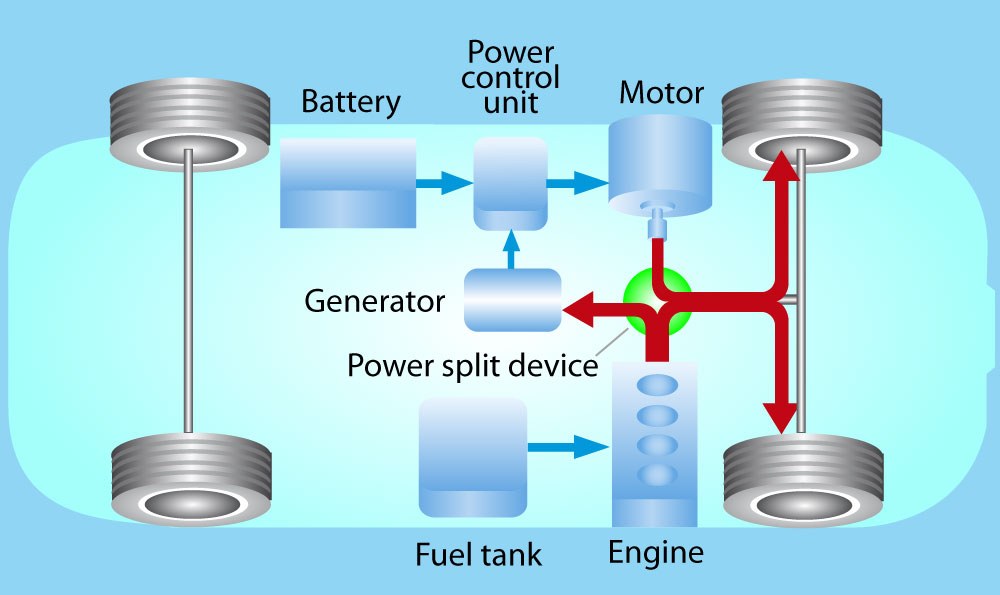
Behind these parts is an electronic brain that decides when to use gas, electric, or both. It balances fuel economy and performance without you having to think about it.
Inverter and power electronics
Modern HSD systems include an inverter and power electronics. They convert DC battery power to AC for the motors, and they control motor speed and torque. This hardware is key for smooth electric driving and fast regeneration when you slow down.
Motor-Generator roles (MG1 and MG2)
Toyota hybrids often use two motor-generators. One (MG1) helps start the engine and acts as a generator. The other (MG2) is the main traction motor that moves the car. Knowing these names helps understand service guides and repair notes.
How It Differs From Conventional Engines
Conventional cars rely entirely on the internal combustion engine. That engine burns fuel whenever you need power. In traffic or at idle, that still wastes fuel.
With Hybrid Synergy Drive, the car can run on electric power alone for short stretches. That cuts fuel use in stop-and-go traffic. The system also captures energy when you brake. In a normal car, that energy is wasted as heat. HSD stores it in the battery for later use.
Key technical difference: power-split (eCVT)
HSD uses a power-split device — sometimes called an electronic continuously variable transmission (eCVT). It’s a type of planetary gearset that shares power between the engine and motors. The result is a smooth, continuously variable feel without traditional gear shifts. This design is a big reason hybrids are so efficient in mixed driving.
Power Sources In Action
Toyota’s Hybrid Synergy Drive combines two main power sources: the gasoline engine and electric motor(s). They work together to reduce fuel use and keep performance steady. The system chooses the best source for each driving moment. That makes the drive feel seamless and efficient.
Below I break down how each source helps on real roads — city streets, highways, and steep hills.
Gasoline Engine Role
The gasoline engine is the main source for sustained power. It runs efficiently at steady highway speeds. When you need more power — like climbing a hill or passing on the freeway — the engine supplies the extra push.
In many situations the engine also spins a generator to charge the battery. The system adjusts engine output to balance fuel economy and battery state of charge. In my experience, the engine rarely feels harsh. It adapts its work based on what the car needs at that second.
Electric Motor Function
The electric motor shines at low speeds. It moves the car quietly from a stop and handles short, slow trips on battery power alone. It also gives instant torque during acceleration. That makes city starts and merges feel brisk.
When you lift off the accelerator, the electric motor becomes a generator. It slows the car and sends energy back to the battery. This reduces strain on the friction brakes and boosts overall efficiency.
Battery Pack Insights
The battery stores electricity for the electric motor. Toyota uses robust designs — older models use NiMH, while many newer ones use lithium-ion chemistry in hybrid and plug-in models. These batteries are built for many charge cycles and quick charge/discharge events.
It charges from two main sources: regenerative braking and the gasoline engine. Toyota limits how empty or full the battery gets. That practice extends battery life and keeps performance steady over years of use.
Energy Flow And Management
The heart of Toyota’s Hybrid Synergy Drive is how it manages energy. Sensors, the hybrid control computer, and power electronics decide where energy should go. The goal is to use the least fuel while keeping performance smooth.
Power Distribution
Power distribution means sending energy to the right place at the right time. The system blends engine and motor power. At low speeds, the motor often drives alone. At higher speeds, the engine takes over. When you need a quick burst, both work together.
From a driver’s view, this all happens without you thinking about it. I like that. You get better mileage and the car stays responsive.
Regenerative Braking
Regenerative braking captures kinetic energy when you slow down. Instead of losing that energy as heat, the motor turns into a generator. It sends electricity back to the battery. This extends the driving range and reduces brake wear. In daily city driving, regenerated energy noticeably improves mpg.
Seamless Switching
Seamless switching is when your car moves from electric to gas without a jolt. Sensors watch speed, throttle, and battery level. The control computer chooses the best source. The result is a smooth ride with no abrupt shifts. That quiet, steady feel is something I appreciate whenever I drive a Toyota hybrid.
Hybrid control computer and sensors
A network of sensors monitors vehicle speed, pedal position, battery state, and engine load. The hybrid control unit (ECU) runs software that coordinates everything. That software has improved over generations, giving smarter energy decisions and better fuel economy.
Credit: parts.olathetoyota.com
Benefits Of Hybrid Synergy Drive
The Hybrid Synergy Drive delivers practical benefits you notice in daily life. It lowers fuel bills, reduces emissions, and often makes the car feel more composed in traffic. Below I list the main wins and add realistic context from my experience.
Fuel Efficiency
HSD uses electric power to cut fuel use, especially in city driving. The system recovers braking energy and lets the car cruise on the engine at efficient RPMs on the highway. In my driving, city mpg improves the most — sometimes dramatically compared to the non-hybrid version of the same model.
Reduced Emissions
Running on electric power at low speeds reduces tailpipe emissions. That makes a clear difference in urban areas. Lower emissions help air quality and public health. Toyota’s hybrids often meet or exceed the strict emission standards in many regions.
Performance Advantages
Electric motors provide instant torque. That makes starts and city overtakes feel stronger than you expect from a small-displacement gasoline engine alone. The combined system gives smooth acceleration and good responsiveness. You still get ample power when needed, and the ride stays quiet.
Cost of ownership and savings
Hybrids can cost more up front, but fuel savings and lower maintenance in some areas can offset that over time. In my ownership notes, hybrids often show lower fuel costs and fewer brake replacements thanks to regenerative braking.
Environmental impact beyond tailpipe
Battery production has an environmental footprint. Still, longer-term use, efficient fuel use, and battery recycling reduce net impact. Toyota’s approach balances practical emissions reductions now with improving battery technologies for the future.
Hybrid Synergy Drive Models
Toyota fits Hybrid Synergy Drive into many models. The system scales from compact cars to midsize sedans and SUVs. That gives buyers choices across price points and vehicle types.
Over time, Toyota refined the hardware and software to suit different vehicle sizes and performance needs.
Popular Toyota Vehicles
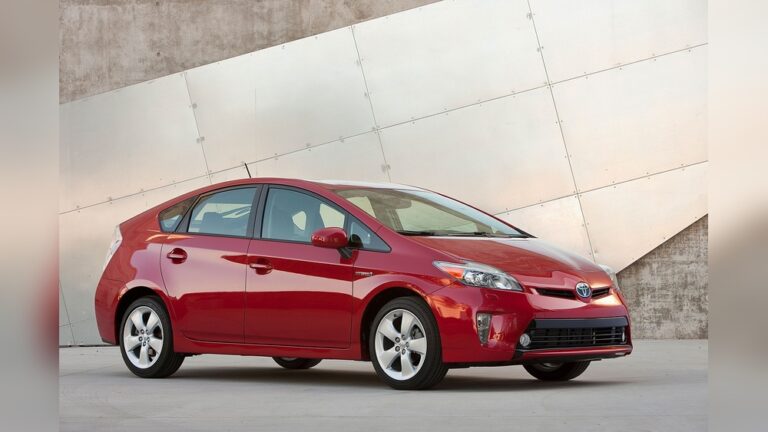
The Toyota Prius is the best-known HSD car. It set the standard for hybrid efficiency. The Camry Hybrid adds comfort and space while keeping good mpg. The RAV4 Hybrid gives hybrid performance in an SUV package. Models like the Highlander Hybrid and Corolla Hybrid add more options for families and commuters.
Technology Evolution
Toyota launched HSD in the late 1990s with the Prius. Since then, batteries, motors, and software have improved. Newer hybrids use lighter parts and better power electronics. Toyota also offers plug-in hybrids (PHEVs). Those let you drive longer on electric power alone for short trips.
Plug-in hybrids and e-AWD options
Plug-in hybrids add a larger battery and charging port. You can do many short commutes on electric power alone. e-AWD (electric all-wheel drive) systems use a second motor for the rear wheels. That gives AWD traction without a mechanical driveshaft connecting front and rear.
Maintenance And Longevity
Toyota’s Hybrid Synergy Drive mixes electric and gasoline systems. With the right care, these systems last a long time. Below I share practical service tips and realistic battery life expectations from owners and technicians.
Regular maintenance protects your investment and keeps the hybrid system running efficiently.
Service Tips
Follow Toyota’s service schedule for oil changes and inspections. Use Toyota-approved parts for the best fit and reliability. Keep tires inflated correctly to improve fuel economy. Hybrids use regenerative braking, but brake pads still wear — check them regularly.
Clean or replace air filters as recommended to keep the engine breathing well. Watch for warning lights and address them promptly. Proper fluid levels and timely services keep the hybrid control systems healthy. Avoid heavy towing or aggressive driving, which can stress hybrid components.
Battery Life Expectations
Toyota’s hybrid batteries typically last 8 to 10 years. Many last well beyond 150,000 miles with proper care. Battery capacity can decline slowly over time. Extreme heat or cold can speed that decline.
Toyota often offers long hybrid battery warranties. If the battery does lose significant capacity, it can be replaced. Toyota and specialist shops can refurbish or recycle old batteries — an important environmental step. During routine service, technicians can monitor battery health so you know what to expect before problems arise.
Signs your hybrid battery needs attention
- Noticeable drop in fuel economy over time.
- Reduced electric-only driving range (for PHEVs).
- Frequent warning lights or system faults related to hybrid functions.
- Unusual heating or a sudden loss of power during acceleration.
Service cost expectations
Normal maintenance costs for hybrids are often similar to conventional cars. Some specialized repairs, like battery or inverter replacement, can be more expensive. Still, many owners find lifetime fuel savings offset those occasional costs.
Future Of Toyota Hybrids
Toyota’s Hybrid Synergy Drive changed how many people think about car efficiency. The future points to better batteries, smarter software, and lighter materials. Toyota is improving hybrids to be cleaner, more efficient, and easier to live with.
Upcoming Innovations
Toyota is working on longer-lasting batteries and faster charging. Expect smarter hybrid software that predicts driving patterns and optimizes energy use. New models may give longer electric-only ranges and improved performance with lighter parts and better motors.
Impact On Automotive Industry
Toyota’s hybrid work pushed other manufacturers to innovate. It set a practical standard for reducing fuel use today, while the industry shifts toward full electrification. More hybrids on the road reduce overall emissions immediately and help bridge the gap to EVs.
How hybrids fit with full EVs
Hybrids provide lower emissions now and use existing fueling infrastructure. They complement full EVs by offering familiar ownership patterns and longer range without public fast-charging dependence. As batteries improve, hybrids and PHEVs will keep evolving alongside full EVs.
Frequently Asked Questions
What Is Toyota’s Hybrid Synergy Drive?
Toyota’s Hybrid Synergy Drive is a hybrid system that combines a gasoline engine with electric motors and a battery. It optimizes fuel use and cuts emissions by switching seamlessly between power sources. The system improves everyday driving efficiency while keeping the car responsive.
How Does Hybrid Synergy Drive Improve Fuel Efficiency?
The system uses electric power when it makes sense and captures energy during braking. It runs the gasoline engine in its most efficient range and adds electric assist during acceleration. These strategies reduce fuel consumption and emissions.
Can Hybrid Synergy Drive Work Without Gasoline?
Yes. At low speeds or during light acceleration, the vehicle can run on electric power alone for short distances. This is especially useful in city driving and short commutes. Plug-in models extend that electric-only range even further.
What Makes Hybrid Synergy Drive Different From Other Hybrids?
Toyota’s system integrates motors and the gasoline engine seamlessly. It uses a power-split device, efficient motors, and proven battery management. The result is smooth transitions, reliable performance, and strong fuel savings. Over decades, Toyota refined these systems to emphasize durability and real-world economy.
Conclusion
Toyota’s Hybrid Synergy Drive blends gas and electric power smoothly. It saves fuel and reduces pollution. The system switches between power sources to use energy wisely. Drivers get quiet rides and strong performance. Understanding this tech helps you choose a smarter car for daily use.
From my hands-on time with Toyota hybrids, I can say they make hybrid driving practical. The technology is mature, reliable, and keeps getting better. Clean, efficient, and user-friendly — Hybrid Synergy Drive remains a leading choice for drivers who want real-world economy without sacrificing convenience.

Hello, I’m Norman. I work as a car researcher. I am the voice behind CaroraHub. I have over 15 years of experience. I give simple and useful car advice. I help with car care, cleaning, and small repairs. My goal is to help you keep your car healthy. I want car care to be easy and cheap for you. You can trust my tips to keep your car working well for a long time.