Prius eCVT blends engine and motors for smooth efficiency; regular automatics shift fixed gears.
If you are weighing Toyota Prius eCVT vs regular automatic transmission, you are in the right place. I test cars for a living and have driven the Prius across cities, highways, and mountain passes. In this guide, I will break down how each transmission works, how they feel, and what they cost to own. You will see clear, real-world advice so you can choose with confidence.
How the Prius eCVT actually works
The Prius does not use a belt CVT. Toyota’s eCVT is a power-split hybrid system. It uses a planetary gearset and two motor-generators. Engineers call them MG1 and MG2. The system blends engine and electric drive without fixed steps.
There are no gear changes. Instead, the control unit varies the power split. It sends torque to the wheels and charges the battery as needed. Regenerative braking recovers energy when you slow down. This is why city mpg is so strong.
In Toyota Prius eCVT vs regular automatic transmission debates, this design is the key. The eCVT is simple inside. There are no clutch packs that shift through gears. That means near-zero shift shock and fewer wear parts.
What a regular automatic transmission does
A regular automatic uses fixed gear ratios. It has planetary gears, clutch packs, and a torque converter. Modern units can have 6 to 10 gears. Electronic controls pick the ratio based on speed and load.
The torque converter multiplies torque at launch. Then it locks up to cut slippage at cruise. This setup can feel snappy and strong. But it needs to shift up and down. You can feel gear hunting on hills or in stop-and-go.
In Toyota Prius eCVT vs regular automatic transmission terms, the automatic gives a classic step-shift feel. It may be better for towing or high-power cars. It is also familiar to most drivers.
Driving feel and performance
On a Prius, the eCVT is smooth. There are no shifts. Launch is quiet in EV mode. Under hard throttle, the engine revs rise and hold. Some call this the rubber-band effect. It is normal for a power-split hybrid.
A regular automatic gives you step shifts. You feel each ratio click in. That can feel more direct. On steep hills, some automatics downshift often. That can cause a busy, restless drive.
From my seat time, I notice this: around town, the Prius eCVT is calm and easy. It glides. On a short on-ramp sprint, it can sound loud while the revs hold. If you like crisp shifts, a standard automatic will please you more.
Toyota Prius eCVT vs regular automatic transmission comes down to taste. Do you value smooth and quiet in city use? Or do you prefer the classic kick of a shift at speed?
Efficiency, fuel economy, and emissions
This is where the Prius shines. Recent models are EPA-rated up to about 57 mpg combined. City mpg is often higher than highway. Regeneration, engine stop-start, and Atkinson-cycle tuning all help. The eCVT keeps the engine in its sweet spot more often.
A regular automatic in a similar size car may hit 30 to 40 mpg combined. Some do better. But most cannot match a Prius in traffic. On long highway runs at steady speed, the gap narrows.
If you search Toyota Prius eCVT vs regular automatic transmission for fuel economy, the answer is clear. The Prius eCVT is built for efficiency first. Lower CO2 per mile is the result.
Reliability, maintenance, and long-term costs
Toyota’s hybrid eCVT has a solid record. There are taxi Priuses with 200,000 to 400,000 miles on the original transaxle. There is no belt. There are no shift clutches. Fluid changes are rare but wise. I suggest a drain and fill every 60,000 to 90,000 miles for peace of mind.
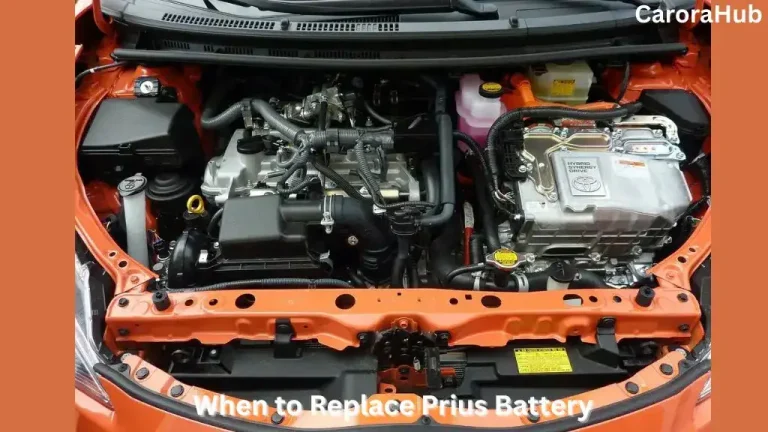
You must care for the hybrid system. Keep the battery cooling fan clean. Avoid blocking vents. The traction battery can last well past 150,000 miles, but it can fail. Replacement costs vary by market. Expect a few thousand dollars for an OEM pack. There are quality reman options that cost less.
Regular automatics can also be durable. But they have more wearing parts. Plan on fluid and filter service. Solenoids and valve bodies can fail. A rebuild can cost several thousand dollars.
When comparing Toyota Prius eCVT vs regular automatic transmission on upkeep, I see this pattern. The eCVT itself is low drama. Hybrids shift cost risk to the battery and power electronics. Automatics spread risk across clutches, seals, and control parts.

Where each transmission makes the most sense
City driving: The Prius eCVT is ideal. It loves stop-and-go. Regeneration turns traffic into energy. Fuel savings are large.
Highway cruising: Both do fine. The Prius is efficient and steady. Some drivers notice more engine drone on long grades. A regular automatic may sound more relaxed under heavy load.
Mountains and passes: The eCVT keeps the engine at peak efficiency. You hear a steady hum on climbs. Automatics downshift and give engine braking on descents. Both are safe when used right.
Towing and hauling: The Prius is not built for heavy towing. Many trucks and SUVs with regular automatics are. If you tow often, pick the automatic in a vehicle rated for it.
Cold climates: Hybrids need engine heat for cabin comfort and emissions. Expect lower winter mpg. Automatics also see a drop in cold, but not as much.
This balance sums up Toyota Prius eCVT vs regular automatic transmission. Your daily drive pattern should guide your pick.
Pros and cons at a glance
Prius eCVT pros
- Outstanding city mpg and low emissions
- Seamless and simple feel in traffic
- Fewer wear parts than a stepped automatic
- Strong reliability record in fleets
Prius eCVT cons
- Engine drone under heavy throttle
- Not ideal for heavy towing
- Battery aging risk over long terms
Regular automatic pros
- Familiar step-shift feel and strong kickdown
- Good engine braking on grades
- Broad choice across many vehicle types
Regular automatic cons
- More parts that can wear and fail
- Gear hunting in stop-and-go
- Often lower city mpg than a Prius
If your aim is Toyota Prius eCVT vs regular automatic transmission for comfort, both can be smooth. If your aim is mpg and calm city use, the eCVT wins.
Buying advice and test-drive tips
When I help friends shop, we drive the same loop in both types. Here is a simple plan you can copy.
- Cold start and short hops. Watch how each car behaves in the first mile. Note noise and smoothness.
- Steep on-ramp pull. Floor it once. Decide whether you like Prius eCVT steady revs or automatic step shifts.
- 10-minute city loop. Check creep, stop-start smoothness, and parking lot control.
- Light hill and descent. Listen for drone, check engine braking, and watch for gear hunting.
- Service record check. For a used Prius, look for cooling fan cleaning and hybrid codes. For an automatic, look for transmission fluid service and shift quality.
Ask yourself one clear question at the end. In your own Toyota Prius eCVT vs regular automatic transmission choice, which drive made you relax more? The calm one wins over time.
Frequently Asked Questions
Is the Prius eCVT a real CVT?
It is a power-split system, not a belt CVT. It varies ratios electrically with a planetary set and motor-generators.
Why does the Prius engine get loud when I accelerate hard?
The eCVT holds the engine at its most effective rpm. That steady high rpm can sound loud, but it is normal and efficient.
Does a Prius eCVT last longer than a regular automatic?
Many do. The eCVT has fewer wear parts. Fleet data and owner reports show long life with simple fluid care.
Can I tow with a Prius?
Light towing may be allowed in some markets, but limits are low. If you tow often, pick a vehicle with a regular automatic and a clear tow rating.
What maintenance does an eCVT need?
There is no scheduled fluid service in some manuals, but a drain and fill is smart. Keep the hybrid battery fan clean and watch for warning lights.
Is the eCVT good for highway trips?
Yes. It cruises well and returns great mpg. On long grades, it may sound steady and louder than a stepped automatic.
Which is better for city commuters?
The Prius eCVT. It turns braking into charge and uses EV mode often. That slashes fuel use in traffic.
Conclusion About Toyota Prius ECVT Vs Regular Automatic Transmission
If you care most about fuel savings, smooth city driving, and low stress, the Prius eCVT is a winner. If you want sharp step shifts, engine braking on hills, or you tow, a regular automatic may fit better. Drive both on the same roads and trust what your senses say.
Use this Toyota Prius eCVT vs regular automatic transmission guide as your checklist. Book test drives, bring this list, and compare notes. Ready to go deeper? Subscribe for more real-world reviews, or leave a comment with your drive notes and questions.

I am Julian Drive, an automotive enthusiast and repair expert with over 7 years of hands-on experience in vehicle maintenance. At Carora Hub, I simplify complex car issues into easy-to-follow DIY guides to help drivers stay safe and save on repair costs.