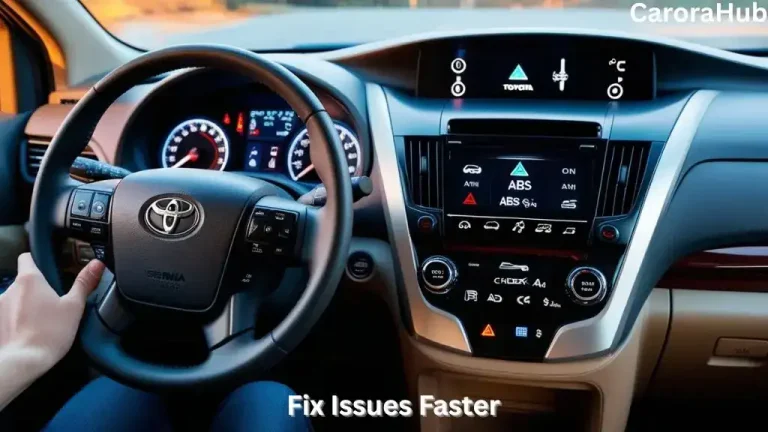
If you’ve ever seen the TPMS light pop up on your Toyota Sienna’s dashboard, you know it can be confusing and a bit worrying. That small warning light is trying to tell you something important about your tires, but resetting it isn’t always straightforward.
What if you could fix this yourself, fast and without a costly trip to the shop? I’ll walk you through exactly how to reset the TPMS light on a Toyota Sienna. I’ll share the simple steps I use, what tools work best, and the checks you should never skip. You’ll be back on the road with confidence.
Keep reading—peace of mind is just a few clear steps away.
What Is TPMS Light?
The TPMS light on your Toyota Sienna’s dash warns you about tire pressure. It helps protect you from poor handling, bad fuel economy, and tire damage. When it lights up, don’t ignore it.
TPMS stands for Tire Pressure Monitoring System. It watches the air pressure inside each tire. Proper pressure saves fuel, extends tire life, and keeps the van stable on the road.
Quick note: direct vs indirect TPMS
Some cars use direct sensors inside the wheel. Others use the ABS system to estimate pressure (indirect). Most Siennas use direct sensors. Direct systems give exact tire pressures and are easier to pinpoint when one sensor fails.
What Does The TPMS Light Mean?
The light usually means one or more tires are underinflated. Low pressure hurts handling and can damage the tire. If the light flashes, it often signals a system fault or a sensor communication issue. Treat the flashing and steady lights differently: steady = low pressure; flashing = sensor or system error.
Why Is TPMS Important For Your Toyota Sienna?
TPMS helps prevent blowouts and loss of control. It gives early warning about leaks and punctures. For Sienna owners, that means safer family trips. It also helps save fuel and cuts down on uneven tire wear.
How Does TPMS Work?
Each tire usually has a sensor mounted inside the wheel. The sensor reads pressure and sends that data to the vehicle computer. If pressure falls below the set threshold, the TPMS light turns on. The system may need a short drive to re-learn after you fix pressures.
Read More: ABS Light on Causes & Fixes Toyota Sienna
Why TPMS Light Comes On
The TPMS light comes on for a handful of common reasons. I’ll list each one and tell you how I check for it. This makes it faster to find and fix the true cause.
Low Tire Pressure
Low pressure is the most common trigger. Tires naturally lose a small amount of air every week. A small puncture or slow leak will also drop pressure. Low pressure reduces fuel economy and speeds up wear. I check pressures with a gauge before I reset the light.
Sensor Malfunction
TPMS sensors can fail. Their batteries wear out in 5–10 years. A broken sensor or damaged valve stem will stop the sensor from sending data. The dash may show a TPMS warning even if pressures look fine. If a sensor failed, the system can’t get a reading.
Temperature Changes
Cold weather shrinks air. A sudden temperature drop can lower tire pressure enough to trigger the light. This is normal in fall or winter. Re-inflate to the correct pressure and the light often clears after a short drive.
Tire Replacement Or Rotation
When tires are replaced or rotated, the car may need to re-learn sensor positions. If the sensors weren’t reset after service, the light can come on. Doing the reset after rotation or replacement avoids false alerts.
How to tell low pressure from a sensor fault
- Check pressures first. If they are all correct and the light stays on or blinks, suspect a sensor fault.
- If the light blinks, that often means a sensor or comms problem. A steady light usually means low pressure.
- Use an OBD2 scanner to read TPMS codes if the light won’t clear after correcting pressure.
Tools Needed For Reset
Resetting the TPMS light is easier with a few basic tools. I keep these on hand. They help me diagnose and fix the issue fast.
Having the right tools reduces trips to the shop. Most are inexpensive or already at gas stations.
OBD2 Scanner
An OBD2 scanner reads and clears vehicle codes. Plug it into the Sienna’s diagnostic port. Many scanners also offer TPMS functions. I use a basic Bluetooth or handheld unit to confirm the TPMS status. The scanner tells you if a sensor failed and clears stored fault codes after repairs.
Tire Pressure Gauge
A tire pressure gauge checks each tire. I prefer a digital gauge for faster, reliable reads. Set all tires to the Toyota-recommended psi before you try a reset.
Air Compressor Or Tire Inflator
An air compressor or inflator helps get tires to the correct pressure. Many gas stations have free or pay air. A small portable compressor is handy at home. Inflate carefully and recheck with your gauge.
Vehicle Owner’s Manual
The owner’s manual has model-specific details. It shows the exact location of the reset button and the proper tire pressures. I always take a quick look if I’m unsure.
Recommended extras I keep
- A small tire sealant or patch kit for quick fixes.
- A valve-core tool to tighten or replace cores.
- A smartphone app that reads OBD2 data if you use a Bluetooth scanner.

Credit: www.reddit.com
Step-by-step Reset Process
Here is the step-by-step process I use. Each step is short and clear. Follow them in order for the best chance the light will clear without tools.
Check Tire Pressure
Start by checking all four tires. Use a reliable gauge. Inflate any tire that is below the recommended psi. Don’t forget the spare if it is full-size. Proper pressure is the first and most common fix.
Turn On Ignition
Turn the ignition to ON. Do not start the engine. The dashboard lights will come on. This wakes the TPMS system and prepares it to accept a reset.
Locate TPMS Reset Button
Find the TPMS reset button. On many Sienna models it’s under the dash, near the steering column, or left of the steering wheel. If you can’t find it, check your owner’s manual for the exact spot.
Press And Hold Reset Button
Press and hold the TPMS reset button for about three seconds. Release when the TPMS light blinks three times. That tells the car to begin relearning the tire pressures and sensor positions.
Drive To Complete Reset
Drive the Sienna at speeds above 20 mph for about 10 minutes. This gives the system time to recalibrate. In many cases the TPMS light will turn off after this short drive.
Quick reset checklist (my go-to)
- Check and set pressures on all four tires (and spare if relevant).
- Turn ignition to ON (engine off).
- Hold the TPMS reset button until the dash blinks.
- Drive 10–30 minutes at 20–50 mph. Watch the light.
This Article May Help You More: How to Reset Maintenance Light on Toyota Sienna
Alternative Reset Methods
If the basic reset does not work, try these alternatives. I use them when the light sticks around after I fix tire pressure.
Two common options are an OBD2 scanner and a manual pressure-based relearn. Both can be quick and effective.
Using OBD2 Scanner
An OBD2 scanner plugs into the diagnostic port under the dash. It reads TPMS fault codes and can clear them after repair. Many scanners also show which sensor is failing. Follow the scanner prompts: plug in, turn ignition ON, and select the TPMS function. This method is precise and saves time at the shop.
Manual Tire Pressure Adjustment
Adjusting tire pressure manually can force the system to relearn. Set each tire to the exact recommended psi. Start the car, hold the reset button, then drive. I find driving at highway speeds for a bit helps the system register the new pressures more quickly. This works best when the problem is simple pressure imbalance rather than a dead sensor.
When to use each method
- Use the basic reset first after adjusting pressure.
- Use an OBD2 scanner if the light blinks or stays on after reset.
- If a sensor battery is dead or a sensor is damaged, you’ll need replacement rather than a reset.
Common Issues And Fixes
Here are common TPMS problems I’ve seen and how I fix them. These tips save time and help you decide if you need a pro.
Reset Light Stays On
Sometimes the light won’t go out after you set pressures. Try this:
- Recheck all tires with a reliable gauge.
- Drive at 50 mph for 10 minutes to let the system recalibrate.
- If it still stays on, use an OBD2 scanner to read stored TPMS codes.
Sensor Battery Replacement
Sensor batteries die after many years. If a sensor battery is dead, the sensor can’t send data. You may see a solid light or a blinking light. Often the whole sensor must be replaced. Some sensors allow battery swap, but many are sealed units. Check the Sienna manual or a trusted shop for sensor type and cost.
Professional Help
Take it to a shop if you suspect a sensor failure or if the OBD2 tool shows sensor errors you can’t clear. Professionals have tools to program and register new sensors. They can also replace valve stems and reseal wheels safely. When in doubt, a quick shop visit can save a lot of hassle later.
How I diagnose a dead sensor
- Correct pressure. If the light still stays on, use a scanner to see which sensor is offline.
- Swap tires or rotate to see if the same corner stays flagged. This helps pinpoint a bad sensor.
- If the sensor is old (5–10 years), plan for replacement.
Preventing TPMS Light Activation
Prevention is the best approach. I follow a few simple habits that keep the TPMS light off and tires healthy.
Regular Tire Maintenance
Check tire pressure once a month. Use a reliable gauge. Inflate to Toyota’s recommended psi. Inspect tires for cuts, bulges, or uneven wear. Rotate tires every 5,000–7,000 miles. Clean and tighten valve stems. Replace damaged tires quickly to avoid pressure loss and TPMS alerts.
Seasonal Tire Checks
Cold weather lowers tire pressure. I check more often in winter. Warm weather can raise pressure, so check then too. If you swap to winter or summer tires, verify sensor mounting and do a reset after the change. Store off-season tires in a cool, dry place to keep them in good shape.
Monthly tire care checklist
- Check pressure and adjust to recommended psi.
- Inspect tires visually for damage.
- Ensure valve caps are present and snug.
- Rotate tires at the recommended interval.

Credit: www.youtube.com
Frequently Asked Questions
How Do I Reset The TPMS Light On A Toyota Sienna?
To reset the TPMS light: turn the ignition on without starting the engine. Press and hold the TPMS reset button until the light blinks three times. Then drive the vehicle for 10 to 30 minutes at speeds above 30 mph to complete the reset. I recommend checking pressures before you start the procedure.
What Causes The TPMS Light To Turn On In Toyota Sienna?
The TPMS light usually turns on due to low tire pressure, a faulty sensor, or temperature changes. It alerts you to check and inflate tires to the set pressure. Fixing low pressure often clears the warning. If it does not, check for sensor faults.
How Often Should I Check The TPMS Sensors In My Sienna?
Check TPMS sensors during regular tire maintenance. I check them every six months or whenever I rotate or replace tires. Regular checks catch battery failures or damage before they cause a light to come on unexpectedly.
Can I Reset The TPMS Light Without A_Scan_Tool?
Yes. Most Toyota Sienna models let you reset the TPMS with the vehicle’s reset button. Follow the steps in this guide or your owner’s manual. Use a scan tool if the light blinks or does not clear after a proper reset.
Bottom Line
Resetting the TPMS light on a Toyota Sienna is simple when you follow the right steps. Start with correct tire pressure. Use the reset button and take a short drive to let the system relearn. If the light persists, scan for codes or get a sensor checked. Regular checks keep your tires healthy and your TPMS quiet.
A little routine care goes a long way. Stay alert to changes in your tire system. It will keep your Sienna safe and running smoothly.

Hello, I’m Norman. I work as a car researcher. I am the voice behind CaroraHub. I have over 15 years of experience. I give simple and useful car advice. I help with car care, cleaning, and small repairs. My goal is to help you keep your car healthy. I want car care to be easy and cheap for you. You can trust my tips to keep your car working well for a long time.