
When it comes to your Prius, one question probably crosses your mind: how long will the hybrid battery last compared to a regular battery? Understanding the difference can save you time, money, and a lot of stress down the road.
You want to know if the hybrid battery is worth the investment and how it affects your car’s performance. You’ll discover the true lifespan of Prius hybrid batteries versus regular batteries, what factors influence their durability, and how to get the most out of each.
Keep reading—your car’s future depends on it.
Credit: carspecmn.com
Prius Hybrid Battery Basics
The Prius hybrid battery is a key part of Toyota’s hybrid system. It stores energy for the electric motor. This battery helps improve fuel efficiency and reduce emissions. Understanding its basics helps compare it with regular car batteries. This section explains the types and design of Prius hybrid batteries.
Types Of Hybrid Batteries
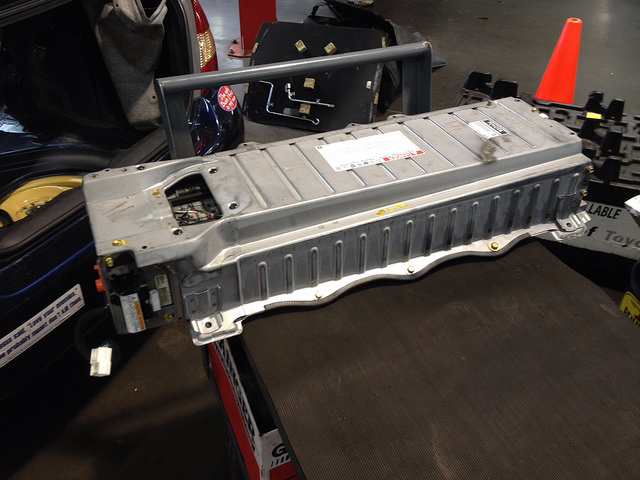
The Prius uses nickel-metal hydride (NiMH) or lithium-ion (Li-ion) batteries. Early models mostly used NiMH batteries. Newer models often have Li-ion batteries. NiMH batteries are durable and cost-effective. Li-ion batteries are lighter and offer better energy storage. Both types support hybrid driving with electric power and regeneration.
Battery Components And Design
The Prius battery pack contains many small cells. These cells connect in series and parallel. The design balances power, weight, and durability. It includes a cooling system to prevent overheating. The battery management system controls charging and discharging. This system protects the battery and extends its life.
Read More: Prius Hybrid Battery Vs Electric Vehicle Battery Life
Regular Car Battery Basics
Regular car batteries play a key role in starting your vehicle and powering electrical parts. They store energy and release it to help the engine turn on. Knowing the basics of these batteries helps compare them with Prius hybrid batteries. This section explains standard types and how these batteries work.
Standard Battery Types
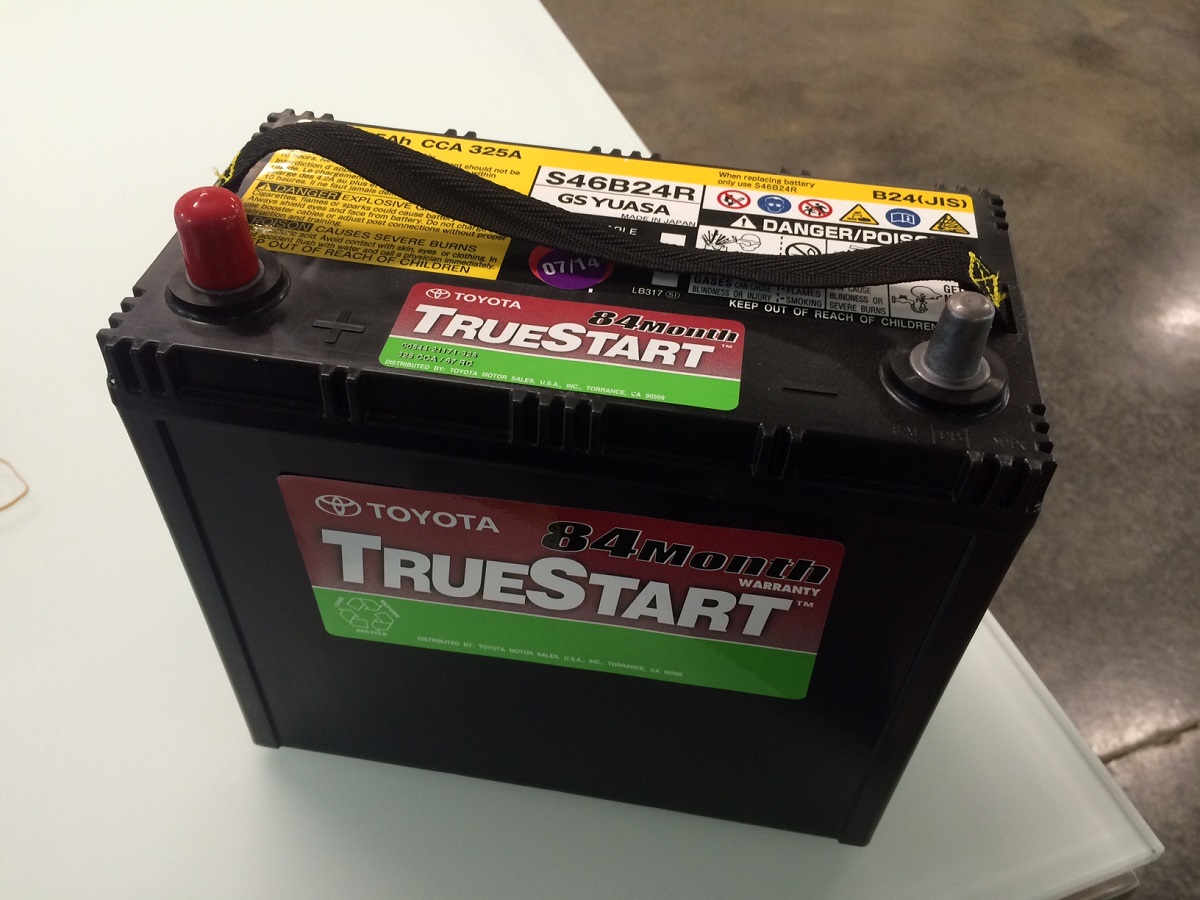
Most regular cars use lead-acid batteries. These come in two main types: flooded and sealed. Flooded batteries have liquid acid inside. They need maintenance, like topping up water. Sealed batteries do not need this. They are safer and last longer. Both types provide the power needed to start the engine.
Battery Construction And Function
A regular car battery has plates made from lead and lead oxide. These plates are placed in an acid solution. When the battery discharges, a chemical reaction creates electricity. This electricity powers the starter motor and lights. When the engine runs, the alternator recharges the battery. This cycle keeps the car running smoothly.
Battery Lifespan Factors
The lifespan of a Prius hybrid battery and a regular car battery depends on many factors. Understanding these factors helps to know why one battery lasts longer than the other. Each battery type reacts differently to use, environment, and care. Let’s explore the main factors that affect battery lifespan.
Usage Patterns
How you use your car affects battery life a lot. Frequent short trips can drain regular batteries faster. Hybrid batteries handle stop-and-go driving better. Long drives at steady speeds help both batteries last longer. Heavy electrical use, like running many devices, can reduce battery life.
Environmental Impact
Temperature plays a big role in battery health. Hot weather can damage both hybrid and regular batteries. Cold weather lowers battery power but does not always shorten life. Humidity and moisture can cause corrosion in battery connections. Parking in a garage can protect batteries from harsh weather.
Maintenance Practices
Good care extends battery life significantly. Regularly checking battery terminals prevents corrosion. Cleaning and tightening connections helps batteries work well. Avoiding deep discharges keeps hybrid batteries healthy. Using the right charger and following service schedules supports longer battery life.
Credit: carspecmn.com
Prius Hybrid Battery Lifespan
The Prius hybrid battery lifespan matters a lot for owners. It defines how long the car runs smoothly. This battery powers the electric motor and helps save fuel. Knowing its lifespan helps plan maintenance and costs. Prius batteries usually last longer than regular car batteries. Still, they wear out over time and need care.
Average Duration
The average Prius hybrid battery lasts 8 to 10 years. Some can go beyond 150,000 miles without problems. Driving habits and climate affect battery life. Cold weather may reduce how long it lasts. Regular check-ups help spot early issues and extend battery use.
Signs Of Wear
Look for warning lights on the dashboard. The car may lose power or accelerate slowly. You might hear strange noises from the battery area. Fuel efficiency can drop noticeably. These signs suggest the battery needs attention soon.
Replacement Costs
Replacing a Prius hybrid battery costs more than a regular one. Prices range from $2,000 to $4,000. Labor charges depend on the mechanic or dealer. Some owners buy refurbished batteries to save money. Regular care can delay replacement and lower costs.
Regular Battery Lifespan
The lifespan of a regular car battery plays a key role in vehicle reliability. Regular batteries power the vehicle’s electrical systems and start the engine. They usually need replacement more often than hybrid batteries. Understanding their lifespan helps with timely maintenance and avoids breakdowns.
Typical Lifespan Range
Regular car batteries generally last between 3 and 5 years. This depends on driving habits, climate, and battery quality. Hot weather can shorten battery life by causing fluid evaporation. Cold weather may reduce starting power but does not always damage the battery. Checking battery health yearly can prevent surprises.
Common Failure Indicators
Weak starts or slow engine cranking often signal battery problems. Dim headlights and flickering dashboard lights are also warning signs. Corrosion on battery terminals can cause poor electrical connection. Swelling or leaking battery cases indicate severe damage. Early detection can save time and money.
Replacement Expenses
Replacing a regular car battery usually costs between $50 and $150. Prices vary by battery type, brand, and vehicle model. Installation fees may add to the total cost. Some batteries come with warranties covering 2 to 3 years. Regular maintenance helps extend battery life and reduce expenses.
Credit: greenbeanbattery.com
Performance Differences
Performance differences between Prius hybrid batteries and regular car batteries shape driving experience. Each type has unique strengths that affect power, efficiency, and durability. Understanding these differences helps drivers make smart choices for their vehicles.
Power Delivery
Prius hybrid batteries deliver power smoothly and steadily. They support both electric motor and gasoline engine. This dual power source allows for quick acceleration without strain.
Regular batteries mainly provide power to start the engine. Their power output is short and intense. Once the car is running, they have less impact on overall power.
Energy Efficiency
Hybrid batteries store and reuse energy from braking. This process saves fuel and reduces emissions. They optimize energy use during city driving and stop-and-go traffic.
Regular batteries do not capture energy. They only supply power to start the engine and run accessories. This limits their role in energy savings.
Durability Under Stress
Prius hybrid batteries are built to handle frequent charging cycles. They last longer under constant use. Their design resists heat and heavy load better than regular batteries.
Regular batteries can wear out faster under high stress. Extreme temperatures and repeated starts reduce their lifespan. They need replacement more often in tough conditions.
You May Like This Article: Toyota Prius Head Gasket Failure Symptoms Gen 3
Cost Comparison Over Time
Comparing the costs of Prius hybrid batteries and regular car batteries over time reveals important differences. The initial price, ongoing maintenance, and total value all play roles. Understanding these factors helps buyers make smart choices for their vehicles.
Initial Purchase Price
Regular car batteries usually cost less upfront. Most cost between $50 and $150. Prius hybrid batteries are more expensive. They often range from $1,000 to $3,000. The higher price reflects advanced technology and larger battery size.
Long-term Maintenance
Regular batteries need replacing every 3 to 5 years. They require minimal maintenance. Prius hybrid batteries last longer, often over 8 years. They need less frequent replacement but may need occasional checks. Repair or replacement can be costly if problems arise.
Overall Value
Prius batteries cost more initially but last longer. This means fewer replacements and less waste. Regular batteries cost less at first but may add up over time. Prius batteries can save money in the long run despite the high price. Value depends on how long you keep your car and driving habits.
Environmental Considerations
Environmental considerations play a big role in choosing between a Prius hybrid battery and a regular car battery. Both have different impacts on nature during use and disposal. Understanding these impacts helps make better, eco-friendly choices. This section explains the key environmental factors linked to each battery type.
Recycling Processes
Prius hybrid batteries contain rare metals like lithium and nickel. These metals need special recycling methods. Recycling helps recover valuable materials and reduces waste. Regular batteries mainly use lead acid, which is easier to recycle. The recycling rate for lead acid batteries is very high worldwide. Hybrid battery recycling is growing but still less common.
Carbon Footprint
Hybrid batteries have a higher carbon footprint in production due to complex materials. Regular batteries have a smaller footprint because of simpler materials. Over time, hybrid batteries help cut emissions by improving fuel efficiency. Regular batteries do not affect fuel use or emissions during driving. Overall, hybrids reduce pollution but start with a bigger carbon cost.
Sustainability Factors
Hybrid batteries support sustainability by lowering fuel consumption and emissions. Their lifespan is longer, meaning fewer replacements and less waste. Regular batteries have a shorter life and need frequent replacement. This creates more waste and uses more resources. Sustainable battery use involves proper recycling and longer use to reduce environmental harm.
Tips To Extend Battery Life
Extending the life of your Prius hybrid battery or a regular battery saves money and hassle. Simple care habits help keep batteries strong longer. Small changes in daily use make a big difference. Follow these tips to protect your battery’s health.
Proper Charging Habits
Charge the battery regularly but avoid overcharging. Stop charging once it reaches full capacity. Use the charger made for your battery type. Avoid letting the battery run completely flat. Partial charges keep the battery healthier over time. Slow, steady charging is better than fast charging. This reduces heat and stress on the battery cells.
Temperature Management
Keep the battery away from extreme heat or cold. High temperatures cause the battery to wear out faster. Cold weather can reduce battery efficiency temporarily. Park the car in a shaded or covered spot. Use climate control inside the car to avoid battery strain. Avoid leaving the car in direct sunlight for hours. Temperature control helps maintain battery performance and lifespan.
Regular Inspections
Check the battery and connections often for damage or dirt. Clean the terminals gently to prevent corrosion. Look for swelling or leaks around the battery. Take your car for professional battery checks yearly. Early detection of problems can prevent costly repairs. Regular inspections keep the battery running smoothly and safely.
Conclusion
Prius hybrid batteries usually last longer than regular batteries. They have special designs to handle many charging cycles. Regular batteries wear out faster and need more replacements. Choosing the right battery depends on your car type and driving habits. Hybrid batteries may cost more but save money over time.
Understanding these differences helps you make smart decisions. Battery lifespan affects car performance and costs. Think about how long you want your car to run smoothly. This knowledge can guide you to better maintenance and care.
FAQs Of Prius Hybrid Battery Vs Regular Battery Lifespan
How Long Does A Prius Hybrid Battery Typically Last?
A Prius hybrid battery usually lasts between 8 to 10 years or 100,000 to 150,000 miles. Proper maintenance can extend its lifespan significantly.
What Is The Average Lifespan Of A Regular Car Battery?
A regular car battery typically lasts 3 to 5 years. Factors like climate, driving habits, and maintenance affect its durability.
How Does Prius Battery Lifespan Compare To Regular Batteries?
Prius hybrid batteries generally last longer than regular batteries due to advanced design and cooling systems. They are built for extended use and efficiency.
Can A Regular Battery Be Used In A Prius Hybrid?
No, regular batteries are not compatible with Prius hybrids. Prius batteries have unique technology designed for hybrid power systems.

Hello, I’m Norman. I work as a car researcher. I am the voice behind CaroraHub. I have over 15 years of experience. I give simple and useful car advice. I help with car care, cleaning, and small repairs. My goal is to help you keep your car healthy. I want car care to be easy and cheap for you. You can trust my tips to keep your car working well for a long time.