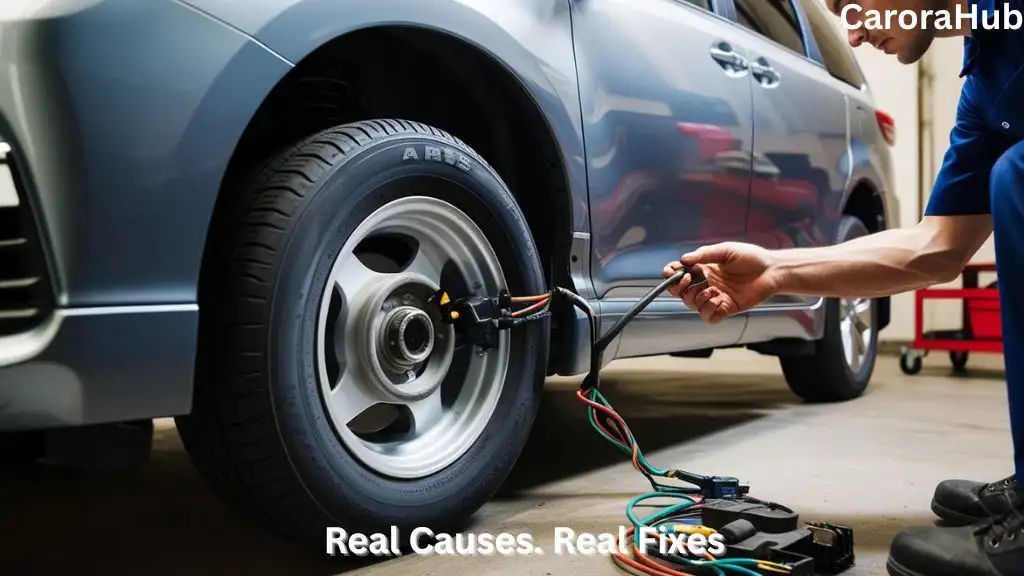
Is your Toyota Sienna’s ABS light suddenly glowing on your dashboard? You’re not alone, and it can be frustrating.
That little warning can signal several issues, some simple and others more serious. But don’t panic—understanding what causes the ABS light to come on and knowing how to fix it can save you time, money, and stress. You’ll discover the common reasons behind the ABS light in your Toyota Sienna and practical steps you can take to get it back to normal.
Keep reading—you’re just a few minutes away from regaining control and peace of mind on the road.
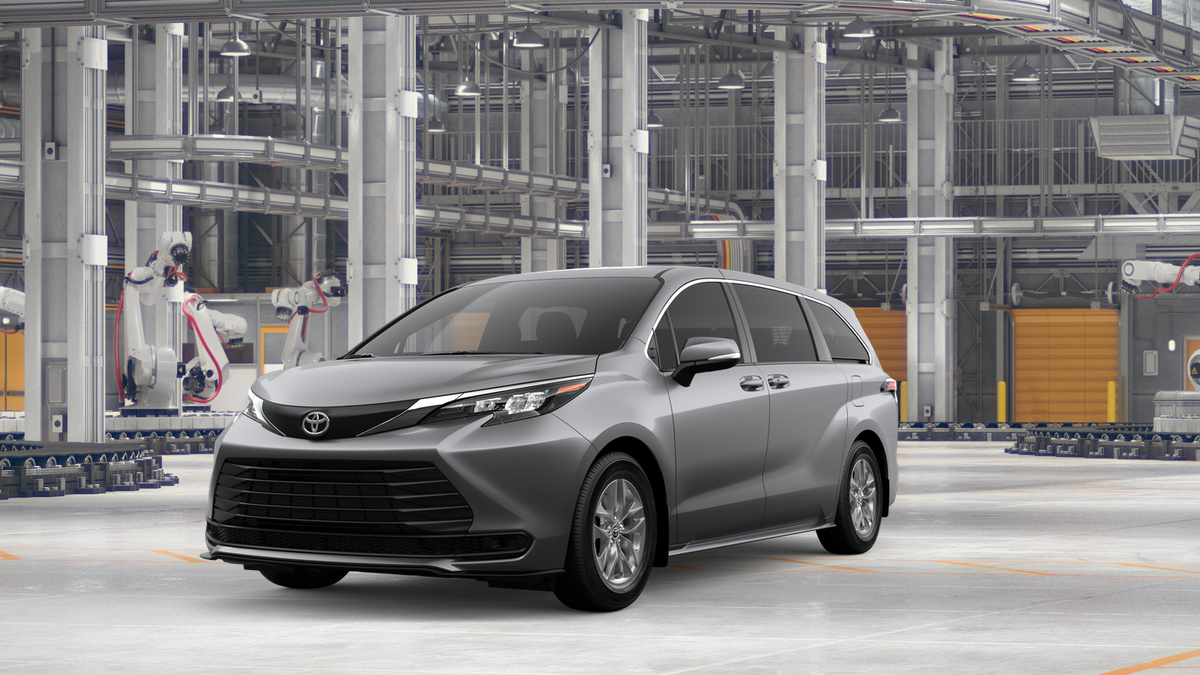
Credit: www.rochestertoyota.net
Common Causes Of Abs Light
The ABS light on your Toyota Sienna dashboard warns of problems in the anti-lock braking system. This system helps keep control during hard braking. Understanding common causes of ABS light helps you fix issues quickly and safely.
Many factors can trigger the ABS light. Some are simple to check. Others need professional help. Knowing these causes saves time and money.
Faulty Wheel Speed Sensors
Wheel speed sensors track each wheel’s speed. The ABS uses this data to prevent wheel lockup. Dirt, damage, or wear can cause sensor failure. A faulty sensor sends wrong signals, lighting up the ABS warning.
Low Brake Fluid Levels
Brake fluid is vital for braking power. Low fluid can cause ABS light activation. Leaks or worn brake pads often lower fluid levels. Checking and refilling brake fluid often solves this issue.
Damaged Abs Module
The ABS module controls the anti-lock system. Electrical problems or water damage can affect it. A damaged module may cause the ABS light to stay on. Repair or replacement is usually necessary.
Blown Abs Fuse
Fuses protect the ABS circuit from electrical surges. A blown fuse stops the system from working. This triggers the ABS light on the dashboard. Replacing the fuse can restore function quickly.
Worn Brake Pads Or Rotors
Brake pads and rotors wear down over time. Excessive wear affects ABS performance. Sensors may detect this as a system fault. Changing pads or rotors often clears the ABS warning.

Credit: www.youtube.com
Diagnosing Abs Light Issues
The ABS light on a Toyota Sienna signals a problem with the anti-lock braking system. Diagnosing this issue early helps keep the brakes working well. It also prevents costly repairs later. This section explains simple steps to find the cause of the ABS light.
Using An OBD-II Scanner
An OBD-II scanner reads error codes from your car’s computer. These codes show what triggers the ABS light. Plug the scanner into the port under the dashboard. Turn on the ignition without starting the engine. The scanner displays codes that guide the repair process. Clear the codes after fixing the issue to check if the light goes off.
Visual Inspection Tips
Look at the brake system parts for obvious damage. Check brake lines for cracks or leaks. Inspect the ABS wiring and connectors for loose or broken parts. Dirt or corrosion can cause poor connections. Clean these areas gently with a cloth. A simple visual check often finds the problem quickly.
Checking Brake Fluid
Low brake fluid can cause the ABS light to turn on. Open the hood and find the brake fluid reservoir. The fluid level should be between the minimum and maximum marks. If it is low, add the correct brake fluid type. Avoid overfilling, as this can cause other problems. Regularly check fluid levels to keep the system safe.
Testing Wheel Sensors
Wheel sensors monitor the speed of each wheel. Faulty sensors trigger the ABS warning light. Clean the sensor and its surrounding area first. Use a multimeter to test the sensor’s electrical resistance. Compare the reading with the manufacturer’s specifications. Replace sensors that show abnormal readings or visible damage.
This Article May Help You More: Toyota Sienna Running Boards Installation Guide
Quick Fixes For Abs Light
The ABS light on a Toyota Sienna can cause worry. It signals a problem with the anti-lock braking system. Quick fixes can help you avoid costly repairs. Some issues are simple and easy to solve at home. These fixes restore safety and get the light off fast.
Resetting The Abs Light
Start by resetting the ABS light. This clears errors in the system. Disconnect the car battery for 15 minutes. Reconnect the battery and start the car. The light may turn off if the fault is gone. This method works after small glitches or sensor resets.
Replacing Faulty Sensors
ABS sensors monitor wheel speed. Dirt or damage can cause sensor failure. Inspect sensors near each wheel for dirt or breaks. Clean or replace damaged sensors promptly. New sensors restore proper signal to the ABS system. This fix often clears the ABS warning light.
Refilling Brake Fluid
Brake fluid keeps the system working well. Low fluid levels trigger the ABS light. Check the brake fluid reservoir under the hood. Add the correct brake fluid until it reaches the fill line. Avoid overfilling to prevent leaks. This simple step often fixes the warning light.
Changing The Abs Fuse
The ABS fuse protects the system from power surges. A blown fuse stops the ABS from working. Locate the fuse box and find the ABS fuse. Replace the old fuse with one of the same rating. A new fuse restores power and may turn off the ABS light.
When To Seek Professional Help
Knowing when to seek professional help for your Toyota Sienna’s ABS light is crucial. Some issues need expert attention to keep your vehicle safe and reliable. Ignoring serious problems can lead to bigger, costly repairs.
Persistent Abs Light
If the ABS light stays on even after you try basic fixes, it signals a deeper issue. Continuous warning means the system is not working properly. A professional mechanic can diagnose the exact cause. This prevents unsafe driving conditions and further damage.
Complex Electrical Problems
The ABS system relies on sensors and wiring to function. Faulty electrical parts can cause the light to activate. These problems are tricky and need special tools to find. Experts have the skills to test and fix electrical faults safely and correctly.
Brake System Safety Concerns
ABS affects your car’s braking performance. If brakes feel weak, uneven, or strange noises occur, stop driving. These signs suggest serious brake issues. A certified technician will inspect all brake parts and ensure your Sienna stops safely every time.
Preventive Maintenance Tips
Keeping your Toyota Sienna’s ABS light off requires regular care. Small steps help avoid big problems. Preventive maintenance ensures the braking system works well and safely. Follow these tips to keep your ABS system in good shape.
Regular Brake Inspections
Check your brakes often. Look for worn pads and damaged rotors. Clean brake parts to remove dirt and rust. Early detection stops bigger damage. Make inspections part of your routine car care.
Keeping Fluid Levels Optimal
Brake fluid is key to ABS function. Check the brake fluid level regularly. Use the right type of fluid as stated in your manual. Low fluid causes ABS warning lights. Fill or change fluid to keep the system ready.
Timely Sensor Replacement
ABS sensors send signals to your car’s computer. Faulty sensors trigger the ABS light. Replace sensors showing wear or damage quickly. Use quality parts for better performance. Timely changes keep the ABS system alert and effective.
Frequently Asked Questions
What Causes The Abs Light To Turn On In Toyota Sienna?
The ABS light usually turns on due to faulty wheel speed sensors, low brake fluid, or a damaged ABS module. These issues disrupt the anti-lock braking system, triggering the warning light on your Toyota Sienna’s dashboard.
How Can I Fix The Abs Light Issue In My Sienna?
Start by checking the brake fluid level and topping it off if low. Next, inspect wheel speed sensors for dirt or damage. If problems persist, professional diagnostics and repair of the ABS module may be necessary.
Is It Safe To Drive With The Abs Light On?
Driving with the ABS light on means the anti-lock brake system is disabled. Your brakes still work but without ABS protection. It’s safer to have the system checked promptly to avoid reduced braking performance in emergencies.
Can A Dead Battery Cause Abs Light Problems In Toyota Sienna?
Yes, a weak or dead battery can cause electrical issues that trigger the ABS warning light. Ensuring your battery is fully charged and functioning properly can help resolve or prevent ABS light problems.
Bottom Line
The ABS light on your Toyota Sienna signals an important safety issue. Ignoring it can lead to unsafe driving conditions. Check common causes like sensor problems or low brake fluid. Simple fixes often solve the problem quickly. Still, some issues need a professional mechanic’s help.
Regular maintenance keeps your brakes working well. Stay alert and address the ABS light soon. This keeps your vehicle safe for every trip. Don’t wait until the problem gets worse. Take action and drive with confidence.

Hello, I’m Norman. I work as a car researcher. I am the voice behind CaroraHub. I have over 15 years of experience. I give simple and useful car advice. I help with car care, cleaning, and small repairs. My goal is to help you keep your car healthy. I want car care to be easy and cheap for you. You can trust my tips to keep your car working well for a long time.