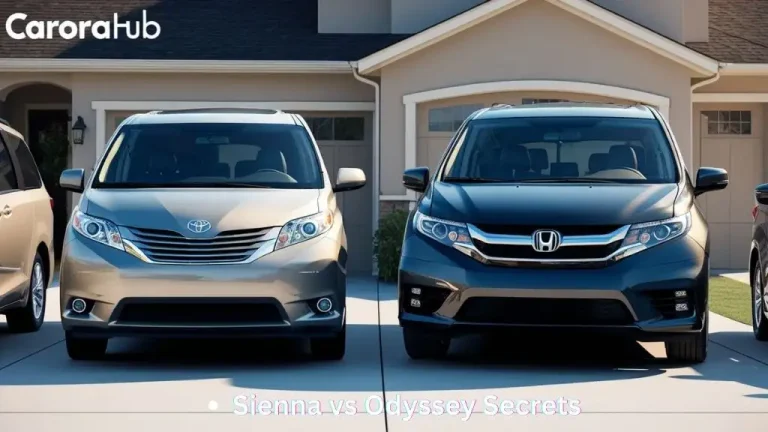
When it comes to choosing a family vehicle, fuel economy can make a big difference in your budget and daily routine. If you’re torn between the Toyota Sienna and the Highlander Hybrid, you’re probably wondering which one will save you more at the pump.
Both offer hybrid technology, but how do they really compare when it comes to fuel efficiency? You’ll discover the key differences that affect your savings and driving experience. Keep reading to find out which Toyota model fits your needs and helps you get the most miles per gallon.
Toyota Sienna Hybrid Fuel Economy
I’ve spent time behind the wheel of the Toyota Sienna Hybrid and watched how it behaves in real family use. The Sienna stands out for bringing minivan space and utility while keeping fuel costs low. It’s a hybrid minivan built around everyday practicality. That focus shows in its mileage, cabin comfort, and how the hybrid system is tuned to help city drivers the most.
City And Highway Mileage
The Sienna Hybrid returns strong numbers for a vehicle of its size. EPA-rated combined figures sit around 36 mpg. In real life I usually see the Sienna achieve roughly the same in city and highway driving when driven gently. That consistency makes trip planning easier. It also means fewer gas stops for a full family on a weekend trip.
Fuel Efficiency Technology
The Sienna uses a full hybrid system that blends a gasoline engine with electric motors. Regenerative braking captures kinetic energy during stops. The system can run the wheels on electric power alone at low speeds. An automatic start-stop feature helps eliminate idle fuel burn in traffic. Together, these systems cut fuel use and lower tailpipe emissions.
Real-world Performance
On short errands and school runs, the Sienna shines. It uses electric power often in stop-and-go conditions. That reduces fuel consumption and feels quiet inside. On the highway the Sienna is smooth, though its larger size and weight can mean slightly higher fuel use than a smaller hybrid SUV. For families who spend most driving time in town, the Sienna’s real-world fuel savings are very noticeable.

Credit: agirlsguidetocars.com
Highlander Hybrid Fuel Economy
The Highlander Hybrid targets drivers who want SUV utility with hybrid efficiency. It blends a gasoline engine and electric motors in a package that tends to be lighter and sleeker than the Sienna. That helps its fuel economy, especially on open roads and long trips.
City And Highway Mileage
The EPA ratings for the Highlander Hybrid are competitive. You’ll typically see EPA figures around 36 mpg city and about 35 mpg highway, with combined ratings in the mid-30s. In traffic the Highlander relies on electric assist to reduce fuel use. On highways its lighter curb weight helps it stay efficient at steady speeds.
Fuel Efficiency Technology
Toyota’s Hybrid Synergy Drive is the core of the Highlander Hybrid. It coordinates the gasoline engine and electric motors to match demand. Regenerative braking and smart energy management recharge the battery without plugging in. The system switches seamlessly between electric, hybrid, and gas-only modes to keep fuel use low.
Real-world Performance
In daily use the Highlander Hybrid is quiet and efficient. Drivers I’ve spoken with often report mileage near EPA numbers when they drive smoothly. It balances power and economy well on long highway runs. Compared with non-hybrid SUVs, fuel stops are less frequent and overall fuel cost per mile drops noticeably.
Read More: How to Improve Fuel Economy in Toyota Sienna
Comparing Fuel Economy
Deciding between the Sienna Hybrid and the Highlander Hybrid often comes down to how you drive. Both use hybrid systems to cut fuel use. But their shapes, weights, and tuning create different strengths.
Epa Ratings Comparison
EPA combined ratings place both models in the mid-30s mpg range. The Sienna often shows around 36 mpg combined. The Highlander Hybrid typically ranges 36–37 mpg combined depending on trim and drivetrain. These numbers make both strong choices among hybrid family vehicles.
Driving Conditions Impact
Hybrids shine in city traffic. Frequent stops let the electric system do more work. Both the Sienna and Highlander use electric power more in urban driving. On highways, steady high speeds shift the load back to the gasoline engine. Weather, road grade, and speed influence real-world mpg. Cold weather and heavy roof loads will lower fuel economy for both cars.
Fuel Savings Over Time
Small mpg differences add up. Over years of driving, paying attention to fuel economy matters. If you drive mostly around town, the Sienna’s hybrid tuning and ability to run more on electric power can save more fuel. If you drive long distances regularly, the Highlander’s lighter build and better highway efficiency may cost you less overall.
Credit: www.motorbiscuit.com
Factors Affecting Fuel Efficiency
Fuel economy depends on several clear factors. Understanding them helps you choose the best vehicle and improve real mpg. I will explain the most important ones and offer tips you can use today.
Vehicle Weight And Size
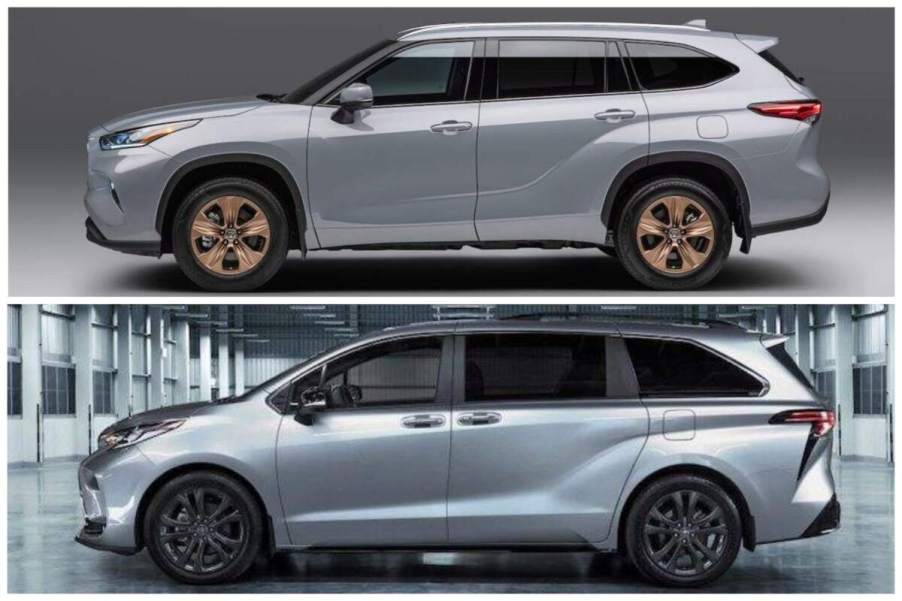
Heavier vehicles need more energy to move. The Sienna is larger and heavier than the Highlander Hybrid. That extra mass increases fuel use during acceleration and on hills. The Highlander’s smaller frontal area and lower weight help it consume less fuel at highway speeds. Load matters too: a full cabin and cargo make any vehicle work harder.
Driving Habits
How you drive changes fuel use a lot. Rapid acceleration and hard braking waste fuel. Smooth, steady driving helps the hybrid system keep the gas engine off more often. Using cruise control on highways can help. Short trips with frequent stops reduce average mpg because the engine and catalytic converter have less time to reach efficient temperature.
Maintenance And Upkeep
Regular maintenance preserves fuel economy. Clean air filters and fresh spark plugs help the engine burn fuel efficiently. Proper tire pressure lowers rolling resistance. Timely oil changes and keeping the hybrid battery and cooling systems in good condition matter. Neglecting maintenance increases fuel consumption and can shorten hybrid component life.
Hybrid Drivetrain and Trim Differences
Trim levels and drivetrain options also affect mpg. AWD models usually return lower mpg than FWD versions because of added weight and drivetrain losses. Higher trims may include larger wheels, roof rails, or heavier features that reduce fuel economy. Compare trims carefully if fuel efficiency is a priority.
Which Model Saves More Fuel?
Answering which model saves more fuel depends on how you drive. I’ll break it down by use case. That should make the choice clearer for your situation.
Best Choice For City Driving
For city driving and frequent short trips, the Sienna often comes out ahead. Its hybrid system is tuned to use electric power at low speeds. I’ve seen the Sienna spend more time in EV-like modes around town. If your daily routine includes lots of stop-and-go, school runs, and errands, the Sienna’s fuel economy advantage shows up in real dollars.
Best Choice For Long Trips
The Highlander Hybrid is often better for steady highway driving. Its lighter overall mass and aerodynamic shape give it an edge on long trips. If you regularly drive long distances or commute on highways, the Highlander can be the more economical pick over time.
Cost-benefit Analysis
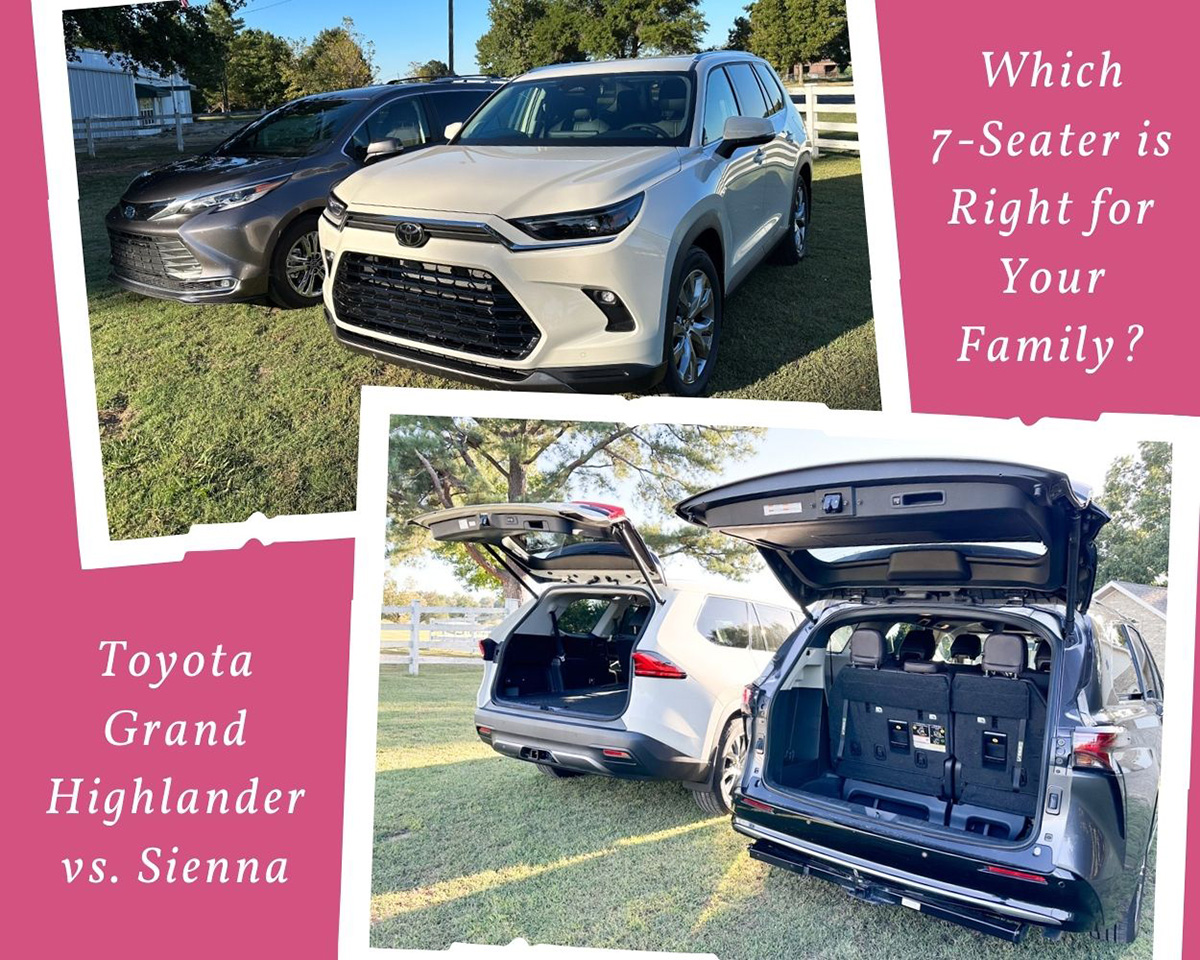
Think of fuel economy as one part of ownership cost. Purchase price, insurance, maintenance, and depreciation also matter. The Sienna often has a higher starting price but gives more space and city mpg. The Highlander usually has a slightly lower base price and better highway efficiency. Your total savings depend on mileage patterns. City-focused drivers will likely pay off the Sienna’s advantages faster. Highway drivers will see more savings with the Highlander.
Real-World Fuel Cost Example
Here is a simple example to make it concrete. Assume 15,000 miles per year and fuel priced at $3.50 per gallon. If the Sienna averages 36 mpg and the Highlander averages 37 mpg, fuel cost looks like this:
- Sienna: 15,000 / 36 = 417 gallons × $3.50 = $1,459.50 per year
- Highlander: 15,000 / 37 = 405 gallons × $3.50 = $1,417.50 per year
Difference: about $42 per year in fuel alone. Small mpg gaps are real but modest. Your savings change if fuel prices rise, or if your driving mix shifts toward city or highway use.
Credit: agirlsguidetocars.com
Frequently Asked Questions
Which Vehicle Has Better Fuel Economy: Sienna Or Highlander Hybrid?
The Toyota Sienna offers an EPA-estimated 36 MPG combined, while the Highlander Hybrid achieves about 36 MPG combined. Both have excellent fuel economy. The Sienna leans toward city-focused efficiency for families. The Highlander leans toward balanced, highway-friendly economy for SUV buyers.
How Do Sienna And Highlander Hybrid Compare In City Mpg?
The Sienna delivers around 36 MPG in the city, matching the Highlander Hybrid’s city rating in many trims. Both take advantage of electric drive in stop-and-go traffic. Your actual city mpg will vary with driving style and load.
What Is The Highway Fuel Economy Difference Between These Models?
On the highway, the Sienna and Highlander Hybrid both average approximately 36 MPG in many configurations. The Highlander often holds a slight edge at steady high speeds due to lower weight and better aerodynamics in some trims.
Are Fuel Economy Ratings Similar Across Sienna And Highlander Hybrid Trims?
Yes, fuel economy remains consistent across most trims of both vehicles because they share standardized hybrid powertrains. Expect small variations for AWD, larger wheels, or heavier trim packages.
Bottom Line
Both the Toyota Sienna and Highlander Hybrid offer solid fuel savings compared with non-hybrid alternatives. The Sienna is ideal if you need more space and spend most time in city driving. The Highlander Hybrid is a better fit for smaller families or drivers who do more highway miles.
Choose based on your daily routes and priorities. If you haul kids and gear around town, the Sienna’s city-focused hybrid tuning will save you fuel and time. If you commute long distances or prefer SUV style with good mpg, the Highlander Hybrid will likely cost less to run. Either option gives reliable Toyota hybrid tech, good mpg, and lower emissions compared with traditional gas vehicles. You can’t go wrong—just pick the one that matches your driving life and space needs.

Hello, I’m Norman. I work as a car researcher. I am the voice behind CaroraHub. I have over 15 years of experience. I give simple and useful car advice. I help with car care, cleaning, and small repairs. My goal is to help you keep your car healthy. I want car care to be easy and cheap for you. You can trust my tips to keep your car working well for a long time.