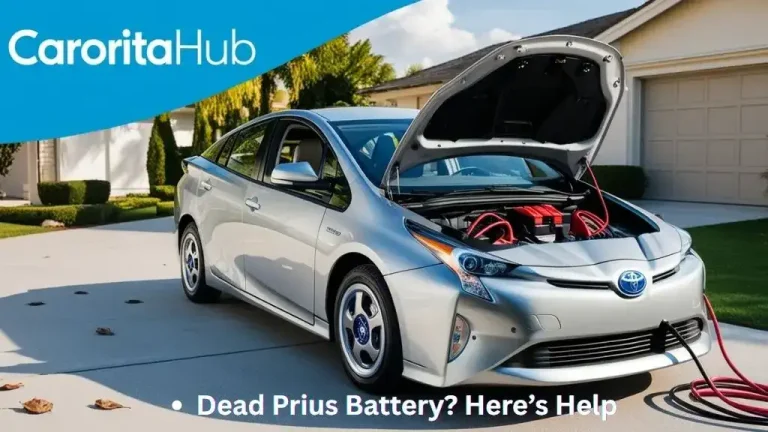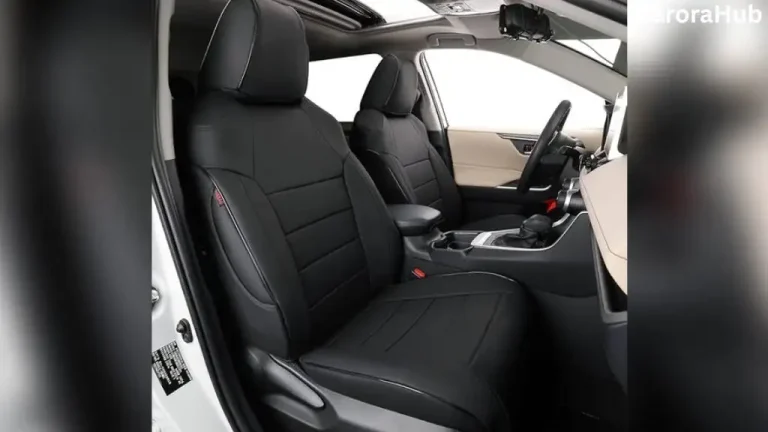
If you love camping but prefer to stay comfortable and minimize your footprint, the Toyota Prius can be an excellent travel partner. Picture converting your Prius into a tidy, livable space where you can sleep, cook small meals, charge devices, and rest—no matter where you park.
I’ve spent many nights car-camping in a Prius. Over time I learned simple, practical ways to set it up so trips feel easier and more relaxed. Below I share what works: gear, layout tips, battery management, safety, and site etiquette. Read on to unlock your Prius’s camping potential and make it your reliable road companion.
Prius Camping Essentials
Camping in a Toyota Prius blends efficient driving with a surprisingly capable car-camping setup. The key is planning for the Prius’s size and hybrid systems. Pack smart, set up thoughtfully, and you’ll be comfortable on short trips or weekend escapes.
Below I cover how to pick the right Prius model, what gear to bring, and how to pack so you get the most from your vehicle.
Choosing The Right Prius Model
Which Prius you choose affects space, traction, and electric range. Here’s what I consider when selecting a model:
- Prius Prime: Best if you want extra electric-only range for quieter camping and less engine use. Good for short, urban-to-camp runs.
- Prius AWD-e: Adds traction for rough or wet roads. Useful if you plan to reach remote trailheads in wet seasons.
- Standard Prius (Liftback): Lighter and fuel-efficient. Often the easiest to pack for regular car-camping and long highway drives.
Space matters. If you plan to sleep inside, check seat fold flat dimensions and cargo volume. I measure my mattress or pad against the folded-seat area before a trip to avoid surprises.
Essential Camping Gear
Bring compact, multi-use items. Over the years I’ve pared my kit down to what I actually use. This list keeps weight and clutter low while covering comfort and safety:
- Sleeping pad or inflatable mattress sized to fit the Prius cargo area.
- Warm sleeping bag rated for expected temperatures. Layering blankets help.
- Small camp stove, a lightweight pot, and basic utensils.
- Soft cooler (or small 12V fridge) for perishable food.
- Flashlight or headlamp + spare batteries.
- Power bank and/or portable power station for charging phones and small appliances.
- Basic first-aid kit, multi-tool, and fire extinguisher (compact).
- Window covers, blackout curtains, or reflective sunshades for privacy and insulation.
Tip: Choose gear that packs flat or compresses into soft bags. Soft luggage lets you squeeze gear into odd spaces in the Prius more easily than hard cases.
Packing Tips For Efficiency
Good packing saves time and stress at camp. I use a few simple rules:
- Group items by use frequency: daily use at the top, rarely-used at the bottom.
- Put heavy items low and near the center of the car for better balance and handling.
- Use soft duffels and compression sacks to shape-pack around wheel wells and seat bases.
- Keep a “camping essentials” bag with your stove, utensils, headlamp, and first aid so you can access it quickly.
- Roll clothes to save space and prevent wrinkles.
Small containers for toiletries and food keep the cabin tidy and reduce search time at night.

Credit: www.youtube.com
Setting Up For Sleep
Turning a Prius into a comfortable sleeping space is mainly about creating a flat, insulated surface, good privacy, and airflow. I’ll show how I set mine up quickly each night.
Creating A Flat Sleeping Surface
Step-by-step I fold seats and prepare the platform:
- Fold the rear seats forward into the cargo area. Clear loose items first.
- If the folded seats leave gaps or dips, lay a sheet of plywood or a rigid board across them to even the surface. I use a lightweight 1/4″ plywood cut to fit—easy to store behind the passenger seat.
- Place your sleeping pad or mattress on top and tuck small items under the board to save space.
A flat surface prevents rolling and keeps your sleep comfortable. Test your layout at home so you can do it quickly at camp.
Best Sleeping Pads And Mattresses
My pick depends on trip length and comfort needs:
- Closed-cell foam pads: Cheap, durable, and insulating. Great for cold ground.
- Self-inflating pads: Balance comfort and pack size. Easy to use and repairable.
- Inflatable mattresses: Most comfortable but need care to avoid punctures. Pick a low-profile mattress that fits the Prius width and keeps headroom manageable.
Measure the cargo width and length before buying. When I started, I accidentally bought a mattress that was too wide for my seat gap—don’t repeat my mistake.
Privacy Solutions For Windows
Privacy and insulation go hand-in-hand. Here are privacy solutions I use and recommend:
- Reflective sunshades for windshield and side windows to block light and sun heat.
- Magnetic or suction-cup blackout curtains made to fit Toyota windows.
- DIY blackout panels cut from reflectix or blackout fabric—cheap and effective.
Cover all windows for a sense of safety and to improve insulation. I keep a small roll of velcro or magnetic tape in my kit to secure DIY panels quickly.
This Guide May Help You More: How to Maintain a Toyota Prius Hybrid Battery
Using Habitable Mode
“Habitable mode” is a practical way to power interior electronics and the climate system while parked. I use it to stay comfortable at night without running the engine nonstop.
Activating Habitable Mode
Here’s a simple process I follow to enable accessories safely:
- Park on level ground and shift to Park.
- Turn the car off, then press the power button once so accessories come on without starting the engine (this varies slightly by model year—check your owner’s manual).
- Use the climate controls and 12V outlets as needed. Avoid heavy loads that can quickly drain the 12V battery.
Using this mode keeps things quiet and fume-free. Still, I monitor battery state and limit run time for high-draw devices.
Battery Management And Power Use
The Prius has a high-voltage hybrid battery and a separate 12-volt accessory battery. In habitable mode, most 12V systems draw from the 12V battery. My habits for reliable power:
- Limit high-draw appliances (hair dryers, large fridges). These can kill the 12V battery fast.
- Carry a portable power station (or a quality power bank) for charging phones, lights, and small devices.
- If the 12V gets low, start the engine briefly to allow the hybrid system to recharge it. A 5–10 minute run usually puts enough charge back in for a few more hours.
- Consider a low-current 12V to USB-C adapter for efficient phone charging.
Monitoring: I use a small voltmeter or the Prius multi-information display to watch battery voltage. That helps me avoid surprise dead batteries.
Climate Control While Camping
Climate control in habitable mode can run but it uses battery power. My tips for staying comfortable:
- Use the fan or AC intermittently to conserve power—set a timer or run in short bursts.
- For cold nights, combine the heater with warm clothing and insulated window covers.
- For hot weather, park in shade, use reflective sunshades, and run the AC for short intervals before sleeping.
- Open a window slightly for fresh air while minimizing heat loss. Use mesh screens to keep bugs out.
Smart layering, insulation, and short AC bursts let you sleep comfortably without excessive battery drain.
Maximizing Space
Making the most of every inch in a Prius is crucial. I focus on organization, rooftop options, and choosing portable furniture that folds small.
Organizing Storage Inside The Prius
Use the Prius’s nooks and pockets. Here’s how I organize:
- Door pockets and seatback organizers for small items like chargers, snacks, and maps.
- Under-seat and footwell storage for shoes and soft bags.
- Plastic bins or packing cubes to keep kitchen, clothing, and sleeping gear separated and labeled.
- Secure heavy or loose items with cargo nets or straps to prevent movement while driving.
Labels speed morning pack-up. I keep a dedicated “camp kitchen” bag that I can grab in one go.
Utilizing Roof Racks And Cargo Boxes
Roof racks add valuable volume if you need bulk gear. My tips:
- Carry tents, chairs, or bulky sleeping pads on the roof. Use a lightweight cargo box for protection from weather.
- Secure everything with cam straps and a rear strap where possible to limit lift and noise.
- Remember roof loads affect fuel economy, so keep roof packing minimal for longer trips.
Roof storage frees interior space for a better sleep setup.
Portable Furniture And Accessories
Choose compact, foldable furniture. My go-to items:
- Small folding table that fits between the front seats when packed.
- Ultralight folding chairs that collapse to small bundles.
- Inflatable or packable pillows and compact lanterns for interior light.
- Multi-use gear such as a cook pot that doubles as a wash basin.
Every piece should earn its place by serving multiple purposes or packing very small.
Safety And Comfort
Safety and comfort are the core of any car-camping plan. I prioritize airflow, temperature control, and emergency readiness.
Ventilation Tips For Fresh Air
Fresh air prevents stuffiness and moisture buildup. Use these methods:
- Crack windows slightly—use rain guards if needed to keep water out.
- Install magnetic or Velcro bug screens on windows to enjoy airflow without insects.
- Small battery fans increase circulation and reduce condensation inside the cabin.
Proper ventilation also reduces carbon dioxide buildup and keeps the sleeping environment healthier.
Maintaining Temperature Control
Temperature management is mostly low-tech:
- Reflective sunshades block daytime heat.
- Insulated window covers and warm bedding trap heat in cold weather.
- Dress in layers so you can adjust quickly to temperature changes overnight.
- Park in shade on hot days and in sheltered areas on windy, cold nights.
I also carry a small, certified portable heater for emergencies—but I use it with caution and never while sleeping unattended.
Emergency_Preparedness
Have a plan and supplies for emergencies. My checklist includes:
- First-aid kit and basic meds.
- Reliable flashlight or headlamp with spare batteries.
- Charged phone and a power bank or portable power station.
- Water and non-perishable snacks within reach.
- Knowledge of quick exit routes and local emergency contacts.
Before each trip I test my emergency gear and tell a friend or family member my rough route and expected return.

Credit: rosipov.com
Campground Compatibility
Not all campgrounds allow sleeping in vehicles, and some have rules about where and how. I always check site rules before I go. That avoids surprises and keeps camping legal and respectful.
Below are legal tips, how to find suitable sites, and how to be a considerate guest.
Legal Considerations For Car Camping
Local laws and park rules vary. Keep these points in mind:
- Some parks allow vehicle camping only in designated areas or campsites.
- Overnight parking on city streets or in non-designated areas may be restricted or illegal.
- Some national or state parks require permits or fees for overnight stays.
Check official park websites or call rangers if you’re unsure. That’s saved me a fine and a late-night relocation once.
Finding Prius-friendly Campsites
How I find spots that are friendly to small cars and vehicle camping:
- Search campground websites for “car camping,” “vehicle sites,” or “walk-in tent sites.”
- Use camping apps and forums—filter by reviews that mention sleeping in cars.
- Look for sites with flat parking pads and easy access to restrooms and water.
Choose quiet, level sites to set up the habitable mode safely and comfortably.
Respecting Nature And Campground Rules
Leave no trace and respect wildlife and fellow campers. My rules of thumb:
- Keep noise low, especially at night.
- Pack out all trash and follow local fire rules.
- Store food properly to avoid attracting animals.
Being considerate helps keep sites open for car campers like us in the long run.
Additional Tech And Gadgets
Adding a few smart gadgets makes Prius camping easier. I focus on reliable power, solar options, and good lighting.
Portable Power Stations
Portable power stations are a game-changer. I carry a compact unit with AC, 12V, and USB outputs. Use cases:
- Charge phones, run small coolers, or power laptops for a few hours.
- Power CPAP machines if you need one—confirm wattage and run-time before heading out.
- Recharge from the Prius via a DC-to-AC inverter if necessary (check compatibility and safety first).
Choose a reputable station sized for your needs. A 300–600Wh model suits many weekend trips; larger units help on extended stays.
Solar Panels For Extended Trips
Solar panels are helpful for multi-day trips away from hookups. I use a foldable panel to trickle-charge a power station during the day. Tips:
- Match panel output to your power station input limits.
- Place panels in full sun and angle them toward the midday sun for best output.
- Keep panels clean and shaded-free for maximum efficiency.
Solar reduces the need to run your engine just to recharge batteries. It’s a quiet, eco-friendly option for extended off-grid camping.
Lighting And Entertainment Options
Good lighting and small entertainment gear make camp nights pleasant:
- LED lanterns and string lights for ambient interior light.
- Battery-powered lamps with USB recharge keep power draw low.
- Portable speakers and a tablet for music or movies—use quiet hours and respect others.
Keep entertainment simple. I prefer playlists or an offline movie downloaded to my tablet to avoid streaming delays and high power usage.
Final Verdict
The Toyota Prius makes a smart, efficient base for simple car camping. Its habitable mode and compact layout suit short trips and weekend escapes. With a few thoughtful upgrades—mattress, window covers, and a small power station—you can sleep comfortably and keep devices charged without a lot of fuss.
I’ve found the Prius is ideal if you want low-cost travel, a small environmental footprint, and the freedom to park and rest almost anywhere that allows vehicle camping. Try a few setups and gear combinations to see what fits your style. You’ll find a balance between comfort and minimalism that works for you.
FAQs Of Toyota Prius Camping Setup And Habitable Mode
What Is Toyota Prius Habitable Mode?
Habitable mode lets you use interior accessories (lights, outlets, and climate controls) while the car is parked without the engine running continuously. It provides a quieter, fume-free way to rest in the vehicle. Exact behavior and power draw vary by Prius model year and equipment, so check your owner’s manual for specifics.
How To Set Up Camping In A Toyota Prius?
Fold the rear seats down to build a flat area. Use a mattress or sleeping pad sized for the cargo area. Install window covers or sunshades for privacy and insulation. Pack essentials in labeled bins and keep a small “camping essentials” bag for quick access. Test your setup at home to speed up camp setup and breakdown.
Can Toyota Prius Run Ac In Habitable Mode?
Yes, the Prius can run climate control while parked in habitable mode, but it draws from the vehicle’s batteries. Running AC or heat for long periods can deplete the 12V battery, so use climate control sparingly and monitor battery voltage. Bringing a portable power station helps reduce reliance on the car’s battery for long stays.
How Long Can You Stay In Prius Habitable Mode?
Stays of several hours are common, but long overnight stays depend on how much you run climate control and electronics. If you draw a lot of power, you should start the engine occasionally to recharge the 12V battery. For extended off-grid stays, combine a portable power station and solar charging to lengthen your time without running the engine.
Does Prius Habitable Mode Affect Fuel Efficiency?
Using habitable mode can affect fuel use if you need to run the engine more often to recharge batteries. However, the Prius remains fuel-efficient compared to many larger campers or SUVs. Careful power management, portable power stations, and solar can minimize extra fuel use.
Is Toyota Prius Good For Winter Camping?
Prius can work for winter camping with preparation. Use insulated window covers, warm sleeping bags, and layers of clothing. Cold weather reduces battery efficiency, so be mindful of battery limits and have a plan to recharge (short engine runs or a portable power option). I also recommend choosing sheltered sites and checking weather forecasts before heading out.

Hello, I’m Norman. I work as a car researcher. I am the voice behind CaroraHub. I have over 15 years of experience. I give simple and useful car advice. I help with car care, cleaning, and small repairs. My goal is to help you keep your car healthy. I want car care to be easy and cheap for you. You can trust my tips to keep your car working well for a long time.