Don’t let a mystery clicking sound turn into total brake failure. I’ve seen Prius owners ignore small signs, then face expensive repairs and unsafe drives. Spotting Toyota Prius brake actuator failure signs early gives you the edge. You can source parts, book service, and avoid being stranded.
Ignoring a failing brake actuator risks your safety and can lead to larger repair bills. In this guide I’ll walk you through the common symptoms, likely causes, simple checks you can do, and what to expect from repairs. My goal is to help you act before your Prius becomes undriveable.
Keep reading to protect your Prius and keep every drive smooth and safe.
Brake Actuator Role
The brake actuator is a small but critical part of the Toyota Prius braking system. It controls hydraulic pressure based on signals from the car’s computer. In hybrid cars like the Prius, that control helps blend regenerative braking from the electric motor with traditional friction brakes. When the actuator works well, stops feel smooth and predictable. When it fails, braking becomes inconsistent.
The actuator works with the ABS module, wheel speed sensors, the brake booster, and the hydraulic control unit. It adjusts brake force to each wheel. This helps keep the car stable, prevents wheel lockup, and improves stopping performance in wet or icy conditions.
How It Works
In short: sensors send data to the car’s ECU. The ECU tells the brake actuator what pressure to apply. The actuator alters hydraulic pressure quickly, often many times per second during ABS or traction control events. This system ensures each wheel gets the correct braking force for safe stopping.
It also coordinates with the anti-lock braking system (ABS). If a wheel is about to lock, the actuator reduces pressure to that wheel so you keep steering control. In the Prius, it also pairs with the hybrid system to maximize energy recovery while maintaining safe stopping distances.
Importance In Prius
The actuator is vital to the Prius hybrid system. It helps balance regenerative braking and hydraulic braking. That balance improves fuel economy and reduces wear on brake pads. If the actuator fails, you may see longer stopping distances, harsh or uneven braking, and triggered warning lights.
From my experience, early checks catch most problems. A quick inspection or scan can save you from a complete actuator replacement later on.
Common Failure Causes
The Prius brake actuator is exposed to heat, moisture, and constant use. Problems usually come from a few recurring causes. Below I break them down so you know what to look for and why they matter.
Wear And Tear
Actuators have moving parts and valves that wear over time. Dirt and debris speed this up. Seals can harden, and internal valves can stick. If you drive a lot in stop-and-go traffic or tow regularly, wear happens faster. Regular inspections help catch this before the actuator loses function entirely.
Electrical Issues
The brake actuator depends on clean electrical signals. Corroded connectors, damaged wiring, or a weak 12V battery can cause erratic behavior. Water intrusion or a blown fuse may also disconnect the actuator from the ABS module. I always check the battery and wiring when I see ABS lights or odd braking behavior.
Hydraulic Problems
Hydraulic faults are common. Low brake fluid, leaks in lines, or air trapped in the system make pedals feel soft or spongy. Old, contaminated brake fluid reduces hydraulic efficiency and can corrode internal actuator components. Bleeding and replacing fluid on schedule keeps the hydraulic side healthy.
Read More: How to Clean the Hybrid Battery Cooling Fan
Warning Signs
Spotting signs early is key. Below are the most common symptoms I’ve seen on Prius models. If you notice one or more, don’t delay—diagnose it or see a shop promptly.
Brake Pedal Feel Changes
Watch pedal feel closely. Typical changes include:
- Soft or spongy pedal. This often means air in the lines or low fluid.
- Stiff or hard pedal. That can point to actuator or booster issues.
- Pulsing or vibration when braking. This may be ABS-related and tied to actuator response.
Short trips at low speed help me test pedal feel safely. If something feels off, I avoid heavy traffic until it’s checked.
Warning Lights
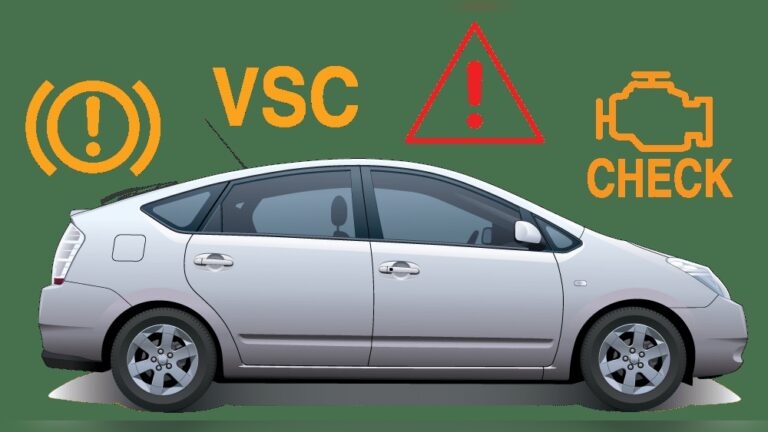
ABS, BRAKE, or traction control lights on the dash often appear with actuator problems. These lights are not cosmetic. They signal that the car has detected a fault. Use an OBD-II scanner to pull codes right away or take the car to a tech familiar with Prius ABS/actuator systems.
Unusual Noises
Actuator faults can cause clicking, buzzing, grinding, or whirring while braking. A repetitive click when you apply the brakes often points to the actuator’s internal valves or an electrical relay cycling. If you hear grinding, inspect pads and rotors as well—sometimes multiple issues occur together.
Other Symptoms I’ve Seen
- Intermittent loss of regenerative braking feel.
- ABS engaging at low speeds when it shouldn’t.
- Inconsistent brake balance—one side stops harder than the other.
Driving Risks
Driving with a questionable brake actuator increases risk. Here’s what can go wrong and why you should act fast.
Reduced Braking Power
If the actuator can’t apply correct pressure, your stopping power falls. That’s dangerous in high-speed or emergency braking situations. I advise treating weak brakes as an urgent issue and avoiding highway driving until diagnosed.
Brake Lockup
A malfunctioning actuator can cause sudden lockup of one or more wheels. Locked wheels reduce steering control and can cause skids. This is especially hazardous on wet or icy roads. If you feel a sudden grab or the car pulls during braking, stop driving and get help.
Increased Stopping Distance
Even small actuator issues can add feet to your stopping distance. That reduces your margin for error in traffic and increases collision risk. Regular checks and timely repairs protect you and your passengers.
Diagnostic Steps
Here are practical steps I use to diagnose Prius brake actuator problems. Start with the basics, then escalate to professional testing if needed.
OBD-II Scanner Use
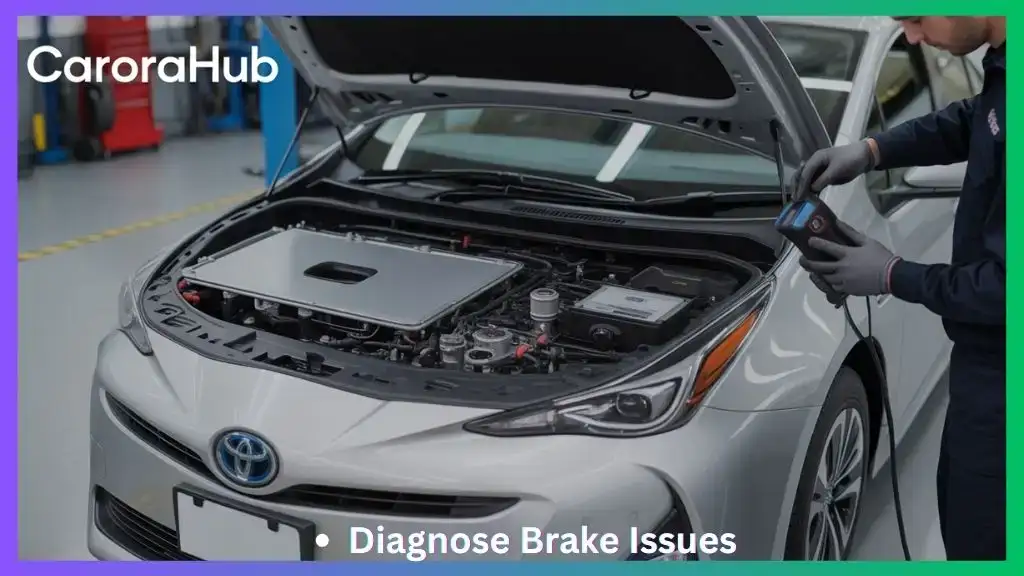
Connect an OBD-II scanner to read ABS and traction-control codes. Common codes related to actuator issues include ABS faults and wheel sensor errors. The codes point you to wiring, sensor, or actuator faults. Even a basic scanner can reveal stored or pending errors—this is often the fastest way to narrow down the issue.
Visual Inspections
Do a visual check before you drive far:
- Look for brake fluid leaks around the master cylinder, brake lines, and actuator area.
- Inspect wiring harnesses and connectors for corrosion or damage.
- Check brake fluid level and color—dark fluid often means it’s time to flush.
- Look at pads and rotors for uneven wear, which can mimic actuator problems.
Professional Testing
A qualified mechanic can run in-depth tests. They’ll measure hydraulic pressure, test actuator electrical signals, and perform leak tests. Shops with Toyota-specific tools can check software and module calibrations. I recommend a tech experienced with Prius hybrid brake systems because they know how the actuator interacts with regenerative braking.
Quick Pre-Check You Can Do
- With the car off, start and remove the key to reset systems. Note if warning lights stay on.
- Check 12V battery voltage—weak batteries cause strange ABS behavior.
- Top up brake fluid to the correct level if it’s low, then inspect for leaks.
You May Like This Guide: How to Change Brake Pads on a Toyota Sienna
Repair Options
Repair choices depend on the fault. I’ll walk through common fixes and what I recommend based on severity and cost.
Actuator Replacement
Severe failures usually require actuator replacement. Use OEM or high-quality remanufactured units. Cheap, generic parts may fail again and affect ABS performance. Have a shop that knows Prius actuator bleeding and calibration install the unit—incorrect installation can trigger persistent warning lights.
Software Updates
Sometimes the issue is software. Toyota issues updates that fix ABS/actuator control bugs. A quick update at a dealer or a qualified shop can clear errors and improve system behavior. I check for available TSBs and software revisions when diagnosing actuator complaints.
Brake System Maintenance
Many actuator problems trace back to poor maintenance. Regular brake fluid changes, timely pad replacements, and cleaning connectors prevent failures. Maintaining the hybrid battery cooling and electrical connections helps too. Small, consistent care extends actuator life and keeps braking crisp.
Actuator Replacement: Cost and Time Estimates
Costs vary by model year and region. Expect parts plus labor. From my notes:
- Part cost (remanufactured or OEM): varies widely—get a quote before ordering.
- Labor: can take 2–4 hours depending on diagnostics and bleeding/calibration needs.
- Software/calibration: may add shop time but is often required.
Always get multiple quotes and ask whether the price includes testing, calibration, and a warranty on the part.
Preventive Tips
Preventing actuator failure is often easier and cheaper than fixing it. These are practical steps I follow and recommend.
Regular Brake Checks
Listen and feel for changes. Inspect pads, rotors, and fluid at regular intervals. If you hear grinding, squealing, or clicking during stops, have it checked. Catching wear early protects the actuator and other brake parts.
Battery Health
A healthy 12V battery is essential. Weak batteries can cause the ABS and actuator to behave oddly. Test the battery yearly, and replace it before it fails. I keep a voltmeter in my garage and check voltage during winter and hot summer months.
Timely Servicing
Follow Toyota’s maintenance schedule. Use authorized service centers when possible. They have access to software updates and TSBs that independent shops may miss. If you prefer indie shops, choose one experienced with hybrid brake systems.
Keep Electrical Connectors Clean
Corrosion at connectors is a silent cause of actuator issues. When you or a tech services the brakes, have them inspect and clean electrical connections. A little dielectric grease on connectors after cleaning helps prevent future corrosion.
Final Thoughts
Recognizing Toyota Prius brake actuator failure signs keeps you safer on the road. Watch for warning lights, unusual noises, and changes in brake feel. Use an OBD-II scanner or a trusted mechanic to diagnose issues early. Regular maintenance and timely repairs reduce costs and risk.
I’ve handled several Prius actuator issues myself. In every case, early action simplified the repair and avoided secondary damage. Trust your instincts—if braking feels different, check it out.
Stay alert and protect yourself on the road.
FAQs About Toyota Prius Brake Actuator Failure Signs
What Are Common Signs Of Toyota Prius Brake Actuator Failure?
Common signs include warning lights on the dashboard, unusual noises during braking, and reduced brake responsiveness. You might also feel a vibration or hear grinding sounds when applying brakes, indicating actuator issues.
How Does Brake Actuator Failure Affect Prius Braking?
Brake actuator failure can cause inconsistent brake pressure, leading to poor stopping power. This reduces the vehicle’s safety and control, making it crucial to address the problem promptly.
Can Prius Brake Actuator Issues Trigger Abs Warning Light?
Yes, a failing brake actuator often triggers the ABS warning light. This light indicates a problem with the anti-lock braking system, which can compromise vehicle safety if ignored.
Is It Safe To Drive With A Failing Brake Actuator?
Driving with a failing brake actuator is unsafe. It may lead to brake failure or reduced braking efficiency. Immediate inspection and repair are recommended to ensure safety.

Hello, I’m Norman. I work as a car researcher. I am the voice behind CaroraHub. I have over 15 years of experience. I give simple and useful car advice. I help with car care, cleaning, and small repairs. My goal is to help you keep your car healthy. I want car care to be easy and cheap for you. You can trust my tips to keep your car working well for a long time.