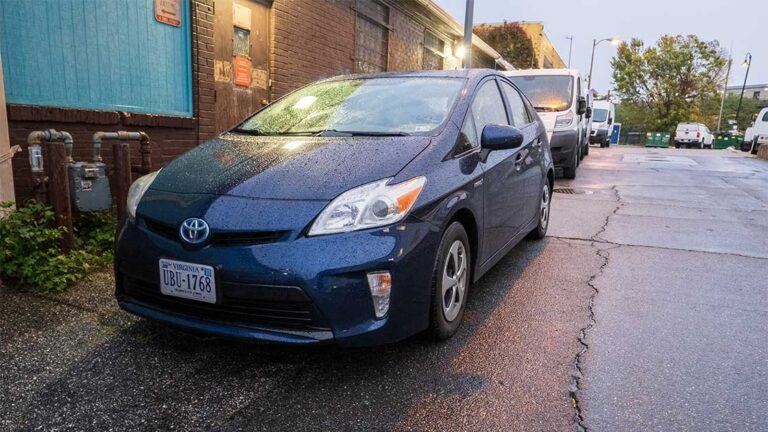
For most U.S. shoppers, the Toyota Prius offers more useful cargo space than a regular compact hatchback such as the Toyota Corolla Hatchback. The Prius also gives front-seat passengers generous legroom. However, its sloping roof can limit rear headroom, and the rear seat is not especially spacious for adults.
The short answer is simple:
- Prius advantage: More cargo room behind the rear seats and more rear legroom.
- Regular hatchback advantage: Often a taller rear cabin, easier outward visibility, and a lower purchase price.
- Best fit for families: Prius, if cargo space and fuel savings matter.
- Best fit for simple daily driving: A compact gasoline hatchback may be enough.
This comparison uses U.S.-market specifications for the 2025 Toyota Prius and the 2025 Toyota Corolla Hatchback as a practical example of a regular compact hatchback. Exact space can change by model year, trim, spare-tire setup, and measurement method.

Source: toyotaquezonavenue.com.ph
Prius vs. regular hatchback: the main interior-space difference
The Prius is usually roomier where owners notice it most: the cargo area and rear legroom. The Corolla Hatchback can feel more upright in the back, but it has less space for luggage behind the second row.
| Interior measurement | 2025 Toyota Prius | 2025 Toyota Corolla Hatchback |
|---|---|---|
| Passenger volume | About 91.2 cubic feet | About 84.6 cubic feet |
| Cargo volume behind rear seats | About 23.8 cubic feet | About 17.8 cubic feet |
| Front legroom | About 43.2 inches | About 42.0 inches |
| Rear legroom | About 34.8 inches | About 29.9 inches |
| Front headroom | About 38.0 inches | About 38.4 inches |
| Rear headroom | About 36.4 inches | About 37.6 inches |
The Prius has about 6 cubic feet more cargo space behind the rear seats than the Corolla Hatchback. That is enough room for several grocery bags, a small stroller, or more luggage for a weekend trip.
The Prius also has nearly 5 inches more rear legroom. That difference matters when an adult sits behind a tall driver. The Corolla Hatchback, by comparison, is better suited to children or shorter adults in the rear seat.
The Corolla has slightly more rear headroom on paper. That may seem surprising because the Prius is the larger car overall. The reason is the Prius roofline. Its rear roof slopes down toward the liftgate, which helps its shape move through the air but reduces space above rear passengers.
What “interior space” means in a hatchback
Interior space has three separate parts: passenger room, cargo room, and usable opening space. A car can score well in one area and feel tight in another.
Passenger volume
Passenger volume is the manufacturer’s estimate of the cabin area available for people. It combines space in the front and rear seating areas.
This number helps compare vehicles in the same class. It does not tell you exactly how comfortable every person will feel. Seat shape, cushion height, door trim, roof shape, and the position of the center console also affect comfort.
The Prius has a larger passenger-volume figure than the Corolla Hatchback. Its longer body and longer wheelbase help create more room for people, especially in the front and rear legroom areas.
Legroom
Legroom measures the distance available for a seated passenger’s legs. Rear legroom is often more important than total passenger volume because it shows whether adults can sit behind one another.
The Prius is the clear winner here. Its rear seat gives passengers more space to move their knees and feet. This helps on long trips and makes the car more practical for a small family.
The Corolla Hatchback has a short rear seating area. A child seat may fit, but placing a rear-facing child seat behind a tall front passenger can reduce comfort. Always test the exact child seat in the vehicle before buying.
Headroom
Headroom measures the space between the seat and the roof. It depends on the seat position and whether the car has a moonroof.
The Corolla Hatchback has a small advantage in rear headroom. The Prius still provides acceptable space for many adults, but taller rear passengers may notice the sloping roof. Sitting in the back before purchase is wise if anyone in your household is over about 6 feet tall.
Shoulder room
Shoulder room affects how wide the cabin feels across the seats. It matters most when two adults share the rear bench.
The Prius and Corolla Hatchback are both compact cars. Neither offers a wide rear seat for three adults. The center position is best treated as occasional seating, especially on longer trips.
Which car has more cargo space?
The Toyota Prius has more cargo space behind the rear seats than the typical compact hatchback. Its 23.8-cubic-foot cargo rating is useful for daily errands, luggage, and small household items.
The Prius is technically a liftback, which is a hatchback-style body with a large rear opening and a sharply sloped rear window. This design gives access to a broad cargo area. The rear seats also fold to carry longer items.
The Corolla Hatchback provides about 17.8 cubic feet behind its rear seats. That is enough for normal shopping and small bags, but it fills sooner when carrying suitcases or bulky items.
Why the Prius cargo area feels useful
The Prius combines three helpful features:
- A large rear opening.
- A fairly long floor.
- Fold-down rear seatbacks.
The battery pack does not take up the full cargo floor in the way many shoppers expect. Toyota’s hybrid layout allows the Prius to keep a useful rear storage area.
Still, cubic-foot figures do not tell the whole story. A box may fit in one car but not another because of the opening height, wheel-well shape, or roof slope.
Check the cargo opening, not just the volume
Before buying, measure or test the items you carry most often:
- Strollers.
- Pet crates.
- Golf bags.
- Large coolers.
- Folding bikes.
- Work tools.
- Airline luggage.
- Child car seats and travel gear.
The Prius usually gives you more total room. A taller, boxier hatchback may make it easier to load a tall object. The deciding factor is often the shape of the cargo, not the published volume.
Is the Prius rear seat better for adults?
Yes, the Prius rear seat is generally better for adults than the rear seat in the Corolla Hatchback. The Prius has much more rear legroom, which is the biggest comfort difference between the two cars.
The Prius rear bench is still compact. Two adults should fit more comfortably than three. A tall passenger may also notice the low roof and small rear windows.
The Corolla Hatchback’s rear seat is less suitable for regular adult use. Its short rear legroom can feel tight when the front seats are set for tall drivers. It works better for children, occasional passengers, or short trips.
Rear-seat comfort also depends on the front seats
A vehicle’s published rear-legroom number assumes a standard measuring position. Real-world comfort changes when the driver moves the seat.
For example:
- A 5-foot-6-inch driver may leave useful space behind the seat.
- A 6-foot-2-inch driver may push the seat far back.
- A rear-facing child seat may require extra clearance.
- A power seat may use a different cushion position than a manual seat.
If you carry adults or children often, place the front seats where they are normally used. Then sit in the rear seat yourself.
Child-seat fit
Both cars can work with child seats, but the fit depends on the seat model and seating position. A rear-facing seat often needs more front-to-back room than a forward-facing seat.
Check these points during a dealership visit:
- Install the child seat according to its manual.
- Keep the front seat in a normal driving position.
- Confirm that the child seat does not press hard against the front seat.
- Check that the seat belt or lower anchors are easy to use.
- Make sure the rear door can close without touching the seat.
For child-seat questions, the vehicle owner’s manual and the child-seat maker’s instructions take priority over general dimensions.
Does the Prius feel bigger inside than a regular hatchback?
The Prius feels bigger in the front and cargo areas, but not in every direction. Its longer body creates more useful length. Its sloping roof and narrow rear windows can make the back feel less open.
The Corolla Hatchback may feel easier to place in tight spaces because it has a more familiar compact-car shape. Its upright seating position and slightly better rear headroom can also help some passengers feel less confined.
The Prius may feel more open from the driver’s seat because of its longer cabin and modern dashboard layout. However, visibility is a personal issue. The rear roof and liftback design may make the rear view different from a conventional sedan or upright hatchback.
A test drive should include:
- Parking in a tight space.
- Looking over the shoulder.
- Checking the rear window.
- Testing the backup camera.
- Sitting in the rear seat.
- Loading a normal cargo item.
Published measurements are useful for screening cars. Your body shape and daily routine decide the final answer.
Prius interior space vs. other regular hatchbacks
The Corolla Hatchback is a useful benchmark, but “regular hatchback” can also mean models such as the Mazda3 Hatchback, Volkswagen Golf, or other compact five-door cars. Their interior layouts differ.
The Prius will often have more cargo space than a small sporty hatchback, but the exact result depends on the model year and measurement standard.
| Hatchback type | Common space pattern |
|---|---|
| Toyota Prius liftback | Strong cargo space and rear legroom; lower rear roof |
| Toyota Corolla Hatchback | Smaller cargo area; tight rear legroom; compact exterior |
| Mazda3 Hatchback | Comfortable front seats; rear cabin can feel tight; sloping roof |
| Volkswagen Golf-style hatchback | Often good cabin flexibility; exact U.S. availability varies |
| Small subcompact hatchback | Easy to park; less rear and cargo room |
Do not compare only the vehicle class. Compare the exact model year and trim. A hybrid battery, all-wheel-drive system, spare tire, or panoramic roof can change available room.
Also check whether the published cargo number is measured with the rear seats upright, folded, or removed. Some sources use different industry methods. Numbers from two brands may not be perfectly comparable.
Which hatchback is better for a family?
The Prius is usually the better choice for a small U.S. family that needs more luggage space and regular rear-seat use. Its extra rear legroom helps with children, teenagers, and adult passengers. Its larger cargo area also reduces the need to stack bags up to the roof.
The Corolla Hatchback may work well for a couple, a single driver, or a family that already has a larger vehicle. It is easier to justify when rear passengers are rare and cargo needs are modest.
Consider the Prius if you regularly carry:
- Two or more passengers in the rear.
- A stroller and grocery bags.
- Luggage for four people.
- Sports equipment.
- A pet carrier.
- Household items from a store.
Consider a regular compact hatchback if you value:
- A lower entry price.
- A simple gasoline powertrain.
- A shorter body.
- Less concern about rear-seat space.
- A more upright or conventional cabin feel.
Interior space is only one part of the buying decision. Compare fuel economy, purchase price, insurance, maintenance, warranty coverage, ride comfort, and local dealer support as well.
Common mistakes when comparing Prius and hatchback space
Mistake 1: Comparing exterior length only
The Prius is longer than the Corolla Hatchback, but exterior length does not directly equal passenger comfort. Wheelbase and cabin design matter more for legroom.
Mistake 2: Assuming a hatchback always has more cargo room
A hatchback has a large rear door, but that does not guarantee a large cargo bay. Some compact hatchbacks have less room than a Prius because of their shorter body and smaller cargo floor.
Mistake 3: Treating cargo volume as a loading guarantee
A cubic-foot rating is not a promise that a certain box will fit. Measure the item and the hatch opening when the item matters.
Mistake 4: Ignoring the rear roofline
The Prius has good rear legroom, but its sloped roof can reduce headroom. Tall passengers should sit in the rear before making a decision.
Mistake 5: Using an old model year’s numbers
The Prius changed significantly for the 2023 model year. Corolla Hatchback specifications can also change by year and trim. Confirm the current U.S. specification sheet before signing a purchase agreement.
How to compare the cars during a dealership visit
Use the same test for both vehicles. Bring the items and passengers that matter in your daily life.
- Set the driver’s seat first. Use the position you normally drive in.
- Sit behind it. Check knee room, foot room, and seat comfort.
- Check rear headroom. Sit upright rather than leaning forward.
- Open the liftgate. Look at the height and width of the opening.
- Load real items. Use a stroller, suitcase, cooler, or other common object.
- Fold the rear seats. Check whether the seatbacks create a flat or useful floor.
- Check visibility. Look through the rear glass and over your shoulder.
- Repeat the test on the exact trim. A moonroof or different seat can change the result.
The test succeeds when every regular passenger fits comfortably and your largest routine items load without forcing the hatch to close.
Frequently asked questions Of Toyota Prius Interior Space Vs Regular Hatchback
Is the Toyota Prius bigger inside than the Toyota Corolla Hatchback?
Yes, the Prius has more passenger volume, more rear legroom, and more cargo space behind the rear seats. The Corolla Hatchback has slightly more rear headroom in the cited U.S. specifications.
Can four adults fit comfortably in a Prius?
Four adults can fit, but comfort depends on their height and seat position. The Prius is better for four adults than the Corolla Hatchback, yet it remains a compact car rather than a large family vehicle.
Is the Prius cargo area large enough for a stroller?
Usually, yes. The Prius has about 23.8 cubic feet behind the rear seats, but stroller size varies. Test a folded stroller in the exact vehicle before buying.
Does a Prius have more rear legroom than a sedan?
Not always. A midsize sedan can have more rear-seat space. The Prius generally offers strong rear legroom for a compact hatchback, but it should not be assumed to match a midsize car.
Is the Corolla Hatchback easier to park than the Prius?
The Corolla Hatchback is shorter, which may help in some parking spaces. The Prius is still a compact vehicle, and camera systems and driver visibility can matter as much as exterior length.
Final verdict
The Toyota Prius has more useful interior space than a regular compact hatchback such as the Toyota Corolla Hatchback. Its biggest advantages are cargo volume and rear legroom. Those benefits make it the stronger choice for small families, frequent road trips, and drivers who carry bulky items.
The regular hatchback may be the better fit when rear passengers are uncommon, the budget is tighter, or a slightly shorter and more upright-feeling car is preferred. Its rear headroom can also be better despite its smaller overall cabin.
Before buying, compare the exact U.S. model year and trim. Then test the rear seat and load the objects you carry most often. The best choice is not the car with the biggest number. It is the car that fits your people, your gear, and your daily routine.
Sources used for specifications
- Toyota USA: 2025 Prius specifications
- Toyota USA: 2025 Corolla Hatchback specifications
- Toyota Owner’s Manuals and Warranty Information
- National Highway Traffic Safety Administration: Car Seat Recommendations

I am Julian Drive, an automotive enthusiast and repair expert with over 7 years of hands-on experience in vehicle maintenance. At Carora Hub, I simplify complex car issues into easy-to-follow DIY guides to help drivers stay safe and save on repair costs.