If you own a Toyota Prius, you might not realize how tempting it can be for thieves to target your car’s catalytic converter. These small but valuable parts have become a hot item for criminals looking to make quick cash.
The last thing I want is to walk out to my car and find it damaged or missing a key part. Over the years I’ve learned a few simple, practical steps that lower the risk of catalytic converter theft. I’ll share the most effective ones here.
Read on for clear, usable tips to protect your Prius from catalytic converter theft. These are tactics I’ve used or tested, and they work together to reduce your risk and stress.
Credit: gomotive.com
Why Prius Catalytic Converters Are Targeted
The Toyota Prius is a common target for catalytic converter theft. Thieves pick it for two main reasons: the converter contains rare, valuable metals and the Prius’s underbody layout makes the part easier to access. Knowing why they target Priuses helps you prioritize the right defenses.
Value Of Precious Metals
Catalytic converters hold small amounts of precious metals such as platinum, palladium, and rhodium. These metals trade at high prices on the scrap market. Because the metals are concentrated, a thief can make quick cash by selling a stolen converter to a scrapyard or middleman. That high resale value is the core reason converters are targeted.
Prius Popularity And Vulnerability
Two factors make the Prius an easy target. First, the Prius is very common, so thieves find many potential victims in any town. Second, the car’s ground clearance and exhaust routing often leave the converter reachable with basic hand tools. These conditions let a thief cut and remove a converter in minutes.
How Thieves Typically Operate
Thieves usually work fast. They slide under the car, use a saw or reciprocating tool to cut the exhaust pipes, and remove the converter. They prefer quiet, low-traffic areas. A bright light, cameras, or noise make their job riskier and slow them down. Slowing them down is one of the best defenses.
Signs Your Catalytic Converter Is At Risk
Watch for warning signs. Early detection helps you act before a theft happens — or right after so you can file a police and insurance report. I check my car often, especially after parking in unfamiliar places.
Common Theft Indicators
Listen for loud noises under the car. A missing or damaged catalytic converter gives you a louder exhaust and a rasping sound. Look for fresh saw marks, scratched welding seams, or loose hangers under the vehicle. Also check ride height — if one side sits lower, the exhaust may be cut. These are clear signs of tampering.
Areas With High Theft Rates
Theft rates rise in big cities, poorly lit parking lots, and areas near highways and shopping centers. Low foot traffic and no cameras make these spots attractive to thieves. I avoid parking overnight in such places when I can. If I must, I use extra security measures.
Effective Locking Devices
Physical locks and shields are among the best deterrents. They increase the time and effort required to steal a catalytic converter. Often that’s enough to stop an attempt entirely.
Types Of Converter Locks
Here are common options:
- Steel cages — heavy cages bolt around the converter to block access.
- Bolt-on clamps and straps — wrap and clamp the converter to the exhaust or frame.
- Shield plates — flat plates welded or bolted to block cutting tools.
- Welded bolts or studs — add welded hardware that makes the part traceable and harder to remove.
Choose a product made from hardened steel and designed for your Prius model. A fitted solution stops most quick theft attempts.
Installation Tips
Install locks tightly and check them often. I use rust-resistant bolts and anti-seize on threads. If you’re unsure, have a trusted mechanic install the device. Professional installation ensures the lock sits correctly and won’t rattle or fail. Keep proof of purchase and installation for insurance purposes.
Parking Strategies To Deter Thieves
Smart parking choices cut risk. A thief needs time. A bad parking choice hands that time to them. I treat every parking decision as part of my car’s security plan.
Choosing Safe Locations
Pick busy spots near entrances, active storefronts, or well-traveled sidewalks. If possible, park in a garage or a secured lot with attendants. If you live in a high-risk area, consider renting a garage or using gated parking. Busy places reduce the chance of theft.
Using Well-lit And Visible Spots
Bright lighting and open sight lines deter thieves. Park under streetlights or next to security cameras. I also park so the converter faces toward a curb or barrier. That makes sliding under the car harder and more obvious to passersby.
Vehicle Alarms And Security Systems
Alarms add another layer of defense. They create noise and call attention to a theft in progress. I combine alarms with physical locks for the best protection.
Modern alarm systems include sensors that detect motion, tilt, or vibration. They can alert your phone or a monitoring service if someone tampers with your car.
Motion And Tilt Sensors
Tilt sensors detect lifting. Motion sensors pick up movement under or around the car. If a thief jacks the vehicle, the alarm will trigger. I recommend systems that let you customize sensitivity and that have a loud siren to scare thieves away immediately.
Alarm Sensitivity Settings
Set sensitivity to avoid false alarms but high enough to catch real threats. I test my alarm after installation with minor taps and a simulated jack to find the sweet spot. Many systems allow different profiles for home and public parking.
Marking And Engraving For Identification
Marking or engraving your converter reduces its resale value to thieves. It also helps law enforcement trace parts after theft. I always engrave identifiable info on my car parts when possible.
Engraving Vin Or License Numbers
Engrave your VIN or license plate on the converter. This leaves a permanent mark that links the part to your car. Thieves avoid marked parts because they’re harder to sell. Engraving tools are inexpensive. A visible ID helps police and scrap yards spot stolen parts quickly.
Using Traceable Markers
Traceable markers add covert IDs. These are special inks or microdot stickers detected under UV light or scanners. They don’t harm the part. I use a combination of engraving and a traceable marker. The double mark reduces resale chances and speeds recovery.
Community And Law Enforcement Roles
Stopping catalytic converter theft takes a community effort. Neighbors, businesses, and police all help cut theft rates. I’ve seen neighborhood watch groups and police outreach make a real difference.
Neighborhood Watch Programs
Neighborhood watch groups increase local vigilance. Members report suspicious activity and share alerts. Visible signs of a watch program also discourage criminals. I joined a local group and we share photos and plate numbers for incidents in our area.
Reporting Suspicious Activity
If you see suspicious behavior, call the police. Give a clear description, time, and location. Quick reporting helps officers respond faster. I always take a photo or note a license plate if I can do so safely. Those details can make a difference in an investigation.
Insurance Coverage And Claims
Understand your insurance. Catalytic converter theft causes damage beyond the part itself. You may need coverage for repairs to the exhaust, sensors, and mounting hardware. I review my policy yearly to ensure I have the right protection.
Checking Policy Inclusions
Read your policy or call your agent. Look for comprehensive coverage that includes theft and vandalism. Some policies exclude certain parts or set limits on payouts. Ask about deductibles and whether your insurer needs proof of preventive measures like locks or engraving.
Filing Theft Claims
After theft, file a police report immediately. Get a copy for your insurance claim. Contact your insurer and give full details: police report number, photos, repair estimates, and receipts for security devices you installed. Keep copies of every email and invoice. I found that being organized speeds up the claims process.
Additional Preventive Measures
Beyond locks and alarms, a few extra steps improve security. These are practical, affordable, and effective when used together.
Aftermarket Security Enhancements
Consider these upgrades:
- Converter shields or cages that bolt to the frame.
- High-quality car alarms with vibration and tilt sensors.
- GPS trackers that alert you if the car moves unexpectedly.
- Welded bolts or straps to make removal slower and more conspicuous.
When I added a welded bolt and a cage, I noticed a drop in my neighborhood’s theft attempts. Thieves moved to easier targets.
Routine Vehicle Inspections
Inspect your Prius regularly. Look under the car for loose or tampered parts and fresh cuts. After parking in a new or risky area, take a quick walkaround to spot problems early. Early detection prevents further damage and helps in recovery efforts.
Ask neighbors to keep an eye on your car when you’re away. A simple message or photo can help spot suspicious activity. Community checks are a low-effort, high-value habit.
Credit: millercat.com
Frequently Asked Questions
What Makes Toyota Prius Catalytic Converters A Theft Target?
Prius converters contain precious metals like platinum. These metals are worth a lot, and a converter can be sold quickly for cash. The car’s design can also leave the converter accessible, making theft easier.
How Can I Identify My Prius Catalytic Converter?
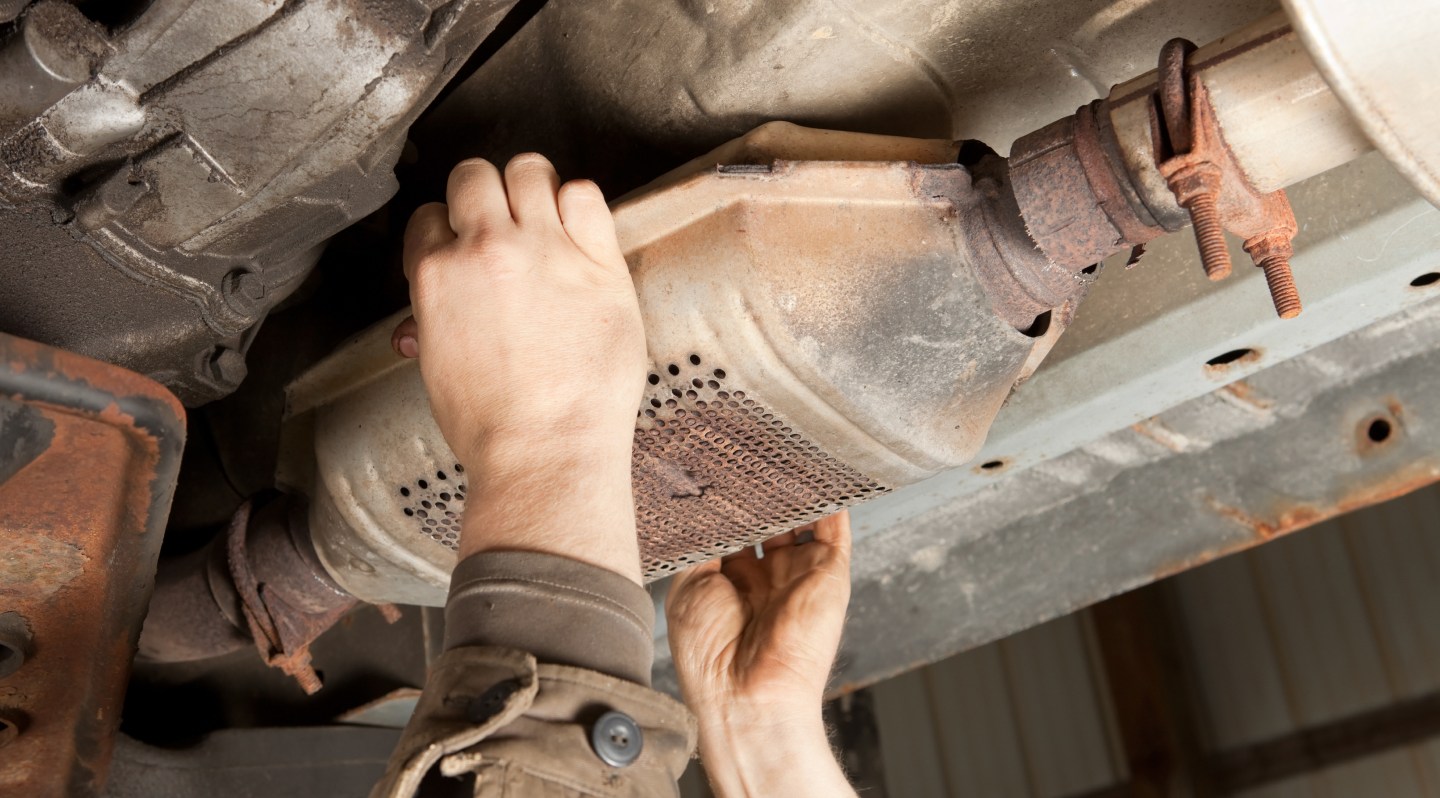
Look under the car between the engine and the muffler. The converter is a metal box or cylinder attached to the exhaust pipe. If you are unsure, ask a mechanic to point it out.
What Are Common Signs Of Catalytic Converter Theft?
You may hear louder exhaust noise and feel reduced engine performance. The car might fail an emissions test. Visually, you may see cut pipes, saw marks, or a missing unit under the vehicle.
Can Installing A Catalytic Converter Lock Prevent Theft?
Yes. A well-fitted lock or shield makes the converter harder and slower to remove. Most thieves choose quicker targets. A lock is a strong deterrent when combined with other measures.
Are Parking In Well-lit Areas Effective Against Theft?
Yes. Thieves avoid well-lit, visible areas. Parking near entrances, cameras, or busy sidewalks reduces the chance of theft.
How Does Engraving My Prius Catalytic Converter Help?
Engraving places a unique ID on the converter. It ties the part to your car. This lowers its resale value and helps law enforcement trace stolen parts.
Should I Consider An Alarm System For Theft Prevention?
Yes. An alarm with motion or tilt sensors alerts you and scares thieves away. Pair it with physical barriers for best results.
Is Insurance Coverage Available For Catalytic Converter Theft?
Many insurers cover catalytic converter theft under comprehensive policies. Check your policy or ask your agent for details about limits and deductibles.
How Often Should I Inspect My Prius Catalytic Converter?
Inspect it every few months and after parking in risky areas. Regular checks catch tampering early and can prevent full theft.
Can Welding The Catalytic Converter Reduce Theft Risk?
Yes. Welding or adding welded studs secures the converter to the frame. It raises the effort and time needed to remove the part. Many mechanics can weld bolts that make removal harder without specialized tools.
Conclusion
Protecting your Toyota Prius from catalytic converter theft starts with a clear plan. Park in well-lit, busy spots. Add a physical shield or lock. Use alarms with tilt or motion sensors. Mark or engrave the converter. Keep your insurance and police contacts ready. These steps work best together.
I use a mix of these measures. That mix has helped me avoid theft and reduced my repair headaches. Stay alert, act early, and make your Prius a less attractive target. Small steps now can save you time and money later. Stay safe and protect your car wisely.

Hello, I’m Norman. I work as a car researcher. I am the voice behind CaroraHub. I have over 15 years of experience. I give simple and useful car advice. I help with car care, cleaning, and small repairs. My goal is to help you keep your car healthy. I want car care to be easy and cheap for you. You can trust my tips to keep your car working well for a long time.