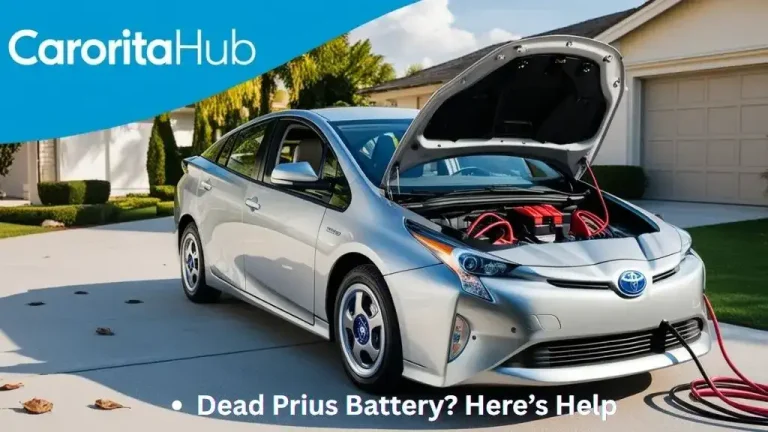
Imagine having a reliable power source right in your garage that can keep your home running during an outage. What if your Toyota Prius could do more than just save gas and get you from point A to B?
Using your Prius as a generator for your home might be the game-changer you didn’t know you needed. I’ll explain how to tap into your car’s power, stay prepared for emergencies, and even save money on backup energy. Read on — what you learn here can turn your Prius into your home’s secret power hero.
Toyota Prius As A Power Source
The Toyota Prius can be a practical backup power source during outages. Its hybrid system stores and generates electricity. That makes it useful beyond driving. I’ve tested this approach in short outages and found it reliable for essential loads.
Using the Prius this way is eco-friendly and quiet. It can replace a small gas generator for short-term needs. To use it well, you need to know how the car makes and delivers power. Below I explain the systems, tools, safety steps, and real-world tips I use.
How The Prius Generates Electricity
The Prius blends a gasoline engine and electric motors. The engine charges the hybrid battery while driving or idling. The motors can convert stored energy into electrical power. The hybrid control unit manages energy flow automatically.
Key ideas:
- The traction (high-voltage) battery stores DC power.
- An inverter converts DC to AC for household devices.
- The gasoline engine can run to keep the battery at a usable state of charge.
In short: the Prius can act like a small generator when set up correctly.
Battery And Inverter Basics
The Prius has a high-voltage battery pack. This pack stores energy for driving and accessories. It supplies DC current. Home power needs AC current.
That’s where the inverter comes in. An inverter converts DC to AC. For home use, you want a pure-sine inverter sized to the load. Pure-sine inverters give stable, clean power that sensitive electronics accept.
Terms to know:
- DC = direct current (battery output)
- AC = alternating current (home power)
- SOC = state of charge (battery percentage)
- Continuous watts vs surge watts (inverter ratings)
I always check inverter specs and the Prius owner manual before connecting anything. The right inverter avoids voltage spikes and protects the car’s systems.
Comparing Prius To Traditional Generators
The Prius runs quietly and emits less pollution than most portable generators. It does not need a separate fuel tank while the engine runs, since it uses the car’s fuel supply. For short outages, I prefer the Prius for lighting, refrigeration, and small devices.
Compare both:
- Prius: quieter, cleaner, good for essentials (lights, fridge, chargers). Best for short-term use.
- Portable generator: higher sustained power, better for heavy loads (AC, ovens). Needs fuel and more maintenance.
Choose based on outage length and required appliances.
Setting Up The Prius Generator
Setting up your Prius as a home generator takes preparation. You need the right gear and safe connection methods. I learned this the hard way: planning and the right parts make the process smooth and safe.
Required Equipment And Tools
Gather these before you start. I keep a kit ready.
- Pure-sine inverter (1,000–1,500 W for most Priuses; check exact model capability)
- Heavy-duty extension cord (outdoor-rated, 12 AWG or heavier)
- Transfer switch or manual changeover interlock (to prevent backfeeding)
- Proper inverter-to-car connection kit (fuses, battery clamps, or 12V accessory hookups)
- Insulated tools and safety gloves
- Multimeter for voltage and polarity checks
- Fire extinguisher rated for electrical fires
These items reduce risk and keep the setup simple.
Safe Connection Methods
Safety is critical. Do not improvise.
- Never connect the Prius directly to home wiring without a transfer switch. This avoids backfeeding the grid.
- Use a transfer switch or an interlock device to isolate circuits you want to power.
- Connect the inverter to the car’s 12V auxiliary outlet or the dedicated battery terminal using the manufacturer-recommended adapter.
- Always follow inverter and Prius instructions.
- Turn off the home main breaker or the specific circuits before switching power sources.
I always verify isolation with a multimeter before energizing home circuits.
Step-by-step Setup Process
Here’s a clear process I follow. Read it first, then do it.
- Park the Prius close to your home inlet or transfer switch. Keep ventilation in mind.
- Turn off the Prius and switch off your home’s main breaker or selected breakers.
- Connect the inverter to the Prius’s 12V outlet or battery terminal per the inverter manual. Use proper fuses.
- Plug the heavy-duty extension cord into the inverter.
- Attach the other end to the transfer switch inlet or to a professionally installed inlet box.
- Start the Prius and set it to “Ready” mode to allow the hybrid system to supply power.
- Switch on the selected home breakers to feed the isolated circuits.
- Use a multimeter to confirm voltage and frequency are stable.
- Monitor loads and inverter temperature to avoid overloads.
I also recommend a dry run before an actual outage. It builds confidence and reveals weak points.
Preparing Your Home: Transfer Switch and Inlet (Added)
A transfer switch is the safest way to use any vehicle as a generator. I had a licensed electrician install a manual transfer switch for two circuits. It isolates those circuits from the grid. That prevents dangerous backfeed.
Options:
- Manual transfer switch (simple, reliable)
- Automatic transfer switch (more complex, typically for whole-house systems)
- Inlet box (weatherproof outdoor inlet wired to the transfer switch)
Get a licensed electrician to install this. It’s worth the cost for safety and code compliance.
Recommended Inverters And Adapters (Added)
Pick an inverter that matches your needs. I use a 1,500 W pure-sine inverter for lights, fridge, and laptop charging. For heavier loads, choose higher continuous ratings and check surge capability.
Look for:
- Pure-sine waveform
- Overload and thermal protection
- Built-in battery low-voltage cutoff
- Proper grounding options
Adapters: use cables made for automotive and inverter use. Avoid ad-hoc connections.
Power Output And Capacity
Understanding power output helps you plan. I map out what I need before using the Prius. That keeps the car healthy and my home running.
Estimating Available Power
Most Priuses can reliably supply about 1,000–1,500 watts continuously through a properly installed inverter. Models vary, and so does battery health.
Practical guide:
- Small loads (lights, router, phone chargers): ~200–500 W
- Refrigerator (starting surge): 600–1,200 W
- Laptop, TV, fans: 50–300 W each
Always measure actual draw with a watt-meter. That tells you if you are within safe limits.
Duration And Limitations
How long the Prius can supply power depends on fuel level, battery SOC, and load. Running the engine keeps the battery topped up. But long runs use fuel and add engine hours.
Expect:
- A few hours of continuous power for moderate loads.
- Longer if you keep the engine running and monitor fuel.
This method is best for short outages. For multi-day outages, combine the Prius with a home battery or a dedicated generator.
Managing Electrical Loads
Prioritize. I always run only essential circuits and stagger heavy appliances.
Tips:
- Make a load list: fridge, a few lights, phone charging, router.
- Avoid electric ovens, central AC, and electric water heaters.
- Use a power strip with a meter or a plug-in watt meter.
- Turn off devices not in use to save runtime.
Good load management extends runtime and reduces risk.
Model Compatibility And Notes (Added)
Not all Prius models behave the same. Prius Prime, Gen 3, Gen 4, and Gen 5 differ in battery chemistry and inverter behavior.
- Older Priuses often use NiMH packs; newer models may use lithium-ion.
- Some models expose a 12V accessory port with limited output.
- The built-in inverter (for the car) is not a home outlet; use an external inverter.
Check your model specifics in the owner manual or a service manual.
Safety Considerations
Safety cannot be overstressed. The Prius has high-voltage systems. Respect them.
Electrical Safety Tips
Follow these simple safety rules:
- Inspect cables and connectors before each use.
- Use insulated tools and gloves.
- Keep all connections dry and off the ground.
- Never touch live wires with wet hands.
- Use a proper inverter and rated cables.
- Do not overload the inverter.
I treat every setup like a live electrical job. That caution saved me from mistakes.
Preventing Damage To The Prius
Protect the car when you use it for power.
- Keep the fuel tank at least half full.
- Run the engine at a steady rate; avoid rapid idle cycling.
- Avoid deep discharge of the traction battery.
- Monitor temperature and warning lights.
- Use protective fuses between battery and inverter.
If the car shows warnings, stop immediately and consult a professional.
Emergency Shutdown Procedures
Be ready to act fast.
- Keep the key or remote within reach.
- Press the power button to stop the Prius if needed.
- Turn off the home transfer switch or main breaker.
- Disconnect cables before leaving the vehicle unattended.
- Have a Class C fire extinguisher nearby.
- Call emergency services if you see smoke, sparks, or fire.
I rehearse this sequence once a year with my family.
Practical Applications
I’ve used my Prius in several real scenarios. It’s versatile for short-term needs and off-grid tasks.
Backup Power During Outages
The Prius can power lights, phone chargers, and keep a fridge running. It is quiet and produces fewer emissions than a gas generator. I used it during a short grid outage to keep food cold and lights on for my home office.
Powering Essential Appliances
You can run:
- Refrigerators (check starting surge)
- Fans and small space heaters (careful with wattage)
- Phone chargers, laptops, and routers
Avoid large appliances unless you have a properly sized system.
Use In Remote Or Off-grid Locations
For camping or cabins, the Prius can charge devices and run small tools. It’s handy when no grid is available. Pair it with a portable battery pack to smooth power use.
Combining Prius With Batteries And Solar (Added)
For longer off-grid use, combine the Prius with:
- A deep-cycle battery bank
- A solar array and MPPT solar charge controller
- A larger inverter and proper transfer equipment
This hybrid approach gives quiet, efficient power and extends autonomy.

Credit: www.reddit.com
Maintenance And Troubleshooting
Routine care keeps the system reliable. I check key items before every season.
Regular Checks For Optimal Performance
Do these checks:
- Battery SOC and health
- Cable integrity and clamp tightness
- Coolant and engine oil (if you run the engine)
- Inverter fuses and ventilation
- Air filters and vents
A quick checklist saves hours and prevents failures.
Common Issues And Fixes
Typical problems and fixes:
- Battery won’t hold charge: clean terminals, check ground, test battery.
- Overheating: check coolant, clear vents, reduce load.
- Inverter fault: reset, replace fuse, or test with a smaller load.
- Noise or vibration: secure loose parts.
If an issue recurs, seek professional help.
When To Seek Professional Help
Call a pro if:
- The hybrid system shows persistent fault codes.
- You see sparks, smoke, or burning smells.
- The traction battery drains unusually fast.
- You need transfer switch installation or electrical panel changes.
I use a hybrid-trained technician for any battery-level work.
Legal And Environmental Factors
There are legal and green considerations. I checked local rules before trying this myself.
Regulations On Vehicle-powered Generators
Local rules vary. Some jurisdictions require permits for permanent installations. Others restrict outdoor idling or emissions. Always:
- Check local electrical code
- Ask your utility about backfeed rules
- Use licensed electricians for panel work
Compliance avoids fines and safety hazards.
Environmental Impact Benefits
Using a Prius can reduce emissions vs. a gas generator. The hybrid engine uses less fuel. That lowers your carbon footprint for short outages. It’s a good green option for emergency power.
Insurance And Warranty Concerns
Be aware:
- Some insurance policies may not cover damage from unconventional use.
- Vehicle warranty terms can exclude aftermarket or misuse damage.
- Check warranty and insurance before frequent or heavy use.
I called my insurer and checked my warranty details to avoid surprises.
Credit: www.reddit.com

Credit: www.youtube.com
Frequently Asked Questions
How Can A Toyota Prius Power My Home During Outages?
A Toyota Prius can supply electricity using its hybrid battery and an external inverter. With a transfer switch, it can power selected home circuits for short periods. I used this setup for lights, fridge, and charging devices during a recent outage.
What Equipment Is Needed To Use Prius As A Home Generator?
You need a quality pure-sine inverter, heavy-duty cables, and a transfer switch or inlet box. Insulated tools and a multimeter are essential for safety. If you plan more than occasional use, install a professional transfer switch.
How Long Can A Prius Provide Electricity To A Home?
It can supply power for a few hours to many hours depending on fuel, load, and whether you keep the engine running. For longer runs, plan fuel and engine maintenance.
Is It Safe To Connect A Toyota Prius To Home Wiring?
Yes — if you isolate circuits using a transfer switch and use correct equipment. Never backfeed the grid. Use a licensed electrician if you are not confident.
Can The Prius Power Large Home Appliances?
Generally no. The Prius is best for small to medium appliances. Large appliances often need more power than the Prius can safely supply.
Does Using Prius As A Generator Harm The Car’s Battery?
Used correctly and not continuously, it should not harm the hybrid battery. Avoid deep discharges and long continuous heavy loads to protect battery life.
How Much Electricity Can A Prius Generate For Home Use?
Expect roughly 1–1.5 kilowatts (1,000–1,500 W) in typical setups. This covers essential loads, not the entire house at once.
Can I Charge The Prius While Using It As A Generator?
Yes. Running the engine will help maintain SOC and extend runtime. Keep in mind fuel use and emissions while doing so.
What Are The Main Benefits Of Using Prius As A Generator?
It’s quiet, cleaner than many portable generators, and uses an existing vehicle. It’s great for short outages and remote tasks.
Are There Any Legal Restrictions On Using Prius As A Generator?
Some areas have rules about idling, emissions, and electrical safety. Check local codes and utility rules before you begin.
Conclusion
Using a Toyota Prius as a home generator gives a practical backup option. It saves money and lowers reliance on noisy, fuel-hungry generators. The Prius is quiet, efficient, and ideal for short emergency needs.
Follow safety steps, invest in a good inverter and transfer switch, and consult professionals for electrical work. With care, your Prius can reliably run essential devices and get you through brief outages. It’s a simple, smart, and greener backup plan based on real-world use.
With the right setup and routine checks, your Prius can keep the lights on when you need them most.

Hello, I’m Norman. I work as a car researcher. I am the voice behind CaroraHub. I have over 15 years of experience. I give simple and useful car advice. I help with car care, cleaning, and small repairs. My goal is to help you keep your car healthy. I want car care to be easy and cheap for you. You can trust my tips to keep your car working well for a long time.