If you own a Toyota Prius, you might wonder what keeps your car running clean and smooth. One important part you should know about is the catalytic converter shield.
This small but powerful piece plays a big role in protecting your car’s engine and environment. Understanding what a Toyota Prius catalytic converter shield does can save you money, prevent damage, and keep your vehicle performing at its best. Keep reading to discover how this shield works and why it matters for you and your Prius.

Credit: catconverterprotection.com
Role Of The Catalytic Converter Shield
The catalytic converter shield is a simple part with a big job. It covers and protects the Prius’s catalytic converter from heat, impacts, and corrosion. In my experience working on and caring for Priuses, a healthy shield means fewer surprises down the road. It helps the converter do its job — cleaning exhaust — and it helps other parts stay safe too.
Heat Protection
The catalytic converter runs very hot during normal driving. The shield keeps that heat from reaching nearby wires, fuel lines, and plastic parts. That lowers fire risk and reduces heat damage. It also helps the converter stay in the right temperature range so it can reduce emissions efficiently.
Physical Damage Prevention
The shield acts like a small skid plate. It blocks rocks, road debris, and bumps from denting or cracking the converter. From my own roadside checks, I’ve seen shields save converters from dents that would otherwise cause expensive repairs. A shield can mean the difference between a fix that costs a little and one that costs a lot.
Corrosion Resistance
Shields are made to resist rust and corrosion. They keep water, salt, and grit away from the converter. That makes the converter last longer through winter, rain, and salty roads. In places with road salt, a corrosion-resistant shield is a must.
How the Shield Helps Emissions and Safety
By keeping the converter at a steady, high-enough temperature, the shield supports cleaner exhaust. It also helps prevent heat-related failures that could trip the engine warning light. In short: the shield helps your Prius stay green and safe.
Materials Used In Prius Shields
The Toyota Prius catalytic converter shield is built from specific materials chosen for thermal protection, strength, and corrosion resistance. Different materials offer different trade-offs for cost, weight, and durability. Below I break down the common options and why they matter when you pick a shield.
Metal Alloys
Many shields use metal alloys like stainless steel or aluminum alloys. These metals are strong and handle heat well. Stainless resists rust. Aluminum is light. Both keep their shape under heat and road stress. For me, stainless steel is a great choice in salty climates. It lasts longer and needs less frequent replacement.
Ceramic Coatings
Ceramic coatings add an extra barrier against extreme heat. They reduce heat transfer and help protect nearby components. I’ve seen ceramic-coated shields slow down heat soak and lower underbody temps. These coatings also cut down on surface wear and make the shield more durable under repeated thermal cycles.
Composite Materials
Composite shields mix fibers or layers to get strength and lightness. They often absorb vibrations and small impacts. If you want a lighter shield that still protects well, composites are worth considering. They work well on rough roads where shock absorption helps prevent cracks.
Choosing the Right Material for Your Prius
Consider your climate and driving. If you live in a snowy area, prioritize corrosion resistance. If you tow or drive rough roads, pick stronger alloys or composites. Match the shield to your Prius model year and driving needs for the best results.
Signs Of A Damaged Shield
The shield protects the converter, but it can get damaged. Spotting problems early saves money. I check the shield every few months, and after any rough drive. Here are the common signs to watch for.
Unusual Noises
Rattling, clanging, or banging under the car often means the shield is loose or broken. A loose shield can strike other parts while driving. If you hear these sounds, pull over and inspect when safe or schedule a quick shop check.
Visible Wear And Tear
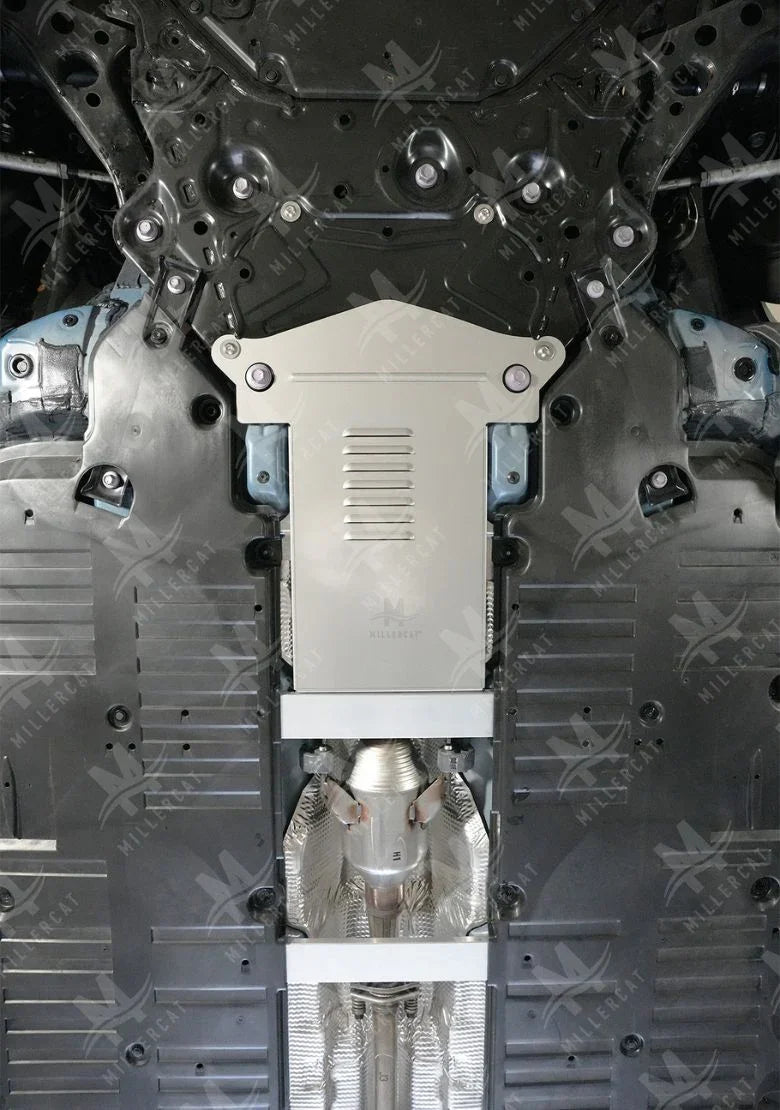
Look beneath your Prius for dents, cracks, or rust on the shield. Also check for missing bolts or bent tabs. A shield with holes or heavy rust should be replaced. Regular visual checks are easy and usually catch issues early.
Performance Issues
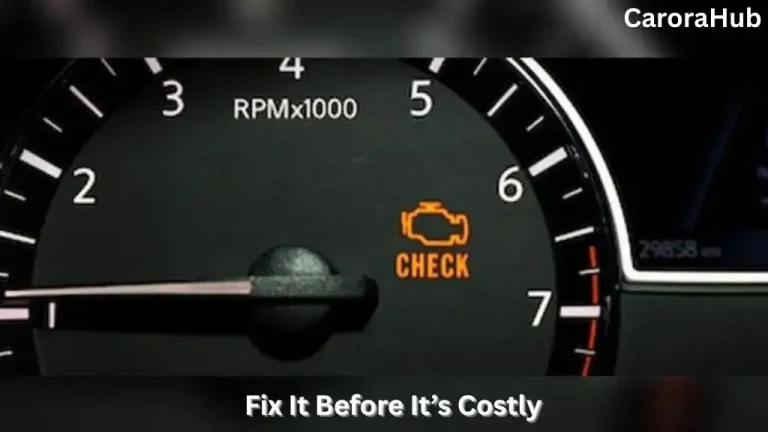
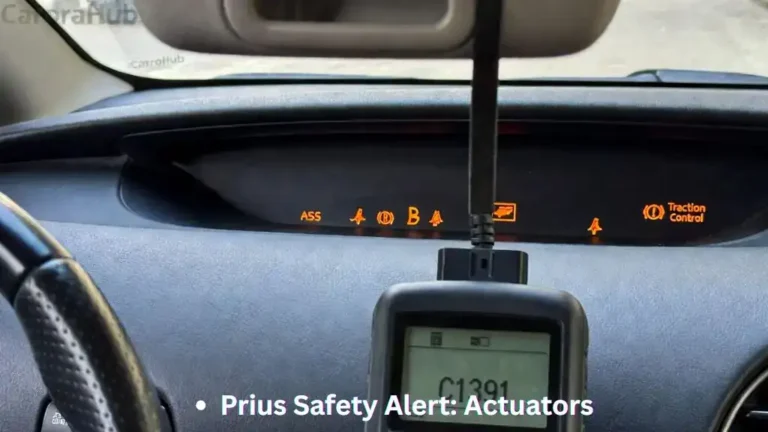
If your Prius loses power, uses more fuel, or shows the check engine light, the converter or shield may be a cause. A damaged shield can let the converter overheat or fail. If you see these signs, have the exhaust and emissions system scanned by a mechanic.
Credit: millercat.com
Installation And Replacement Tips
Installing or replacing the catalytic converter shield on a Toyota Prius is a common DIY job. I’ve replaced a few myself. With the right tools and safety steps, it’s straightforward. Still, if you’re unsure, a trusted mechanic can do it quickly and correctly.
Proper Tools Required
Have these basic tools on hand:
- Socket wrench set (metric sizes common on Toyotas)
- Jack and jack stands or ramps
- Safety gloves and eye protection
- Flathead screwdriver or trim tool for clips
- Penetrating oil for rusty bolts
- Flashlight or work light
I always use penetrating oil on bolts that look rusty. Let it soak for a few minutes before removing bolts. This helps avoid broken fasteners.
Step-by-step Installation
Here’s a clear, safe way to swap a shield. It’s how I do mine:
- Park on level ground. Engage the parking brake.
- Lift the car with a jack and secure with jack stands. Or use ramps.
- Locate the catalytic converter shield under the car.
- Spray penetrating oil on bolts if needed. Wait a few minutes.
- Remove the bolts and clips holding the old shield. Keep hardware if it’s in good shape.
- Remove the old shield carefully. Watch for sharp edges.
- Position the new shield and start bolts by hand so threads align.
- Tighten bolts to firm snug. Don’t overtighten — you could strip threads.
- Lower the car. Do a short drive and listen for rattles.
A few tips: lift only as high as needed, never rely on the jack alone, and use a helper if possible. If bolts spin or strip, stop and get proper replacement fasteners.
When To Replace
Replace the shield when you see severe rust, cracks, or large dents. Replace it immediately if parts are hanging or rubbing other components. Also replace a shield after converter work or if clips and bolts are missing. I recommend checking the shield during oil changes or tire rotations so you catch wear early.
DIY vs Professional Installation
Most DIYers can replace the shield in an hour with basic tools. However, if you find corroded bolts, damage to the exhaust, or weird emissions codes, get a pro. A shop can check the oxygen sensors and the catalytic converter while they’re under the car.
Benefits Of A Quality Shield
A good catalytic converter shield gives clear benefits. I’ve found that upgrading to a higher-quality shield reduces time spent in the shop and lowers long-term costs. Here’s what a quality shield delivers:
Improved Safety
A strong shield cuts heat transfer and stops debris strikes. This lowers the chance of fires and keeps hoses and wiring safer. Safe underbody temps mean fewer surprise breakdowns.
Enhanced Vehicle Longevity
Protecting the catalytic converter helps the whole exhaust system. A shield reduces the chance of cracks and early failures. That saves you money and keeps the Prius reliable longer.
Emission Control Support
The converter cleans exhaust gases. A shield helps it stay hot enough to do that job well. That supports emissions tests and keeps harmful gases low. It’s a small part that helps your Prius stay eco-friendly.
Theft Deterrence and Security
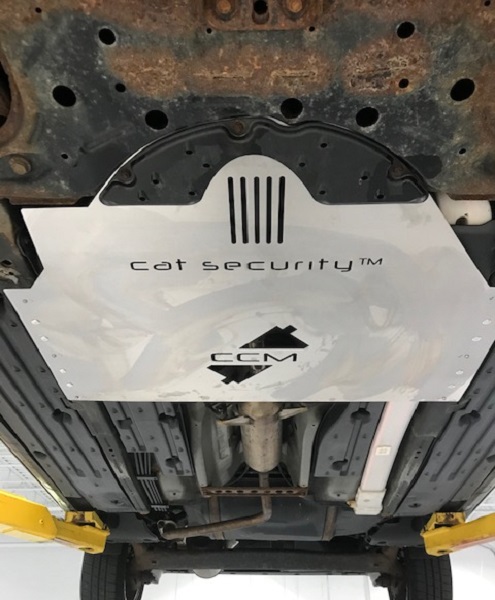
In recent years, catalytic converter theft has risen. A solid shield can add a layer of deterrence. Some shields are designed to make the converter harder to cut out. If theft is a concern where you live, consider a heavy-duty shield or a theft-resistant cage. I recommend parking in well-lit areas or a garage when possible.
Common Myths About Catalytic Converter Shields
There’s a lot of confusion about shields. I hear the same myths from other Prius owners. Let’s clear them up so you know what to expect.
Shield Prevents All Damage
A shield protects from heat and small impacts. It does not stop damage from a high-speed crash or a large rock. Think of it as added protection, not an invincible cover.
Any Shield Fits All Models
Not all shields fit every Prius. Model years and generations change underbody shapes. Always get a shield made for your Prius model (Gen3, Gen4, Gen5, etc.). A correct fit gives better coverage and fewer fitment headaches.
Shields Affect Engine Performance
A properly installed shield does not change engine power or fuel economy. It protects the converter. If you see performance changes after installing a shield, check for loose parts or a damaged converter instead.
Maintenance Tips For Longevity
Maintaining the Toyota Prius catalytic converter shield is simple. Regular care extends both the shield and converter life. Below are practical steps I use to keep things in top shape.
Regular Inspections
Inspect the shield every few months. Look for dents, rust, loose bolts, or anything hanging down. Early checks prevent bigger repairs later. I include this quick check during oil changes or tire rotations.
Cleaning Methods
Clean the shield gently. Use a soft brush or cloth and mild soap and water. Avoid harsh chemicals that can strip coatings. Let the shield dry fully before driving. Cleaning helps you spot damage and slows corrosion.
Avoiding Harsh Conditions
Drive carefully on rough roads and avoid deep water. Park in a garage or shaded spot when you can. These small habits reduce hits and heat exposure. Over time, they cut down on wear and help the shield last longer.
Checklist: Quick Monthly Shield Review
- Listen for rattles or bangs during a short drive.
- Look under the car for visible rust, dents, or loose bolts.
- Touch suspect areas (when cool) to feel for looseness.
- Note any check engine lights and get a diagnostic scan if needed.
Credit: carspecmn.com
Frequently Asked Questions
What Is The Purpose Of A Prius Catalytic Converter Shield?
The shield protects the catalytic converter from heat damage and road debris. It helps maintain optimal converter performance and longevity. This protection also reduces fire risk and prevents costly repairs.
How Does The Shield Improve Prius Catalytic Converter Life?
By deflecting heat and physical impacts, the shield prevents damage to the converter. It maintains consistent temperatures for efficient emissions control. This extends the converter’s lifespan and keeps the Prius running clean.
Can A Damaged Shield Affect Prius Emissions?
Yes, a damaged or missing shield can expose the catalytic converter to harm. This may reduce converter efficiency and increase harmful emissions. Proper shield maintenance ensures emissions stay within legal limits.
Is The Catalytic Converter Shield Easy To Replace On A Prius?
Yes, the shield is typically easy to replace with basic tools. It is secured by bolts and clips under the vehicle. Timely replacement prevents damage and costly exhaust system repairs.
Where to Buy and What to Look For
If you shop for a shield, pick one that lists fitment for your Prius model year. Read reviews and look for corrosion-resistant finishes and secure mounting hardware. Trusted brands and OEM options are often worth the small extra cost.
Bottom Line
A Toyota Prius catalytic converter shield protects important parts from heat damage. It helps keep the converter safe from road debris and harsh weather. This shield supports your car’s performance and reduces repair costs. Keeping the shield in good shape helps your Prius run smoothly.
Simple care can extend your vehicle’s life and save money. Remember, a strong shield means a stronger car overall. Take care of it, and your Prius will thank you.

Hello, I’m Norman. I work as a car researcher. I am the voice behind CaroraHub. I have over 15 years of experience. I give simple and useful car advice. I help with car care, cleaning, and small repairs. My goal is to help you keep your car healthy. I want car care to be easy and cheap for you. You can trust my tips to keep your car working well for a long time.