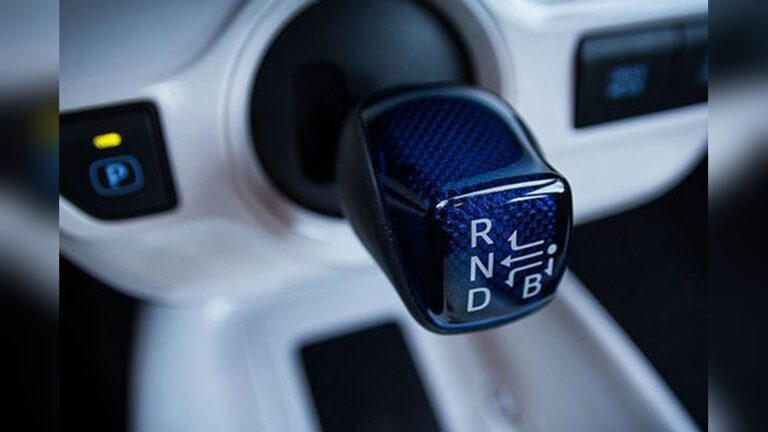
Stop wasting money on parts that don’t fit. Navigating Prius accessories OEM vs aftermarket is the key to balancing seamless factory integration with budget-friendly customization. I’ll help you weigh fit, finish, warranty impact, and resale value so you make the right call for your hybrid’s performance and long-term value.
This decision affects how your Prius drives, how it looks, and how much value it keeps. You want accessories that fit, last, and actually add value. Below I break down the real pros and cons of OEM versus aftermarket Prius accessories, based on hands-on experience and what I’ve learned from other Prius owners.
By the end, you’ll know which choice fits your needs and budget best. Read on to make smarter upgrades for your Prius.
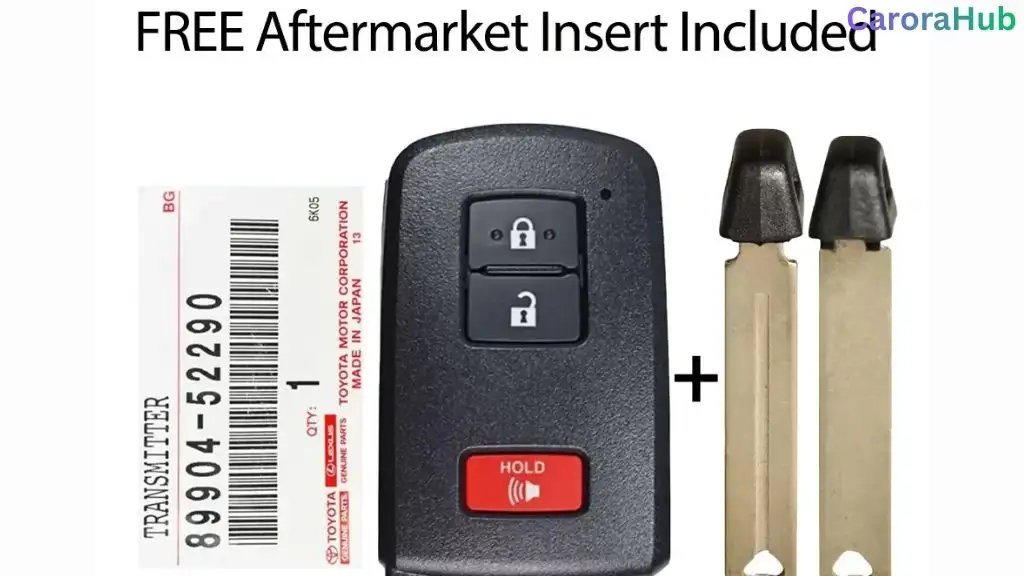
The Toyota Prius has many accessory choices. These items let you protect, personalize, and improve your car. You can pick OEM parts from Toyota or go aftermarket. Each path has trade-offs in fit, cost, durability, and warranty. I’ll walk you through what matters and why.
Accessories can protect your Prius and< add comfort or convenience. Some upgrade style. Some boost safety or utility. Pick parts that match your priorities—whether that’s resale value, everyday protection, or a custom look.
Read More: What Accessories are Available for Toyota Prius
OEM Accessories Features
OEM accessories for your Prius are made or approved by Toyota. They match the car’s design, materials, and safety standards. In my experience, OEM parts give the best chance of a perfect fit and trouble-free operation. They are designed for compatibility with hybrid systems, body panels, and interior trim.
OEM parts come with dealer support and a warranty. That matters when you want easy service and clear answers. For many owners, that reliability is worth the higher price.
Quality And Fit
OEM accessories use materials chosen for the Prius. They pass factory tests and meet Toyota’s safety rules. That means floor mats fit toe-to-pedal areas well. Roof racks match mounting points. Lighting matches vehicle electronics. In short: less guesswork and fewer fit problems.
Because they fit right, OEM parts usually install faster. You also avoid the trimming and rework that sometimes comes with cheaper aftermarket pieces.
Warranty And Support
OEM accessories typically include a manufacturer or dealer warranty. That covers defects and gives you recourse if a part fails. Dealer support also means access to trained technicians who know Prius specifics—like wiring harnesses for accessories tied to the hybrid system.
If preserving your factory warranty and resale value is a priority, OEM is the safer bet. It reduces questions from buyers later on and keeps service records tidy.
Aftermarket Accessories Features
Aftermarket accessories are made by third-party companies. They give more choices in style, price, and function. From custom seat covers to high-output LED conversions, the aftermarket lets you personalize your Prius beyond factory options.
I’ve installed a few aftermarket items on my Prius. Some were great value. Others needed tweaks. The key is vetting the brand and reading reviews before you buy.
Variety And Customization
Aftermarket parts come in wide styles and trims. You’ll find options OEM rarely offers. Examples:
- Custom-fit all-weather liners with deeper channels for mud and snow.
- Sport spoilers and trim pieces for a unique look.
- Alternative infotainment units with Apple CarPlay or Android Auto.
- Dash cams and hardwired security systems for added protection.
These let you tailor your Prius to your lifestyle. Just be careful: not every option fits perfectly, and some require wiring or trimming.
Cost Considerations
Aftermarket parts often cost less than OEM. That’s why they are popular. You can save money or get higher-end features for the same budget. But price varies. A low price can mean lower quality. Spend a little more for trusted brands. Read reviews and check return policies.
My rule: buy aftermarket from reputable sellers. Look for clear fitment data, warranty info, and customer photos. Those details save headaches.
Comparing OEM And Aftermarket
Choosing between OEM and aftermarket accessories comes down to priorities: fit, cost, warranty, and personalization. Below I break the key differences into practical points you can use when shopping.
Durability And Performance
OEM parts usually match factory durability. They are built for long-term fit and finish. Aftermarket parts vary. High-quality aftermarket items can equal OEM in durability. Cheaper ones may fail sooner. If an accessory affects safety (brake parts, lighting, roof racks), lean OEM or trusted aftermarket brands with certifications.
Installation Ease
OEM accessories typically bolt on cleanly. No cutting or extra brackets. That saves time and reduces risk. Aftermarket installs may need tools, adapters, or fabric trimming. Some installs are simple. Others are best left to pros. I always check installation guides and watch videos before I buy.
Impact On Vehicle Warranty
OEM parts keep your dealer paperwork consistent. They rarely raise warranty questions. Aftermarket parts usually don’t void the full vehicle warranty, but they can if they cause damage. The Magnuson-Moss Warranty Act in the U.S. protects consumers, but dealers may push back. If warranty impact matters, ask the dealer or keep receipts and documentation for any aftermarket installs.
Resale Value and Buyer Perception
Buyers often prefer cars with dealer-maintained records and OEM accessories. Smart aftermarket upgrades (like quality floor liners or a dash cam) can add appeal, but major visual mods can lower value for conservative buyers. If you plan to sell within a few years, choose discreet, reversible upgrades.
Choosing The Right Accessories
Picking the right accessories starts with clear goals. Do you want protection, comfort, safety, or style? Below I give a short checklist and buying tips I use personally.
Assessing Your Needs
Ask yourself:
- Do I need protection from weather (all-weather mats, cargo liners)?
- Do I need tech upgrades (dash cam, wireless charging, infotainment)?
- Is resale value a priority?
- Will an accessory affect vehicle systems (electrical, hybrid components)?
Answering these helps narrow choices quickly.
Budget Planning
Set a budget for each accessory. Here’s a quick guide from my experience:
- Low-cost protection (floor mats, sunshades): $20–$150.
- Mid-range functional upgrades (dash cam, roof rack): $100–$500.
- Higher-end options (infotainment head units, performance parts): $400+.
Balance cost with expected lifespan. Spending a bit more on durable items often pays off.
Research Tips
Research is where you win or lose. I recommend:
- Reading multiple reviews, including user photos.
- Checking fitment lists for your Prius year and trim.
- Confirming return and warranty policies.
- Watching installation videos to spot tricky steps.
Forums and Prius owner groups are great for real-world advice. They often flag problem parts quickly.
How to Verify Aftermarket Quality
Look for these signals of good quality:
- Clear product specifications and fitment guides.
- Third-party certifications (e.g., DOT for lights).
- Positive long-term owner reviews.
- Easy access to support and spare parts.
Popular Prius Accessories Picks
Below are common accessory choices. I list why owners pick them and whether OEM or aftermarket often makes sense.
Top OEM Accessories
Popular OEM picks and why they work:
- Model-fit floor mats — precise cut, minimal slippage.
- Roof racks — match factory mounting points and carry capacity.
- Wireless phone chargers — integrate with Prius trim and wiring.
- LED fog lights or OEM-style bulbs — designed for vehicle circuits and optics.
OEM is best when fit, safety, and warranty peace of mind matter most.
Top Aftermarket Accessories
Aftermarket favorites I’ve seen and used:
- All-weather floor liners (deeper channels than OEM). Great for snow and mud.
- Dash cams — lots of options with varying video quality and features.
- Seat covers — big style and color choices, protect original upholstery.
- Upgraded speakers or subwoofers — better audio for long commutes.
These often give more features per dollar. Just confirm fit and wiring compatibility first.
Maintenance And Care
Good maintenance keeps accessories working and looking new. Whether OEM or aftermarket, parts need cleaning and checks. I keep a simple routine and it saves time and money.
Cleaning Tips
Simple cleaning tips I follow:
- Use mild soap and water for most plastics and mats.
- Shake or vacuum mats before washing to remove grit.
- Dry metal or electronic parts fully before reinstalling to prevent rust and shorts.
- Avoid harsh solvents on trim and upholstery; they can fade colors and damage finishes.
When To Replace Accessories
Replace items when they show clear wear: cracks, tears, warped fit, or electrical faults. Worn accessories can reduce safety. If an aftermarket piece never fit well, consider switching to OEM or a better-quality aftermarket alternative. Regular checks keep the Prius safe and retain value.
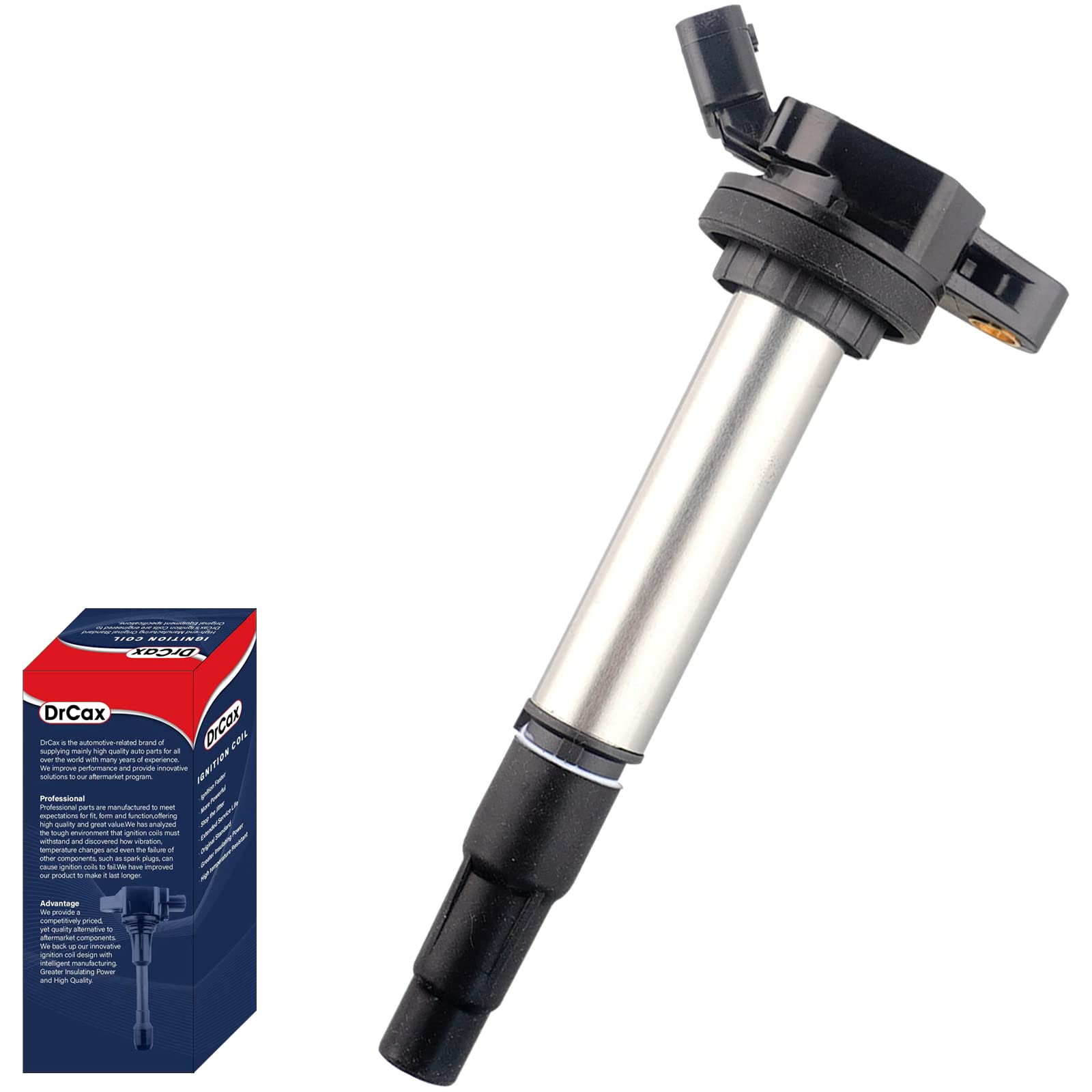
Credit: Amazon
FAQs About Prius Accessories OEM Vs Aftermarket
Are Aftermarket Prius Accessories Safe To Use?
Many aftermarket accessories are safe if you buy from trusted makers and check reviews. Safety-sensitive items—like lighting, roof racks, or anything that ties into electrical systems—should meet certifications. When in doubt, consult a pro or use OEM for critical parts.
Do OEM Prius Accessories Cost More Than Aftermarket Ones?
Yes. OEM accessories usually cost more because of brand assurance, fit, and warranty coverage. Aftermarket parts can be less expensive and sometimes offer more features. Balance price against fit, finish, and expected lifespan.
Can Aftermarket Accessories Affect Prius Warranty?
Installing aftermarket accessories usually won’t void the whole Prius warranty. However, if an aftermarket part causes damage, the dealer can deny warranty coverage for the related repairs. Keep receipts and consult your dealer if you’re unsure.