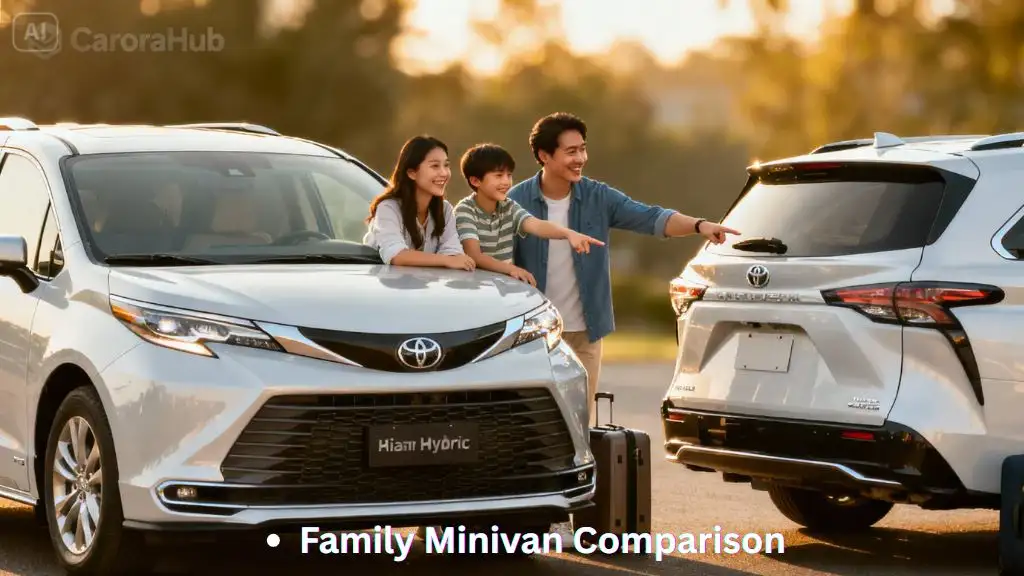
Are you trying to decide between the Toyota Sienna Hybrid and the non-hybrid version? Performance matters a lot when choosing the right minivan for your family, daily drives, or road trips.
You want a ride that feels smooth, powerful, and efficient every time you get behind the wheel. In this post, you’ll discover how these two models stack up against each other in real-world driving. By the end, you’ll know which Sienna matches your needs and driving style perfectly.
Keep reading to find out which one gives you the best balance of power and efficiency.
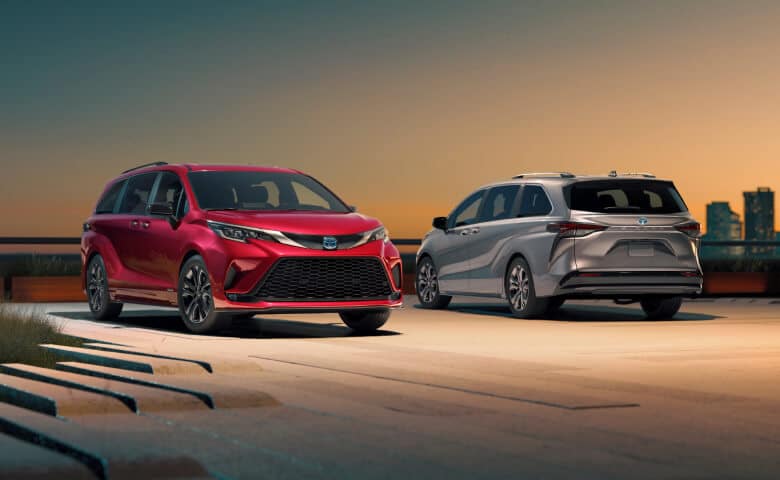
Credit: www.longotoyotaofprosper.com
Engine And Powertrain
The engine and powertrain are key to understanding the Toyota Sienna’s performance. This section compares the hybrid and non-hybrid models. It shows how each system works and what power they deliver. The differences affect fuel efficiency, driving feel, and overall performance.
Hybrid System Components
The Sienna Hybrid uses a combination of a gasoline engine and electric motors. The system includes a battery pack, inverter, and electric motor generators. These parts work together to provide smooth power and better fuel economy. The electric motors assist the engine during acceleration and can power the vehicle alone at low speeds.
Traditional Engine Specs
The non-hybrid Sienna comes with a standard gasoline engine. It is a 3.5-liter V6 engine, known for its strong performance. This engine uses a traditional automatic transmission. It offers reliable power but consumes more fuel compared to the hybrid system. Maintenance is simpler without the hybrid components.
Power Output Comparison
The hybrid Sienna produces around 245 horsepower. The electric motors add instant torque for quick starts. The non-hybrid V6 engine delivers about 296 horsepower. It offers more raw power but less efficiency. The hybrid balances power with lower fuel use for daily driving.
Fuel Efficiency
Fuel efficiency is a key factor for many drivers choosing between the Toyota Sienna Hybrid and the non-hybrid model. It affects how often you visit the gas station and your overall running costs. Understanding the differences in fuel use can help you decide which version fits your needs best.
City Mileage
The Sienna Hybrid excels in city driving. It uses electric power at low speeds, saving fuel. The non-hybrid model burns more gas in stop-and-go traffic. This makes the hybrid ideal for urban areas.
Highway Mileage
On highways, both versions perform well, but the hybrid still leads. It switches between gas and electric power smoothly. The non-hybrid uses a traditional engine that consumes more fuel. Long trips benefit from the hybrid’s efficient system.
Overall Consumption
The hybrid consumes less fuel overall. It combines a gas engine with an electric motor. This mix reduces fuel use during daily driving. The non-hybrid relies only on gasoline, raising fuel costs. Choosing the hybrid means better savings at the pump.
Acceleration And Handling
The Toyota Sienna offers two main versions: hybrid and non-hybrid. Both have unique strengths in acceleration and handling. These aspects affect how the vehicle feels on the road. Understanding these differences helps choose the right model.
0-60 Mph Times
The hybrid Sienna uses an electric motor with a gas engine. This combo helps it reach 0-60 mph in about 7.2 seconds. The non-hybrid Sienna relies only on a gas engine. It usually takes closer to 8.5 seconds. The hybrid’s quicker acceleration feels smoother and more responsive.
Driving Dynamics
The hybrid Sienna offers a quieter ride due to its electric motor. It delivers steady power without sudden jumps. The non-hybrid can feel heavier and less nimble. It may require more effort during turns or quick moves. The hybrid’s power system improves overall driving comfort.
Suspension Differences
The suspension setup differs slightly between the two models. The hybrid Sienna has tuning that prioritizes smoothness and stability. It absorbs bumps well on city roads and highways. The non-hybrid suspension is stiffer, aiming for a firmer feel. This can make the ride feel rougher on uneven surfaces.
Emissions And Environmental Impact
The Toyota Sienna Hybrid and Non-Hybrid models differ greatly in emissions and environmental impact. This section breaks down the key points to understand their effects on the planet. Emissions affect air quality and climate change. Choosing the right vehicle can help reduce your carbon footprint.
Co2 Emissions
The Sienna Hybrid emits less CO2 than the Non-Hybrid version. Hybrid technology uses electric power to lower fuel consumption. This leads to fewer harmful gases released into the air. The Non-Hybrid model relies only on gasoline, producing more emissions. Lower CO2 means cleaner air and less harm to the environment.
Eco-friendly Features
The Hybrid Sienna includes features that support greener driving. It uses regenerative braking to save energy and recharge the battery. The engine shuts off when idling to reduce waste. These features help the vehicle run more efficiently. The Non-Hybrid model lacks these eco-friendly systems.
Long-term Benefits
Choosing the Hybrid offers benefits beyond just emissions. It reduces fuel costs with better mileage. Less pollution means fewer health risks for communities. Over time, it supports efforts to slow climate change. The Non-Hybrid may cost less upfront but can harm the environment more.
Cost And Value
Choosing between the Toyota Sienna Hybrid and Non-Hybrid often depends on cost and value. These factors affect your budget and long-term satisfaction. Understanding differences in price, upkeep, and resale helps make a smart choice.
Initial Purchase Price
The Sienna Hybrid usually costs more at purchase. This is due to its advanced battery and technology. The Non-Hybrid model has a lower starting price. Buyers pay less upfront but miss hybrid fuel savings.
Maintenance Costs
Hybrid models often have lower fuel costs. Their engines use less gas on daily drives. Maintenance on the hybrid battery can add some cost. Non-Hybrid models may need more engine repairs over time. Overall, hybrids can save money on upkeep.
Resale Value
Hybrids tend to hold their value better. Buyers look for fuel-efficient vehicles in used car markets. Non-Hybrids may lose value faster. The hybrid’s technology appeals to eco-conscious buyers. This keeps resale prices higher.
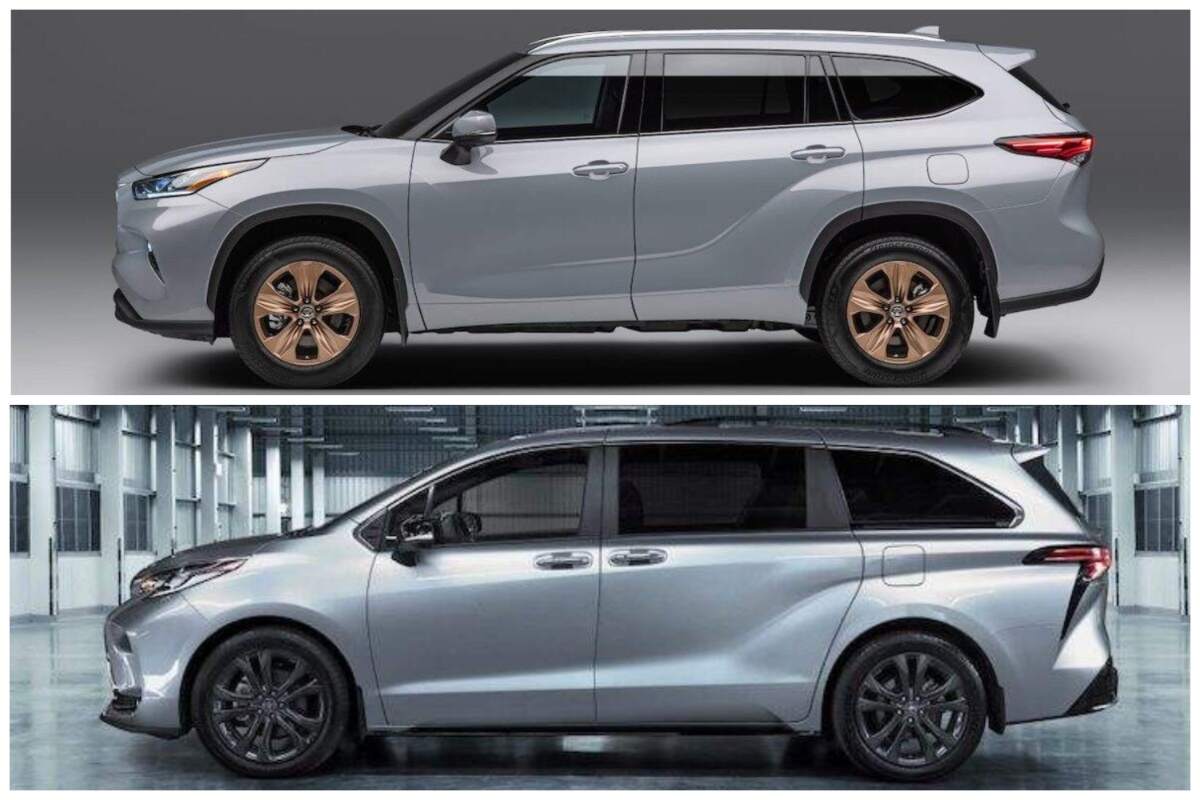
Credit: www.motorbiscuit.com
Comfort And Interior Features
The comfort and interior features of the Toyota Sienna Hybrid and non-hybrid models offer a pleasant driving experience. Both versions focus on space, technology, and quietness inside the cabin. These elements affect how you feel during short trips or long journeys.
Cabin Space
The Sienna Hybrid and non-hybrid both provide roomy cabins. Passengers enjoy ample headroom and legroom across all seats. The hybrid model keeps the same space without sacrificing battery placement. Storage areas are practical, with easy-to-reach compartments. Families find the seating flexible, with options to fold or remove seats.
Technology And Infotainment
Both models include user-friendly infotainment systems. Touchscreens display clear graphics and respond quickly. Apple CarPlay and Android Auto come standard, making phone integration simple. Hybrid models may offer extra features like energy monitoring screens. Sound systems deliver good audio quality for music and calls.
Noise Levels
The hybrid Sienna tends to be quieter, especially at low speeds. Electric motor use reduces engine noise in stop-and-go traffic. Non-hybrid versions produce more engine sound during acceleration. Both models include sound insulation to limit road and wind noise. The quiet cabin adds to overall comfort on the road.
Safety And Reliability
Safety and reliability are key factors for families choosing a minivan. Toyota Sienna offers strong options in both hybrid and non-hybrid models. Each version aims to keep passengers safe and provide dependable performance over time. Understanding their safety features and durability helps buyers make a smart choice.
Safety Ratings
Both Sienna Hybrid and non-hybrid earn high safety scores. The National Highway Traffic Safety Administration (NHTSA) rates them with five stars overall. The Insurance Institute for Highway Safety (IIHS) gives top marks for crashworthiness. These ratings show strong protection in accidents. Safety remains a priority regardless of the engine type.
Driver Assistance Features
Toyota equips both versions with a suite of driver aids. Standard features include adaptive cruise control and lane departure alerts. Automatic emergency braking is also part of the package. The hybrid and non-hybrid models share these technologies. They help reduce risks and support confident driving on any trip.
Long-term Durability
Toyota vehicles have a reputation for lasting many years. The Sienna is built with quality materials and solid engineering. Hybrid components add complexity but do not reduce reliability. Regular maintenance keeps both models running smoothly. Owners report few major issues even after extended use.

Credit: www.toyotaofrenton.com
Driving Experience
The driving experience of the Toyota Sienna varies between the hybrid and non-hybrid models. Both offer unique qualities that affect how the vehicle feels on the road. Understanding these differences helps drivers choose the right version for their needs.
Smoothness And Quietness
The Sienna Hybrid runs with an electric motor and gas engine. This combination makes the ride very smooth. It reduces engine noise during slow speeds or stop-and-go traffic. The non-hybrid model uses a traditional gas engine, which can be louder. Road vibrations feel softer in the hybrid. The non-hybrid may feel a bit rougher on uneven roads.
Responsiveness
The hybrid model delivers instant torque from the electric motor. This gives quick acceleration from a stop. It responds well in city driving. The non-hybrid has a powerful V6 engine that feels strong on highways. It may take longer to reach full power than the hybrid. Both models handle well, but their power delivery feels different.
User Feedback
Many drivers praise the hybrid for its quiet and calm ride. They like the smooth start and stop in traffic. Some say the non-hybrid feels more traditional and sporty. It provides a familiar driving experience. Both versions get good reviews for comfort and control. User opinions vary based on personal driving style and preferences.
Frequently Asked Questions
What Are The Main Performance Differences Between Sienna Hybrid And Non-hybrid?
The Sienna Hybrid offers better fuel efficiency and smoother acceleration. The Non-Hybrid delivers slightly more horsepower. Hybrids excel in city driving, while Non-Hybrids perform well on highways and towing.
How Does Fuel Economy Compare In Sienna Hybrid Vs Non-hybrid?
The Sienna Hybrid achieves around 36 MPG combined, significantly higher than the Non-Hybrid’s 19-21 MPG. This makes the hybrid ideal for saving fuel and reducing emissions in daily driving.
Is The Toyota Sienna Hybrid Slower Than The Non-hybrid?
No, the Sienna Hybrid is not slower. It provides instant torque from the electric motor, ensuring smooth and responsive acceleration. The Non-Hybrid has more engine power but less torque at low speeds.
Which Sienna Model Is Better For Towing Performance?
The Non-Hybrid Sienna has a higher towing capacity, usually up to 3,500 pounds. The Hybrid is rated lower, around 3,500 pounds or less, making the Non-Hybrid better suited for heavy towing needs.
Bottom Line
Choosing between the Toyota Sienna Hybrid and non-hybrid depends on your needs. The hybrid offers better fuel economy and lower emissions. The non-hybrid may provide a traditional driving feel and possibly lower upfront costs. Both models deliver solid performance and comfort for families.
Think about your daily driving habits and budget. Each version suits different priorities. Either way, the Sienna remains a reliable and spacious minivan. Consider what matters most before making your choice.

Hello, I’m Norman. I work as a car researcher. I am the voice behind CaroraHub. I have over 15 years of experience. I give simple and useful car advice. I help with car care, cleaning, and small repairs. My goal is to help you keep your car healthy. I want car care to be easy and cheap for you. You can trust my tips to keep your car working well for a long time.