Owning a Toyota Prius means you chose efficiency and reliability. I made that choice years ago. I also learned the hard way that one small, out-of-sight part can cost a lot if it fails: the catalytic converter. It cuts harmful emissions. It also sits under the car and faces water, salt, and grime. Rust will shorten its life. Rust can cause holes, leaks, poor performance, and big repair bills. In my experience, protecting the catalytic converter saves money and hassle. This guide shows why rust forms, what to watch for, and how to protect your Prius step by step. I write in plain language, and I share practical tips I use myself.
Why this matters for SEO and searchers: if you searched for “Toyota Prius catalytic converter rust,” “catalytic converter corrosion,” or “protect Prius exhaust from rust,” this article answers what to do and why. It also names products, materials, and tactics that work.
Why Rust Is A Serious Problem For Your Prius Catalytic Converter
The catalytic converter is mostly metal and sits under the car. That makes it easy to hit with water, salt, and road grit. Rust happens when metal meets water and oxygen. On a Prius, the converter has extra risk because:
- Low ground clearance: The Prius rides close to the road. That means more spray and salt hits the converter.
- Thin metal construction: Toyota and other makers use thinner metal on some parts to save weight and boost MPG. Thin metal rusts faster.
- Short trips and condensation: Short drives don’t heat the exhaust enough to dry it out. Moisture stays inside pipes and the converter.
- Winter road salt: Salt speeds up chemical corrosion. It’s the fastest way to turn surface rust into real damage.
Rust can cause holes or full failure. Symptoms include rattling, loud exhaust, lower performance, or a check engine light. Replacing a Prius catalytic converter commonly costs $1,000–$2,500 or more. That’s why prevention matters.
How Rust Forms On Catalytic Converters
Rust (iron oxide) forms when metal touches water and oxygen. For converters, the main drivers are:
- Heat/cool cycles: The exhaust heats up and then cools each trip. That change leads to condensation inside and out.
- Road splash: Water, mud, and salt splash up and cling to the undercarriage and seams.
- Salt and de-icers: Salt and chemicals used to melt ice attack metal fast.
- Blocked drainage: Leaves or mud can block drains, so water pools around the converter.
Other related parts that affect rust risk: the exhaust manifold, oxygen sensors (O2 sensors), heat shields, hangers, and pipe flanges. Corrosion on those parts can spread or create exhaust leaks that speed damage.
Non-obvious Insight
Many think rust only comes from snow and ice. But high humidity, coastal salt air, or parking on grass can raise undercarriage moisture. I once parked on wet grass for a week and noticed more underbody dampness. That gave rust a head start.

Credit: olysundercoating.com
Signs Your Prius Catalytic Converter Is Suffering From Rust
Catching rust early helps you fix it cheaply. Watch for these signs:
- Rattling under the car, especially at startup or idle.
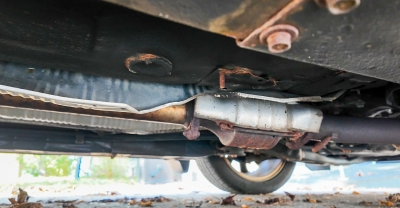
- Visible rust or flaking on the converter body or pipe joints.
- Check engine light (often from sensor faults or exhaust leaks).
- Reduced fuel economy or sluggish acceleration.
- Strong exhaust smell—this can mean gases escape before they get cleaned.
If you see any of these, inspect the converter or bring the car to a trusted mechanic. Early action can save the part or prevent wider exhaust damage.
Most Effective Ways To Protect Your Prius Catalytic Converter From Rust
These are practical, proven steps I recommend and use. Mix and match based on your climate and how long you’ll keep the car.
1. Regular Inspection And Cleaning
Make inspections routine. I check mine every 2–3 months and after heavy winter use. Steps:
- Use a flashlight to scan the catalytic converter, pipe flanges, hangers, and heat shields.
- After driving on salted roads, rinse the undercarriage. You can use a garden hose, pressure washer on low, or a car wash with an underbody spray.
- Remove mud or debris that can trap moisture.
Pro tip: Don’t let debris build up near welds and seams. Even small patches of dirt hold water and speed rust.
2. Apply High-temperature Anti-rust Coatings
High-temp anti-rust sprays are designed for exhaust. They resist heat and help protect metal surfaces.
- Clean and dry the converter before applying.
- Spray a thin, even coat. Follow label cure times.
- Reapply annually or after heavy salt exposure.
Brands I trust: VHT FlameProof, POR-15 High Temp, Rust-Oleum Automotive High Heat. These resist very high temperatures (often to ~2,000°F / ~1,093°C).
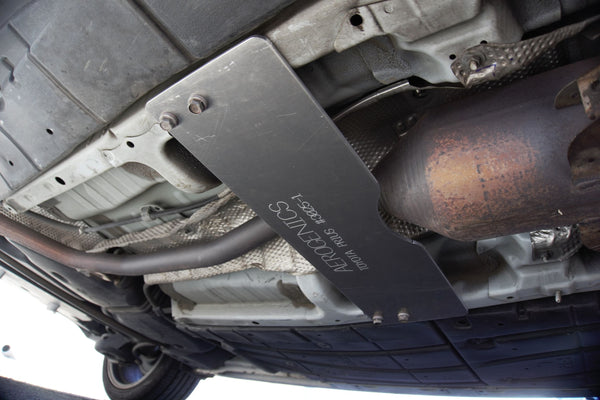
3. Install A Catalytic Converter Shield Or Cover
Shields are often sold as theft protection. They also reduce direct contact with water and road salt.
- Choose stainless steel or aluminum shields.
- Make sure it fits your Prius model and does not trap moisture.
- Shields can also help the converter warm up faster, reducing condensation.
4. Park Smart: Location Matters
Where you park changes the micro-climate under the car.
- Avoid parking on grass, dirt, or gravel for long periods.
- Park on concrete, asphalt, or in a garage when possible.
- Even a carport helps reduce overnight dew.
Non-obvious insight: Overnight dew can create undercarriage damp that adds up. A covered spot helps.
5. Use Undercarriage Washes In Winter
Salt is the enemy. Undercarriage washes flush it away.
- Aim for an undercarriage wash every 2–4 weeks in winter.
- Increase frequency if you drive on salted roads daily.
This step prevents salt from building up and starting corrosion.
6. Repair Chips And Scratches Immediately
A small exposed area can start rust.
- Inspect for chips on pipes, hangers, and shield edges.
- Use high-temp touch-up paint or a rust repair kit to seal exposed metal.
A little repair now prevents big failures later.
7. Avoid Short, Frequent Trips
Short trips keep the exhaust cool and let condensation build.
- Combine errands into longer drives.
- Run the car 15–20 minutes once a week to heat the exhaust fully.
That helps evaporate moisture inside the converter and pipes.
8. Install A Stainless Steel Catalytic Converter
If you need a replacement, choose stainless steel.
- Stainless resists rust far better than mild steel.
- It costs more up front but lasts longer.
Watch out for cheap aftermarket converters made from low-grade metal. Always check material specs.
9. Use A Rust-resistant Exhaust System
Consider upgrading the whole exhaust system.
- Look for stainless steel or aluminized steel systems.
- Replacing pipes and brackets reduces rust spread from nearby parts.
This is a long-term investment if you keep the car.
10. Keep Drainage Holes Clear
Your Prius has drainage points to let water out. If they clog, water pools.
- Check these holes during inspections.
- Clear debris with a stick or compressed air.
Blocked drains are a sneaky cause of undercarriage rust.
11. Avoid Aftermarket Add-ons That Trap Moisture
Not all accessories help. Large splash guards or poorly vented covers can trap water.
- Only use add-ons with proper vents and drainage.
- Check under them regularly for water or rust.
12. Choose The Right Cleaning Products
Some chemicals harm protective coatings.
- Use automotive-safe soaps and degreasers.
- Rinse thoroughly after cleaning.
Harsh household cleaners can strip coatings and speed corrosion.
13. Schedule Professional Inspections
Have a mechanic check the exhaust once a year—more if you live in a rust-prone area.
- Mechanics spot hidden rust and worn gaskets.
- They can recommend ceramic coatings or shields if needed.
14. Apply Ceramic Coatings
Ceramic coatings protect metal and handle heat well.
- They can be costly but last years.
- Useful if you drive in salty or coastal climates.
15. Monitor And Replace Gaskets
Leaky gaskets let water in and let exhaust gases escape.
- Listen for hissing or strong fumes.
- Replace worn gaskets promptly.
Leaky joints speed internal corrosion.
16. Keep Up With Prius Recalls And Service Bulletins
Toyota may issue recalls or bulletins about exhaust or rust issues.
- Check Toyota’s site or ask your dealer.
- Some repairs might be covered.
17. Use Dehumidifiers In Garage
If you keep your Prius in a garage, reduce humidity.
- Aim for under 50% humidity.
- This helps in coastal or tropical areas.
18. Avoid Parking Near Sprinklers Or Puddles
Even water from sprinklers keeps the undercarriage damp.
- Park away from sprinklers and puddles.
- Move your car if you see water pooling underneath.
19. Choose The Right Time For Protective Sprays
Timing matters for sprays and coatings.
- Apply before winter or rainy season so the product cures.
- Reapply after deep cleaning or heavy exposure.
20. Track Weather And Road Conditions
Be aware of local conditions.
- Use weather apps and local news to know when roads will be salted.
- Schedule washes and inspections around those times.
Comparison: Rust Resistance By Material Type
Choosing the right material helps long-term. This table compares common materials:
| Material | Rust Resistance | Typical Lifespan | Cost |
|---|---|---|---|
| Mild Steel | Poor | 3–5 years | Low |
| Aluminized Steel | Fair | 5–7 years | Medium |
| Stainless Steel | Excellent | 10+ years | High |
Stainless steel offers the best protection long-term, even if it costs more up front.
Comparing Protective Methods: Pros And Cons
A quick look at common methods:
| Protection Method | Effectiveness | Cost | Ease of Use |
|---|---|---|---|
| High-temp spray coating | High | Low | Easy |
| Ceramic coating | Very High | High | Professional |
| Catalytic converter shield | Medium | Medium | Moderate |
| Undercarriage washes | Medium | Low | Easy |
| Stainless steel replacement | Very High | Very High | Professional |
For most Prius owners, a combo of high-temp spray, regular undercarriage washes, and yearly professional checks is a strong, cost-effective plan.
Credit: aerogenicsusa.com
How Climate Impacts Rust Risk
Your local weather changes the risk and the right protections.
- Coastal areas: Salt in the air causes corrosion even without snow.
- Snowy regions: Salt plus moisture is a double threat.
- Dry, arid zones: Lower rust risk, but dew and rain still matter.
- Urban areas: Pollution and acid rain can speed corrosion.
If you live in a high-risk area, use stronger measures: ceramic coatings, stainless parts, and frequent washes.
What If Your Converter Already Has Rust?
Don’t panic. Here’s what I do depending on severity:
- Light surface rust: Use a wire brush to remove loose flakes. Clean and apply a rust converter or high-temp spray.
- Moderate rust: If you see pitting or small holes, use a rust repair kit with filler and protective coating.
- Severe rust or holes: If metal is soft or has large holes, replace the converter. Safety and emissions require a solid unit.
Pro tip: Always check for leaks after any repair. Even a small hole can affect emissions and trigger the check engine light.
Credit: www.dairylandinsurance.com
Common Mistakes To Avoid
I see these errors a lot. Avoid them:
- Using household paints: Only use high-temp rated products. Regular paint peels and can trap moisture.
- Neglecting underbody cleaning: Washing the top only leaves the critical undercarriage exposed.
- Ignoring early signs: Don’t wait until the rattling gets loud.
- Skipping pro help: Mechanics spot issues owners often miss.
Real-world Example: Prius Owner In A Snowy State
Sarah from Minnesota shared this story with me. After three harsh winters, her Prius had loud rattling. A mechanic found the catalytic converter rusted through. Her prevention plan now:
- Undercarriage washes every two weeks in winter.
- Applied a high-temp rust inhibitor before the first snow.
- Inspected the converter for chips after each winter.
She replaced the converter with a stainless steel unit and added a shield. That combo now protects her Prius for years.
How To Choose The Best Rust Protection For Your Prius
Here’s a simple decision guide I recommend:
- Live in a salty or humid area? Use high-temp coatings, frequent undercarriage washes, and a shield.
- Plan to keep the Prius for many years? Invest in stainless steel parts or a ceramic coating.
- Want a quick, affordable fix? Regular inspection, touch-ups, and good parking habits work well.
Mix methods. The best protection is layered protection.
Quick Maintenance Checklist (My Personal Routine)
I keep a short checklist on my phone. It takes minutes and pays off:
- Inspect undercarriage: every 2–3 months; monthly in winter.
- Rinse underbody: after heavy salt exposure or every 2–4 weeks in winter.
- Apply high-temp spray: before winter and yearly.
- Run a 15–20 minute drive weekly to dry the exhaust.
- Check drainage holes: during inspections.
- Replace leaky gaskets: immediately.
Tools and Products I Use and Recommend
- Flashlight or undercar creeper light.
- Wire brush and shop rags.
- VHT FlameProof or Rust-Oleum High Heat spray.
- High-temp touch-up paint / POR-15 High Temp.
- Undercarriage wash at the car wash or a garden hose with a spray wand.
- Stainless steel shield from a reputable vendor.
Always read product labels for compatibility with catalytic converters and exhaust systems.
Trusted Sources And Further Reading
For background on catalytic converter function and emissions, see this Wikipedia article on catalytic converters. It covers the science and standards behind these parts: https://en.wikipedia.org/wiki/Catalytic_converter
Frequently Asked Questions
How Often Should I Inspect My Prius Catalytic Converter For Rust?
Check every 3–4 months. Inspect monthly in winter or if you drive on salted roads. Look for rust, flaking, or holes.
Can Rust Be Removed From A Catalytic Converter?
Yes. Light surface rust can be brushed away and treated. Deeper rust may need a repair kit. Severe damage usually requires replacement.
Will A Catalytic Converter Shield Prevent Rust Completely?
No. A shield helps but is not a full solution. Combine it with cleaning, coatings, and good parking habits.
Is Stainless Steel Worth The Extra Cost For A Prius Catalytic Converter?
Yes, if you plan to keep the car for years. Stainless resists rust and can save money over time.
What Is The Biggest Mistake Prius Owners Make With Rust Prevention?
The biggest mistake is neglecting the undercarriage and waiting too long to treat rust. Regular checks and small repairs avoid big bills.
Protecting your Toyota Prius catalytic converter does not have to be hard. With regular checks, a few simple products, and good parking habits, you can cut rust risk a lot. I use these methods and have kept my Prius running clean and quiet for years. Start with one habit—like scheduling regular underbody rinses—and build from there. Your Prius will thank you.

Hello, I’m Norman. I work as a car researcher. I am the voice behind CaroraHub. I have over 15 years of experience. I give simple and useful car advice. I help with car care, cleaning, and small repairs. My goal is to help you keep your car healthy. I want car care to be easy and cheap for you. You can trust my tips to keep your car working well for a long time.