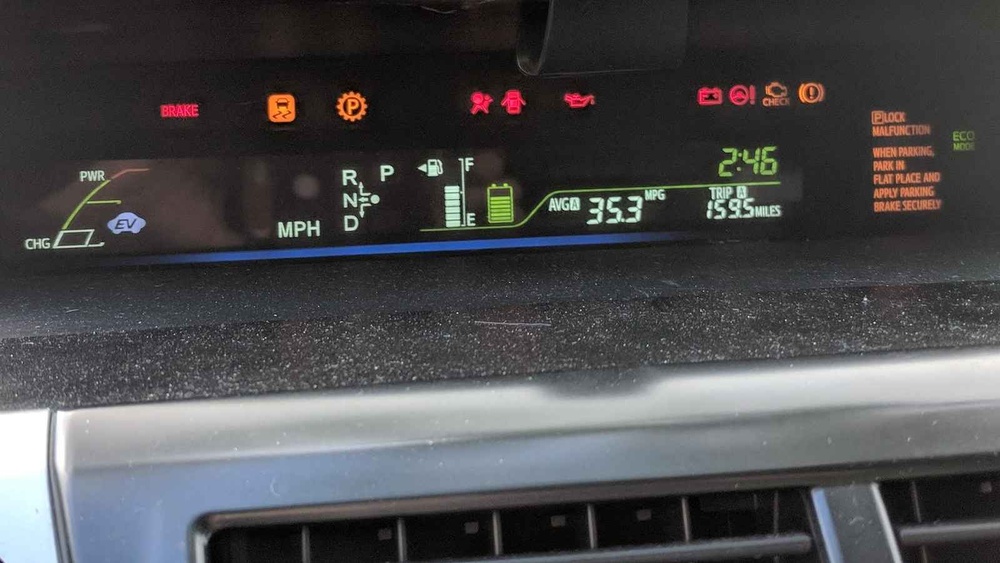
If you drive a Toyota Prius, you probably enjoy its smooth ride, fuel efficiency, and reputation for reliability. However, nothing can ruin your day like seeing a dashboard warning light suddenly appear. For many Prius owners, these warning lights create worry and confusion—what do they mean, and how serious are they? The truth is, most dashboard warnings are preventable with the right care and knowledge. Learning how to prevent Toyota Prius dashboard warning lights is essential for keeping your car safe, reliable, and stress-free.
In this guide, you will discover practical steps, expert tips, and insider advice to help you avoid dashboard problems before they start. We will cover common causes, maintenance routines, and strategies you might not have considered. You do not need to be a mechanic to follow these methods—just a little attention and good habits can save you time, money, and headaches.
Let’s make dashboard warning lights a rare event in your Prius journey.
Understanding Toyota Prius Dashboard Warning Lights
Before you can prevent dashboard warning lights, you need to know what they are and why they turn on. The Prius, like most modern cars, uses an On-Board Diagnostics (OBD) system. This system watches many parts of your car, from the engine to the brakes to the hybrid battery. When a problem is found, the system triggers a warning light on your dashboard.
These warning lights come in different colors:
- Red lights mean a serious issue that needs immediate attention.
- Yellow or orange lights signal caution—something needs checking soon.
- Green or blue lights are usually just informational, showing that a system is active.
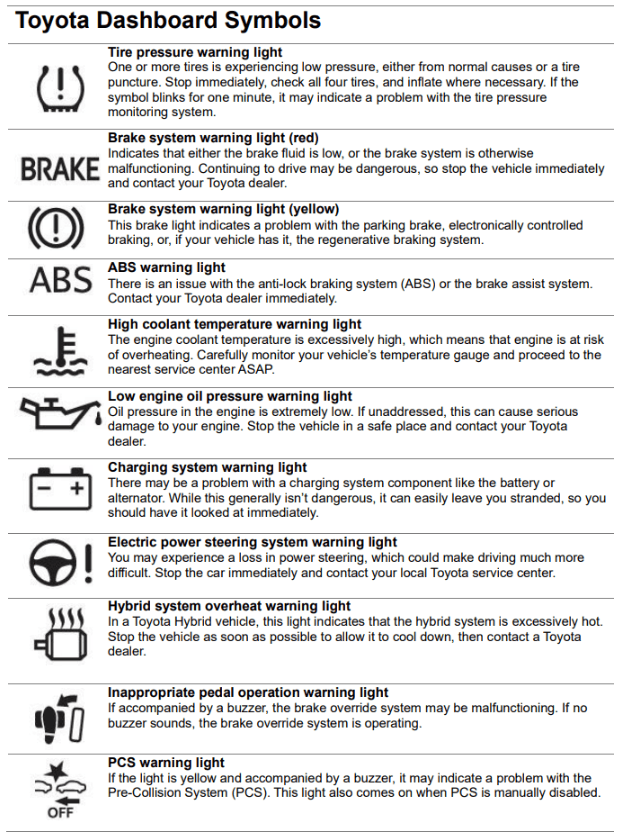
Some of the most common warning lights Prius drivers see include:
- Check Engine Light
- Hybrid System Warning
- ABS (Anti-lock Braking System) Light
- Tire Pressure Monitoring System (TPMS) Light
- Battery Warning Light
Most drivers only react when a light turns on, but with the right approach, you can avoid these problems completely.
Why Preventing Warning Lights Matters
It’s easy to ignore a small warning or hope it goes away. But ignoring dashboard lights can lead to:
- Higher repair costs: Small issues can become big ones if not fixed early.
- Unsafe driving: Some warnings are about brakes, steering, or airbags.
- Failed emissions tests: The check engine light can mean your car will not pass inspection.
- Reduced resale value: A history of dashboard problems lowers your car’s value.
By stopping warning lights before they start, you protect your wallet, your safety, and your Prius’s long-term health.
Regular Maintenance: The Foundation Of Prevention
Nothing stops dashboard problems better than regular maintenance. Toyota provides a maintenance schedule for every Prius model. Skipping even one oil change or checkup can lead to dashboard lights. Here’s what you should focus on:
Engine Oil And Filter Changes
Dirty or old oil can trigger the check engine light and harm your engine. Prius engines are designed for long life, but oil is their lifeblood. Change the oil and filter every 5,000 to 10,000 miles (check your manual for your model year).
- Always use the oil grade recommended by Toyota.
- Reset the oil maintenance light after each change.
Battery Health
The Prius uses two batteries: a 12V battery (like regular cars) and a hybrid battery. Both must be in good shape.
- Replace the 12V battery every 4-5 years or sooner if you notice weak starts.
- Avoid letting the car sit unused for weeks, as this drains the 12V battery.
- Hybrid batteries usually last 8-10 years, but extreme heat or cold can shorten their life.
Brake System Checks
The ABS and brake warning lights come on if the system senses a problem.
- Change brake fluid every 2-3 years.
- Replace brake pads before they wear down to the metal.
- Check for brake pedal softness or grinding noises.
Tire Pressure And Condition
The TPMS light signals low tire pressure, which affects handling and fuel economy.
- Check tire pressure at least once a month, including the spare.
- Inflate tires to the recommended PSI (found on the driver’s door sticker).
- Replace tires when tread is below 2/32 inch.
Air And Cabin Filters
A clogged air filter affects engine performance and can trigger the check engine light.
- Replace the engine air filter every 15,000 to 30,000 miles.
- Replace the cabin air filter at the same time for better air quality.
Fluid Levels
Low fluids can trigger warnings or damage systems.
- Check coolant, brake fluid, and windshield washer fluid monthly.
- Look for leaks under the car.
Spark Plugs And Ignition
Old spark plugs can cause misfires and check engine warnings.
- Replace spark plugs every 120,000 miles (or as recommended).
What Most Prius Owners Miss
Even careful owners sometimes overlook small details that cause warning lights. Here are two important areas often forgotten:
- Loose Gas Cap: A loose or damaged fuel cap is the most common reason for the check engine light. After refueling, always twist the cap until it clicks.
- Software Updates: Prius computers sometimes need updates, just like smartphones. Toyota dealers check for updates during service. These updates can fix issues before they trigger a warning light.
Credit: www.romeovilletoyota.com
Driving Habits That Reduce Warning Lights
How you drive has a big impact on dashboard warnings. Bad habits can stress your car’s systems and make problems more likely.
Gentle Acceleration And Braking
Fast starts and stops put stress on the hybrid system, brakes, and tires. Smooth driving saves fuel and reduces wear.
Avoiding Deep Water And Extreme Conditions
Driving through floods can damage electronics and set off warning lights. If you must drive in heavy rain or snow, go slowly and avoid deep puddles.
Warming Up In Cold Weather
In very cold climates, give your Prius a minute to warm up before driving. This helps the hybrid and gas systems work together smoothly.
Pay Attention To Early Warning Signs
Many dashboard lights are the last warning your Prius gives. Often, you will notice small signs before a light turns on:
- Strange noises (clicks, knocks, squeals)
- Unusual smells (burning, rotten eggs)
- Changes in handling or braking
- Flickering dashboard lights
Don’t ignore these signs—address them early to prevent bigger issues.
Hybrid System-specific Tips
The Prius is famous for its hybrid system, but this technology also brings unique warning lights. Here’s how to keep the hybrid system healthy:
Keep The Hybrid Battery Cool
The hybrid battery has a cooling fan and air intake (usually under the rear seat).
- Vacuum the intake regularly to remove dust and pet hair.
- Avoid blocking the intake with bags or jackets.
Don’t Let The Battery Fully Discharge
Try not to run the battery completely empty. If you park your Prius for weeks, drive it for at least 30 minutes every 1-2 weeks to keep the battery charged.
Use The Right Fluids
Some Prius models use special fluids for the hybrid system. Always use Toyota-approved fluids to avoid dashboard warnings.
Electrical System Care
Modern cars depend on their electrical systems more than ever. A weak battery or corroded connection can light up your dashboard.
Clean Battery Terminals
Corrosion (white powder) on the 12V battery terminals causes bad connections.
- Clean terminals every 6 months using a battery brush and baking soda/water mixture.
Check Fuses
If multiple systems stop working, check the fuse box under the hood. Replace any blown fuses with the correct type.
Watch For Aftermarket Electronics
Installing non-Toyota electronics (stereos, alarms, dash cams) can cause warning lights if not installed correctly. If you add accessories, use a professional installer.
Keep Up With Recalls And Service Bulletins
Toyota sometimes issues recalls or technical service bulletins (TSBs) to fix known issues. Dealers repair recalls for free, but only if you bring your Prius in.
- Check your VIN on the Toyota website every few months.
- Sign up for email alerts about recalls.
Table: Common Prius Dashboard Lights And Prevention Tips
Here’s a quick reference for the most common warning lights and how to avoid them.
| Warning Light | What It Means | How to Prevent |
|---|---|---|
| Check Engine | Engine, emissions, or fuel issue | Regular oil changes, tighten gas cap, replace air filter |
| Hybrid System | Hybrid battery or component problem | Keep battery cool/charged, vacuum intake, software updates |
| ABS | Brake or ABS system fault | Check brake fluid, replace pads, regular brake inspections |
| TPMS | Low tire pressure or sensor issue | Check tire pressure monthly, replace worn tires |
| Battery | 12V battery problem | Replace battery every 4-5 years, clean terminals |
Seasonal Maintenance For Prius Owners
Different seasons bring unique risks for dashboard warning lights. Here’s how to adjust your care throughout the year.
Winter
- Cold weather strains the 12V battery. Test it before winter starts.
- Check tire pressure more often; cold air reduces PSI.
- Keep the hybrid battery intake clear of snow and ice.
Summer
- Heat speeds up battery wear. Park in shade when possible.
- Check coolant levels, as overheating triggers warning lights.
- Inspect tires for cracks or bulges from hot pavement.
Rainy Season
- Replace wiper blades and keep washer fluid full.
- Avoid deep puddles to protect electronics.
- Clean headlights and taillights for better visibility.
Table: Prius Maintenance Schedule Overview
Following a maintenance schedule is the best way to prevent dashboard warnings. Here’s a quick look at suggested intervals.
| Item | Service Interval | Notes |
|---|---|---|
| Engine Oil & Filter | 5,000–10,000 miles | Use Toyota-approved oil |
| 12V Battery | 4–5 years | Test before winter |
| Hybrid Battery | 8–10 years | Keep cool and clean |
| Brake Fluid | 2–3 years | Replace even if not low |
| Cabin & Air Filters | 15,000–30,000 miles | Replace more often in dusty areas |
| Spark Plugs | 120,000 miles | Use OEM parts |

Credit: www.toyotacarson.com
Using Technology For Prevention
Modern tools can help you catch problems before they trigger a warning light.
Obd-ii Scanners
An OBD-II scanner plugs into your Prius and reads codes from the car’s computer. You can see small issues before they become big.
- Basic scanners cost $20–$50.
- Bluetooth models work with your phone.
- Look for codes even if you do not see a warning light.
Mobile Apps
Apps like Toyota’s own app or third-party tools can remind you about maintenance and track your car’s health.
Gps And Driving Data
Some insurance companies offer devices that monitor your driving. These can warn you about harsh braking or other habits that increase dashboard warnings.
How To React If A Warning Light Appears
Even with perfect care, warning lights sometimes appear. Don’t panic. Here’s what to do:
- Identify the Light: Check your owner’s manual or look up an image online.
- Is It Red or Flashing? If yes, stop the car safely and call for help.
- Is It Yellow/Orange? Drive gently and schedule service soon.
- Check Simple Fixes: Tighten the gas cap, check fluid levels.
- Scan for Codes: Use an OBD-II scanner if you have one.
- Do Not Ignore: Even small warnings can become big problems.
Table: Simple Fixes For Common Warning Lights
For some warnings, a quick check can solve the issue.
| Warning Light | Quick Fix | When to Seek Help |
|---|---|---|
| Check Engine | Tighten gas cap, check air filter | If light stays on after 3 starts |
| TPMS | Add air to tires | If light stays on after filling tires |
| 12V Battery | Jump start or replace battery | If car will not start or battery is old |
| Hybrid System | Restart car, check for blockages at intake | If warning returns or car drives poorly |
Two Non-obvious Insights For Prius Owners
Most guides miss these prevention tips:
- Regularly Check Hybrid System Cooling Fan: Many Prius owners do not realize a blocked or dirty hybrid battery cooling fan can trigger costly warning lights and shorten battery life. Cleaning it every 12 months, especially if you have pets, can prevent sudden hybrid system failures.
- Drive Your Prius Often: Letting your car sit unused for weeks can drain both the 12V and hybrid batteries. This is especially true in hot or cold climates. Even a short drive every week keeps the systems healthy and avoids mystery warnings.
Common Mistakes To Avoid
Even experienced drivers can make these errors:
- Ignoring warning lights or covering them with tape
- Using the wrong oil or fluids “just this once”
- Delaying service because the car “feels fine”
- Overfilling or underfilling fluids
- Forgetting to reset maintenance reminders after service
Building A Prevention Habit
The best way to prevent warning lights is to build small habits:
- Set calendar reminders for oil changes and battery checks.
- Keep a maintenance log in your glove box.
- Ask your service shop to check for software updates at every visit.
- Learn what each warning light means—knowledge beats panic.

Credit: www.andymohrtoyota.com
When To Ask A Professional
Some dashboard issues are simple, but others need a trained eye. Go to a certified Toyota technician if:
- A warning light stays on after you check simple fixes
- You see smoke, smell burning, or the car drives strangely
- You notice multiple warning lights together
- You are unsure—better safe than sorry
Staying Informed
Car technology changes fast. The more you know, the better you prevent problems. Visit the official Toyota website for the latest maintenance advice and recall news. You can also learn more about dashboard warnings from trusted sites such as Wikipedia.
Frequently Asked Questions
What Does The Check Engine Light Mean On A Prius?
The check engine light can mean many things, from a loose gas cap to a serious engine problem. It’s your car’s way of saying something needs attention. If the light is steady, schedule a checkup soon. If it’s flashing, stop driving and call for help.
How Often Should I Service My Toyota Prius?
Most Prius models need service every 5,000 to 10,000 miles, including oil changes, tire rotations, and inspections. Follow the schedule in your owner’s manual for best results.
Will A Low Hybrid Battery Trigger A Warning Light?
Yes, if the hybrid battery is failing or too low, you will see a hybrid system warning light. Regular driving, keeping the air intake clear, and parking in moderate temperatures help prevent this problem.
Can I Drive With A Dashboard Warning Light On?
Some warning lights are safe to drive with for a short time, like the TPMS or oil change reminder. But red or flashing lights—especially for brakes, hybrid system, or engine—mean you should stop and get help.
Are Obd-ii Scanners Worth It For Prius Owners?
Yes, an OBD-II scanner is a useful tool for Prius owners. It helps you read trouble codes and sometimes reset simple warnings. It’s not a replacement for a mechanic, but it can save time and money for minor issues.
Taking care of your Toyota Prius does not have to be hard or expensive. With regular maintenance, smart habits, and a little extra attention, you can keep dashboard warning lights away and enjoy all the benefits your Prius offers. The small steps you take today will save you from bigger problems tomorrow—so drive with confidence and peace of mind.

Hello, I’m Norman. I work as a car researcher. I am the voice behind CaroraHub. I have over 15 years of experience. I give simple and useful car advice. I help with car care, cleaning, and small repairs. My goal is to help you keep your car healthy. I want car care to be easy and cheap for you. You can trust my tips to keep your car working well for a long time.