Is your Toyota Sienna’s windshield washer not spraying when you need it most? I know how annoying — and risky — that feels. A dirty windshield you can’t clear fast takes away confidence on the road.
I use my Sienna every day, so I depend on the washer to keep the windshield clear. When it stops working, it throws off the drive and your peace of mind. The good news: most causes are simple and easy to fix with a few minutes of testing and a couple of basic tools. Below I walk you through clear, practical steps to diagnose and repair the problem. By the end you’ll know how to find the fault — whether it’s the reservoir, nozzles, pump, hoses, fuse, or switch — and how to fix it or decide when to get professional help.
Credit: blog.1aauto.com
Common Causes Of Washer Failure
The windshield washer system on a Toyota Sienna is simple. It has a fluid reservoir, a pump, hoses, spray nozzles, and an electrical switch and fuse. When any of those parts fail, the system won’t spray. Here are the most common causes I run into, with quick checks you can do right away.
Quick diagnosis checklist I use
- Check washer fluid level first — it’s the easiest fix.
- Listen for the pump when you press the washer switch.
- Look for wet spots or disconnected hoses under the hood and around the wipers.
- Examine the nozzle holes for dirt or blockage.
- Check the fuse and any relays if the pump doesn’t run.
Empty Washer Fluid Reservoir
Often the issue is simply no washer fluid. The Sienna won’t spray if the reservoir is empty or nearly empty. I always start here because it’s quick and free to fix.
How I check it: Open the hood. Look for a translucent plastic tank with a windshield or water symbol on the cap. You can usually see the fluid level through the side. If it’s low, fill with proper washer fluid (see below).
Clogged Nozzles
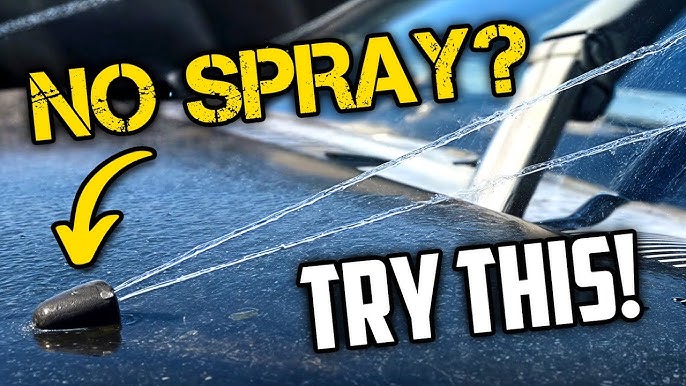
This is a common cause when the pump runs but fluid doesn’t reach the glass. Nozzles sit on the hood or base of the windshield and their tiny holes collect dirt, wax, and bugs.
How I fix clogs: I use a pin, needle, or compressed air to clear the opening. Do it gently. A firm blast of washer fluid or water left in the reservoir will flush loose debris afterward. If a nozzle is damaged, replace it — they’re inexpensive and simple to swap.
Faulty Washer Pump
The pump pressurizes the fluid and sends it through hoses to the nozzles. If it fails, you’ll hear nothing when you press the washer switch.
Diagnosis tips: When you press the switch, listen closely near the reservoir. A working pump makes a soft humming or buzzing sound. No sound may mean no power (fuse/relay/switch), or a dead pump. Use a multimeter to check for voltage at the pump connector if you’re comfortable with basic electrical checks. If the pump gets voltage but doesn’t run, replacement is likely required.
Damaged Washer Hoses
Hoses carry fluid from the reservoir to the nozzles. They can crack, split, or disconnect from fittings. That causes leaks and weak or no spray.
What I inspect: Trace the hose path from the reservoir to each nozzle. Look for wet spots, drips, or collapsed tubing. Squeeze sections to check for blockages. Small cracks can be temporarily patched with waterproof tape, but replacement is the proper fix. Use the correct hose size for a secure fit.
Electrical Issues
Electrical faults often stop the pump from getting power. Common problems are a blown fuse, a bad relay, corroded connector, or a faulty washer switch on the steering column.
How I troubleshoot: Check the fuse box under the dash or hood for the washer fuse. If the fuse is intact, try swapping a relay with the same type in the box. Test the switch and wiring for loose or corroded connections. Tightening or cleaning connectors sometimes restores function.
Checking Washer Fluid Levels
Checking the washer fluid level is the first step if your Toyota Sienna windshield washer is not spraying. Without enough fluid, the system cannot spray. I recommend checking this before any other tests — it saves time.
Locating The Reservoir
Open the hood. The washer reservoir is a small, translucent container marked with a windshield symbol. It usually sits near the driver’s side of the engine bay. You can see the fluid level inside. If it’s below the minimum line or empty, fill it.
Refilling With Proper Fluid
Use washer fluid made for cars. Don’t use plain water, especially in cold climates — it can freeze and damage the system. Pour slowly to avoid spills. Fill to near the top, then close the cap tightly. Test spray the system after refilling to confirm the problem is solved.
Clearing Nozzle Blockages
A blocked nozzle is an easy fix that I handle at home. The nozzle holes are tiny and get clogged with grime, wax, and insect remains. Clearing them usually restores a strong spray pattern and better cleaning performance.
This section explains how to find and remove clogs, and how to reduce the chance they return.
Identifying Clogs
Signs of a clog: weak spray, a mist instead of a stream, or spray aimed in the wrong direction. Look closely at the nozzle holes with a flashlight. If fluid only dribbles or sprays unevenly, you likely have a clog or a partially blocked line.
Using Compressed Air Or Pins
To clear a nozzle, I first try compressed air. A short burst often dislodges debris quickly and safely. If that doesn’t work, use a straight pin or fine needle to gently poke the opening. Don’t force anything. After clearing, cycle the washer to flush the nozzle and confirm the spray pattern.
Preventing Future Clogs
Prevent clogs by using quality washer fluid and topping the reservoir regularly. Clean the nozzle area with a soft cloth when you wash the car. Avoid parking under trees that drop sap or heavy pollen. If you frequently drive on dusty roads, check the nozzles more often.
Testing And Replacing The Washer Pump
The washer pump is the system’s heart. When it fails, no fluid moves to the windshield. Testing is straightforward and replacing the pump is a common DIY job on many Sienna model years.
Below I explain how I diagnose pump issues and the usual steps to replace the pump safely.
Diagnosing Pump Problems
Turn the key to accessory and press the washer switch while someone listens near the reservoir. If the pump hums, it’s trying to work. If it’s silent, check the fuse and relay first. If the pump gets power (use a multimeter at the connector) but won’t run, the pump is bad. If it gets no power, trace the fuse, relay, and switch.
Steps To Replace The Pump
Replacing the pump is usually simple. Here’s the sequence I follow:
- Disconnect the negative battery terminal to avoid shorts.
- Locate the washer reservoir in the engine bay.
- Remove the reservoir cap and then the pump electrical connector.
- Carefully pull the pump away from the reservoir—some models have clips or a rubber grommet.
- Install the new pump by pushing it into the reservoir and reconnect the electrical connector.
- Refill fluid if needed, reconnect the battery, and test the washer system.
Tools: basic hand tools, pliers, and optionally a multimeter. Time: about 15–45 minutes depending on access. Cost: replacement pump price varies by year and aftermarket vs OEM, but it’s usually affordable.
Inspecting And Repairing Washer Hoses
Hoses are often overlooked. They run under the hood and along the cowl to the nozzles. A split or disconnected hose means fluid never reaches the windshield. A quick visual and tactile check usually finds the issue.
Inspecting and repairing hoses is also a good first step before assuming the pump is bad.
Finding Leaks Or Disconnections
Follow the hose from the reservoir to the base of the windshield and to each nozzle. Look for wet areas, drips, or missing segments. If a hose is disconnected at a connector, re-seat it. If it’s pinched inside clips or routed incorrectly, adjust it so the fluid can flow freely.
Fixing Or Replacing Hoses
For small cracks, a waterproof tape can be a short-term patch. For lasting repair, replace the hose with the correct diameter tubing. I always use automotive-grade tubing designed for washer systems. Cut to length, slip on clamps where needed, and snug connections. Test the system to confirm there are no leaks and that spray is restored.
Resolving Electrical Issues
When the pump doesn’t run and the reservoir has fluid, the problem is often electrical. This can be easy to fix if you know where to look.
Checking Fuses And Relays
Fuses protect the washer circuit. Locate the fuse box under the dash or under the hood and find the washer fuse using your owner’s manual. Pull the fuse and check the metal strip inside. Replace a blown fuse with the same amp rating. For relays, swap the washer relay with a similar relay from the box to test if the relay is the issue. If the pump starts after swapping, replace the faulty relay.
Testing Switch Functionality
The washer switch on the steering column sends the signal to the pump. Dirt, wear, or a broken contact can stop that signal. Use a multimeter to test for continuity when the switch is pressed. If the switch fails the test, replace it. Also check wiring harnesses and connectors for corrosion or loose pins. Clean or replace damaged connectors as needed.
Good electrical checks often restore the system without replacing the pump. If you’re not comfortable testing wiring, ask a trusted mechanic to help.
Preventive Maintenance Tips
Preventive care keeps the washer working and reduces the chance of surprise failures. I follow a few simple habits that save time and money over the long run.
Regular Fluid Checks
Check the washer fluid level every few weeks. Top it up before a long trip or before winter. Low fluid is a very common cause of “no spray.” Keeping it full means you won’t be caught without washing power when you need it.
Seasonal Care
In winter use a low-freeze washer fluid to prevent freezing in the reservoir, hoses, and nozzles. Clean the nozzles before winter and remove ice and snow from the cowl area. After heavy pollen season or a lot of road salt, inspect the nozzles and hoses for build-up or corrosion.
Using Quality Washer Fluid
Choose a good washer fluid. Cheap mixes may not clean well and can leave residue that clogs nozzles. Quality fluids remove bugs, grime, and road film while protecting the pump and tubing.
Credit: www.youtube.com
Frequently Asked Questions
Why Is My Toyota Sienna Windshield Washer Not Spraying?
The washer may not spray due to a clogged nozzle, empty fluid reservoir, damaged hoses, or a faulty pump. Electrical issues like a blown fuse, bad relay, or a worn switch can also stop the pump. Start with the fluid level, then check nozzles and listen for the pump.
How Do I Fix A Clogged Windshield Washer Nozzle?
Use a pin or needle to gently clear the nozzle opening. Compressed air works well too. After clearing, run the washer to flush any debris. Be gentle to avoid enlarging or damaging the nozzle.
Can A Faulty Washer Pump Cause No Spray?
Yes. A damaged or burnt-out washer pump will stop fluid flow. Test by listening for a hum when you press the washer. If it’s silent, check fuses and relays first. If the pump gets power but doesn’t run, replacement is likely.
Is Empty Windshield Washer Fluid A Common Issue?
Yes. An empty reservoir is one of the most common reasons the washer won’t spray. It’s easy to prevent by checking fluid levels regularly and topping off before trips or winter.
Bottom Line
A Toyota Sienna windshield washer not spraying can be a safety issue. Start with the simple checks: fluid level, nozzle blockages, and visible hose problems. Then move to the pump and electrical checks (fuse, relay, switch). Many fixes are quick and inexpensive.
I recommend a brief monthly check of fluid and nozzles, and seasonal care before winter. If you follow these steps, you’ll keep your windshield clear and reduce the chance of being caught without a working washer when you need it most.
Stay safe: keep the windshield clear, and don’t ignore washer issues. Small repairs now save time and money later. Your Sienna will thank you with smoother, safer drives.

Hello, I’m Norman. I work as a car researcher. I am the voice behind CaroraHub. I have over 15 years of experience. I give simple and useful car advice. I help with car care, cleaning, and small repairs. My goal is to help you keep your car healthy. I want car care to be easy and cheap for you. You can trust my tips to keep your car working well for a long time.