Is your Toyota Prius feeling sluggish and struggling to speed up like it used to? Poor acceleration can turn your smooth ride into a frustrating experience, especially when you need power on the road.
You don’t have to be a mechanic to diagnose and improve it. I’ve worked on many Prius models and helped drivers regain smooth, confident acceleration. In this guide I share simple checks, practical fixes, and when to call a pro. Read on to bring back the pep in your Prius — step by step.
Common Causes Of Poor Acceleration
Poor acceleration in a Toyota Prius can feel unsafe and annoying. I see the same issues often. Knowing the likely causes helps you fix the car faster. Below I list the main trouble spots that reduce acceleration. Each item links to practical checks and fixes later in the article.
Engine Issues
The gasoline engine supplies baseline power. Small engine faults cause a big drop in responsiveness. Common engine issues include:
- Dirty or worn spark plugs that cause misfires.
- Low compression from worn rings or valves.
- Clogged air intake that limits airflow and reduces torque.
- Faulty ignition coils or wiring that weaken the spark.
These problems reduce engine power and hurt acceleration. Regular tune-ups and basic inspections catch most of them early.
Transmission Problems
The Prius uses a power split device and forms of CVT-like behavior. Transmission issues can make acceleration lag or feel jerky. Look for these signs:
- Slipping or delayed response under load.
- Burnt-smelling or dark transmission fluid.
- Error codes from the Transmission Control Module (TCM).
Bad fluid, worn clutches, or control module glitches all reduce how much engine torque reaches the wheels. Fixing the transmission restores smooth, predictable acceleration.
Battery And Hybrid System
The hybrid battery and electric motor give the Prius extra acceleration, especially from a stop. A weak hybrid battery or inverter fault cuts electric assist. That makes the car feel sluggish. Common hybrid-related causes include:
- Low hybrid battery pack voltage or failing battery modules.
- Cooling issues that force the system into limp mode.
- Inverter or motor faults that reduce electric torque.
Battery state of health matters. A lab-level test or dealer diagnostic often finds hidden hybrid faults.
Fuel System Concerns
Your engine needs a steady fuel flow to accelerate well. Fuel system issues commonly cause poor throttle response:
- Clogged fuel filter that limits fuel flow.
- Failing fuel pump that drops fuel pressure under load.
- Dirty fuel injectors that ruin spray pattern.
Cleaning injectors, replacing the filter, or testing pump pressure often brings measurable gains.
Throttle And Sensor Malfunctions
Modern Priuses rely on sensors and drive-by-wire throttle control. Bad sensors give wrong data to the ECU. That leads to slow or odd throttle behavior. Key sensors and parts include:
- Mass airflow (MAF) sensor.
- Throttle position sensor (TPS).
- Accelerator pedal position sensors and wiring.
Cleaning or replacing these parts often fixes hesitation and poor response.

Credit: www.youtube.com
Diagnosing Acceleration Problems
When my Prius felt slow, I followed a short checklist. It saved time and money. Diagnosis is about isolating the cause. Start with simple checks. Work toward more complex tests only if needed. Below I show four practical steps I use and recommend.
Using Obd-ii Scanner
An OBD-II scanner is the most useful tool for diagnosis. Plug it into the OBD port under the dash. Read stored DTC codes. The codes point to engine, transmission, or hybrid faults. Common useful codes for Prius acceleration problems include P0300 (misfire), P0101 (MAF), or hybrid-specific codes from Toyota’s data stream.
Even a basic code reader helps you avoid guesswork. I use a Bluetooth OBD-II adapter with a phone app to get real-time data like battery voltage, coolant temp, and MAF readings.
Checking Engine Lights
The Check Engine Light (CEL) is a primary clue. A steady light means a logged fault. A flashing light often means a severe misfire. Also watch hybrid system warnings and traction control lights. Note every light and the car’s behavior at the same time. That helps when you talk to a mechanic.
Test Driving Tips
Do a short, safe test drive on a quiet road. Try these checks:
- Light throttle from idle to 30 mph. Note delays.
- Hard acceleration—watch for hesitation, stalling, or limp mode.
- Listen for abnormal sounds from the engine or transmission.
- Try hill starts. A weak hybrid assist shows strongly on inclines.
Record what happens. Short notes help when you search for solutions or call a shop.
Visual Inspection
Open the hood and look for obvious issues. I check these items first:
- Air filter: dirty, blocked, or fitted incorrectly.
- Spark plugs and ignition wires for corrosion or heavy deposits.
- Loose, frayed, or disconnected vacuum hoses.
- Fluid leaks or damaged coolant hoses around the inverter/battery area.
- Battery terminal corrosion on the 12V and visible hybrid connections.
A quick visual check often finds the easy fixes.
Tools I Recommend (Basic)
These tools cover most home diagnostics:
- OBD-II scanner (Bluetooth or handheld).
- Multimeter / voltmeter for 12V checks.
- Spark plug socket and torque wrench.
- Throttle body cleaner and safe brushes.
- Fuel injector cleaner additive.
These are low-cost and let you handle many fixes safely.
Quick Fixes For Engine Issues
Many acceleration problems are simple to fix. I’ll share the easy things I do first. These quick actions restore engine efficiency and often fix sluggish acceleration without a shop visit.
Do these basics before paying for major repairs. They are inexpensive and effective.
Replacing Air Filters
Dirty air filters choke the engine. I replace the filter if it looks dark or clogged. New filters restore airflow and improve throttle response. Check the filter every 12,000 miles. Do it sooner if you drive in dusty areas.
How to check quickly: remove the airbox, inspect the filter against light. If light does not pass through, replace it.
Cleaning Fuel Injectors
Clogged injectors reduce fuel spray quality. I use a quality fuel injector cleaner added to the tank for light deposits. For heavy buildup, a professional ultrasonic cleaning or shop service is best. After cleaning, the engine runs smoother and acceleration improves.
Spark Plug Maintenance
Old or fouled spark plugs cause misfires and poor power. I inspect the plugs for wear and carbon deposits. Replace them with the correct OEM-grade plugs. Use a torque wrench to install at the right tightness. Fresh plugs give a crisper, quicker throttle response.
Addressing Transmission Troubles
Transmission faults often feel like a lack of power. The Prius uses complex hybrid transaxles and control modules. Here are two practical steps you can try that often help with low acceleration linked to transmission behavior.
Checking Transmission Fluid
Good fluid keeps the transaxle cool and lets the clutches work properly. Check the fluid level and condition if your model has a dipstick or consult the service manual for models without one. Healthy fluid is clear and pink. Dark or burnt-smelling fluid needs changing. Add only the Toyota-specified fluid. Overfilling can harm the system, so follow the service manual closely.
Resetting Transmission Control Module
Occasionally the TCM needs a soft reset to clear transient faults. A simple reset sequence I use is:
- Turn off the car and open the hood.
- Disconnect the 12V battery negative terminal for about 15 minutes.
- Reconnect the terminal and start the car. Let it idle and relearn shifts.
This clears memory and can fix minor shift or response glitches. If the issue recurs, get a full diagnostic—there may be a deeper electrical or mechanical fault.
Hybrid System And Battery Tips
The hybrid system is central to a Prius’s performance. Weak electric assist means slower acceleration, especially from a stop. I check the hybrid system early when I see sluggishness. Here are practical checks and maintenance tips.
Battery Health Check
Check the 12V battery and the high-voltage hybrid pack. For the 12V: use a multimeter. A healthy resting voltage is about 12.6 volts. Clean terminals if you find corrosion. For the hybrid pack, a battery health test or scan tool that reads state-of-charge and module voltages is ideal. Weak modules reduce power assist and may push the system into reduced-power mode.
Hybrid System Reset
Sometimes the hybrid control system needs a soft reset. I turn the car off, wait two to three minutes, and restart. If codes persist, I read and clear them with an OBD-II tool that supports Toyota hybrid codes. Clearing codes can restore normal operation if the error was transient.
Cooling System Maintenance
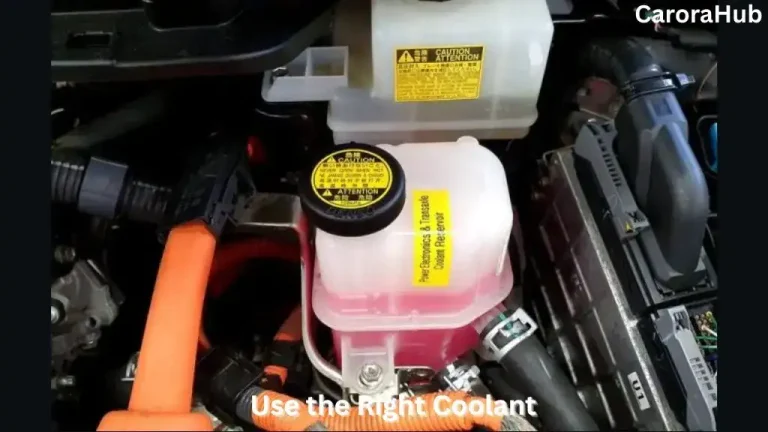
Hybrid components use dedicated cooling. A clogged radiator or failing fan reduces cooling. That triggers thermal protection and reduces power. Check coolant levels and inspect fans and ducts. Clean debris from vents and ensure coolant is replaced per the service schedule.
Throttle And Sensor Repairs
Throttle and sensor faults often cause inconsistent acceleration. These parts control air and fuel flow. If they fail, the ECU gets bad data. Below I explain reliable fixes I use to restore proper throttle response.
Work safely. Disconnect the battery when instructed. Follow OEM torque specs on sensor replacement.
Cleaning Throttle Body
The throttle body can gather carbon and grime. That restricts airflow and delays throttle response. My cleaning process:
- Disconnect the 12V battery for safety.
- Remove the air intake hose to access the throttle plate.
- Spray throttle body cleaner on a soft brush and clean gently.
- Reassemble and reconnect the battery. Allow the ECU a few drive cycles to adapt.
This fixes sticking plates and often removes hesitation or rough pickup.
Replacing Faulty Sensors
Sensors that commonly need replacement include the MAF and TPS. Use an OBD-II scanner to confirm faulty sensor codes. Replace with OEM or manufacturer-approved sensors. Disconnect the battery before swapping sensors. After installation, clear codes and test drive. A new sensor often brings immediate improvement in throttle feel and acceleration.
When To Seek Professional Help
Some problems need a skilled technician. I try the basic checks myself. But I call a pro when issues go beyond simple fixes. Knowing when to get help saves time and prevents further damage.
Complex Diagnostics
Complex faults include intermittent electrical issues, hybrid pack module failures, and deep transmission faults. Pros have factory-level scanners that read hybrid and inverter data. They can trace wiring and test high-voltage components safely. If your OBD codes point to complex systems, book a shop visit.
Hybrid System Repairs
High-voltage battery and inverter repairs require certified technicians. These components are dangerous if handled incorrectly. A trained hybrid tech will test modules, replace failing cells, and ensure proper cooling system operation. For hybrid battery replacement, shop-level testing ensures you replace only what’s needed.
Transmission Overhaul
Transmission overhaul is a major repair. It needs special tools and knowledge of Toyota hybrid transaxle systems. If you hear clutch chatter, persistent slipping, or the TCM can’t clear faults, consult a transmission specialist. They restore full driveline efficiency and safe acceleration.
Preventive Measures For Better Performance
Preventive care keeps your Prius responsive. I follow a simple maintenance routine. It prevents poor acceleration and extends component life. Below are the most effective steps I recommend.
Regular Maintenance Schedule
Follow the owner’s manual service intervals. Change oil and filters on time. Inspect spark plugs and the air filter regularly. Scheduled maintenance prevents most engine and fuel system problems that cause sluggish acceleration.
Using Quality Fuel
Use good fuel from reputable stations. Cheap fuel can clog injectors and harm performance over time. Avoid fuel with very high ethanol content unless your vehicle is rated for it. Quality fuel helps keep the injectors and combustion chambers clean and efficient.
Monitoring Warning Signs
Watch for early warning signs. A sudden drop in acceleration, rough idle, or new dashboard lights deserve quick checks. Also monitor tire pressure and 12V battery health. Small issues often lead to bigger faults if ignored.
Frequently Asked Questions
Why Is My Toyota Prius Acceleration Slow?
Poor acceleration in a Prius often starts with a clogged air filter, weak hybrid battery, or worn spark plugs. It can also come from bad sensors like the MAF or TPS. Start with the simple checks listed above. Then move to diagnostics if the problem persists.
How Can I Improve My Prius Acceleration?
Improve acceleration by replacing worn spark plugs, cleaning or replacing the air filter, and ensuring the hybrid battery and inverter are healthy. Use an OBD-II scanner to find and fix sensor faults. Regular preventative maintenance keeps the car responsive.
Does Hybrid Battery Affect Prius Acceleration?
Yes. A weak hybrid battery reduces electric motor assist. That makes starts and quick accelerations feel sluggish. A hybrid battery test or module-level scan will tell you if pack health is the cause.
Can Clogged Air Filters Cause Poor Acceleration?
Absolutely. A dirty air filter restricts the air the engine needs. It lowers power and hurts fuel efficiency. Replacing the filter is a low-cost fix that often gives an immediate improvement in throttle response.
Bottom Line
Fixing poor acceleration in a Toyota Prius takes a clear process. Start with the simple checks: air filter, spark plugs, and 12V battery. Use an OBD-II scanner to find sensor or hybrid-system codes. Clean the throttle, test fuel pressure if needed, and check hybrid cooling. Try the basic fixes first. Call a professional for hybrid or transmission repairs.
Small, focused steps can bring big improvements. Drive safely and enjoy better performance soon.

Hello, I’m Norman. I work as a car researcher. I am the voice behind CaroraHub. I have over 15 years of experience. I give simple and useful car advice. I help with car care, cleaning, and small repairs. My goal is to help you keep your car healthy. I want car care to be easy and cheap for you. You can trust my tips to keep your car working well for a long time.