Owning a Toyota Prius feels like joining a club of smart, eco-focused drivers. This hybrid is known for excellent fuel economy and strong reliability. Still, many buyers ask me: Are Toyota Prius hybrid components expensive to repair? The short answer: it depends. Which part fails, how well you maintain the car, and where you get repairs all matter. I’ll walk you through the real costs, how to spot problems early, and practical ways to save money. I write from experience helping Prius owners and researching repair trends—so I keep things practical and clear.
Understanding Toyota Prius Hybrid Components
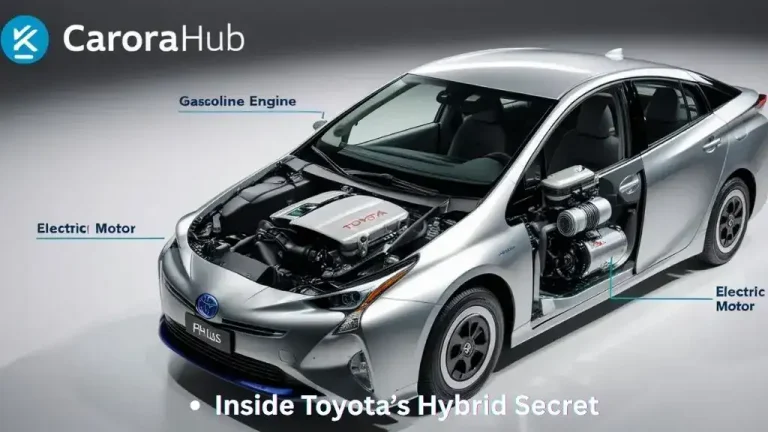
A hybrid like the Prius has everything a normal car has, plus extra systems that let it switch between gasoline and electric power. These hybrid parts cut fuel use. They also add a few repair items you don’t see on non-hybrid cars. Knowing the parts that matter helps you plan maintenance and budget for repairs.
The main hybrid components in a Toyota Prius include:
- Hybrid battery pack
- Electric motor/generator
- Power electronics (inverter/converter)
- Hybrid transaxle
- High-voltage wiring and sensors
- Control computers (ECU, battery management)
Some of these parts are unique to hybrids and can cost more than ordinary parts. But that doesn’t mean every owner will face big bills. Below I break down each component, typical problems, realistic costs, and what I recommend.
The Hybrid Battery Pack
The hybrid battery is the component most people worry about. It stores energy for the electric motor and helps cut fuel use. Older Priuses use nickel-metal hydride (NiMH). Newer models may use lithium-ion.
Common Problems
- Battery wear after 8–15 years or 100,000–200,000 miles
- Failing cells, which trigger warning lights and reduce performance
- Loss of capacity (less electric assist and fewer MPG gains)
Repair And Replacement Costs
A brand-new Toyota hybrid battery part typically runs $1,800 to $3,500. Labor usually adds $300–$800. Many shops offer refurbished or used batteries for about $1,200–$2,000 installed. DIY cell repairs can cost $500–$800, but that is often a short-term fix.
Longevity And Surprises
One thing many owners miss: hybrid batteries often last longer than expected. In my experience and from many owner reports, a lot of Priuses pass 200,000 miles with the original battery. Toyota warranties vary by country—usually 8–10 years or 100,000–150,000 miles.
How to Check Battery Health (Practical Steps)
- Watch for warning lights and reduced MPG.
- Ask the seller for hybrid battery test results (voltage and imbalance info).
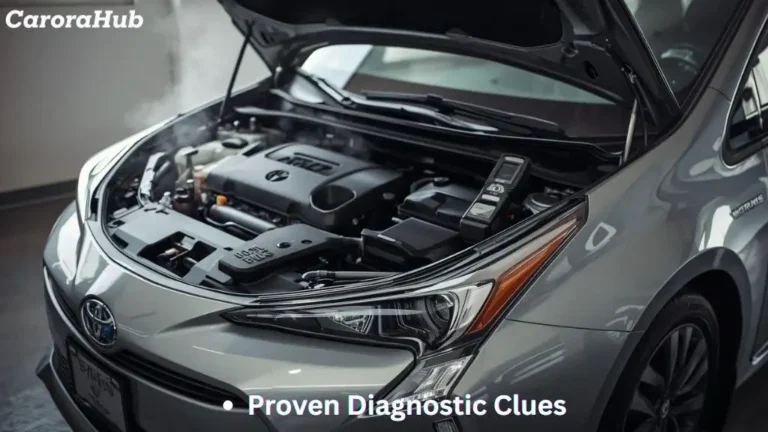
- Use a shop that can run a full battery health report with a hybrid scan tool.
- Listen for cooling fan issues and check that vents are clear.
These checks catch problems early. I always advise buyers to request a battery test before buying a used Prius.

Credit: kirksvillemotorcompany.com
Electric Motor And Generator
The electric motor and generator move the car and recharge the battery. These parts are rugged and often last the car’s life.
Repair Needs
- Bearing noise or failure (rare)
- Overheating if coolant leaks occur
- Electrical faults
Cost To Repair Or Replace
If a motor does fail, full replacement can run $2,000–$4,000 including labor. But total failure is rare. Many Prius taxis exceed 300,000 miles on original motors. In other words: keep coolant systems healthy and the motor will likely last a long time.
How to Spot Motor Problems Early
- Listen for unusual hums or grinding at acceleration.
- Watch for reduced electric assist or odd driving behavior.
- Check for coolant leaks and repair quickly.
Power Electronics: Inverter And Converter
The inverter converts battery DC to AC for the motor. The converter supplies low-voltage power for electronics and charges the 12V battery.
Typical Issues
- Coolant leaks that cause overheating
- Internal electrical shorts
- Faulty sensors
Repair Costs
Dealership replacement of an inverter/converter often ranges $2,000–$4,500. Used or rebuilt units can drop to $800–$1,500 plus labor. A big cause of inverter failure is neglected coolant. Follow Toyota’s schedule and you lower risk and cost.
Preventing Inverter Failures
- Change hybrid coolant every 50,000–100,000 miles per Toyota guidance.
- Watch for dashboard warnings or overheating codes.
- Have coolant leaks repaired fast to prevent expensive inverter damage.
Hybrid Transaxle
The hybrid transaxle merges a transmission with the electric motor. It routes power from engine and motor to the wheels.
Problems To Watch For
- Gear or bearing wear (more likely after 200,000 miles)
- Fluid leaks
- Electrical sensor faults
Cost To Repair Or Replace
A new Prius transaxle may cost $3,500–$5,000. Most shops install used or rebuilt units for $1,500–$2,500, plus $600–$1,200 labor. Regular fluid changes every 60,000–100,000 miles help prevent big failures.
Signs Your Transaxle Needs Attention
- Shuddering under acceleration
- Unusual noises from the transmission area
- Transmission-related fault codes on a scan tool
High-voltage Wiring And Sensors
High-voltage wiring links the battery, inverter, and motor. They are well-insulated, but damage can happen.
Typical Issues
- Rodent damage (chewing wires)
- Corrosion or water intrusion
- Sensor failure
Repair Costs
Wiring repairs typically run $200–$800, depending on severity. Replacing hybrid sensors (for instance, current sensors) usually costs $300–$700 each, including labor. Note: many insurance policies do not cover rodent damage—check your policy if you park outdoors.
Hybrid System Control Computers
Several control computers (ECUs) coordinate the Prius hybrid system. Failures are rare but can make the car undrivable.
Repair And Replacement
- Reprogramming or resetting: $100–$300
- Replacing a main hybrid ECU: $500–$1,200 (parts and labor)
The main risk is water damage or poor reprogramming after repairs. Use a shop with Toyota hybrid experience for ECU work.
Comparing Hybrid And Non-hybrid Prius Repair Costs
Is a Prius more expensive to fix than a non-hybrid Toyota? Some hybrid parts cost more, but many routine repairs cost about the same or less. Regenerative braking cuts brake wear costs, for example.
| Component | Pruis Hybrid (Avg. Cost) | Toyota Corolla (Non-Hybrid, Avg. Cost) |
|---|---|---|
| Battery Replacement | $2,200 | $120 (starter battery) |
| Transmission/Transaxle | $2,000 | $1,600 |
| ECU (Control Computer) | $900 | $600 |
| Motor/Generator | $3,000 | Not applicable |
You can see hybrid-specific parts like the battery and inverter cost more. But everyday items—oil, brakes, tires—are often cheaper or similar due to the Prius’ design and regenerative braking.
What Drives The High Cost Of Hybrid Repairs?
A few clear reasons hybrid repairs cost more:
- Specialized parts: Hybrid components are unique and less common than standard parts.
- Labor skill: Fewer shops have hybrid-trained techs. Certified shops often charge more.
- High-voltage safety: Repairs need special tools and safety steps, which raise labor rates.
- Dealer pricing: Dealers often charge more. Good independent hybrid shops can be cheaper, but vet them carefully.
How Often Do Prius Hybrid Parts Fail?
Worried about frequent big bills? Real-world data shows Prius hybrid parts are generally reliable. A 2022 Consumer Reports study keeps Prius near the top for reliability.
- Hybrid battery: about 5–10% failure by 150,000 miles
- Inverter: less than 2% by 200,000 miles
- Transaxle: 2–4% by 200,000 miles
Many Priuses—especially taxis and high-mileage examples—run 300,000+ miles on original hybrid parts. Failures often tie back to poor maintenance or external damage like flooding.
Can Repairs Be Cheaper? Smart Ways To Save
You’re not stuck if a hybrid part fails. Here are smart, practical ways I use and recommend to cut costs:
1. Choose Refurbished Or Used Parts
Rebuilt hybrid batteries and used inverters/transaxles from low-mileage cars can save 30–60% vs. new parts. Make sure used parts come with a warranty and a test report.
2. Find A Hybrid Specialist
Independent hybrid shops often charge less than dealers and have focused experience. Look for Toyota hybrid training, ASE certifications, or solid online reviews and case examples.
3. Maintain Your Hybrid System
- Change hybrid coolant every 50,000–100,000 miles.
- Keep battery cooling vents and fans clean.
- Drive regularly—don’t let the car sit for months without running.
Neglect is a top cause of expensive repairs. Regular care costs far less than fixing a failed inverter or battery.
4. Consider Aftermarket Warranties
Aftermarket warranties can cover hybrid battery and inverter repairs after factory coverage ends. Read terms carefully—some require dealer service or only cover parts, not labor.
Where to Find Parts and Help
- Refurbished battery vendors and hybrid rebuild shops
- Online marketplaces (eBay) for used inverters/transaxles—verify mileage and seller reputation
- Local hybrid specialists and Toyota dealerships—get multiple quotes
Real-world Prius Repair Experiences
Stories from owners show how choices affect costs. Here are real examples I’ve tracked or seen:
- 2010 Prius owner, 160,000 miles: Battery light came on. Dealer quoted $3,200 for a new battery. The owner used a local hybrid shop and got a rebuilt battery for $1,350 with a 2-year warranty. No further issues.
- 2012 Prius, 220,000 miles: Inverter failed in a heatwave. Dealer price: $3,800. Found a used inverter on eBay for $750 plus $450 labor—total under $1,300.
- 2008 Prius taxi, 330,000 miles: Original battery and transaxle lasted 300k+. Only routine maintenance and minor sensors were needed.
These examples show expensive repairs can happen, but smart shopping, used parts, and maintenance often keep costs reasonable.

Credit: www.amazon.com
Insurance And Hybrid Component Repairs
Many people assume standard auto insurance covers hybrid part failures. It usually does not. Standard policies cover accident damage, not wear and tear or mechanical failure.
- Collision/Comprehensive: May cover hybrid parts after an accident (fire, flood, crash).
- Mechanical Breakdown Insurance: Some plans cover hybrid components—read the fine print.
- Extended warranties: Can cover hybrid battery, inverter, and other components for an added cost.
Tip: If you live in a flood or rodent-prone area, ask your insurer about coverage for wiring or battery damage from these causes.
Prius Model Generations And Repair Costs
Not every Prius costs the same to repair. Older models have simpler systems and more used parts available. Newer models often use pricier lithium-ion batteries and more advanced electronics.
| Generation | Years | Hybrid Battery Cost (Avg.) | Inverter Cost (Avg.) |
|---|---|---|---|
| 2nd Gen (XW20) | 2004–2009 | $1,200–$2,000 | $1,000–$2,000 |
| 3rd Gen (XW30) | 2010–2015 | $1,300–$2,400 | $1,200–$2,500 |
| 4th Gen (XW50) | 2016–2022 | $2,000–$3,500 | $2,500–$4,000 |
Older models are often cheaper to repair because parts are plentiful and simpler. Newer models may cost more but can offer better longevity and warranty coverage.
The Hidden Value Of Prius Hybrid Repairs
Here’s a non-obvious point: Prius ownership often costs less overall, even if a few parts are pricey. Fuel savings, less brake wear (thanks to regenerative braking), and strong reliability reduce total cost of ownership.
A 2021 AAA study found Prius owners spend about $430 per year on maintenance and repairs versus $610 for a typical gasoline car. That gap helps absorb occasional big repairs over a long ownership period.
Common Mistakes Prius Owners Make About Repairs
- Ignoring warning lights: The Prius warns early. Waiting can make a small issue costly.
- Skipping hybrid system maintenance: Neglecting coolant, fans, or vents shortens component life.
- Assuming the dealer is the only option: Good independents can save money.
- Buying the cheapest used Prius without a hybrid check—this often hides future repair bills.
- Believing the hybrid battery always fails early: Most last well over 150,000 miles—often double that with care.
Avoiding these mistakes saves money and stress. In my work with owners, the ones who keep simple maintenance records and check hybrid health rarely pay surprise bills.
Is The Prius Still A Good Choice Despite Repair Costs?
For most drivers, the Toyota Prius remains a smart buy. Even if a major hybrid component fails out of warranty, the car’s overall costs are often lower than many gas-only cars. Here’s why:
- Fewer oil changes (engine runs less)
- Regenerative braking reduces brake pad and rotor wear
- Less wear on the engine and transmission due to hybrid assist
- Hybrid systems have a strong track record for reliability
If you plan to keep a car beyond 200,000 miles or buy a very old Prius, budget for possible battery or inverter work. But for most drivers, the Prius saves fuel and time. I still recommend it, especially for commuters and city drivers.
What To Ask A Mechanic Before A Hybrid Repair
If your Prius needs hybrid work, ask this before you commit:
- Do you have Toyota hybrid training or certification?
- Do you use new, rebuilt, or used parts?
- What warranty do you offer on hybrid repairs?
- Can you show me the failed part or diagnostic codes?
- Are there cheaper repair options to consider?
Get a second opinion for repairs over $1,500. In my experience, multiple quotes reveal options and often save hundreds or more.

Credit: recharged.com
Prius Hybrid Repair Costs: Global Differences
Repair prices vary by country and city. In the United States, big cities with more Priuses often have cheaper repairs due to competition. In Europe or Asia, parts may cost more, but labor can be less. Toyota sometimes runs regional programs for battery replacement—check your local dealer.
The Role Of Diy Repairs
Some owners do DIY work safely for lower-cost items:
- Replacing hybrid batteries (only with guides, test gear, and proper safety gear)
- Cleaning battery cooling fans and vents
- Replacing sensors or relays
However, high-voltage work is risky. If you are not trained, leave it to pros. Safety is the priority.
Long-term Ownership: Planning For Hybrid Repairs
If you plan to keep your Prius for many years:
- Set aside a repair fund—$500–$1,000 per year after 100,000 miles is a reasonable buffer.
- Use hybrid-friendly mechanics and keep service records.
- Consider selling or trading before a large repair is likely if you don’t want the expense.
Many Prius owners keep their cars 12–15 years with few major issues. Planning reduces stress and surprise costs.
Resources For Prius Owners
Use online forums, YouTube channels, local Prius clubs, and hybrid-specialist shops for guidance. The official Toyota Owners site offers maintenance guides and recall info. For a deep technical overview, see the Toyota Prius Wikipedia page.
Frequently Asked Questions
How Long Does The Prius Hybrid Battery Usually Last?
Prius hybrid batteries often last 8 to 15 years or 100,000–200,000 miles. Many owners report even longer life with regular maintenance. Toyota’s warranty varies by country—typically 8–10 years or 100,000–150,000 miles.
Are Hybrid Battery Repairs Always Expensive?
Not always. A new battery costs more, but refurbished or used batteries can cut the price by half. Partial cell repairs can be cheaper but may not last as long as a full replacement.
Can Any Mechanic Repair Prius Hybrid Parts?
No. Hybrid repairs often require special training and tools. Look for Toyota hybrid certification, ASE hybrid credentials, or shops with strong Prius repair histories. Regular mechanics handle brakes, tires, and suspension but should avoid high-voltage work unless trained.
Does The Prius Save Enough Money To Make Up For Possible Repair Costs?
For most drivers, yes. Fuel savings, fewer oil changes, and long-lasting brakes often save thousands over the car’s life. Even one expensive hybrid repair can be offset by years of fuel and maintenance savings.
Is It Risky To Buy A Used Prius Because Of Hybrid Repair Costs?
It can be risky, but you can manage the risk. Buy with service records, ask for a battery test, and get a hybrid system inspection. Avoid very old, high-mileage cars unless you budget for potential repairs.
The Toyota Prius is a proven hybrid. Its components are more complex than a regular car, but many owners enjoy years of reliable, economical driving. Repairs can be expensive at times, but they are not common. With sensible maintenance, hybrid-friendly mechanics, and smart buying choices, you can drive a Prius with confidence—less worry and more savings.
If you’re thinking about a Prius or already own one, understanding real repair costs and how to avoid them helps you enjoy the benefits without surprise bills. I’m happy to help answer specific questions about battery tests, local hybrid shops, or how to read repair quotes—just ask.

Hello, I’m Norman. I work as a car researcher. I am the voice behind CaroraHub. I have over 15 years of experience. I give simple and useful car advice. I help with car care, cleaning, and small repairs. My goal is to help you keep your car healthy. I want car care to be easy and cheap for you. You can trust my tips to keep your car working well for a long time.