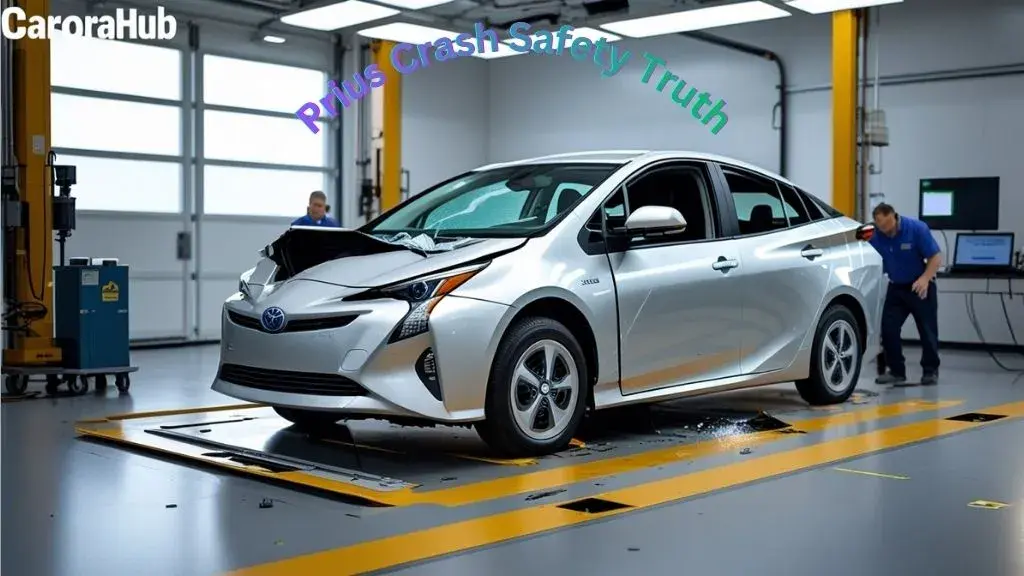
The Toyota Prius is one of the most recognized hybrid vehicles in the world. Since its launch, it has become a symbol of efficient, eco-friendly driving. But when it comes to safety—especially during accidents—many drivers and families have important questions.
Is the Toyota Prius hybrid system safe when crashes happen? Does the hybrid battery make accidents more dangerous? Let’s break down the facts, address common concerns, and explain what real-world data shows about Prius safety.
Understanding The Toyota Prius Hybrid System
The heart of the Prius is its hybrid system. This system combines a gasoline engine with an electric motor powered by a large battery pack. The two work together to deliver great fuel economy and lower emissions. But the hybrid system also means there are high-voltage electrical parts under the hood and in the floor or trunk.
Key Components In A Prius Hybrid System
- Hybrid battery (usually nickel-metal hydride or lithium-ion)
- Electric motor/generator
- Inverter/converter for managing current
- High-voltage wiring (bright orange for safety)
These components are protected by strong cases, insulation, and safety covers. But what happens if there’s a collision? Are these parts safe in real-world accidents?
How The Prius Performs In Crash Tests
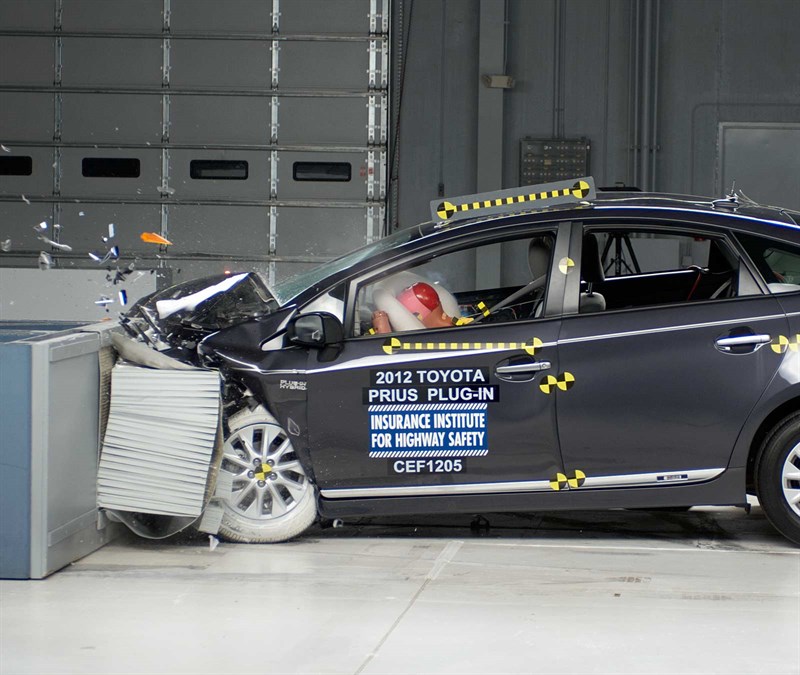
One of the best ways to measure safety is through crash tests. The Prius has gone through many tests by trusted organizations like the National Highway Traffic Safety Administration (NHTSA) and the Insurance Institute for Highway Safety (IIHS).
Nhtsa Crash Test Ratings
NHTSA gives cars 1 to 5 stars for crash performance (5 is best). Here’s a look at recent Prius results:
| Test Category | Prius Rating (2023 Model) | Notes |
|---|---|---|
| Overall | 5 stars | Top rating |
| Frontal Crash | 4 stars | Good protection for driver and passenger |
| Side Crash | 5 stars | Excellent side impact safety |
| Rollover | 4 stars | Low risk of rollover |
Iihs Crash Test Results
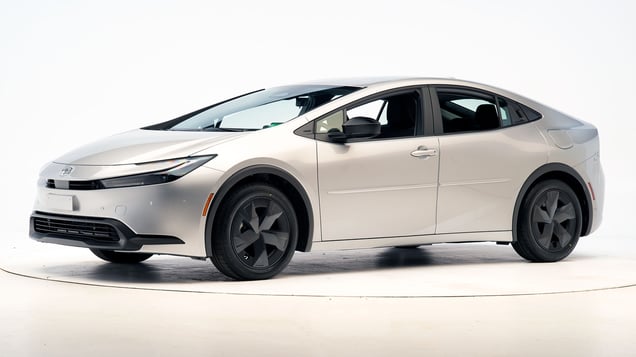
The IIHS is another trusted group that measures crash safety. The Prius often earns “Good” ratings (the highest) in most crash areas. In recent years, the Prius has been named a Top Safety Pick.
What These Results Mean
High crash test scores show that the Prius protects people well in real accidents. The hybrid system and battery do not make the car less safe in these tests. In fact, hybrids like the Prius often perform as well as or better than similar gasoline cars.
Special Safety Features For Hybrid Systems
Hybrid cars, including the Prius, have extra systems to keep passengers and rescue workers safe if there is a crash.
Automatic High-voltage Shutdown
- If the car senses a serious accident, the hybrid system disconnects the battery in milliseconds.
- This stops the flow of high-voltage electricity, reducing the risk of shock or fire.
Physical Protection And Battery Location
- The hybrid battery is in a strong metal case, often under the rear seats or trunk.
- Thick insulation and shielding keep battery parts from being exposed, even if there is body damage.
- High-voltage cables are routed away from doors and sides, making them less likely to be cut or crushed.
Fire And Water Protection
- The battery is designed to resist punctures and keep chemicals inside.
- If water enters the car (for example, in a flood), the battery will shut down automatically to prevent danger.
Real-world Accident Data For Prius Hybrids
Looking at crash test data is important, but real-world accident results matter even more. Over millions of miles, how do Prius hybrids perform in actual crashes?
Statistics And Studies
- Prius injury rates are lower than many gas-only cars in the same class. For example, a study by the IIHS found that hybrid drivers had a 25% lower chance of injury in crashes compared to similar non-hybrids.
- Fire risk is not higher in hybrid Prius models. Insurance data shows that Prius hybrids do not catch fire more often than other cars, and in some cases, the risk is actually lower.
- First responders are trained on how to handle hybrid accidents. Most fire and rescue teams know how to safely disable high-voltage systems.
Example: Prius Crash Survival Stories
There are many news reports and user stories where Prius drivers walked away from severe accidents with only minor injuries. In some crashes, the hybrid battery was damaged, but there were no fires or electric shocks thanks to the safety systems.
Before judging overall hybrid safety, Are Toyota Prius Engines Reliable Long Term helps explain how Toyota’s engineering protects core components.
Comparing Prius Hybrid Safety With Other Cars
Many people wonder if hybrid cars are more or less safe than normal cars in a crash. Let’s compare the Prius with other types of vehicles.
| Vehicle Type | Crash Test Rating | Hybrid System Risks |
|---|---|---|
| Toyota Prius (Hybrid) | 5 stars (NHTSA), Top Safety Pick (IIHS) | Low, thanks to safety features |
| Toyota Corolla (Gasoline) | 5 stars (NHTSA), Top Safety Pick (IIHS) | N/A |
| Small Electric Car | Varies, 4-5 stars | Battery fire risk similar, managed by design |
As this comparison shows, the Prius is as safe as other leading cars. The hybrid system adds little or no extra risk in real-world accidents.
Addressing Common Concerns About Prius Hybrid Safety
Many drivers have questions about hybrid safety. Let’s look at the most frequent worries:
Is The Hybrid Battery A Fire Hazard In A Crash?
- In rare cases, any car battery can catch fire during a severe crash.
- However, the Prius battery is well-protected and includes layers of safety. Fires are very rare.
- Data shows no higher fire rate for hybrids compared to gasoline cars.
Can High-voltage Systems Shock Passengers Or Rescuers?
- Modern hybrids have automatic shutoff features.
- Orange high-voltage cables are easy to see and avoid.
- Firefighters receive special training to handle hybrids safely.
Are Hybrid Repairs After A Crash More Complicated?
- Some repairs require special care and tools.
- Toyota has a network of trained mechanics who know how to safely repair hybrid systems.
- Insurance may be slightly higher for hybrid repairs, but not for safety reasons—mainly due to the cost of hybrid parts.
Will My Family Be Safe In A Prius Crash?
- Crash tests and real accident data both show strong protection for drivers and passengers.
- Prius models include advanced airbags, seatbelt pre-tensioners, and strong body structures.
Safety Features In Recent Prius Models
Over the years, Toyota has added more safety equipment to the Prius. Here are some important features found in newer models:
- Toyota Safety Sense (TSS): This package includes automatic emergency braking, lane keeping, and adaptive cruise control.
- Multiple airbags: Including front, side, curtain, and sometimes knee airbags.
- Strong crash structure: Uses high-strength steel to protect the cabin.
- Pedestrian detection: Warns and can stop the car if a person is in the way.
- Blind spot monitoring: Alerts drivers if another car is in their blind spot.
These features help prevent accidents and reduce injuries when crashes do happen.
Hybrid System Safety In Different Accident Types
The Prius hybrid system is designed to protect people in many types of crashes. Let’s look at how it responds in some common scenarios.
Front-end Collisions
- The battery is usually far from the front of the car, keeping it safer from damage.
- Airbags and seatbelts work together to protect passengers.
- High-voltage systems shut down almost instantly.
Side Impacts
- The battery is shielded by strong metal and the car’s body.
- Side airbags and curtain airbags protect heads and chests.
- Orange cables are routed away from doors to avoid being cut.
Rear-end Collisions
- The battery is close to the rear but is well-protected by steel and crash bars.
- The system checks for battery damage and shuts down if needed.
- Trunk space may crumple, but the battery is rarely breached.
Rollover Accidents
- Rollover sensors cut power from the hybrid battery.
- The strong roof and pillars help prevent the cabin from crushing.
- Emergency responders can safely cut open the car if needed.
What Happens After A Prius Crash
After an accident, there are steps in place to keep everyone safe.
Automatic Shutdown
- The Prius detects the crash and cuts off battery power.
- Warning lights may come on to alert rescue workers.
Post-crash Inspection
- The car is checked for battery leaks or damage.
- Damaged batteries are handled by trained professionals.
Repair And Recycling
- Toyota has programs to recycle or safely dispose of batteries.
- Damaged hybrid parts are replaced with new, safe components.
Non-obvious Insights About Hybrid Safety
Many people overlook these important facts:
- Hybrids like the Prius often weigh more than similar gas cars. This extra weight can actually improve crash protection because heavier cars usually perform better in collisions.
- Insurance claims show hybrids may be involved in fewer severe crashes. Some studies suggest hybrid drivers may drive more carefully, which leads to fewer bad accidents.

Credit: www.normreeves.com
Myths And Misunderstandings About Hybrid Accidents
There are a lot of rumors about hybrid car safety. Let’s clear up some common misunderstandings:
- Myth: Hybrid batteries always explode in crashes.
- Fact: Prius batteries are designed to stay safe, and fires are extremely rare.
- Myth: You can’t get out of a hybrid after a crash because of electricity.
- Fact: The hybrid system shuts down in an accident, making it safe to exit.
- Myth: Emergency workers avoid hybrids.
- Fact: Fire and rescue teams are trained and have special tools for hybrid cars.
Prius Hybrid Safety In Extreme Situations
Floods And Water Submersion
- The Prius battery is sealed but not meant to be underwater.
- If submerged, the car will shut off the hybrid system.
- There have been no widespread reports of shock injuries from submerged Prius cars.
Fire Emergencies
- If a fire does start, the battery is slow to catch because of the safety layers.
- Firefighters have guides for putting out hybrid car fires, which are different from gas car fires but not more dangerous.
High-speed Collisions
- In very high-speed crashes, any car can be badly damaged.
- Prius safety features and body structure still help protect people, and the hybrid system shuts down as designed.
Credit: www.iihs.org
How Toyota Trains For Hybrid Safety
Toyota takes safety seriously. Here’s what they do to make Prius hybrids safer:
- Crash testing with real hybrid vehicles: Not just computer models.
- Training for emergency responders: Toyota provides guides and sometimes hands-on lessons.
- Clear labeling of high-voltage parts: Orange covers and warning stickers inside the car.
Maintenance And Inspections For Prius Hybrid Safety
Keeping your Prius safe means following Toyota’s service schedule:
- Get regular inspections for the hybrid battery and electric system.
- Replace damaged cables or components right away.
- Only let trained technicians work on the high-voltage system.
This helps prevent rare problems before they become a safety risk.
Comparing Prius Hybrid Safety To Other Hybrid Brands
How does the Prius stack up against other hybrid vehicles? Here’s a quick look:
| Hybrid Model | NHTSA Overall Rating | IIHS Top Safety Pick | Unique Hybrid Safety Feature |
|---|---|---|---|
| Toyota Prius | 5 stars | Yes | Automatic battery disconnect |
| Honda Insight | 5 stars | Yes | Collision mitigation braking |
| Hyundai Ioniq Hybrid | 4 stars | No | Battery cooling system |
The Prius matches or beats most competitors in crash safety, and Toyota’s hybrid safety features are industry-leading.
What Prius Owners Say About Accident Safety
Many Prius drivers have experienced accidents and shared their stories online. Here’s what stands out:
- Owners often say they felt safe and protected during crashes.
- Repairs after accidents were handled by Toyota-certified shops.
- Many were surprised at how little damage there was to the hybrid system, even after hard impacts.
- Some said their insurance companies did not raise rates after repairs because the Prius had good safety records.
Credit: www.iihs.org
Should You Be Worried About Prius Hybrid Safety?
For most people, the answer is no. The data, crash tests, and real-world results all show that the Prius hybrid system is as safe—or even safer—than many gasoline cars in accidents. The advanced safety features, strong battery protection, and automatic shutdowns work together to keep drivers, passengers, and rescuers safe.
If you still have concerns, you can talk to your Toyota dealer or research more at trusted sites like the NHTSA.
The Toyota Prius hybrid system is built with safety at its core. With strong real-world results, advanced technology, and careful engineering, you can trust that the Prius protects its passengers—even in serious accidents. Whether you’re a driver, family member, or first responder, the Prius sets a high standard for hybrid safety.
FAQs Of Are Toyota Prius Hybrid Systems Safe in Accidents
Is The Toyota Prius Hybrid Battery Dangerous In An Accident?
The Prius battery is designed with many safety features, including a strong case, automatic disconnect, and insulation. Fires or shocks are extremely rare, and the system shuts down quickly after a crash to protect everyone.
Can You Get Shocked By The Hybrid System After A Prius Crash?
It is very unlikely. The Prius hybrid system has an automatic cutoff that stops high-voltage electricity if an accident is detected. Emergency workers are trained to avoid high-voltage cables, which are bright orange.
Does The Prius Have A Higher Fire Risk Than Other Cars In A Crash?
No, data shows the fire risk is not higher for Prius hybrids compared to gasoline cars. The battery is well-protected, and fires are very rare.
Are Repairs More Expensive Or Difficult After A Prius Accident?
Repairs to hybrid systems sometimes need special tools and trained mechanics, which can be more expensive. However, Toyota has a large network of certified repair shops, and insurance usually covers these costs if you have collision coverage.
How Do First Responders Handle Prius Crashes?
First responders are trained to look for high-voltage warnings and cut the correct cables. They know how to safely rescue people from hybrid cars like the Prius and have guides from Toyota and other organizations.

Hello, I’m Norman. I work as a car researcher. I am the voice behind CaroraHub. I have over 15 years of experience. I give simple and useful car advice. I help with car care, cleaning, and small repairs. My goal is to help you keep your car healthy. I want car care to be easy and cheap for you. You can trust my tips to keep your car working well for a long time.