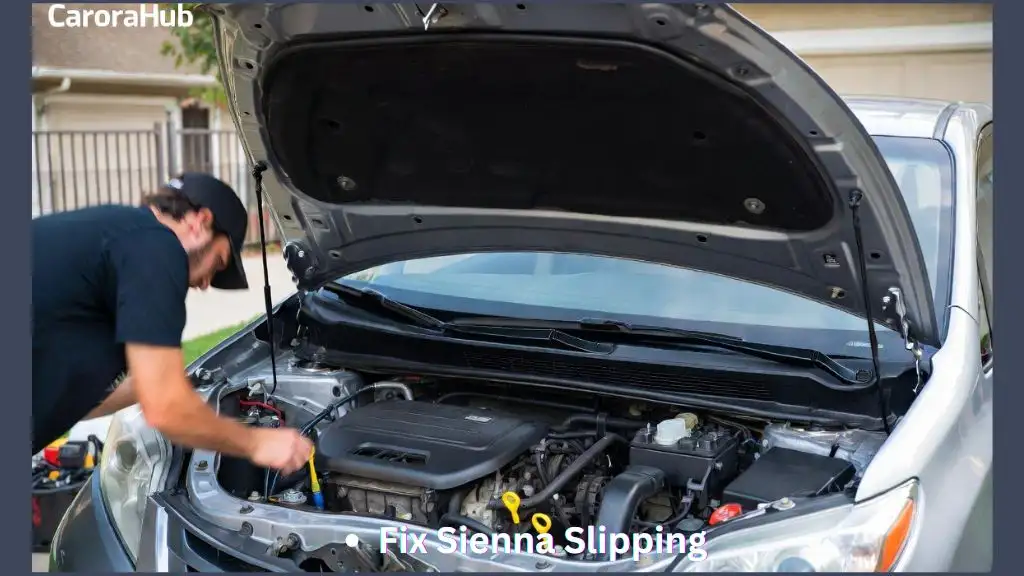
Is your Toyota Sienna’s transmission slipping? It can be frustrating and even dangerous when your van doesn’t shift smoothly.
You might feel a delay, hear strange noises, or notice your engine revving without proper acceleration. Don’t ignore these signs—your transmission needs attention before the problem gets worse. You’ll discover simple and effective fixes that can save you time, money, and stress.
Keep reading to learn how to stop your transmission from slipping and get your Sienna back on the road with confidence.

Credit: www.youtube.com
Symptoms Of Transmission Slipping
Transmission slipping in a Toyota Sienna means the vehicle changes gears poorly. This problem affects driving safety and comfort. Knowing the symptoms helps you act fast and avoid bigger issues.
Delayed Acceleration
The engine revs, but the vehicle moves slowly. It takes longer to speed up than usual. This delay shows the transmission is not sending power correctly.
Unusual Noises
Strange sounds like whining or clunking can come from the transmission. These noises are a sign that internal parts are worn or damaged. Pay attention to any new or odd sounds.
Burning Smell
A burning odor near the engine or under the car may appear. This smell means the transmission fluid is overheating or burning. Overheated fluid can cause serious damage fast.
Erratic Gear Shifts
The car may shift gears unpredictably or slip in and out of gear. Jerky or rough shifting shows the transmission is failing to engage properly. This symptom makes driving unsafe and uncomfortable.
Common Causes In Toyota Sienna
Transmission slipping is a common issue in Toyota Sienna models. It causes the vehicle to lose power or hesitate while driving. Understanding the common causes helps you identify the problem early. This makes it easier to fix and avoid costly repairs.
Low Transmission Fluid
Transmission fluid lubricates moving parts inside the transmission. Low fluid levels cause slipping and overheating. Leaks or poor maintenance often lead to low fluid. Checking fluid regularly prevents slipping and extends transmission life.
Worn Clutch Plates
Clutch plates help transfer power from the engine to the wheels. Over time, these plates wear out and lose grip. Worn clutch plates cause the transmission to slip during gear changes. Replacing them restores smooth shifting and power delivery.
Faulty Solenoids
Solenoids control fluid flow inside the transmission. Faulty solenoids cause incorrect fluid pressure. This leads to slipping and delayed shifting. Testing and replacing bad solenoids fix transmission performance issues.
Damaged Transmission Bands
Transmission bands hold gears in place during driving. Damage or wear weakens their grip on gears. This causes slipping and gear slipping problems. Repairing or replacing damaged bands improves transmission stability.
Tools And Materials Needed
Fixing transmission slipping in a Toyota Sienna needs the right tools and materials. Using proper tools saves time and avoids damage. Collect everything before starting the job. This section lists essential tools you need for a smooth repair.
Basic Hand Tools
Start with common hand tools. Wrenches and socket sets help remove bolts. Screwdrivers are useful for clips and small screws. Pliers help grip tight parts. A drain pan catches old fluid. Rags clean spills. Gloves protect your hands.
Transmission Fluid Types
Use the correct transmission fluid for your Sienna. Toyota usually recommends WS or Type T-IV fluid. Check your owner’s manual to confirm the right type. Using the wrong fluid can cause damage. Always buy high-quality fluid from trusted brands.
Diagnostic Equipment
A scan tool helps find transmission error codes. It shows problems causing slipping. Some tools read live data like fluid temperature. A pressure gauge tests transmission pressure. These tools give clear information about issues. They help fix the problem precisely.
Checking Transmission Fluid
Checking the transmission fluid is a key step to fix transmission slipping in your Toyota Sienna. This fluid helps your transmission shift smoothly. Low or dirty fluid can cause slipping and damage. Regular checks keep your vehicle running well.
Locating The Dipstick
Open the hood of your Toyota Sienna. Look for a brightly colored handle. Usually, it is yellow or red. This handle is the transmission fluid dipstick. It is near the engine, but not the oil dipstick. If unsure, check the owner’s manual.
Fluid Level Inspection
Pull out the dipstick carefully. Wipe it clean with a cloth. Insert it fully back into the tube. Pull it out again and check the fluid level. The fluid should be between the “Full” and “Add” marks. Low fluid means you need to add more.
Fluid Condition Assessment
Look at the fluid on the dipstick. It should be bright red or pink. Dark brown or black fluid means it is old or burnt. Smell the fluid. A strong burnt odor signals a problem. Clean fluid helps your transmission work properly.
Flushing And Replacing Fluid
Flushing and replacing the transmission fluid is a key step to stop transmission slipping in a Toyota Sienna. Old fluid loses its ability to lubricate and cool the transmission. This causes parts to wear faster and can lead to slipping. Fresh fluid keeps the transmission running smoothly and extends its life.
Follow these steps carefully to flush and replace the fluid properly. Use the right tools and fluid type for your Sienna model. This process helps restore proper transmission function and improves shifting.
Draining Old Fluid
Start by lifting the vehicle safely and locating the transmission drain plug. Place a container under the plug to catch the old fluid. Remove the plug carefully and let all the fluid drain out. This removes dirt and worn fluid that harm the transmission. After draining, replace the drain plug securely.
Refilling With Correct Fluid
Find the transmission fill hole on your Sienna. Use a funnel to pour in the new fluid slowly. Use only the fluid type recommended in the owner’s manual. Overfilling or underfilling can cause damage. Fill until the fluid level reaches the correct mark.
Bleeding The Transmission
Air can get trapped in the transmission during refilling. This causes poor fluid flow and slipping. To remove air, run the engine and shift through all gears slowly. This helps the fluid move and releases trapped air. Check the fluid level again and top off if needed.
Adjusting Transmission Bands
Adjusting transmission bands is a key step in fixing transmission slipping in your Toyota Sienna. These bands help control the gears inside the transmission. Over time, they can stretch or wear out, causing slipping. Proper adjustment restores smooth gear shifts and improves driving safety.
Locating Adjustment Points
Start by finding the transmission bands on your Toyota Sienna. These bands are usually inside the transmission casing. You may need to remove the transmission pan or cover. Look for the small bolts or screws that hold the bands in place. These are the adjustment points.
Proper Band Tension
Band tension must be just right. Too loose, and the transmission slips. Too tight, and it can cause damage. Use a wrench to turn the adjustment bolts slowly. Check the resistance by moving the band by hand. It should feel firm but not too tight.
Testing Band Adjustments
After adjusting, test the transmission bands. Start the engine and shift through all gears. Listen for slipping or strange noises. Drive the car slowly and feel for smooth gear changes. If slipping continues, fine-tune the band tension again.
Replacing Faulty Solenoids
Replacing faulty solenoids is a key step in fixing transmission slipping in a Toyota Sienna. Solenoids control the flow of transmission fluid and help the gears shift smoothly. If these parts fail, the transmission can slip or shift roughly.
This guide explains how to spot bad solenoids, remove the old ones, and install new ones. Follow these steps carefully to improve your vehicle’s performance.
Identifying Solenoid Issues
Solenoids may fail due to wear or electrical problems. Watch for signs like delayed gear shifts or slipping transmission. Check for error codes using an OBD-II scanner. A rough or jerky shift often points to solenoid trouble.
Removing The Solenoid
First, disconnect the battery to avoid electrical shocks. Drain the transmission fluid to prevent spills. Locate the solenoid pack inside the transmission. Carefully unplug the electrical connectors and remove the mounting bolts. Take out the faulty solenoid without damaging surrounding parts.
Installing New Solenoid
Place the new solenoid in the correct position. Tighten the mounting bolts securely but do not over-tighten. Reconnect the electrical plugs firmly. Refill the transmission fluid according to the manufacturer’s specs. Reconnect the battery and test drive the vehicle to check the repair.
Clutch Plate Inspection And Replacement
The clutch plate is a key part of your Toyota Sienna’s transmission system. It helps move power from the engine to the wheels. Over time, the clutch plate can wear out and cause slipping. This can make driving rough or slow. Checking and replacing the clutch plate can fix this problem and improve how your vehicle runs.
Accessing The Clutch Assembly
First, you need to access the clutch assembly. This is inside the transmission case. Remove the transmission from the vehicle carefully. Use the right tools to avoid damage. Place the transmission on a clean workbench. Now, you can see the clutch assembly clearly.
Checking Wear And Tear
Look closely at the clutch plate surface. Check for cracks, burns, or deep grooves. A worn clutch plate looks thin and smooth. Compare it to a new plate for better judgment. Also, inspect the pressure plate and flywheel. Any damage here may need repair or replacement.
Installing New Clutch Plates
Place the new clutch plate on the flywheel. Align it properly with the pressure plate. Use a clutch alignment tool to keep it centered. Tighten all bolts to the correct torque. Reinstall the transmission carefully back into the vehicle. Test the clutch pedal for smooth operation after installation.
Post-repair Testing
After fixing a slipping transmission in your Toyota Sienna, testing is crucial. It confirms the repair worked well. Proper testing helps avoid future problems and ensures safe driving. This stage involves specific steps to check the transmission’s behavior and overall vehicle performance.
Road Test Procedures
Start with a slow drive on a flat road. Shift through all gears smoothly. Listen for any unusual noises or jerks. Increase speed gradually and watch how the transmission reacts. Test uphill and downhill if possible. Use different driving conditions to check stability.
Monitoring Transmission Performance
Watch how the transmission shifts between gears. Notice any delays or slipping during acceleration. Check the transmission fluid level and color after the test. Fluid should be clean and at the right level. Monitor engine temperature to avoid overheating. Record any error codes using a scanner for extra checking.
Signs Of Successful Repair
The transmission shifts smoothly without hesitation. No strange noises or vibrations appear. The vehicle accelerates evenly and responds well. No warning lights show on the dashboard. Transmission fluid stays clean and at proper levels. The Sienna drives confidently in all conditions.
Preventive Maintenance Tips
Preventive maintenance helps keep your Toyota Sienna’s transmission running smoothly. Small actions prevent big problems. Taking care early saves time and money. Follow these tips to avoid transmission slipping issues.
Regular Fluid Checks
Check the transmission fluid often. Low or dirty fluid causes slipping. Use the correct fluid type for your Sienna. Look for a red or pink color and no burnt smell. Change fluid if it looks dark or smells bad. Clean fluid keeps parts moving well.
Scheduled Service Intervals
Follow Toyota’s service schedule for your Sienna. Regular visits let mechanics spot problems early. They can change fluid, filters, and inspect the transmission. Stick to recommended intervals to keep the transmission healthy. Preventive care lowers the risk of slipping.
Driving Habits To Avoid Slipping
Avoid sudden stops and quick acceleration. Drive smoothly to reduce transmission strain. Do not overload your Sienna beyond its capacity. Use the correct gear for the speed. Avoid riding the brake or clutch. These habits protect the transmission from slipping.
Frequently Asked Questions
What Causes Transmission Slipping In Toyota Sienna?
Transmission slipping in Toyota Sienna often results from low transmission fluid, worn clutch plates, or damaged bands. Regular maintenance helps prevent these issues. Identifying the cause early avoids costly repairs and ensures smooth driving performance.
How To Fix Transmission Slipping In Toyota Sienna?
Fix transmission slipping by checking and refilling transmission fluid first. If fluid is fine, inspect and replace worn clutch plates or damaged bands. Professional diagnosis is recommended to address internal transmission issues effectively.
Can Low Transmission Fluid Cause Slipping In Toyota Sienna?
Yes, low transmission fluid reduces hydraulic pressure, causing slipping. Check fluid levels regularly and refill with manufacturer-recommended fluid. Proper fluid maintenance prevents overheating and extends transmission life.
When Should I Consult A Mechanic For Toyota Sienna Slipping?
Consult a mechanic if slipping persists after fluid check or if shifting feels rough. Early professional intervention prevents further transmission damage and ensures safety on the road.
Bottom Line
Transmission slipping can cause serious problems if ignored. Fixing your Toyota Sienna’s transmission early saves you money. Check fluid levels and condition regularly. Clean or replace the transmission filter as needed. Pay attention to unusual noises or delays in shifting.
Small steps prevent bigger repairs later. Keep your Sienna running smoothly and safely. Don’t wait until slipping worsens. Act now to protect your vehicle’s performance.

Hello, I’m Norman. I work as a car researcher. I am the voice behind CaroraHub. I have over 15 years of experience. I give simple and useful car advice. I help with car care, cleaning, and small repairs. My goal is to help you keep your car healthy. I want car care to be easy and cheap for you. You can trust my tips to keep your car working well for a long time.