Are you trying to decide between the Toyota Sienna Hybrid and the non-hybrid version? Performance matters a lot when choosing the right minivan for your family, daily drives, or road trips.
You want a ride that feels smooth, powerful, and efficient every time you get behind the wheel. In this post, I’ll walk you through how these two Sienna models compare in real-world driving. I’ll share what I’ve seen on the road, what owners report, and how the numbers translate to everyday life. By the end, you’ll know which Sienna fits your driving style, budget, and needs.
Keep reading to find out which one gives you the best balance of power and efficiency.
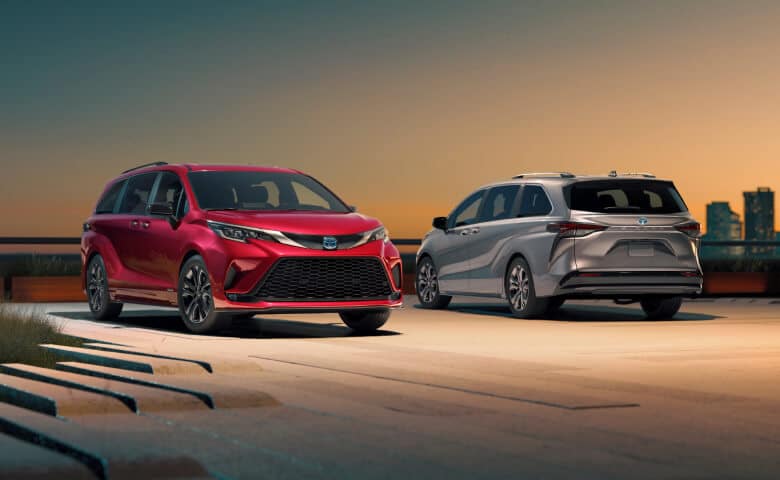
Credit: www.longotoyotaofprosper.com
Engine And Powertrain
The engine and powertrain define how a Sienna drives. Here I compare the hybrid and non-hybrid setups. I explain how each system works, what power they deliver, and why that matters for real use. These differences shape fuel economy, acceleration, and the driving feel.
Hybrid System Components
The Sienna Hybrid pairs a gasoline engine with electric motors, a battery pack, and power electronics. Toyota’s design uses an electronic continuously variable transmission (eCVT) to blend engine and motor power. Regenerative braking helps recharge the battery while you drive. In traffic, the car can run on electric power at low speeds, which cuts fuel use.
From my experience, that electric assist improves throttle response at low speeds. It also makes city driving feel calm and predictable. If you often face stop-and-go commutes or school runs, the hybrid system gives a clear, daily benefit.
Traditional Engine Specs
The non-hybrid Sienna uses a 3.5-liter V6 and a conventional automatic transmission. That V6 is known for reliable, linear power. It gives strong passing power on highways and when towing. Mechanically, it’s less complex than a hybrid. For drivers who prefer a purely mechanical drivetrain and familiar service patterns, the V6 is a solid choice.
Power Output Comparison
The hybrid Sienna produces around 245 horsepower when you combine engine and motor output. The electric motors add instant torque, which helps acceleration from a standstill. The non-hybrid V6 delivers roughly 296 horsepower. That is more raw power on paper. In real driving, the hybrid often feels quicker off the line due to electric torque, while the V6 can feel stronger at higher speeds.
Available Drivetrains and AWD Notes
Both drivetrains have different options. The hybrid is often available with front-wheel drive (FWD) and an AWD setup that uses an electric rear drive motor. The V6 non-hybrid historically offered AWD in some model years using a mechanical system. If you need AWD for snow or light off-road use, check trim-level availability and compare how each AWD system works in real conditions.
Fuel Efficiency
Fuel economy is a major reason buyers choose a Sienna Hybrid. It changes how much you spend on gas and how often you stop at the pump. Below I break down city, highway, and overall numbers and explain what they mean for everyday costs.
City Mileage
The Sienna Hybrid shines in the city. It can run on electric power at low speeds and recapture energy when braking. That reduces fuel use in stop-and-go traffic. From owner reports and my time behind the wheel, city driving yields the biggest savings with the hybrid.
Highway Mileage
On the highway both versions hold steady, but the hybrid still typically uses less gas. At steady speeds the gas engine carries more of the load, but the hybrid system’s efficiency still helps. For long trips, you’ll see better miles per gallon with the hybrid. It makes long drives cheaper and less frequent on fuel stops.
Overall Consumption
Overall, the hybrid consumes less fuel. It blends gas and electric power to cut consumption across daily driving cycles. The non-hybrid relies on gasoline alone and costs more at the pump. If saving fuel and lowering emissions matter, the hybrid is the practical choice.
Real-World Fuel Cost Example
To make this concrete: if the hybrid achieves around 36 MPG combined (as many owners report) and the non-hybrid gets 19–21 MPG, your annual fuel bill will differ a lot. On 12,000 miles a year at $3.50 per gallon, the hybrid can save several hundred dollars annually. Those savings add up over a typical ownership period.
Acceleration And Handling
Acceleration and handling matter for daily driving, merging, and passing. Both Sienna versions deliver comfortable handling for a minivan, but their power delivery and ride character differ.
0-60 Mph Times
Expect the hybrid Sienna to run to 60 mph in roughly 7.2 seconds in typical tests, thanks to instant electric torque. The non-hybrid V6 is measured closer to 8.5 seconds in some sources, though times vary by model year and load. Numbers alone don’t tell the whole story. Real-world feel—low-end torque, throttle mapping, and transmission behavior—affects how quick the vehicle feels.
Driving Dynamics
The hybrid feels quieter and more composed at low speeds. Power delivery is smooth and steady. The non-hybrid can feel more traditional and a bit heavier in turn-in. Both handle well for their size, but you’ll notice the hybrid’s smoother powertrain in everyday driving.
Suspension Differences
Suspension tuning differs slightly between models. The hybrid often leans toward a cushioned, stable ride to match its refined power delivery. The non-hybrid’s suspension can feel firmer, which some drivers prefer for a more connected feel. Neither is sporty; both prioritize passenger comfort and load handling.
Towing and Payload: Practical Advice
If towing matters, the non-hybrid historically offers higher towing figures. Many V6 Siennas tow up to about 3,500 pounds. Hybrids may be rated similarly or slightly lower depending on year and trim. Remember that towing reduces fuel economy. If you tow often, check the exact towing rating and consider a dedicated tow vehicle if you need capacity above 3,500 pounds.
Emissions And Environmental Impact
The hybrid and non-hybrid Siennas differ a lot in environmental impact. Here’s how each affects emissions, local air quality, and long-term sustainability.
Co2 Emissions
The Sienna Hybrid emits less CO2 than the non-hybrid. Less fuel burned means fewer greenhouse gases. If lowering your carbon footprint is a priority, the hybrid is the clear choice. Less CO2 also helps local air quality in towns and cities.
Eco-friendly Features
The hybrid includes features that support greener driving. Regenerative braking recaptures energy. Auto stop-start reduces idling waste. Energy-monitoring displays help drivers adopt fuel-saving habits. These systems work together to lower emissions and improve efficiency compared to a gas-only vehicle.
Long-term Benefits
Choosing a hybrid reduces fuel use, lowers running costs, and cuts emissions over time. That helps public health and the climate. While the non-hybrid may cost less up front, the hybrid’s long-term environmental benefits are significant for many buyers.
Cost And Value
Cost and value guide many decisions. I cover price, maintenance, and resale below. I also show where you might save money over time.
Initial Purchase Price
The Sienna Hybrid usually has a higher sticker price. The advanced battery and hybrid tech increase cost. The non-hybrid has a lower starting price. That lower entry cost appeals if your budget is tight and you drive fewer miles yearly.
Maintenance Costs
Hybrids often save money on fuel. They have fewer heavy-load cycles on the gasoline engine. Hybrid batteries can add service complexity but modern Toyota hybrid systems have strong reliability records. Non-hybrid models may require more gas and routine engine maintenance. Over time, fuel savings can offset the higher initial price of a hybrid for many owners.
Resale Value
Hybrids tend to hold value well. Fuel-efficient vehicles stay in demand on the used market. The hybrid’s appeal to eco-conscious buyers helps resale. Non-hybrids may depreciate faster if fuel prices rise or buyer preferences shift toward efficiency.
Battery Warranty and Ownership Notes
Toyota typically covers hybrid components under a separate warranty. Check the current warranty terms at purchase. In my experience, most hybrid owners do not face large battery repair bills within the warranty period. Still, confirm coverage and local service options before you buy.
Credit: www.motorbiscuit.com
Comfort And Interior Features
Comfort and tech are big parts of family life in a minivan. Both Siennas focus on passenger space, smart storage, and quiet cabins. I’ll cover space, infotainment, and interior noise so you can picture life inside each model.
Cabin Space
Both Sienna versions offer roomy cabins. Headroom and legroom are generous in all rows. The hybrid keeps the same passenger space without compromising battery placement. Storage cubbies are practical and family-friendly. Seats fold or remove to create cargo space, which helps on long trips.
Technology And Infotainment
Both models include user-friendly touchscreens and smartphone integration. Apple CarPlay and Android Auto are standard. Hybrid trims may add energy-monitoring screens and efficiency tips. Sound systems are solid for music and calls. If you want rear-seat entertainment or premium audio, check trim packages for those options.
Noise Levels
The hybrid Sienna is quieter at low speeds because the electric motor reduces engine noise. On the highway, both models have sound insulation to limit wind and road noise. If you value a whisper-quiet cabin during school runs, the hybrid is a nice upgrade.
Safety And Reliability
Safety and reliability are essential for family vehicles. Both Sienna models offer strong protection and modern driver aids. Below I cover crash ratings, driver assist tech, and long-term durability.
Safety Ratings
Both Sienna Hybrid and non-hybrid earn high safety scores. The National Highway Traffic Safety Administration (NHTSA) lists five-star overall ratings for many model years. The IIHS also gives top marks for crashworthiness in key tests. These ratings show Toyota’s strong focus on passenger protection.
Driver Assistance Features
Toyota includes a suite of driving aids on both versions. Expect adaptive cruise control, lane departure alerts, and automatic emergency braking. These systems help reduce risk and make long drives less stressful. The features are usually standard across many trims, so both hybrids and non-hybrids get the safety tech you likely want.
Long-term Durability
Toyota has a strong reputation for longevity. The Sienna is built with durable parts and practical engineering. Hybrid components add complexity, but Toyota’s hybrid systems have a good track record. With routine maintenance, both versions can last many years with few major issues.

Credit: www.toyotaofrenton.com
Driving Experience
The driving experience differs in ways you’ll notice on a daily basis. Below I break down smoothness, responsiveness, and what owners say about living with each Sienna.
Smoothness And Quietness
The hybrid’s blend of electric and gas power keeps the cabin quiet and smooth. At low speeds the engine often stays off, which reduces noise. The non-hybrid is still comfortable but can be louder under acceleration. For calm, peaceful city runs, the hybrid has the edge.
Responsiveness
Electric torque gives the hybrid quick initial response. It feels eager when you press the gas in town. The V6 in the non-hybrid shines at highway speeds and during heavy loads. Both respond well for their class; the difference is mostly in where the power is delivered.
User Feedback
Drivers often praise the hybrid for smooth starts, better fuel bills, and quiet operation. Some prefer the non-hybrid for its familiar V6 sound and feel. Both versions earn positive reviews for comfort, seating, and practicality. Your choice often comes down to how you drive and what you value most.
Frequently Asked Questions
What Are The Main Performance Differences Between Sienna Hybrid And Non-hybrid?
The Sienna Hybrid offers better fuel efficiency and smoother acceleration. The non-hybrid delivers slightly more horsepower. Hybrids excel in city driving, while non-hybrids perform well on highways and towing.
How Does Fuel Economy Compare In Sienna Hybrid Vs Non-hybrid?
The Sienna Hybrid achieves around 36 MPG combined, significantly higher than the Non-Hybrid’s 19-21 MPG. This makes the hybrid ideal for saving fuel and reducing emissions in daily driving.
Is The Toyota Sienna Hybrid Slower Than The Non-hybrid?
No, the Sienna Hybrid is not slower. It provides instant torque from the electric motor, ensuring smooth and responsive acceleration. The non-hybrid has more engine power but less torque at low speeds.
Which Sienna Model Is Better For Towing Performance?
The non-hybrid Sienna has a higher towing capacity, usually up to 3,500 pounds. The Hybrid is rated lower, around 3,500 pounds or less, making the Non-Hybrid better suited for heavy towing needs.
Bottom Line
Choosing between the Toyota Sienna Hybrid and non-hybrid depends on your needs. The hybrid offers better fuel economy and lower emissions. The non-hybrid may provide a traditional driving feel and possibly lower upfront costs. Both models deliver solid performance and comfort for families.
Think about your daily driving habits and budget. If you drive a lot in the city, want lower fuel costs, and value quiet rides, the hybrid is likely the better pick. If you need maximum towing, prefer a classic V6 feel, or want a lower starting price, the non-hybrid can make sense. Either way, the Sienna remains a reliable, roomy minivan built for family life. Consider what matters most before making your choice.

Hello, I’m Norman. I work as a car researcher. I am the voice behind CaroraHub. I have over 15 years of experience. I give simple and useful car advice. I help with car care, cleaning, and small repairs. My goal is to help you keep your car healthy. I want car care to be easy and cheap for you. You can trust my tips to keep your car working well for a long time.