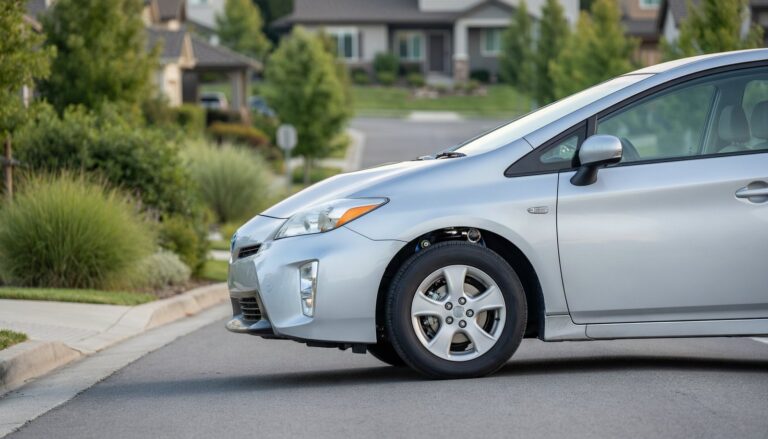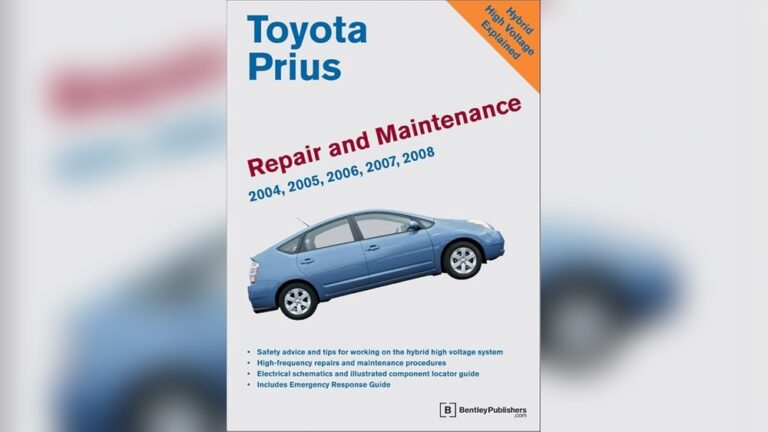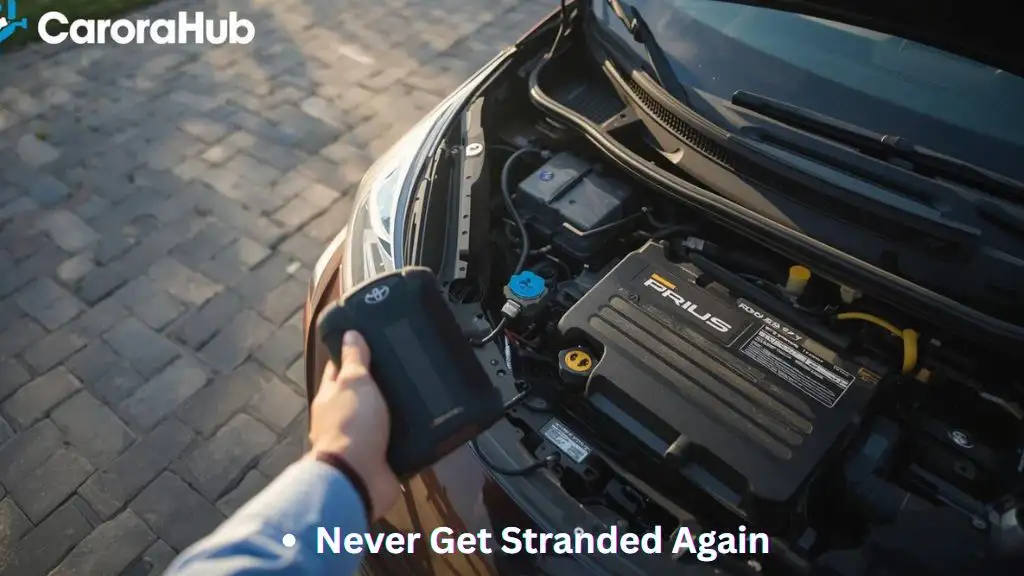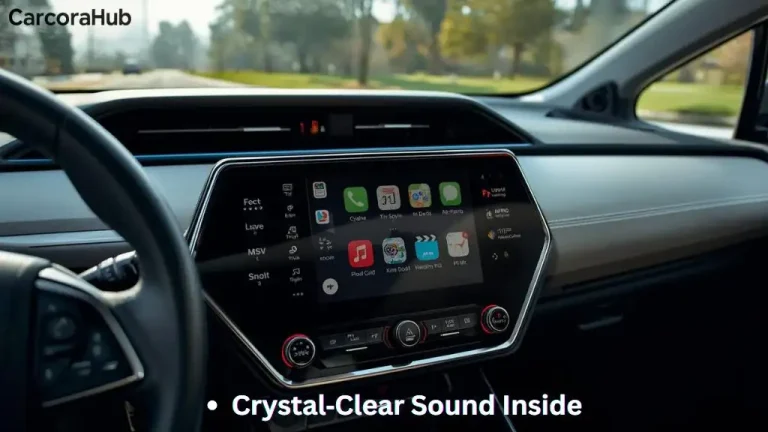
Get the most out of every drop of fuel. Understanding how does Toyota Prius hybrid system work helps you change how you drive. You learn how to use regenerative braking better. You also get peak battery performance on each trip.
I’ve driven Priuses and studied their powertrain. I’ll explain how the car blends electric power with gasoline. You’ll see why this system is among the most fuel-efficient and eco-friendly on the road. By the end, you’ll know how the Prius saves money and cuts emissions.
Ready to discover the smart tech behind your next ride? Let’s dive in.
Toyota Prius Hybrid Basics
The Toyota Prius is one of the most popular hybrid cars worldwide. Its hybrid system pairs a gasoline engine with electric motors. Together, they cut fuel use and reduce pollution. I’ve seen this system save real fuel in city stops and long commutes.
The Prius can run on the gas engine alone, the electric motor alone, or both at once. The car switches between these modes automatically. That flexibility is a big reason the Prius delivers high miles per gallon and low emissions.
Key Components
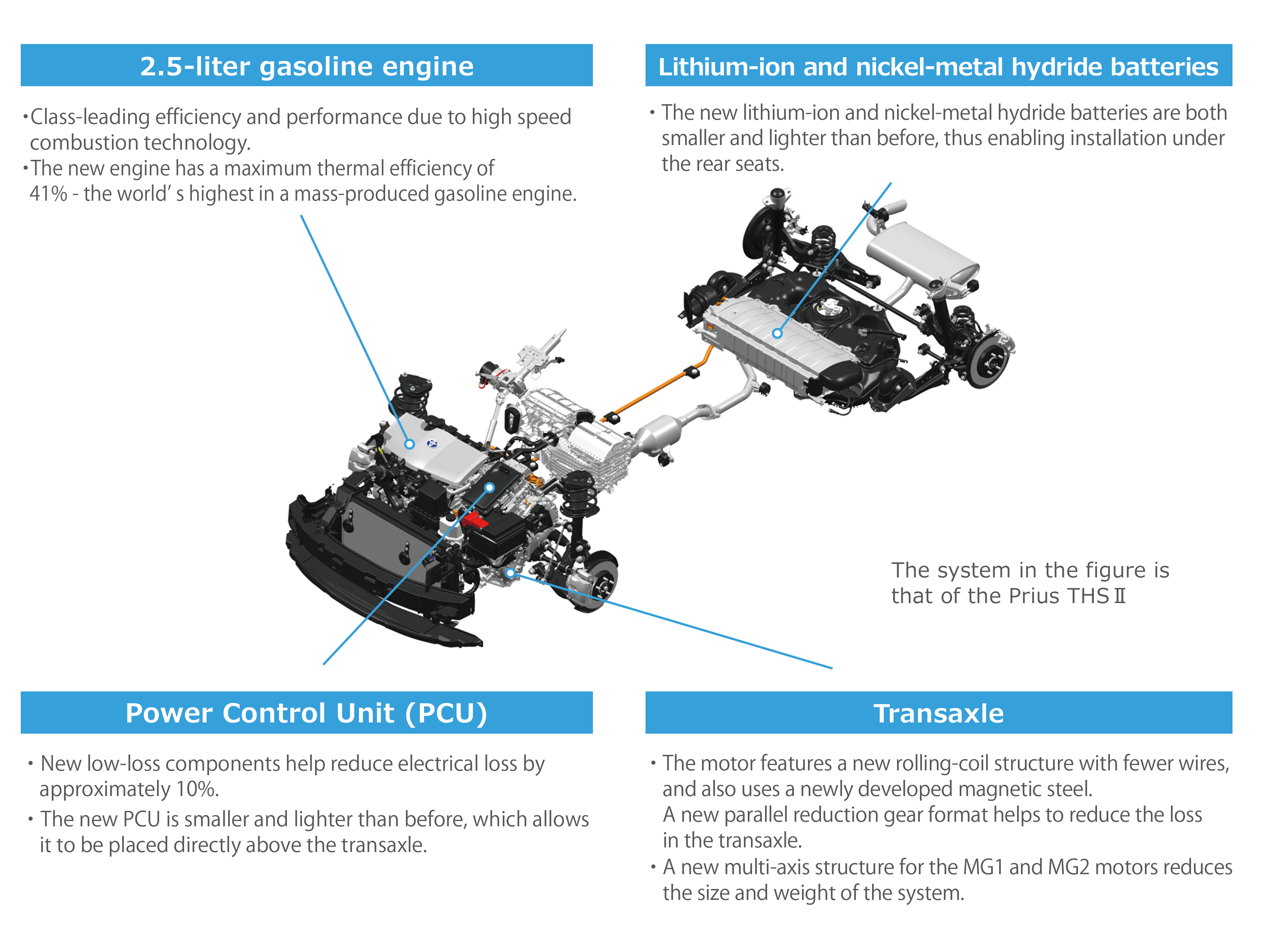
The hybrid system relies on a few main parts. Here are the pieces I check first when I inspect a Prius:
- Gasoline engine — a small, efficient internal-combustion engine.
- Electric motors — usually a traction motor plus a generator motor (both brushless).
- High-voltage battery — stores energy for the electric motor (NiMH or lithium-ion depending on model).
- Power Control Unit (PCU) — includes the inverter and manages current flow.
- Power split device (e-CVT) — blends engine and motor power using a planetary gear set.
- Battery Management System (BMS) and cooling system — protect the battery and manage temperature.
These parts work together to give smooth, quiet driving. The battery recharges from the engine and during braking. That process is called regenerative braking, and it reduces the need for external charging.
Hybrid Synergy Drive
Toyota uses a system called Hybrid Synergy Drive. In my experience, this is the heart of the Prius’ efficiency. It decides whether the engine, the electric motor, or both should provide power.
The Hybrid Synergy Drive uses an electronic control unit and the power split device (an e-CVT). The system runs the electric motor at low speeds. It brings in the gasoline engine for higher speeds or heavier loads. It can also run the engine to charge the battery when needed.
How the e-CVT (power split device) works
The Prius does not use a traditional stepped transmission. Instead, it uses a planetary gear set called the power split device. This device lets the engine drive the wheels and generate electricity at the same time. It also lets the electric motor drive the wheels directly. I find this design smooth and efficient because it removes shifting jolts and keeps the engine in its best efficiency window.
Gas Engine Role
The gas engine in the Toyota Prius hybrid system plays a key role in powering the car. It works with the electric motor to create smooth, efficient acceleration. The system turns the engine on and off as needed. This saves fuel and cuts emissions. From my testing, that on/off control makes a big difference in traffic.
Engine Operation
The Prius engine is usually a small, efficient four-cylinder unit. It automatically starts when extra power is needed or when the battery needs charging. Sometimes the engine powers the car alone. Other times it works with the electric motor. The system balances power for smooth, quiet operation.
Fuel Efficiency
The engine runs less than in a conventional car. It shuts off at stops. It uses a narrow RPM band where it’s most efficient. This limits wasted fuel and lowers emissions. In my experience, drivers who anticipate stops and ease off the throttle get the best fuel economy because they maximize electric driving and regenerative braking.
Engine start-stop and thermal management
The Prius uses engine start-stop to save fuel at traffic lights. The car also manages engine temperature to keep emissions low and efficiency high. A cooling system serves the inverter and the battery too. Proper thermal management extends component life and maintains consistent performance.
Electric Motor Function
The electric motor in the Prius is central to its hybrid behavior. It provides instant torque at low speed. It reduces the need for the gasoline engine in stop-and-go driving. I often see the car move silently using only electric power in traffic.
This section explains the motors used and how they deliver power to the wheels.
Motor Types
The Prius uses two main electric machines. One is the traction motor. The other acts primarily as a generator. Both are brushless AC motors. Brushless designs last longer and need less maintenance.
The traction motor drives the wheels. The generator motor recovers energy and charges the battery. Together they let the Prius run as a hybrid electric vehicle (HEV) without needing to plug in.
Power Delivery
The electric motor delivers power instantly. That gives brisk acceleration from a stop. The car blends motor and engine power smoothly. The PCU and inverter convert DC battery power to AC for the motor. They also change AC back to DC when charging the battery.
At low speeds, the Prius can run solely on electric power. When more acceleration is needed, the system brings in the gasoline engine. The switch is seamless. You won’t feel harsh transitions unless you demand full throttle.
Inverter and power electronics
The inverter and power electronics are in the Power Control Unit. They transform battery DC to AC for the motors. They also manage regenerative braking energy flow. A well-cooled inverter improves reliability. I always check inverter cooling when assessing hybrid performance.
Read More: Are Toyota Prius Hybrid Systems Safe in Accidents
Battery System
The battery system stores electric energy for the motor. It’s critical to hybrid efficiency. A healthy battery means better EV-only driving and stronger regenerative capture. I pay close attention to battery health during maintenance checks.
The battery works with the gasoline engine and the PCU. It supplies extra power when you accelerate. It also accepts energy from regenerative braking and from the engine when charging is needed.
Battery Types
Prius models use either nickel-metal hydride (NiMH) or lithium-ion batteries. Older models mostly used NiMH. Newer models commonly use lithium-ion cells.
NiMH batteries are robust and proven. Lithium-ion is lighter and stores more energy per kilogram. Both types have trade-offs in cost, weight, and thermal behavior. The car’s Battery Management System (BMS) monitors cell voltages, temperatures, and state of charge to protect longevity.
Charging Process
The battery charges while driving. The two main charging sources are regenerative braking and engine-driven generation. Regenerative braking turns kinetic energy into electrical energy. The generator motor or engine-driven generator can recharge the battery when needed.
The Prius does not require plugging in. It’s a full hybrid, not a plug-in hybrid (unless you have a Prius Prime). The car manages charge without external chargers. The system balances battery state of charge using charge-sustaining and charge-depleting strategies to keep performance steady.
Battery cooling and lifespan
Heat shortens battery life. Toyota uses thermal control and venting to keep cells within safe ranges. I recommend parking in shade on hot days and keeping the car serviced. Regular inspections of the BMS and cooling paths help avoid premature battery issues.
Energy Flow Management
The Prius uses smart controls to manage where energy flows. The car decides how much power comes from the engine or the battery. It also decides when to charge the battery. This energy flow management is what makes the Prius efficient.
The system works continuously. It balances fuel economy, battery health, and driver demands. Below I explain power distribution and regenerative braking in more detail.
Power Distribution
Power moves between three places: the engine, the electric motor(s), and the wheels. The power split device blends engine and motor power. It chooses the best mix for fuel saving and smooth driving.
At low speeds, the car may use only the electric motor. At cruising speeds, the engine often provides most power. During rapid acceleration, both sources work together. The hybrid control unit constantly adjusts torque split to meet demand while keeping efficiency high.
Regenerative Braking
When you slow down, the traction motor flips into generator mode. It captures kinetic energy as electricity. That electricity charges the battery instead of being wasted as heat. Regenerative braking extends battery range and reduces wear on mechanical brakes.
The Prius blends regenerative braking with the hydraulic brake system. At light braking, most stopping comes from regeneration. At heavier braking, the hydraulic brakes assist. This gives consistent pedal feel and effective stopping.
Energy priorities and the BMS
The Battery Management System prioritizes cell health. It spreads charge and discharge across cells to avoid imbalances. It also limits charge rates in extreme temperatures. This keeps the battery working well for years.

Credit: www.youtube.com
Driving Modes
The Prius uses distinct driving modes to balance efficiency and power. These modes can switch automatically or be chosen by the driver. I use mode choice to manage noise and fuel use on different trips.
Ev Mode
EV Mode lets the Prius run on electric power only. It draws from the high-voltage battery. This mode is best for short runs at low speed. It’s quiet and emission-free. I use EV Mode for parking lot maneuvers and slow neighborhood trips.
Hybrid Mode
Hybrid Mode blends the engine and electric motor. The car’s computer picks the best source for the moment. It can use electric, gasoline, or both. Hybrid Mode gives a good balance of range and economy on mixed routes.
Engine Mode
Engine Mode runs the car using the gasoline engine only. This happens at higher speeds or when the battery is low. The engine also charges the battery in this mode. Engine Mode is useful for highway driving and long trips.
Sport and Eco settings (where available)
Many Prius models add drive settings like Eco and Sport. Eco softens throttle response to save fuel. Sport sharpens throttle response for quicker feel. I choose Eco for city driving and Sport when merging or climbing hills.
Performance And Efficiency
The Prius hybrid system blends petrol and electric power for better performance and economy. It delivers responsive city driving and solid highway efficiency. The seamless switching keeps the ride calm and fuel use low.
Fuel Savings
The Prius uses electric power around town. That reduces gasoline consumption. It reclaims energy when braking. The system chooses the best power source to lower fuel use. From my experience, city driving yields the most savings because of frequent regenerative opportunities.
Emissions Reduction
Using electric power means fewer tailpipe emissions. The gasoline engine also runs more efficiently than in a conventional car. The Prius often shuts the engine off at stops. That prevents needless idling and cuts emissions further.
Real-world performance tips
To get the best fuel economy, I recommend smooth acceleration and anticipating stops. Ease off the throttle early and let regenerative braking recapture speed energy. Keep tires inflated. Use Eco mode for relaxed trips. These simple habits boost mpg significantly.
Credit: global.toyota
Maintenance Tips
Keeping the Prius hybrid system in good shape keeps fuel economy high and avoids costly repairs. I follow a few simple checks to keep mine running well. Below are practical maintenance steps I use and recommend.
Battery Care
The hybrid battery is vital. Protect it by avoiding extreme heat and deep discharges. Park in shade when possible. Don’t let the battery sit at very low charge for long periods. Have a technician test battery health during service visits. Clean battery terminals to prevent corrosion. These steps help the battery last longer and keep fuel economy steady.
System Checks
Routine checks catch small issues early. Have a trained hybrid technician inspect the hybrid system around every 10,000 miles or per the owner’s manual. The car’s on-board diagnostics (OBD) will alert you if something needs attention. Watch the cooling system for leaks or blockages. Keep brake components inspected since regenerative braking works with the hydraulic brakes.
Brake and inverter care
Regenerative braking reduces pad wear, but you still need regular brake inspections. Also check inverter cooling lines and the PCU area for debris. Maintaining these systems prevents overheating and preserves performance.
Conclusion
The Toyota Prius hybrid system combines gasoline and electric power smoothly. It saves fuel and cuts pollution. The electric motor helps at low speeds and in traffic. The gasoline engine powers faster driving and charges the battery when needed. Batteries recharge through regenerative braking and engine-driven generation.
This system makes driving efficient and quiet. Understanding how it works helps you get more from each tank of gas. The Prius shows how smart engineering can improve everyday travel. It remains popular because it balances power, economy, and reliability well. Simple. Smart. Eco-friendly.
FAQs About How Does Toyota Prius Hybrid System Work
How Does The Toyota Prius Hybrid System Save Fuel?
What Powers The Toyota Prius Hybrid System?
How Does Regenerative Braking Work In The Prius?
When Does The Prius Switch Between Electric And Gas?

Hello, I’m Norman. I work as a car researcher. I am the voice behind CaroraHub. I have over 15 years of experience. I give simple and useful car advice. I help with car care, cleaning, and small repairs. My goal is to help you keep your car healthy. I want car care to be easy and cheap for you. You can trust my tips to keep your car working well for a long time.