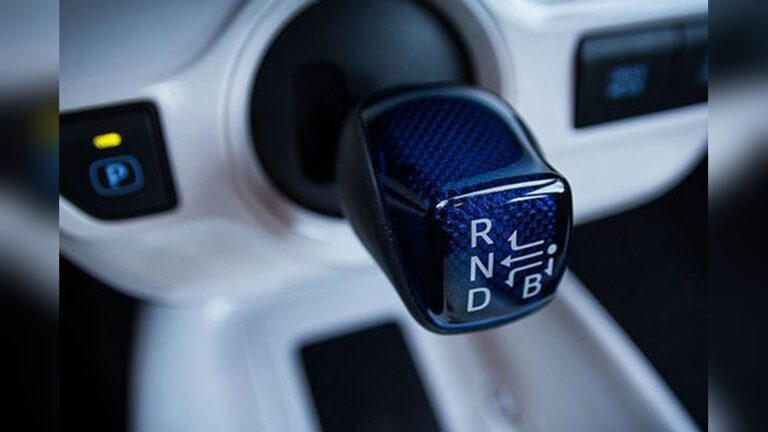
If you own a Toyota Prius Plug-in Hybrid, learning how to charge it at home can save you time and money. Charging may seem tricky at first, but it’s straightforward once you know the basics and use the right equipment.
I’ll walk you step-by-step through safe, efficient home charging. I’ll share practical tips from real-world use, explain the gear you’ll need, and point out common pitfalls to avoid. By the end you’ll feel confident charging your Prius from your garage or driveway—cost-effectively and safely—so your daily drives stay smooth and eco-friendly. Keep reading for clear, actionable advice that makes charging part of your routine.
Preparing Your Home For Charging
Charging your Toyota Prius Plug-in Hybrid at home starts with good planning. A tidy setup keeps charging fast, safe, and reliable. Small steps now prevent wasted money and headaches later.
Check Electrical Capacity
Check your home’s electrical system first. The charger draws steady power. Look at your breaker panel and note available capacity. Older homes may need an electrical upgrade. If your main panel is near full, plan for a dedicated circuit. This avoids tripped breakers and keeps your home safe.
Tip: Have a licensed electrician do a load calculation. They check panel capacity and recommend a circuit size based on the EV charger you want. This prevents surprise limits on charging speed.
Choose The Right Charging Equipment
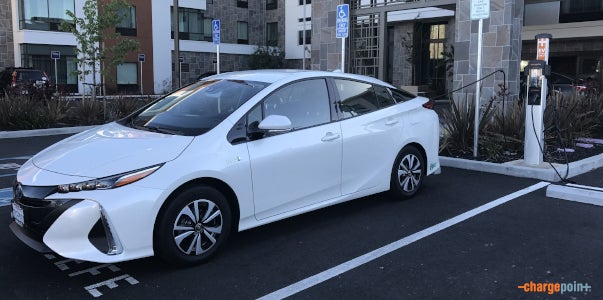
Pick a charger that matches how you drive. A Level 1 charger uses a 120‑volt outlet and is fine for low daily miles. A Level 2 charger (240‑volt) charges much faster and suits most drivers. Look for an EVSE (electric vehicle supply equipment) with a J1772 plug—this is the standard connector for the Prius Plug-in Hybrid.
Also consider features: built‑in timer, Wi‑Fi app, energy monitoring, and adjustable amperage. These can save money and help with smart charging. Choose a weatherproof, UL- or ETL-listed unit for outdoor mounting.
Consider Professional Installation
I recommend hiring a licensed electrician. Pros know local codes and can handle permits. They will install the charger on a dedicated circuit and advise if you need a service upgrade. Proper installation lowers fire risk and protects warranties.
Installation checklist for electricians
- Confirm service panel capacity and do a load calculation.
- Install a dedicated 240V circuit with correct breaker size.
- Use proper conduit and weatherproof outdoor fittings if needed.
- Test the unit and measure voltage under load.
- Provide documentation for permits and future resale.
Credit: www.chargepoint.com
Types Of Chargers For Prius Plug-in
Knowing charger types helps you pick the right option. Each level changes how fast you regain electric range and how much wiring or cost is involved. Below are the two common home options.
Level 1 Charger Basics
Level 1 uses a standard 120‑volt household outlet. Your Prius comes with a portable Level 1 cordset that plugs into a regular socket. It’s plug-and-play and needs no special work. Expect roughly 3–5 miles of electric range per hour of charging. It’s best for low daily mileage or drivers who can charge overnight.
Use a dedicated outlet on a healthy circuit. Avoid extension cords and shared circuits to reduce heat and voltage drop.
Benefits Of Level 2 Chargers
Level 2 chargers need a 240‑volt circuit, similar to an electric dryer or range. They add about 12–25 miles of range per hour for a Prius Plug-in. That cuts charge time to about two hours for a full charge from low state of charge. A Level 2 EVSE gives more flexibility for daily driving and for occasional longer trips.
Common home connector: J1772. Common outlet types for portable Level 2 units: NEMA 14-50 or hardwired EVSE. A hardwired wall box is neater and often more reliable than a plug-in solution.
Setting Up The Charging Station
Setting up a home charging station is straightforward when you plan the location and run power correctly. A good setup saves time and keeps your charging predictable.
Selecting The Ideal Location
Pick a spot close to where you park. The charger should be near the panel or an easy run from it. Keep the area dry and sheltered from direct weather. Make sure the charging cable reaches the car without stretching across walkways. Leave room for opening doors and for safe cable routing.
Installing The Charging Unit
Have your electrician mount the unit at a comfortable height. Use a dedicated breaker sized to the EVSE amperage. Label the breaker and add a GFCI or RCD if local code requires it. After installation, test charging at the car to confirm proper operation. Keep the EVSE manual and wiring details with your home records.
Safety Tips During Installation
Turn off the main power before wiring. Wear protective gear and use correct tools. Keep the charger away from flammable items. Verify that all wiring follows local electrical codes. Keep kids and pets away while work is underway.
Credit: www.chargepoint.com
Charging Your Prius Plug-in Hybrid
Charging the Prius at home is quick once the station is ready. Below are clear steps to follow each time you plug in. They will keep charging trouble-free and safe.
Connecting The Charger
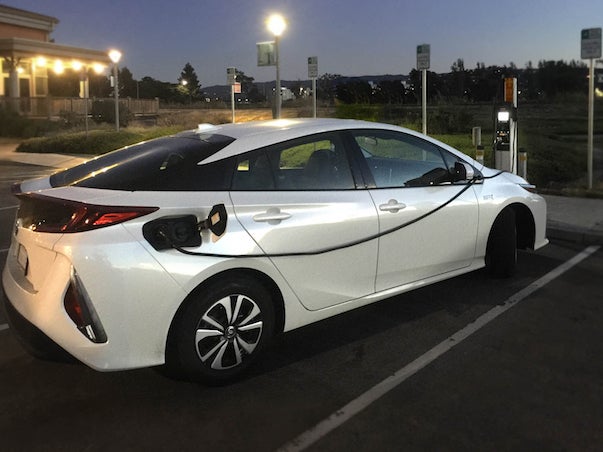
Park the car so the charge port is within reach of the cable. Open the charging port on the front left side. Uncoil the cable, then insert the J1772 plug firmly into the car’s inlet. You should hear or feel a click indicating a secure connection. The car and EVSE exchange signals and charging will begin automatically.
Tip from experience: keep the plug and port clean. A small cloth wipe prevents poor contact and helps charging start reliably.
Charging Time Estimates
Charging time depends on charger power and battery state. Typical times:
- Level 1 (120V): about 5 hours to overnight for a routine top-up; full recharge can take 5–12 hours depending on battery level.
- Level 2 (240V): faster—roughly 2 hours for a typical full recharge from low state of charge.
Your Prius display shows estimated time remaining. Use that to plan departures and set timers.
Monitoring The Charging Process
Watch the charge status on the car’s dashboard and the EVSE indicator lights. Green or flashing green usually means active charging. When charging completes, the light changes or the EVSE turns idle. Only unplug after the EVSE and car show a completed or safe-to-unplug status.
Many smart EVSEs send notifications to a phone app. I use app alerts to know exactly when charging finishes. That keeps me from leaving the car connected longer than needed.
Maximizing Charging Efficiency
Make charging more efficient and cheaper with a few simple habits. These help your battery and lower bills over time.
Best Charging Times
Charge during off‑peak hours when rates are lowest. Late night and early morning often have the cheapest electricity. Use timers on the Prius or EVSE to start charging automatically at off‑peak times. This reduces costs and eases grid demand.
Maintaining Battery Health
To prolong battery life, avoid extremes. Keeping the battery between about 20% and 80% state of charge helps. Don’t let it sit at 100% for long when not needed. Also avoid deep discharges to 0% regularly. These steps protect long‑term capacity.
For detailed maintenance guidance, see this guide on Maintaining a Toyota Prius Hybrid Battery.
Using Smart Charging Features
Use built-in timers and scheduling on the Prius and your EVSE. Set charging windows that match off‑peak rates. Smart chargers offer features like load management, energy monitoring, and remote start/stop via apps. These tools save money and reduce wear on the battery.
Troubleshooting Common Issues
Most charging problems are easy to fix. Below are common issues and step-by-step checks you can do before calling support.
Charger Not Starting
First, confirm the EVSE is powered. Check the wall outlet or breaker. Ensure the plug is fully seated in the car. Inspect the cable for cuts or frays. If everything looks good, unplug the EVSE for 30 seconds and plug it in again to reset it.
If the car doesn’t start charging, try restarting the vehicle’s power system. Turn the car off, wait a minute, then turn it back on. If the issue persists, contact the EVSE maker or Toyota support.
Slow Charging Problems
Slow charging usually means reduced input power. Check for a tripped breaker or low-voltage condition. Make sure the EVSE is set to the correct amperage. Dirty or corroded connectors can also slow charging. Wipe plugs with a dry cloth and inspect the port.
Cold weather can reduce charge rate. If it’s freezing, let the car warm up a bit or keep it in a garage before charging.
Error Messages And Solutions
Note exact error codes or messages on the car or EVSE. Check the Prius owner manual for code meanings. Common messages include “charging interrupted” or “communication error.” Try restarting both car and EVSE to clear temporary faults.
If errors repeat, document them and call a technician. Error codes help pros diagnose problems quickly. Don’t ignore persistent warnings—they protect your car and equipment.
Frequently Asked Questions
How Long Does It Take To Charge A Prius Plug-in At Home?
Charging a Toyota Prius Plug-in Hybrid at home typically takes about 2 to 5 hours. Exact times vary by charger type and battery level. A Level 2 charger cuts the time significantly compared to Level 1.
What Type Of Charger Is Best For Home Use?
A Level 2 charger is the best balance for most homeowners. It delivers faster charges and greater convenience. Install a dedicated 240‑volt outlet or a hardwired EVSE for reliable everyday use.
Can I Use A Regular Household Outlet To Charge?
Yes. A standard 120‑volt outlet works. But it charges slower—often 5–12 hours for a full recharge depending on starting battery level. It’s fine for overnight charging or occasional use, but not ideal if you need faster top-ups.
Is It Safe To Charge The Prius Plug-in At Home?
Yes, home charging is safe when you use proper equipment and follow code. Use a certified EVSE, install on a dedicated circuit, and keep connectors clean. Professional installation and periodic checks keep risks low.
Bottom Line
Charging your Toyota Prius Plug-in Hybrid at home is simple and practical. Use the right charger, plan the installation, and follow safety steps. Regular charging keeps your battery ready and reduces fuel costs. A well-chosen setup blends into your daily life and gives you more electric miles.
Drive with confidence. Take a few small steps now—good installation and smart habits—and your Prius will reward you with smooth, efficient rides for years.
Charging Connectors, Standards, and Common Terms
Quick glossary to help you talk to installers and compare gear:
- J1772 — The standard plug for EVs in North America. The Prius uses this connector for AC charging.
- EVSE — Electric Vehicle Supply Equipment. The charger box you mount on the wall.
- NEMA 14‑50 — A common 240V outlet used for portable Level 2 chargers.
- Dedicated circuit — A single breaker and wiring run for the EVSE to prevent shared loads and tripping.
- Smart charging — Timers, apps, and load management that schedule charging for off-peak rates.
Costs, Permits, and Incentives
Expect these items when budgeting:
- EVSE unit: ranges widely by features. Simple units cost less; Wi‑Fi, metering, and load management increase price.
- Installation: electrician labor, new circuit, and possible panel upgrade. Costs vary by home complexity.
- Permits: many areas require an electrical permit for 240V installation.
- Incentives: check local utility rebates and federal or state tax credits for EV chargers and installations. They can lower net cost significantly.
Ask your electrician to help with permit paperwork and to point you to local incentive programs. Small savings now can reduce long‑term ownership costs.
Quick Pre‑Charge Checklist
- Is the EVSE powered and the breaker on?
- Is the cable and plug free of damage?
- Is the car’s charge port open and clear?
- Is the EVSE set to the correct amperage for your circuit?
- Have you scheduled charging for off‑peak hours if that saves money?
Following this checklist each night cuts surprises in the morning and keeps your Prius ready to go.

Hello, I’m Norman. I work as a car researcher. I am the voice behind CaroraHub. I have over 15 years of experience. I give simple and useful car advice. I help with car care, cleaning, and small repairs. My goal is to help you keep your car healthy. I want car care to be easy and cheap for you. You can trust my tips to keep your car working well for a long time.