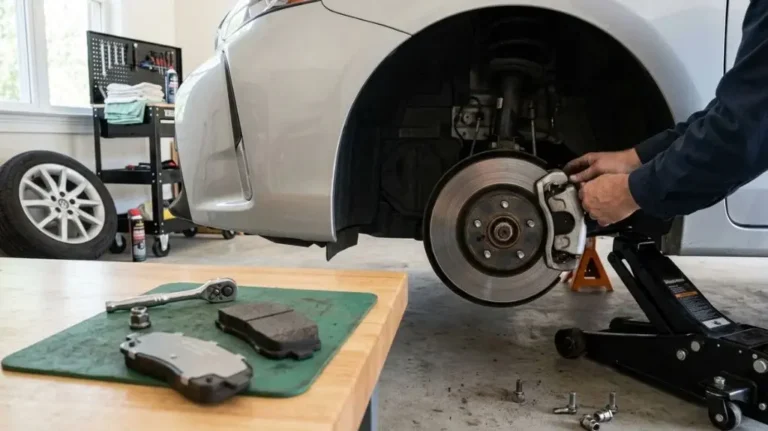
You rely on your Toyota Prius every day, and keeping it running smoothly matters. One small part that has a big effect on performance and fuel economy is the spark plug.
How do you know when it’s time to replace your spark plugs? Ignore them and you can face lower fuel economy, rough idling, engine misfires, or costly repairs to the catalytic converter and ignition system. I’ll walk you through clear signs, recommended intervals for Prius models, inspection tips, and the steps I use when I change plugs myself. This will help you avoid surprises and save money.
Keep reading to spot issues early, pick the right replacement plugs, and maintain solid hybrid performance.
Spark Plug Role In Toyota Prius
The spark plugs in a Toyota Prius play a key role in its hybrid engine. They create the tiny, timed spark that ignites the fuel-air mix in each cylinder. That ignition is what powers the gasoline engine when the hybrid system needs it. If the plugs are weak or fouled, the engine may stumble or fail to start reliably.
Because the Prius combines an electric motor with a gasoline engine, the plug performance matters more than you might think. A healthy plug helps the engine start quickly, reduces emissions, and supports the hybrid system so it uses less gasoline overall. I always check plugs when I service the car. It’s a small job that protects fuel economy and emissions controls. For more on saving fuel with a Prius, see this guide.
How Spark Plugs Work
Spark plugs deliver a high-voltage pulse. The pulse jumps a small gap at the tip. That jump lights the compressed fuel-air mix inside the cylinder. The burning mix drives the piston down. That movement creates engine power.
The timing and strength of the spark matter. If the plug fires too late, too early, or not at all, the engine will run poorly. Electrodes wear and carbon builds up over time. That changes the gap and weakens the spark. When plugs wear, misfires and rough idling follow.
Impact On Engine Performance
Good spark plugs make the engine start faster and run smoother. They help the Prius stay quiet and efficient. Bad or worn plugs cause hesitation, misfires, higher fuel use, and higher tailpipe emissions. Left unchecked, they can also damage ignition coils and the catalytic converter.
Replacing plugs on schedule protects engine health and maintains the hybrid system’s efficiency. I recommend regular checks and timely replacement to avoid downstream repairs.
Credit: carspecmn.com
Signs Of Worn Spark Plugs
Worn spark plugs cause clear symptoms. Spotting these signs early helps you avoid bigger problems. I check for these during every service. If you see any of them, test or replace the plugs.
Engine Misfires And Rough Idling
When a plug can’t ignite fuel reliably, you get misfires. The engine may shake or run unevenly. You might hear popping or notice the dash misfire light. Misfires occur at idle and under load. They often feel like loss of power for a few seconds. If misfires continue, you risk coil and catalytic damage.
Reduced Fuel Efficiency
Old or fouled spark plugs reduce combustion efficiency. Your Prius will burn more fuel to make the same power. I track fuel economy after a plug change and usually see a small but measurable MPG gain. If you notice higher fuel costs with no other cause, check the plugs.
Difficulty Starting The Engine
Hard starting, especially in cold weather, often means weak spark. The engine may crank but not light right away. The Prius can rely on the gasoline engine more during cold starts. Bad plugs make that start slow or unreliable. Replacing plugs often fixes this immediately.
Toyota Prius Spark Plug Lifespan
Spark plug life varies by plug type and driving conditions. Knowing expected lifespan helps you plan maintenance. I explain common intervals and the factors that shorten plug life.
Recommended Replacement Intervals
Toyota often recommends replacing Prius spark plugs every 120,000 miles for modern models fitted with iridium plugs. Iridium lasts longer because the electrode material is harder and resists wear. Older Prius models, or cars with non-iridium plugs, may need new plugs between 60,000 and 100,000 miles. Always check your owner’s manual for the exact interval for your model and year.
Even with long-life plugs, inspect them during routine service. Some driving styles and conditions can shorten the life of any plug.
Factors Affecting Spark Plug Life
Several factors change how long plugs last:
- Driving habits: Short trips and stop-and-go traffic accelerate buildup.
- Engine temperature: Running hot reduces plug life.
- Fuel and oil quality: Low-grade fuel or oil leaks can foul plugs.
- Environmental exposure: Dust, road salt, and moisture can cause corrosion.
- Engine issues: Rich running, oil burning, or poor ignition timing harm plugs.
Keep filters clean and perform oil changes on schedule. These steps help plugs last longer.
Choosing The Right Spark Plugs
Picking the right spark plug matters. The right part keeps your Prius smooth and efficient. I always use plugs that match Toyota’s specs. Here’s how to decide between OEM and aftermarket, and which materials make sense.
OEM Vs Aftermarket Options
OEM (original equipment manufacturer) spark plugs come from Toyota or approved suppliers. They match fitment and heat range exactly. That reduces guesswork and gives predictable results. Aftermarket plugs can be cheaper and sometimes offer high quality. But quality varies by brand. If you use aftermarket plugs, pick a reputable brand and verify the part number matches Toyota’s recommendations.
Material Types And Their Benefits
Common electrode materials:
- Copper — good conductivity but short life. Rare in modern Priuses.
- Platinum — longer life and stable performance.
- Iridium — best durability and spark consistency. Most newer Priuses use iridium plugs.
Iridium costs more up front. I find the long life and steady MPG make it worth it for most Prius owners.
Step-by-step Replacement Process
Replacing spark plugs on a Prius is a doable DIY job. It saves labor costs and helps you learn your car. Work carefully and follow safety steps. Here is a clear, practical process I use every time.
Tools Needed
Gather these tools before you start:
- Spark plug socket (correct size for your Prius plugs)
- Ratchet and extension bar
- Torque wrench (to Toyota’s spec)
- Gap gauge (to confirm electrode gap)
- Dielectric grease (for ignition boot ends)
- Small brush or compressed air (to clean around plug wells)
- Gloves and eye protection
Removing Old Spark Plugs
Steps I follow:
- Let the engine cool fully. Hot heads can damage threads.
- Disconnect the negative battery terminal if you’re unsure about working near electronics. This prevents accidental cranking.
- Remove the ignition coil connectors and coils. Label them if needed so they return to the same cylinder.
- Blow out any dirt from the plug well. This keeps debris out of the cylinder.
- Use a spark plug socket and ratchet to remove each plug. Turn slowly and steadily to avoid stripping threads.
Keep the old plugs for comparison. Their wear pattern tells you about engine condition.
Installing New Spark Plugs
When I install new plugs, I do this:
- Check the gap with a gap gauge and adjust only if needed to match Toyota’s spec. Most OEM iridium plugs come pre-gapped.
- Thread the plug in by hand to avoid cross-threading.
- Tighten the plug to the recommended torque with a torque wrench. If you don’t have specs, consult the owner’s manual or a Toyota service document.
- Apply a thin film of dielectric grease to the inside of the ignition boot if recommended by the plug maker.
- Reinstall coils, connectors, and any components you removed. Reconnect the battery if you disconnected it.
- Start the engine and listen for smooth idle. Check for misfires or warning lights. If any trouble appears, re-check connections and plug torque.
Maintenance Tips For Longevity
Simple care extends plug life and keeps your Prius running well. I follow these tips and recommend them to every owner.
Regular Inspection
Check plugs visually every 30,000 miles or during major services. Look for:
- Carbon buildup or oily deposits
- Cracked insulators
- Rounded or eroded electrodes
- Unusual color or heavy soot
Clean minor carbon with a soft brush. Replace any plug with visible damage or heavy wear right away.
Preventive Measures
To protect spark plugs:
- Use the plug type Toyota recommends for your Prius model.
- Use quality fuel and change oil on schedule.
- Keep the ignition coils and connectors dry and clean.
- Address misfires, rough idle, or check-engine lights quickly.
- During cold months, let your car warm briefly to reduce stress on plugs and coils.
Diagnosing Spark Plug Problems (OBD-II, Codes, and Tests)
Adding a brief diagnostic step improves troubleshooting. If your Prius triggers the check-engine light, an OBD-II scanner helps pinpoint issues. Common codes related to ignition and plugs include:
- P0300 — Random/multiple cylinder misfire detected.
- P0301–P0304 (or higher) — Misfire detected in a specific cylinder.
- P0350–P0362 — Ignition coil primary/secondary circuit faults.
I use a basic OBD-II code reader to get these codes. If you see misfire codes, inspect the associated plug and coil. Swap the coil to another cylinder. If the misfire moves, the coil is likely at fault. If it stays, the plug or fuel injector may be the issue.
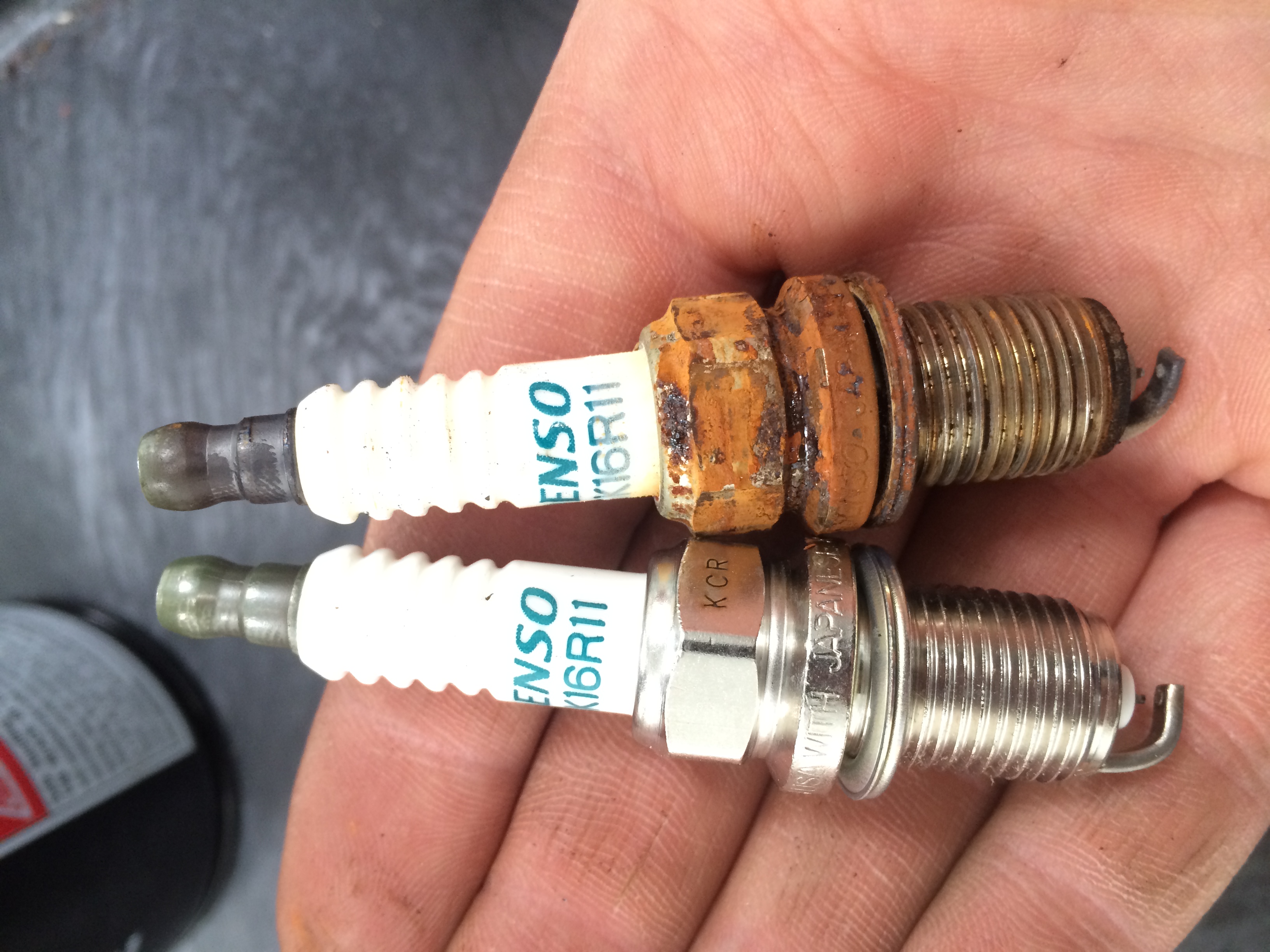
How to Read Spark Plug Condition — A Quick Visual Guide
When I remove a plug, I look for these common patterns:
- Normal: light tan or gray deposits on the insulator — good condition.
- Carbon fouled: dry, black soot — usually from a rich fuel mixture or weak ignition.
- Oil fouled: wet black deposits — possible valve cover gasket leak or worn valve guides.
- Overheated: white, blistered insulator — too-lean mixture or incorrect heat range.
- Electrode worn: rounded center electrode — natural wear, replace plug.
These patterns help find root causes, not just symptoms. If you see unusual wear on multiple plugs, investigate engine tune, fuel trim, or oil consumption.

Credit: www.youtube.com
Frequently Asked Questions
When Should I Replace Spark Plugs In A Toyota Prius?
Replace spark plugs every 120,000 miles if your Prius uses Toyota’s iridium plugs. Older models or non-iridium plugs need replacement sooner, often between 60,000 and 100,000 miles. Always check the owner’s manual for model-specific guidance.
What Are Signs Of Bad Spark Plugs In A Prius?
Common signs include rough idling, reduced fuel economy, engine misfires, difficulty starting, and loss of power. You may also see the check-engine light. Inspect plugs and coils when these appear.
Can I Use Any Spark Plugs For A Toyota Prius?
No. Use spark plugs that match Toyota’s part number, heat range, and gap spec. Irregular plugs can cause poor performance or damage. Refer to your owner’s manual for the correct type and size.
How Do Spark Plugs Affect Prius Fuel Economy?
Worn plugs cause incomplete combustion. That drops efficiency and increases fuel use. Replacing worn plugs restores consistent ignition and improves MPG. Keeping plugs, coils, and fuel injectors healthy is key to optimal hybrid fuel economy.
Bottom Line
Keeping your Toyota Prius spark plugs in good shape helps the car run well. Replace spark plugs per Toyota’s recommendations—commonly every 120,000 miles for iridium plugs, and sooner for older plug types. Watch for signs like rough idling, misfires, or declining fuel economy. Regular checks and timely replacement save money and prevent bigger repairs.
Basic inspection and a careful DIY change are within reach for many owners. When in doubt, consult a mechanic. Small, timely maintenance pays back with better performance, fewer visits to the shop, and steady fuel economy. Take care of those spark plugs—your Prius will reward you.

Hello, I’m Norman. I work as a car researcher. I am the voice behind CaroraHub. I have over 15 years of experience. I give simple and useful car advice. I help with car care, cleaning, and small repairs. My goal is to help you keep your car healthy. I want car care to be easy and cheap for you. You can trust my tips to keep your car working well for a long time.