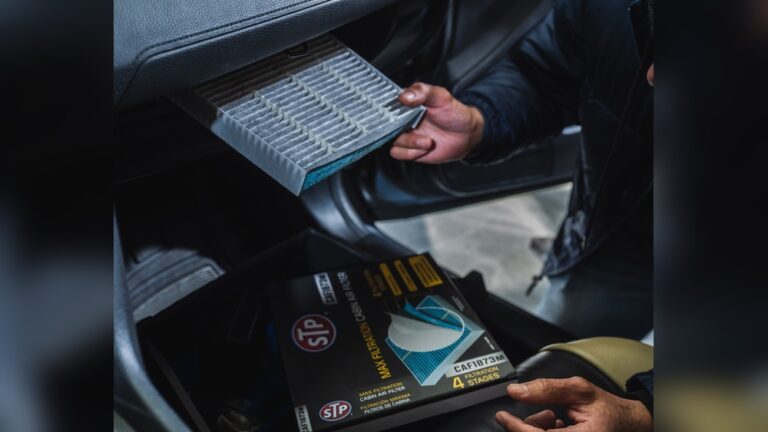
Your car steering wheel is one of the most touched surfaces you come into contact with every day. But have you ever stopped to think about how many bacteria and germs might be lurking there?
I used to ignore my steering wheel. Then I learned how much grime and microbes build up from hands, snacks, and the air. Now I clean mine on a set schedule. It keeps the car fresher and cuts the risk of picking up colds, stomach bugs, or skin irritations. In this guide I share clear, safe steps that I use. You’ll find the best products, tools, and quick routines that fit real life.
Why Clean Your Steering Wheel
Your steering wheel is one of the dirtiest parts of your car. It picks up germs from hands, food, clothing, and the outside air. I treat it like a high-touch surface at home. A quick cleaning cuts down microbes and keeps the cabin healthier.
Left alone, a dirty wheel raises the chance of spreading illness. A clean wheel means a fresher drive and fewer worries when you touch your face or phone. It also protects the interior material and extends the life of leather or plastic grips.
Health Risks Of Germs
Germs on the wheel can cause colds, stomach upsets, and skin infections. I’ve seen colleagues get minor rashes from dirty wheels. When you touch the wheel and then touch your face, bacteria transfer fast. Regular cleaning lowers that transfer and reduces infection risk.
Common Bacteria Found
Researchers often find Staphylococcus species and E. coli on high-touch car surfaces. These can come from unwashed hands, food, or pet contact. Other microbes like yeast or environmental bacteria also appear. Cleaning removes dirt and the microbes hiding in seams and textured grips.
Frequency Of Cleaning
I clean my steering wheel at least once a week. If I share the car, eat in it, or someone is sick, I clean it more often. A disinfectant wipe or a mild soap-and-water rub is enough for routine care. After heavy use or spills, I deep-clean and condition (for leather).
Read More: How to Hide Dash Cam Wires Without Removing Trim
Materials Needed For Cleaning
Good results start with the right supplies. I keep a small kit in my trunk. That way I can clean any time without hunting for tools. Below are safe and effective options for most steering wheels.
Effective Cleaning Solutions
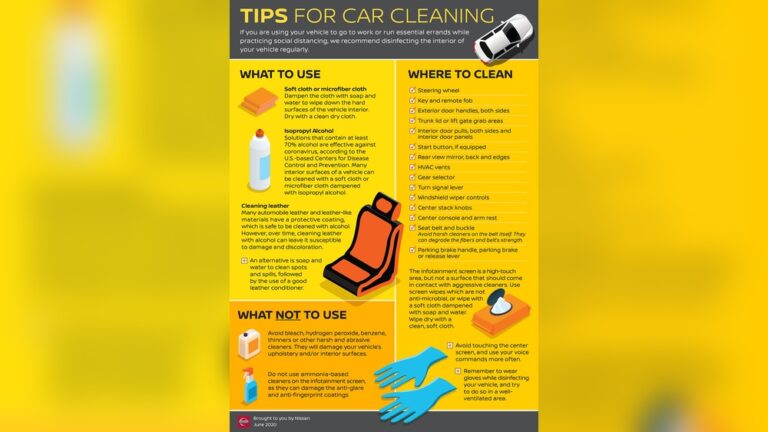
Pick a cleaner that kills germs and suits your steering wheel material. Options I use and recommend:
- Mild dish soap diluted in warm water (gentle on most plastics and synthetic leather).
- 70% isopropyl alcohol wipes or sprays — effective against viruses and many bacteria. Use sparingly on leather and check compatibility first.
- Automotive leather cleaner and leather conditioner for real leather wheels. These protect and hydrate the hide after cleaning.
- EPA-registered disinfectant wipes or sprays for hard surfaces. Look for products labeled safe for plastics and vinyl.
- pH-neutral interior cleaners and foam cleaners that lift grime without stripping finishes.
Avoid household bleach and ammonia solutions. They can fade color and damage materials. Also avoid high-concentration alcohol on dyed leather. Test any cleaner on a hidden spot first.
Tools And Supplies
Tools make the job faster and safer. Here’s what I keep in my kit:
- Soft microfiber cloths — for gentle wiping and drying.
- Soft-bristled brush or toothbrush — for textured grips and seams.
- Cotton swabs — to reach tight gaps around buttons and stitching.
- Spray bottle — for even application of diluted cleaners.
- Small bucket — for mixing soap and water.
- Leather conditioner — if you have genuine leather steering wheel.
- Disposable gloves — to protect your skin when using stronger disinfectants.
Safety Precautions
Take simple safety steps. I follow them every time:
- Work in a shaded, well-ventilated area. Sun can make cleaners dry too fast and leave streaks.
- Don’t spray cleaners directly onto the steering wheel near buttons or airbags. Spray a cloth instead.
- Test cleaners on a small, hidden patch for colorfastness and reaction.
- Use a damp cloth — not a soaked one — to avoid moisture getting into electronics or the airbag housing.
- Keep harsh chemicals away from plastic trim and painted surfaces.
New: Compatibility Checklist for Different Wheel Materials
Not all steering wheels are the same. Check material before you clean. Here’s what I check:
- Leather: use leather-safe cleaners and a conditioner afterward.
- Wrapped leather (synthetic): milder cleaners usually work. Always test first.
- Plastic / urethane: soap and water or alcohol wipes are fine.
- Wood trim: use a gentle, wood-safe cleaner and minimal moisture.
Step-by-step Cleaning Process
Here is the step-by-step routine I follow. It is safe and effective for most steering wheels. I keep each step short and practical so you can fit it into a weekly clean.
Preparing The Vehicle
Park in the shade and turn off the engine. Open the windows for airflow. Gather your spray bottle, cloths, brush, and gloves. Remove any loose debris or crumbs from the wheel and nearby controls.
Applying Cleaning Agents
Spray a small amount of cleaner onto a microfiber cloth. Never saturate the wheel. Gently wipe the surface and let the cleaner sit for a few seconds to loosen oils and germs. For disinfecting, follow the product’s contact time on the label to ensure effectiveness.
Scrubbing Techniques
Use a soft brush or cloth to clean. Work in small circular motions. Give extra attention to the 10 and 2 o’clock areas. Use cotton swabs for seams and around buttons. For textured grips, a soft brush lifts trapped grime without damaging the finish.
Wiping And Drying
Wipe off residue with a clean, slightly damp cloth. Then dry the wheel with a dry microfiber cloth. Make sure no moisture is left. Let the wheel air dry for a few minutes before you drive. For leather, apply a conditioner after the surface is fully dry.
New: What to Do After a Spill or Illness
Spills and illness need extra care. After a spill, remove solids first, then clean and disinfect the area. If someone in the vehicle is sick, disinfect the wheel and nearby touch points (shifter, door handles, console). Dispose of used wipes safely and wash your hands afterward.
Natural Vs Chemical Cleaners
Choosing between natural and chemical cleaners depends on your needs. I keep both types on hand. I use natural cleaners for regular maintenance and stronger chemistry for heavy grime or when I need to disinfect quickly.
Benefits Of Natural Cleaners
Natural cleaners use plant-based surfactants or baking soda and are often milder. They are less likely to irritate skin or fade finishes. They biodegrade faster and have a lower environmental impact. For daily light cleaning, I prefer a gentle, pH-neutral cleaner or soap and water.
When To Use Chemical Cleaners
Chemical cleaners work fast on grease and heavy soil. Disinfectants with alcohol or quaternary ammonium compounds kill a broad range of pathogens. Use them when someone has been sick, after a messy spill, or for deep cleaning. Always follow product instructions and avoid overuse on leather.
Environmental Impact
Natural products usually break down more easily. They are kinder to waterways and wildlife. Some chemical cleaners contain persistent compounds that can harm the environment if disposed of carelessly. I recommend eco-friendly labels and proper disposal of used solvents and wipes.
Maintaining A Germ-free Steering Wheel
Keeping the wheel clean is easier with small habits. I follow a mix of quick daily steps and a weekly deep clean. This keeps bacteria low and the wheel feeling fresh.
Below are practical tips I use to keep my steering wheel germ-free without added fuss.
Regular Cleaning Schedule
Clean the steering wheel at least once a week. If you share the car or eat inside it, clean more often. Use a gentle disinfectant wipe or a cloth with mild soap. Wipe all sides and edges. Let it dry fully before driving. This routine keeps microbes from building up and protects the wheel material.
Using Protective Covers
Steering wheel covers are a simple barrier. Choose covers made of washable fabric or easy-clean vinyl. Remove and wash them regularly. Covers protect from sweat, oils, and food. Swap them out when they get worn or stained.
Hand Hygiene Tips
Clean hands cut down contamination. I wash my hands before long drives and after stops where I handled food, trash, or gas pumps. Keep a small bottle of hand sanitizer in the car for quick use. Avoid touching your face while driving to limit transfer of germs.
New: Quick Daily Routine (30 seconds)
At the end of the day, give the wheel a fast wipe with a disinfectant wipe or damp microfiber cloth. It takes 30 seconds and keeps daily grime away. I do this after grocery hauls and long trips.

Credit: www.motorcityautodetailing.com
Common Mistakes To Avoid
Many people try to clean the wheel but make avoidable errors. I learned these the hard way. Avoid them to protect both your health and your steering wheel.
Using Harsh Chemicals
Harsh cleaners can strip dye and dry out leather. They can also dull plastic or damage trim. Use car-safe, mild products. If you need a heavy-duty cleaner, use it sparingly and follow with conditioning for leather.
Over-wetting The Steering Wheel
Too much liquid can get into the airbag area or into electronic controls. It also makes the wheel slippery and unsafe to hold. Use a damp cloth, not a soaking one. Dry promptly after cleaning to remove any moisture.
Ignoring Hard-to-reach Areas
Small crevices around buttons and stitching hold dirt and germs. Use a soft brush or cotton swab to clean those spots. Don’t forget the back of the wheel and the lower rim where hands rest during long drives.
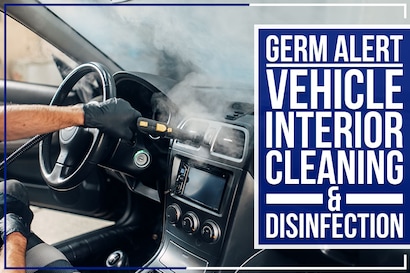
Credit: www.johnsonvolvocarsdurham.com
Frequently Asked Questions
How Often Should I Clean My Car Steering Wheel?
You should clean your steering wheel at least once a week. If you share the car, eat in it, or someone is sick, clean it more often. Quick daily wipes help between deep cleans.
What Is The Best Cleaner For Steering Wheel Bacteria?
A mild antibacterial cleaner or disinfectant wipe is effective for most wheels. For leather, use a leather-specific cleaner followed by conditioner. Avoid bleach and ammonia-based products. Test first on a hidden area.
Can I Use Household Disinfectants On My Steering Wheel?
Yes, with caution. Choose products safe for automotive surfaces. Avoid bleach or ammonia. Alcohol-based wipes (70% isopropyl) are a good choice for plastic and vinyl. On leather, use milder, leather-safe disinfectants.
How Do I Safely Clean Leather Steering Wheels?
Use a leather cleaner and a soft cloth. Avoid soaking the leather. After cleaning, apply a leather conditioner to restore oils. This keeps the surface supple and prevents cracking. Do a spot test first to check colorfastness.
Conclusion On How to Clean Car Steering Wheel Bacteria And Germs
Cleaning your car steering wheel keeps germs and bacteria away. Use gentle cleaners and soft cloths for safety. Regular wiping helps reduce the risk of illness. Keep your hands clean before driving for extra protection. Small habits make a big difference in car hygiene.
Stay safe and enjoy a cleaner driving experience every day.

I am Julian Drive, an automotive enthusiast and repair expert with over 7 years of hands-on experience in vehicle maintenance. At Carora Hub, I simplify complex car issues into easy-to-follow DIY guides to help drivers stay safe and save on repair costs.