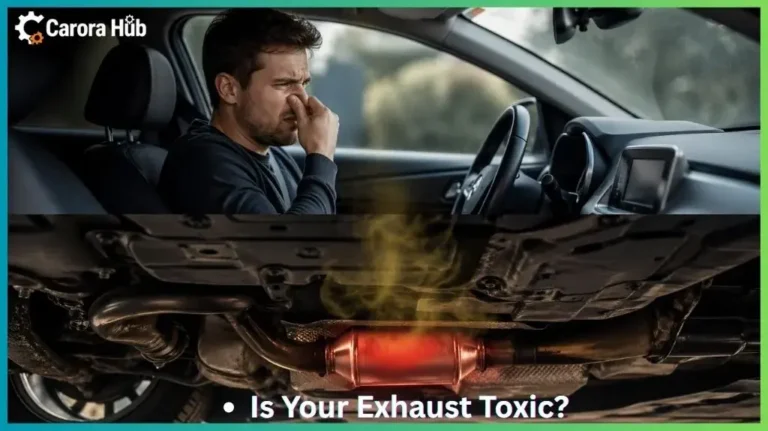
Every driver knows the feeling: you open your car door, ready to start your day, and a sharp, unpleasant smell hits you. It’s sour, sometimes musty or even rotten. This odor can make driving uncomfortable, and it might even worry you about your health or your car’s condition. If you’ve ever wondered why your car cabin smells sour, you’re not alone. Many car owners experience this problem, yet most don’t know what causes it, how to fix it, or how to prevent it from coming back.
I wrote this guide from years of checking cars and fixing cabin smells. I will explain common causes, give step-by-step checks, and share practical fixes you can try at home. I also keep the original facts and links (EPA, CDC, Consumer Reports, CarFax) so you can dig deeper.
Common Causes Of Sour Smell In Car Cabin
A sour odor inside your car can come from many sources. Let’s look at the most frequent reasons:
Mold And Mildew Growth
One of the top causes is mold and mildew. These fungi love damp, dark spots. Your car has many such areas. Moisture can enter via leaks, wet shoes, spills, or humid air. Mold grows on carpets, in seat foam, and inside the AC system. The sour smell comes from volatile organic compounds (VOCs) that mold and mildew release. I’ve seen a damp floor mat create a strong musty smell in less than two days.
Example
If you leave windows open during rain or spill coffee and don’t clean it well, mold can start to grow in just a few days. According to the Environmental Protection Agency (EPA), mold can begin to form within 24–48 hours if conditions are right.
Air Conditioning System Issues
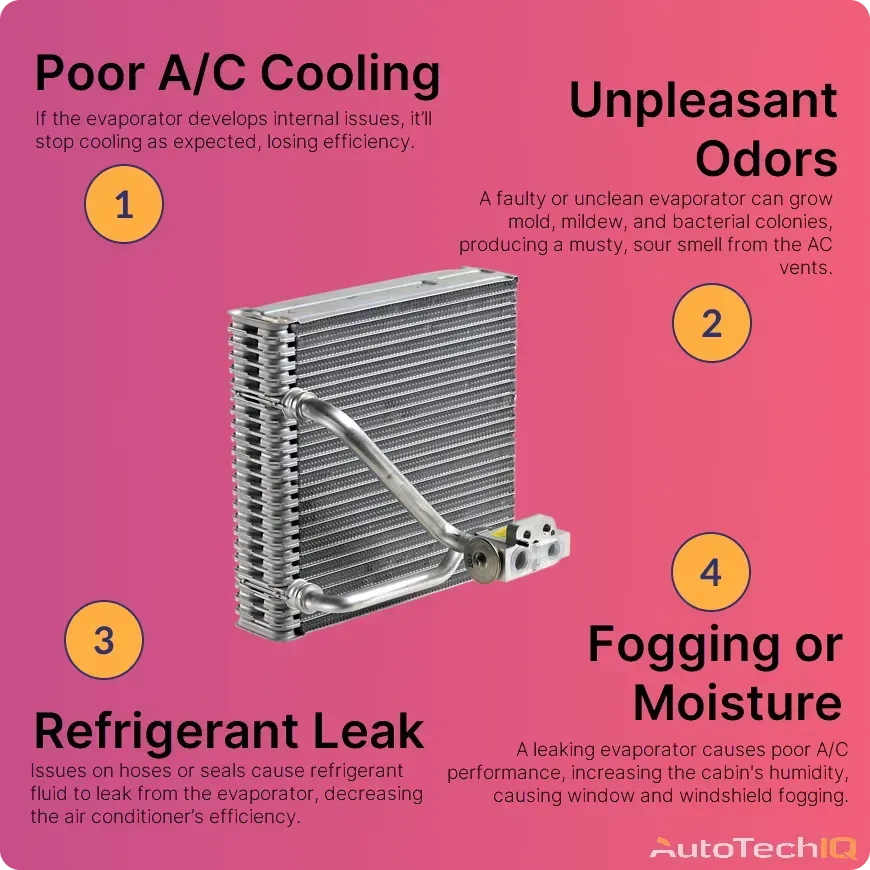
Your car’s air conditioning (AC) system can hide sour odors. Moisture collects on the evaporator core. If the AC drain is blocked, water pools. Bacteria and mold grow there. When you switch on the AC, those smells blow into the cabin. I often find bad smells traceable to a clogged AC drain or a dirty evaporator.
Data
A survey by Consumer Reports found that over 20% of drivers experience foul smells from their AC systems. Most of these cases involve sour, musty odors linked to bacterial growth.
Spilled Food And Drinks
Food and drinks left in the car or soaked into seats and carpets can cause sour odors fast. Dairy, juice, and soda are common offenders. Bacteria feed on the sugars and proteins. They break the material down and release smelly compounds. I once removed a sour smell caused by a forgotten yogurt under a seat. It took enzyme cleaner and a full dry.
Practical Example
Imagine dropping milk on the floor mat. Even if you wipe it up, residue soaks into the fibers. Within days, it smells sour as bacteria multiply. That smell can transfer into seat foam and undercarpet.
Water Leaks
Leaks from doors, windows, sunroofs, or trunk seals allow water inside. Water trapped under carpets or inside cushions causes mold and a long-lasting sour smell. Small leaks are the sneakiest. They may not show until the smell appears.
Statistics
A study by Automotive Research Center found that about 15% of used cars inspected had hidden water leaks, often causing persistent odors.
Cabin Air Filter Problems
The cabin air filter filters dust, pollen, and some smells. If it gets wet or clogged, it can smell sour. Old filters may let mold spores pass into the cabin. I recommend checking the filter when the AC smells bad.
Data
Most manufacturers recommend changing the cabin air filter every 15,000 to 30,000 miles. If ignored, the filter can become a source of bad odors.
Dirty Floor Mats And Carpets
Floor mats and carpets hold dirt, moisture, and food crumbs. Over time, bacteria and mold build up. Fabric mats soak up spills. Rubber mats resist moisture and are easier to clean. Switch to rubber mats if you want lower odor risk.
Smoking And Vaping
Smoke from cigarettes or vaping clings to fabric. When smoke mixes with moisture or organic residue, it can smell sour or stale. Smoke odors are stubborn. They often need deep cleaning or ozone treatment to fade.
Forgotten Trash
Small items like food wrappers, tissues, or drink containers hide under seats. Over days they rot or get damp. Bacteria and mold then cause a sour smell. I always check under seats and in seat tracks when I hunt for odors.
Animal Sources
Pets can bring mud, fur, urine, or vomit into your car. These make strong, sour smells fast. Clean pet messes quickly. Use enzyme cleaners that remove the cause, not just the smell.
How To Identify The Source Of Sour Smell
Finding the exact cause of a sour smell is important before you start cleaning or repairs. Here’s how you can diagnose the problem:
Step-by-step Diagnosis
- Sniff Test: Move through the cabin. Sniff around seats, mats, and the trunk. Note where the smell is strongest.
- Check Carpets and Mats: Lift floor mats. Look for wet spots, stains, or a musty odor under them.
- Inspect Seats: Smell the seams and under cushions. Press seats to see if they feel damp.
- Check AC System: Turn on the AC and fan. If the smell gets worse, the AC likely spreads it.
- Look Under Seats: Check under seats and inside seat tracks for trash or spills.
- Check Door Seals and Windows: Inspect rubber seals for cracks or gaps. Water stains on door sills are a red flag.
- Examine Cabin Air Filter: The filter is usually behind the glove box. Remove it and smell it. Replace if it smells sour or looks dirty.
Non-obvious Insight
Many beginners forget the trunk. Moisture or spills in the trunk can spread into the cabin. If your rear seats fold down, smells move easily. Also check the spare-wheel well under the trunk floor. It can hide water and mold.
Credit: www.autozone.com
Why Sour Smells Are A Health Concern
Sour odors are more than a nuisance. They often mean mold, bacteria, or high levels of VOCs. These can cause headaches, allergies, coughing, and breathing issues. I treat strong cabin odors with care. If you or passengers feel sick, stop driving and fix the source.
Mold Exposure
The Centers for Disease Control and Prevention (CDC) warns that mold exposure can trigger asthma and allergies. Sensitive people can react to small mold levels. If you have asthma, find the source fast.
Bacteria
Bacteria from food spills can cause stomach upset or skin irritation. Avoid touching contaminated areas with bare hands. Use gloves and enzyme cleaners for safe cleanup.
Air Quality
Poor cabin air quality can make you drowsy or distract you while driving. This raises accident risk. A clean cabin and a working cabin air filter help keep you alert and safe.
How Moisture Gets Inside Car Cabins
Understanding how moisture gets in helps you stop smells. Here are the main paths:
Rain And Flooding
Rain can enter through bad door seals, open windows, or sunroof leaks. Flooding soaks carpets and cushions. After a flood, remove carpets and dry everything fast. Mold starts in 24–48 hours.
Spills
Everyday spills from drinks or food are common. Even tiny spills can soak into foam and carpet backing. Clean and dry all spills right away.
Condensation
Humidity inside a closed car condenses on glass and metal. This moisture can drip into seams and crevices. AC systems also create condensation on the evaporator. If the drain is blocked, that water stays put.
Wet Shoes And Clothing
Track in wet shoes or clothes and you add moisture. Wet items left in the car cause damp carpets. Remove and dry wet gear as soon as you can.
Non-obvious Insight
Humidity from breathing in a closed car, especially with several people, raises moisture levels. Over time, this can help mold grow. Rolling windows or running the fan helps lower humidity after long trips.
The Role Of Cabin Air Filter In Odor Control
The cabin air filter is small but important. It removes dust, pollen, and some odors. A clean filter improves airflow and reduces smell spread.
How Cabin Air Filters Work
Most filters use paper, fabric, or activated carbon. They sit in the air intake, often behind the glove box. Air passes through them before it reaches the cabin. Carbon filters trap odors better than paper ones.
When Filters Fail
A wet or old filter can host mold and bacteria. It loses the ability to trap particles and smells. Replace filters on schedule. If a new filter still smells, inspect the ducts and evaporator.
Cabin Air Filter Comparison
Here’s a comparison of common cabin air filter types:
| Filter Type | Odor Removal | Lifespan | Cost Range (USD) |
|---|---|---|---|
| Paper | Poor | 12,000–15,000 miles | $10–$20 |
| Fabric | Moderate | 15,000–20,000 miles | $15–$30 |
| Activated Carbon | Good | 20,000–30,000 miles | $20–$40 |
Activated carbon filters are best for removing odors, but even they need regular replacement. I often use carbon filters in cars prone to traffic or smoke odors.
Air Conditioning System And Sour Smells
The air conditioning system is often blamed for cabin odors. Here’s a clear view of how smells form and how to stop them.
How Sour Smell Forms In Ac
Moist air hits the cold evaporator. Water condenses and should drain away. If the drain is blocked, water pools. Bacteria and mold grow on the damp surface. When the fan runs, the smell spreads. Cleaning the evaporator and clearing the drain often ends the issue.
Ac System: Odor Risk Comparison
| AC Component | Odor Risk | Typical Fix |
|---|---|---|
| Evaporator | High | Clean, unclog drain |
| Air Ducts | Moderate | Disinfect, clean |
| Cabin Filter | Moderate | Replace |
| Compressor | Low | No action needed |
Preventing Ac Odor
Run the fan for a few minutes without A/C before you park. This helps dry the evaporator and ducts. Replace the cabin air filter per schedule. Ask your mechanic to clean the evaporator if you smell mold or a sour odor when the AC runs.
Food And Organic Material: How They Cause Odor
Food scraps, spills, and crumbs feed bacteria. As bacteria break food down, they release acids and other smelly compounds. That creates a sour or rotten smell. The key is to remove the food and clean the area well.
Which Foods Cause Most Sour Smell?
Dairy, juice, soda, fruit, and sugary drinks cause fast souring. Meat and eggs smell rotten, but dairy often smells sour first. Avoid eating complex meals in the car when possible.
Example
A spilled yogurt left in the car for just one day can cause a strong sour smell. Cleaning the surface may not be enough, as the liquid soaks into the carpet. Use an enzyme cleaner and lift the carpet if necessary.
Water Leaks: Hidden Danger
Water leaks are a silent cause of sour smells. Even a small drip can cause mold under carpet or in a trunk well. You may not see the leak until the smell develops.
How To Detect Leaks
- Look for water stains on carpets and seats
- Check for dampness in corners and under mats
- Inspect door seals for cracks or gaps
- Check the spare-wheel well and under-trunk liner
Common Leak Locations
- Sunroof drains
- Door seals
- Windshield seals
- Trunk seals
Data
In older cars, up to 10% have some form of water leak, according to CarFax. If your car is older or has had previous repairs, inspect seals and body seams carefully.
Mold And Mildew: The Real Culprits
Mold and mildew are microscopic fungi. They grow fast when moisture and organic matter are present. They can make the cabin smell sour, musty, or damp. Stopping mold early saves time and money.
Mold Growth Timeline
| Condition | Time to Odor | Common Area |
|---|---|---|
| Wet Carpet | 24–48 hours | Floor, trunk |
| Wet Seat Cushion | 48–72 hours | Front/rear seats |
| AC Evaporator | 1–2 weeks | AC system |
Health Effects
Mold spores can trigger allergic reactions, headaches, and breathing problems. Sensitive people may feel symptoms after just a short drive. If you see visible mold, get help quickly. Professional cleaners can remove deep mold safely.
How To Remove Sour Smell From Car Cabin
Once you find the source, here’s how to remove the odor. I share methods I use on cars and recommend to readers.
Step-by-step Cleaning
- Remove Trash and Debris: Clear out garbage, wrappers, and forgotten items. Check under seats.
- Vacuum Thoroughly: Use a strong vacuum on carpets, seats, trunk, and under mats. A crevice tool helps reach gaps.
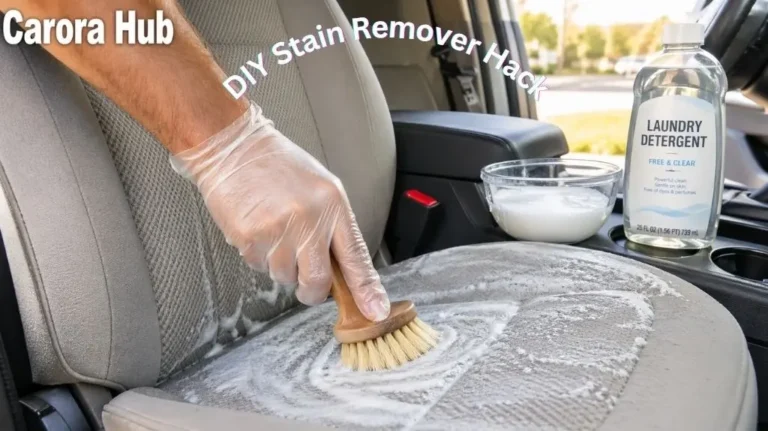
- Clean Spills: Use an enzyme-based cleaner for food and drink spills. These break down organic material at the source.
- Wash Mats and Carpets: Remove mats, wash with soap and water, and dry completely in sun if possible.
- Disinfect Surfaces: Wipe hard surfaces and plastic trim with a mild disinfectant. Avoid soaking leather—use a leather cleaner.
- Replace Cabin Air Filter: If it smells sour, change it. Use activated carbon if you want better odor control.
- Clean AC System: Use an AC spray cleaner or have a mechanic clean the evaporator and ducts. Clear the drain tube.
- Dry Interior: Use fans, desiccant packs, or park in sun with windows cracked to speed drying.
Professional Cleaning
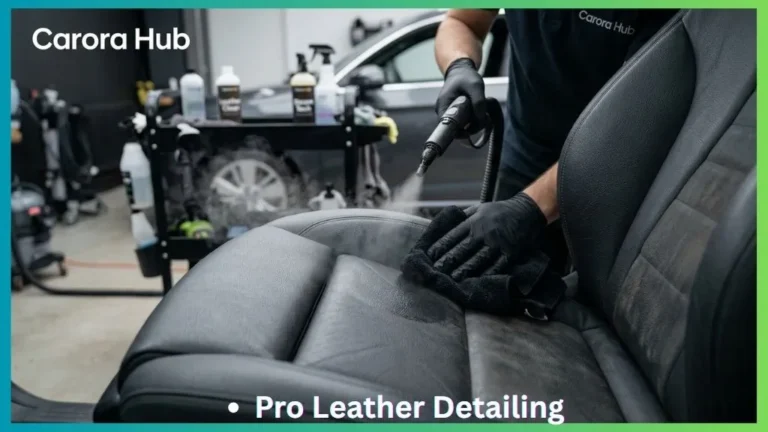
If odors persist, a professional detailer can help. They use steam cleaning, ozone treatments, and specialized chemicals. These remove deep-set mold, bacteria, and smoke. Ozone treatment works well, but follow safety guidelines. Professionals can also fix leaks and clean the evaporator core thoroughly.
Non-obvious Insight
Many people skip the seat tracks, under-seat wiring, and trunk spare-well. These spots trap debris and moisture. Pull seats forward and lift carpet edges to inspect. Cleaning there often ends a stubborn smell.
Preventing Sour Smell In Car Cabin
Prevention is easier and cheaper than removal. Here are practical steps I use and recommend.
Regular Maintenance
- Change the cabin air filter every 15,000 miles (or at least once a year).
- Inspect door seals and windows for leaks regularly.
- Clean mats and carpets monthly. Vacuum crumbs and dirt after trips.
Quick Response To Spills
- Clean spills immediately using enzyme cleaners.
- Dry wet areas fast with towels, fans, or a portable heater (safe use only).
Air Out The Car
- Open windows on sunny days to dry and refresh the cabin.
- Avoid leaving the car closed in humid weather for long periods.
Avoid Eating In The Car
- Limit food and drink in the car.
- If you must eat, clean up right away and remove trash daily.
Use Moisture Absorbers
- Place silica gel packs, calcium chloride, or other moisture absorbers under seats and in the trunk.
Ac System Care
- Run the fan without AC for a few minutes before parking to dry the evaporator.
- Have the AC system checked during regular service. Ask for evaporator and drain checks.
When To Seek Professional Help
Sometimes, sour smells resist all home remedies. Seek professional help if:
- The odor returns after cleaning
- Water leaks persist
- Mold growth is visible
- You experience health symptoms
Professional detailers and mechanics have tools and chemicals not available to the public. They can find hidden sources, deep-clean carpets, and fix leaks. If health issues arise, see a doctor and get the car cleaned professionally.
Credit: www.autotechiq.com
Comparing DIY Vs Professional Odor Removal
Here’s a comparison of typical results:
| Method | Effectiveness | Cost (USD) | Time Needed |
|---|---|---|---|
| DIY Cleaning | Moderate | $20–$50 | 2–4 hours |
| Professional Detailing | High | $100–$250 | 4–8 hours |
| Ozone Treatment | Very High | $120–$300 | 1–2 hours |
DIY cleaning works for most minor odors. Professional help is best for deep mold, persistent AC smells, or health risks. Ozone and ozone generators remove odors well but must be used safely and by professionals if you’re not familiar with them.
How Weather And Climate Affect Sour Smell
Climate plays a big role in cabin odor problems. I see more mold and sour smells in humid areas. Hot climates also make smells stronger. Cold climates slow drying after rain or spills.
Humid Climates
High humidity increases moisture inside the car. This promotes mold growth and sour smells. Use moisture absorbers and vent the car often.
Cold Climates
Cold weather can trap moisture in carpets since drying is slower. Frozen water may thaw later and cause smells. Dry carpets thoroughly and check for damp spots after winter drives.
Hot Climates
Heat speeds up bacterial growth and makes odors stronger. Cars parked in the sun can develop intense smells after food spills. Clean up quickly and ventilate thoroughly.
Using Air Fresheners: Pros And Cons
Air fresheners are useful after cleaning. But they only mask smells. They do not remove mold or bacteria. Use them only when the source is fixed.
Pros
- Quick way to cover up sour smells
- Many scents available
Cons
- Don’t remove the source
- Some mix badly with sour smells and make things worse
- May cause allergies or irritation for sensitive people
My advice: fix the cause first. Then use a mild air freshener if you like a scent. Avoid heavy sprays that can hide problems.
Car Cabin Materials And Odor Risks
Different cabin materials affect odor risk. I explain what I see work best in practice.
Fabric Seats
Fabric absorbs spills and moisture. It tends to trap odors. Regular cleaning and quick spill cleanup help keep fabric seats fresh.
Leather Seats
Leather is less absorbent. It’s easier to wipe clean. But leather can still trap odors in seams or in the padding under the leather. Use leather cleaner and conditioner to keep it healthy.
Rubber Mats
Rubber mats resist moisture and are easy to wash. I recommend rubber mats for families and pet owners. They cut odor risk a lot.
Vinyl
Vinyl is easy to wipe and does not absorb odors. It is a practical choice for low-maintenance interiors.
Credit: www.riverheadhyundai.com
Real-life Examples Of Sour Smell Problems
Example 1: Family Car With Mold
A family left a window open during a storm. Water soaked the carpet. Within two days, a strong sour smell appeared. DIY cleaning helped, but the smell returned. Professional detailing removed the odor completely. They also sealed the sunroof drain to stop future leaks.
Example 2: Ac System Odor
A driver noticed a sour smell every time the AC was on. The mechanic found mold in the evaporator. Cleaning and replacing the cabin filter solved the issue. The mechanic also cleared the drain tube and sprayed a disinfectant into the ducts.
Example 3: Forgotten Milk Carton
A spilled milk carton under the seat went unnoticed for a week. The car developed a strong sour odor. Even after cleaning, the smell lingered. An enzyme cleaner and airing out the car fixed it. I also removed the seat cushion to dry the foam underneath.
How Often Should You Clean And Inspect?
Keeping your car fresh takes routine care. Here is a simple schedule I follow and recommend:
- Clean carpets and mats monthly
- Inspect for leaks every 3 months
- Change cabin air filter annually
- Clean AC system every 2 years (more if you live in a humid climate)
This routine helps prevent sour smells and keeps the cabin healthy. If you drive with pets or kids, do checks more often.
FAQs On What Causes Sour Smell in Car Cabin
What Is The Most Common Cause Of Sour Smell In Car Cabin?
The most frequent cause is mold and mildew from moisture trapped in carpets, seats, or the air conditioning system. Mold grows fast and releases sour-smelling compounds.
How Can I Quickly Remove A Sour Smell From My Car?
First, remove trash and vacuum. Clean spills with enzyme-based cleaners, wash mats, and replace the cabin air filter. Air out the car on a dry day for best results. If the smell is from the AC, run the fan and have the evaporator checked.
Is Sour Smell In Car Dangerous?
Sour smells often mean bacteria or mold are present. These can trigger allergies, headaches, or breathing problems. It’s important to find and fix the source quickly. If family members feel ill, see a doctor.
How Do I Prevent Sour Smells After Cleaning?
Change the cabin air filter, keep carpets dry, and clean spills immediately. Regular maintenance and airing out the car help prevent new odors. Use moisture absorbers in humid months.
Should I Use Air Fresheners To Mask Sour Smells?
Air fresheners can cover up odors temporarily, but they don’t solve the real problem. Always clean and fix the source first before using air fresheners. After cleaning, a mild freshener can improve comfort.
Final Thoughts
A sour smell inside your car cabin is more than just a nuisance—it’s a sign that something isn’t right. Moisture, food spills, and air conditioning issues are the main culprits. By understanding these causes and taking simple steps to clean, inspect, and prevent odors, you can keep your car’s interior fresh and healthy. Regular maintenance, quick response to spills, and proper care of your AC system and cabin air filter are key. If the smell won’t go away, don’t hesitate to seek professional help. Your car is your second home—make sure it’s comfortable and safe for everyone. For more detailed information, you can visit the EPA Mold Resources.
Quick Tools and Supplies I Recommend
- Enzyme cleaner for food and pet messes
- Activated carbon cabin air filter
- Strong vacuum with crevice tool
- Microfiber towels and a stiff brush
- Silica gel or calcium chloride moisture packs
- Disposable gloves and mask for mold cleanup
If you want, I can help you pick specific products for your car type and climate. Tell me your car model, where you live, and the smell you notice. I’ll give a short, actionable plan you can follow step by step.

I am Julian Drive, an automotive enthusiast and repair expert with over 7 years of hands-on experience in vehicle maintenance. At Carora Hub, I simplify complex car issues into easy-to-follow DIY guides to help drivers stay safe and save on repair costs.