You want your car to look and feel fresh every time you step inside. But how often should you really detail your car’s interior to keep it in top shape?
If you’re like most people, you might not think about interior detailing until the seats are stained or the dashboard is dusty. I’ve been there. A good detailing schedule saves money, protects your investment, and makes every drive more pleasant. In this guide I share clear, practical advice so you can keep your cabin clean without overdoing it.
Read on for an easy-to-follow detailing plan, quick DIY tips, and signs that you need a deeper clean. I’ll also point out when hiring a pro makes sense.

Credit: www.washmenow.ca
Benefits Of Interior Detailing
Interior detailing gives you more than a fresh look. It keeps the cabin healthy, protects materials, and helps your car hold value. I treat detailing as preventive care. A few regular steps keep small problems from becoming big, costly ones.
Enhancing Appearance
Detailing removes visible dirt, stains, and dust from seats, carpets, and trim. It restores color and reduces dullness. Clean glass and a polished dash brighten the whole cabin. A tidy interior simply makes the car feel newer.
Protecting Surfaces
Regular cleaning and conditioning prevent cracks and fading on leather, vinyl, and plastic. Dirt acts like sandpaper over time. Protective treatments add a barrier against spills, UV, and grime. This care extends the life of seats, mats, and trim.
Improving Air Quality
Dust, pollen, and allergens build up inside cars. Vacuuming and cleaning vents remove these particles. Replacing or checking the cabin air filter helps too. Clean upholstery and fresh vents reduce odors and improve the air you breathe while driving.
Maintaining Resale Value
A neat, damage-free interior attracts buyers. It signals the car was cared for. Regular detailing keeps upholstery and trim in better shape and helps you get a higher resale price.
Factors Influencing Detailing Frequency
How often you should detail depends on how and where you drive, who rides with you, and what materials your car has. Below I break down the main factors so you can set a realistic schedule.
Usage And Driving Habits
If you drive daily, take long trips, or work out of your car, it will show up faster. Eating or drinking in the car adds stains and crumbs. Off-road or rural driving brings in more dirt. Low-use vehicles may only need attention a few times a year.
My tip
I commute 45 minutes each way, so I vacuum weekly and deep-clean every three months. That routine saves me from big stain headaches later.
Climate And Environment
Dry, dusty places let grit settle inside. Humid climates encourage mildew and mold on fabric. Rainy regions track in mud. Snowy or coastal areas bring salt that damages fibers. Match your detailing frequency to your local weather.
Presence Of Pets And Children
Pets leave hair, dirt, and odors. Kids spill food and drinks and drop crumbs. If you regularly transport pets or kids, plan for more frequent cleaning and stronger spot-treatment routines.
Type Of Interior Materials
Leather needs conditioning and UV protection. Fabric traps stains and hair. Vinyl is easy to wipe but can fade. Carpets need steam or shampoo for deep stains. Know your materials and use the right products.
Recommended Detailing Intervals
Below is a simple, practical schedule you can follow. I include DIY steps and when to call a pro. This plan balances time, cost, and results.
Monthly Maintenance
Do these simple tasks every month. They stop dirt from settling in and keep the car comfortable.
- Vacuum seats, floor mats, and crevices.
- Wipe the dashboard, console, and door panels with a soft microfiber cloth.
- Clean inside windows and mirrors with streak-free glass cleaner.
- Spot-clean spills immediately to prevent stains.
Quick monthly checklist (printable)
- Vacuum: seats, floor, trunk.
- Dust: vents, dash, console.
- Windows: inside only.
- Trash: remove all wrappers and cups.
Quarterly Deep Cleaning
Every three months give the interior a deeper clean. This removes stains, odors, and trapped dust.
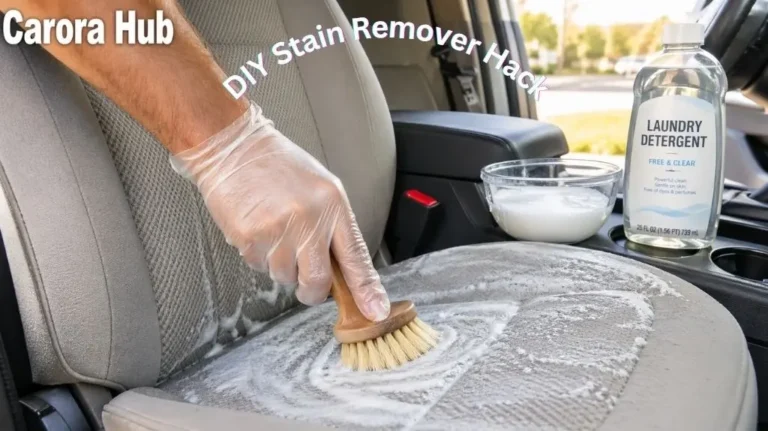
- Shampoo upholstery and carpets to remove stains and odors.
- Condition leather seats with a dedicated leather cleaner and conditioner.
- Brush and clean air vents and HVAC intake areas to reduce dust flow.
- Wipe all plastic, vinyl, and trim with appropriate protectants or cleaners.
Products I recommend
Use a pH‑balanced upholstery cleaner for fabric. For leather, use a mild leather cleaner and follow with a conditioner. For vents and tight spots, a soft detailing brush and compressed air help a lot.
Annual Comprehensive Detailing
Once a year, do a full, thorough detail or hire a professional. This restores the cabin and addresses things you might miss during routine cleaning.
- Steam clean or deep-shampoo carpet and upholstery.
- Clean and treat headliner, seat belts, and all crevices.
- Inspect and, if needed, replace the cabin air filter.
- Apply UV protectants to dash, trim, and vinyl to prevent fading.

Credit: www.northwestautocollision.com
Signs Your Interior Needs Detailing
Watch for these signs. They tell you it’s time to act before damage sets in.
Visible Dirt And Stains
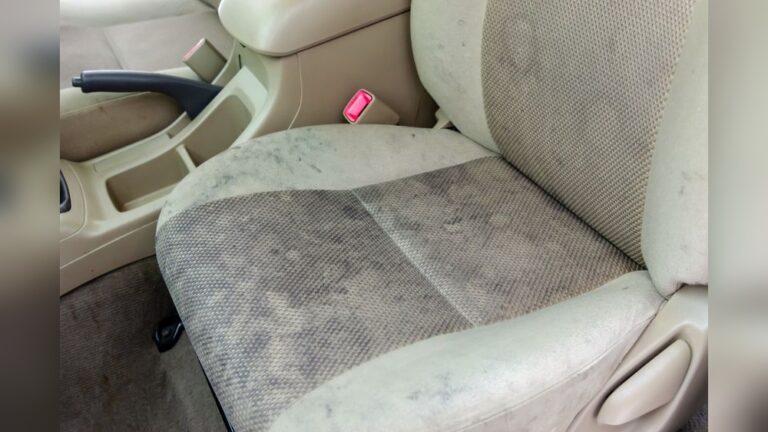
Dirt builds on seats, carpets, and panels. Food and drink stains show quickly. If you see stains, blot and clean them right away. Ignored stains can set and become permanent.
Unpleasant Odors
Bad smells come from spills, smoke, pets, or mildew. Air fresheners only mask odors. Deep cleaning removes the source and freshens the cabin long-term.
Sticky Or Greasy Surfaces
Greasy steering wheels or sticky dashboards feel gross and attract more dirt. Clean them with the right cleaner. A clean surface is easier to maintain and safer to touch.
Deterioration Of Materials
Leather cracking, fabric frays, or faded trim show wear. Detailing and conditioning slow this. Address small issues quickly to avoid costly repairs later.
Diy Interior Detailing Tips
Doing your own detailing saves money and gives good results if you follow the right steps. I lay out a clear process I use. It’s fast and effective.
Essential Tools And Products
Here’s what I keep in my kit:
- Vacuum with crevice tool.
- Microfiber cloths (several).
- Soft detailing brushes and a small scrub brush.
- Mild interior cleaner and separate leather cleaner/conditioner.
- Stain remover for fabric and an enzyme cleaner for organic spills.
- Glass cleaner for interior windows and a spray bottle of water.
Step-by-step Cleaning Process
Follow this order to avoid re-soiling cleaned areas:
- Remove trash, personal items, and floor mats.
- Vacuum thoroughly: seats, crevices, under seats, trunk.
- Treat stains on seats or carpet with a suitable cleaner. Blot—don’t rub.
- Wipe plastics and vinyl with a damp microfiber cloth and cleaner.
- Clean glass inside with a streak-free cleaner.
- Condition leather if present; let it absorb and then wipe off excess.
- Replace mats and items. Finish with a quick ventilating run to dry fabrics.
Spot Cleaning Techniques
Act fast on spills. I keep a small stain kit in the trunk. Blot liquids immediately. For coffee or soda stains use a mild upholstery cleaner. For grease, use a solvent-based spot cleaner designed for automotive fabric. Always test cleaners in a hidden spot first.
Protective Treatments
Protective products make maintenance easier. I apply them to extend results:
- Leather conditioner every 3–6 months to keep leather soft and crack-free.
- Fabric protectors on cloth seats to repel spills and stains.
- UV protectant on dash and vinyl to reduce fading and cracking.
- Periodic use of an enzyme cleaner for pet stains and odors.
Extra tip
Use seat covers or waterproof liners if you haul pets or messy cargo. They cut down cleaning time and protect factory upholstery.
Professional Detailing Services
Sometimes you want professional-level results. Pros have tools and chemistry that remove deep stains and odors. I recommend a professional detail when DIY methods don’t fully fix a problem.
Professional detailing also saves time when you need a fast, thorough result before selling or showing the car.
What To Expect
Detailers typically inspect the car first. They vacuum, shampoo, and may use steam cleaning. They clean vents, apply conditioners, and address stains and odors. The process can take a few hours to a full day depending on the job.
Cost Considerations
Interior detailing costs vary. Expect basics to start around $50–$100. Deep stain removal, pet hair removal, or odor treatments add cost. Prices depend on vehicle size and interior condition. Ask for an itemized quote before you commit.
Choosing A Reliable Detailer
Look for strong reviews and before/after photos. Ask what products they use. Verify they offer a satisfaction guarantee. A good detailer explains the steps and listens to your concerns.
Maintaining Your Interior Between Details
Small daily habits keep your car tidy. I follow these and they save me time on deep-clean days.
Regular Vacuuming
Vacuum weekly or as needed. Use crevice tools for seams and under seats. A weekly quick vacuum prevents packed-in dirt and reduces wear.
Wiping Surfaces
Wipe down the dash, console, and door panels with a microfiber cloth every week. Use a small amount of cleaner to remove fingerprints and dust.
Managing Spills Immediately
Blot spills right away. Quick action prevents stains and smells. Keep napkins or cloths handy and treat organic spills with an enzyme cleaner if needed.
Using Protective Covers
Seat covers and quality floor mats protect original surfaces. They are easy to remove and clean. If you carry kids or pets, invest in washable covers.
Credit: www.pandahub.com
Frequently Asked Questions Of How Often Should You Detail Your Car Interior
How Often Should I Detail My Car Interior?
Detail your car interior every 3 to 6 months as a rule. That keeps things fresh and prevents wear. If you have kids, pets, or heavy use, aim for every 1 to 3 months. Low-use or garage-kept cars may need less frequent detailing.
What Are The Benefits Of Regular Car Interior Detailing?
Regular detailing removes dirt, allergens, and stains. It improves air quality and prevents fading and cracking. Overall, it preserves value and makes your driving experience better.
Can Detailing Prevent Interior Wear And Tear?
Yes. Cleaning and conditioning slow wear. They protect leather, fabric, and plastic from drying, cracking, and fading. Small, regular steps keep materials healthier longer.
Is It Necessary To Detail Interior If I Clean Often?
Yes. Regular cleaning handles surface dust and trash. Detailing goes deeper. It cleans vents, applies protectants, and reaches hidden spots that regular cleaning misses.
Conclusion
Keeping your car interior clean takes simple, regular effort. Detailing every few months keeps the cabin fresh and protects surfaces. Dust, dirt, and spills can cause long-term damage if ignored. A clean interior makes driving more pleasant and helps preserve the car’s value.
Stick to a schedule that fits your lifestyle. Use easy monthly tasks, a quarterly deep clean, and an annual full detail. Little steps add up. Clean inside, enjoy the ride.

I am Julian Drive, an automotive enthusiast and repair expert with over 7 years of hands-on experience in vehicle maintenance. At Carora Hub, I simplify complex car issues into easy-to-follow DIY guides to help drivers stay safe and save on repair costs.