For me, a fresh car interior is about more than looks. It brings comfort, confidence, and pride. But smells can sneak in fast. Maybe it was last week’s groceries, spilled coffee, or a wet umbrella left under the seat. I’ve dealt with all of that. I learned what works and what doesn’t.
Many chemical sprays promise a quick fix. I avoid them when I can. They often add artificial scents or use harsh ingredients. That’s why I prefer natural deodorizing. You can remove smells from your car’s interior using everyday, eco-friendly solutions. They are safe for you and for the environment.
This guide walks you through how to deodorize your car interior naturally, step by step. I’ll explain why odors linger. I’ll show which natural methods work best and how to use them. I’ll also point out common mistakes and when to get professional help. Whether you drive daily or only sometimes, these tips will help you keep your car smelling clean—without store-bought fresheners.
Why Car Interiors Smell and Why Natural Solutions Matter
Most car odors have simple causes: food spills, sweat, pets, mildew, or smoke. Modern car interiors use synthetic fabric, foam, adhesives, and plastics. These materials trap smells deep in seats, carpets, and vents. Over time, small odors mix and become harder to remove.
Some air fresheners only mask odors. Worse, some sprays and gels contain chemicals like phthalates or VOCs. These can irritate sensitive people and lower air quality inside your vehicle. Natural deodorizing is more than a “green” choice. It uses simple, safe ingredients that absorb or neutralize smells instead of covering them up.
How Natural Deodorizers Work
Natural deodorizing works in three basic ways:
- Absorption: Materials like baking soda and activated charcoal pull odor molecules out of the air and fabrics.
- Neutralization: Acidic ingredients such as white vinegar or citrus change the chemical structure of some odors, making them less noticeable.
- Airflow and evaporation: Ventilation helps remove volatile particles and lets surfaces dry, which prevents mildew.
Knowing these actions helps you pick the right natural car deodorizer for the smell you face. I aim to choose methods that remove odors rather than simply scent the car.
The Step by step Natural Deodorizing Process
Deodorizing your car naturally is not just about sprinkling baking soda and hoping for the best. A good result comes from a clear process. Here’s how I tackle it:
1. Identify And Remove The Source
Start by finding what’s causing the smell. Sometimes it’s obvious—a forgotten snack, wet floor mats, or pet hair. Other times it hides: spilled liquids under seats, mold in the AC vents, or an old gym bag in the trunk. Remove trash, clean up spills, and vacuum debris before using any deodorizer.
Pro tip: Check under seats, between cushions, inside storage compartments, and in the trunk. Odors often hide where you least expect them.
2. Clean Surfaces Thoroughly
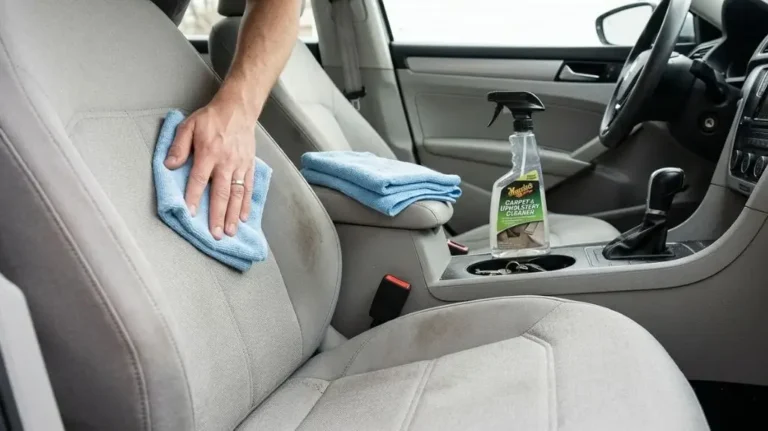
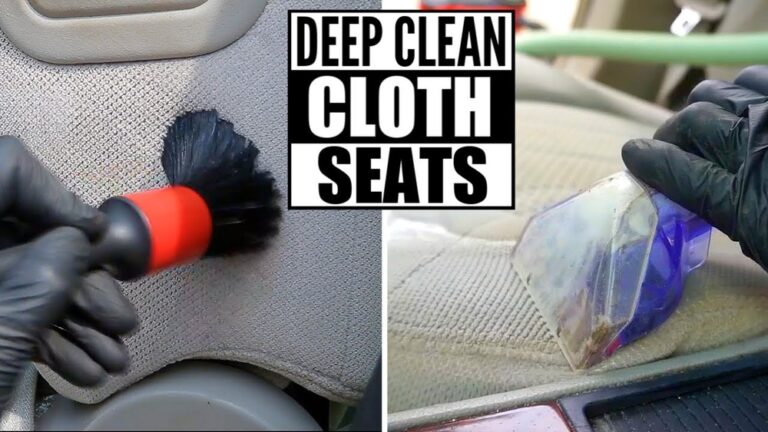
Odors cling to dirt, residue, and skin oils. Vacuum seats, carpets, and mats well. Wipe dashboards, doors, and hard surfaces with a damp microfiber cloth. For stubborn spots use a little diluted vinegar or mild soap. Work in small sections to avoid over-wetting.
Don’t forget: Clean the inside of windows. Smells can stick to glass, especially if you smoke or transport pets.
3. Dry Out Moisture
Dampness breeds mildew and musty smells. After cleaning, air the car with doors or windows open when weather allows. If you find wet spots, blot them with towels. Then expose the area to airflow until dry. For deeper moisture, use a small fan or park in the sun for a few hours.
Hidden insight: Mold often grows under floor mats or in the trunk after a leak. Always check these areas if you notice a persistent musty smell.
Top Natural Deodorizing Methods For Car Interiors
Once the car is clean and dry, tackle remaining odors. Not every natural method fits every smell. Here are the most effective options I use:
Baking Soda
Baking soda is a classic odor absorber. It’s cheap, safe, and easy to use.
How to use:
- Sprinkle a thin layer over fabric seats, carpets, and mats.
- Let it sit for 4–24 hours (overnight is best).
- Vacuum thoroughly to remove all powder.
Baking soda works well for food, sweat, and pet odors. It is less effective on strong smoke or deep mold infestations. For those, combine methods or consider professional cleaning.
White Vinegar
White vinegar neutralizes many odors. It usually doesn’t leave a lasting vinegar scent after it dries.
How to use:
- Mix equal parts white vinegar and water in a spray bottle.
- Lightly mist seats, carpets, and headliners (do not soak).
- Leave windows open to help drying.
For air freshening, place a small bowl of vinegar in the car overnight with windows closed. Remove it in the morning.
Activated Charcoal
Activated charcoal is a powerful odor trap. It captures particles in its tiny pores.
How to use:
- Buy charcoal bags or make your own with loose charcoal in a breathable pouch.
- Place them under seats, in cup holders, or in the trunk.
- Leave for a few days, then recharge in the sun.
Charcoal is excellent for smoke, musty, or chemical odors. It works slowly, but its effect is strong and reusable.
Coffee Grounds
Coffee grounds can absorb smells and add a mild, pleasant scent.
How to use:
- Fill a shallow container with dry, unused coffee grounds.
- Leave it in the car or near the smell overnight.
- Remove and discard the grounds after a day or two.
Coffee works best for mild, lingering smells. It’s not ideal for strong odors like spoiled food or active mildew.
Citrus Peels
Citrus peels from oranges, lemons, or limes release natural oils. They help neutralize odors and add a fresh scent.
How to use:
- Place fresh peels in a bowl or mesh bag.
- Leave in the car for 24–48 hours.
- Replace as needed.
Hidden insight: Citrus oils also discourage some insects, like ants, from entering your car.
Essential Oils
Essential oils such as lavender, eucalyptus, or tea tree don’t absorb odors. They add a natural fragrance and can offer mild antimicrobial benefits.
How to use:
- Add a few drops to a cotton ball or cloth.
- Place under seats or near vents.
- Replace weekly or as the scent fades.
Caution: Avoid direct contact with upholstery. Some oils can stain or react with materials. If you have pets, choose pet-safe essential oils and use them sparingly.
Sunlight And Airflow
Sometimes the simplest solution is the best. Sunlight kills some bacteria and mold. Fresh air removes volatile smells.
How to use:
- Park in a sunny, safe spot.
- Open all doors and windows for 30–60 minutes.
- Repeat as needed.
Extra tip: Remove floor mats and let them sun-dry separately for best results.

Credit: www.amazon.com
Comparing Natural Deodorizing Methods
To choose the best method, match the deodorizer to the smell. Here’s a quick comparison of natural options and when they shine:
| Deodorizer | Best For | How Long to Leave | Pros | Cons |
|---|---|---|---|---|
| Baking Soda | Food, sweat, pets | 4–24 hours | Cheap, safe | Messy to remove |
| Vinegar | Mildew, smoke | 1–12 hours | Neutralizes quickly | Temporary vinegar smell |
| Charcoal | Smoke, musty odors | 1–7 days | Reusable, powerful | Slow to work |
| Coffee Grounds | Mild odors | 8–48 hours | Pleasant scent | Not for strong smells |
| Citrus Peels | General freshness | 24–48 hours | Eco-friendly | Short-lived effect |
Tackling Specific Car Odor Problems
Some smells need special attention. Here’s how I handle the most common problems:
Food And Drink Spills
- Clean spills quickly with soapy water, then blot dry.
- Sprinkle baking soda on the area; vacuum after a few hours.
- For sticky or sour smells, mist lightly with a vinegar solution.
Pet Odors
- Remove hair with a vacuum or rubber glove.
- Use baking soda or charcoal under seats.
- Wash pet blankets or carriers regularly.
- Air out the car after transporting animals.
Smoke Smell
- Clean all surfaces, including the headliner and vents.
- Use charcoal bags in several spots for multiple days.
- Wipe hard surfaces with a vinegar solution.
- Repeat sun-and-airflow sessions to help break down residue.
Mildew Or Musty Odors
- Find and dry the damp source (leaky window, wet mat, AC issue).
- Use a vinegar spray on affected fabrics.
- Place charcoal under seats and run the ventilation system with windows open.
- Consider a professional check if the smell persists—hidden mold can cause health issues.
Old Car Or “funky” Smell
- Use a multi-step approach: Clean, air out, use baking soda, then add citrus peels or essential oils for a finishing touch.
Natural Diy Air Freshener Recipes
If you want to add a pleasant scent after deodorizing, try these homemade air fresheners. They are simple and safer than synthetic sprays:
Citrus And Herb Sachet
- Fill a small cloth bag with dried lemon peel, orange peel, and a few sprigs of dried rosemary or mint.
- Hang from the rearview mirror or place in a cup holder.
- Replace contents every few weeks.
Baking Soda And Essential Oil Jar
- Fill a small glass jar halfway with baking soda.
- Add 5–10 drops of your favorite essential oil.
- Poke holes in the lid or cover with breathable fabric.
- Place under a seat for gentle, ongoing freshness.
Gel Air Freshener
- Dissolve 1 tablespoon of unflavored gelatin in 1 cup of hot water.
- Stir in 1 tablespoon of salt and 10–15 drops of essential oil.
- Pour into a small jar and let it set.
- Use with the lid off or with holes poked in the lid.
Hidden insight: These DIY air fresheners avoid synthetic chemicals. That makes them a better fit for people with allergies or asthma.
Mistakes To Avoid When Deodorizing Naturally
Many beginners make simple errors that limit results. Here’s what to watch out for:
- Skipping the cleaning step: Odor absorbers work best on clean surfaces. Never just cover up a mess.
- Over-wetting surfaces: Too much vinegar or water can cause mold or stains.
- Leaving powders behind: Always vacuum up baking soda and other powders completely.
- Mixing strong scents: Using too many essential oils or peels can create a confusing or unpleasant smell.
- Ignoring the source: If you don’t remove the root cause (like a leaking door seal), the smell will return.
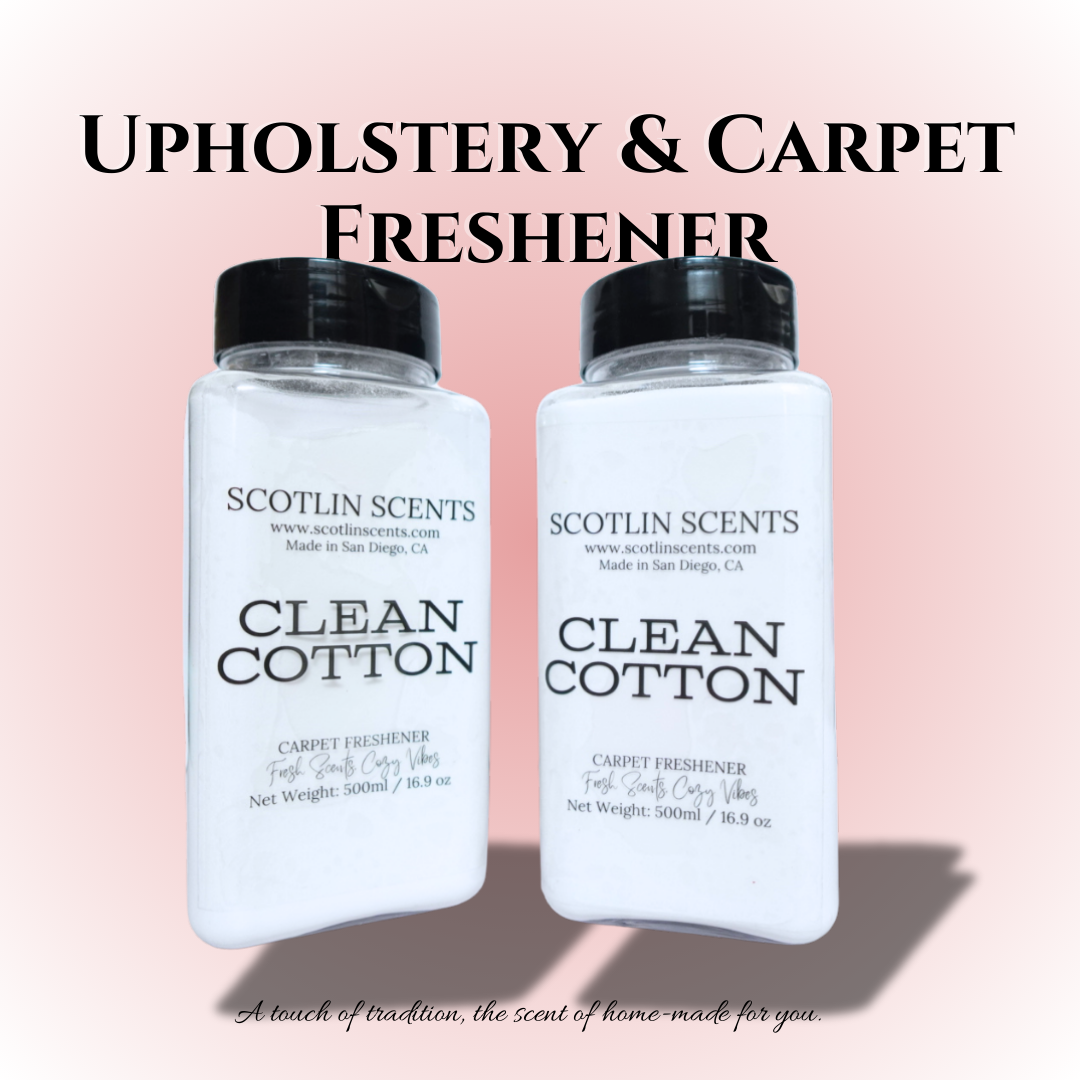
Credit: scotlinscents.com
How Often To Deodorize Your Car
Natural deodorizing isn’t a one-time task. Frequency depends on habits and environment. Here’s a simple guide I follow:
| Situation | How Often to Deodorize | Recommended Method |
|---|---|---|
| Daily driver, no pets | Every 2–4 weeks | Baking soda, sunlight |
| Transporting pets/kids | Weekly spot cleaning | Baking soda, charcoal, citrus |
| After spills or rain | Immediately | Clean, dry, then deodorize |
| Old car or smoker’s car | Monthly deep clean | Charcoal, vinegar, airflow |
Extra tip: Keep a small deodorizing sachet in the car at all times for ongoing freshness.
Deodorizing Car Vents And Air Conditioning
Vents can trap dust, moisture, and smells. If the car smells when you turn on the AC or heat, check the vents:
- Replace the cabin air filter: Do this every 12,000–15,000 miles or as your manual recommends.
- Mist with vinegar solution: With the engine off, spray a light mist into the air intake vents at the base of the windshield. Be careful not to soak anything.
- Run the fan: Turn AC to high with windows open for 5–10 minutes to dry moisture and clear smells.
- Use an essential oil cotton ball: Place it near vents for a light, natural scent.
Caution: Never spray liquids directly into electrical components or use too much moisture. If you suspect mold in the HVAC system, consider professional HVAC cleaning.
When To Seek Professional Help
Most smells respond to natural methods. But call a pro when:
- If you suspect mold inside seats or carpets.
- If a smell returns quickly after cleaning.
- If there’s a chemical, gas, or burning odor.
- If you find animal droppings or nests.
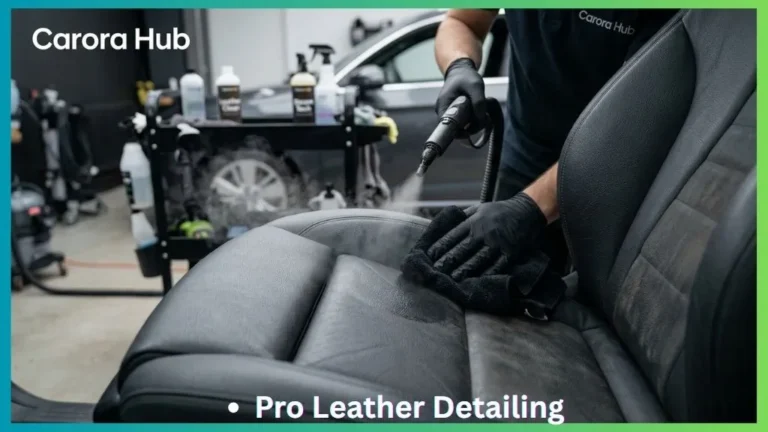
A professional detailer or mechanic can remove seats, deep-clean HVAC systems, and check for leaks or structural issues. For heavy smoke or persistent odors, ozone or steam cleaning from a pro can make a big difference.
The Environmental And Health Benefits Of Natural Deodorizing
Choosing natural methods protects your health and the planet:
- No synthetic fragrances: Reduces risk of headaches, allergies, and asthma attacks.
- Less plastic waste: No need for disposable air fresheners or chemical cans.
- Safe for kids and pets: Natural ingredients are less likely to cause harm if touched or inhaled.
- Lower indoor pollution: Helps keep your car’s air clean and healthy.
The US Environmental Protection Agency notes indoor air can be 2–5 times more polluted than outdoor air, partly due to chemical cleaners. Natural deodorizing is a simple, practical way to improve air quality inside your car.
Real-world Example: Natural Deodorizing In Action
Maria, a rideshare driver in Houston, struggled with a stale smell from passengers, spilled drinks, and humidity. She tried many air fresheners, but the odor returned. Here’s the natural routine she used:
- Weekly: Vacuum and wipe surfaces with diluted vinegar.
- Monthly: Sprinkle baking soda on seats and carpets overnight.
- After rain: Remove floor mats, sun-dry, and check for damp spots.
- Always: Keep a homemade citrus-and-mint sachet under the seat.
Within a month, her car smelled clean consistently. Riders noticed the neutral, fresh scent—no fake perfume. Her experience shows that routine care and the right natural deodorizer can solve tough odor problems.
Comparison: Natural Vs. Chemical Deodorizing
How do natural methods stack up against chemical sprays? Here’s the short version:
| Feature | Natural Methods | Chemical Sprays |
|---|---|---|
| Odor Removal | Absorbs and neutralizes | Masks temporarily |
| Health Impact | Low risk, allergy-friendly | Can cause irritation |
| Environmental Impact | Biodegradable, minimal waste | Plastic waste, VOCs |
| Cost | Low (DIY ingredients) | Higher (repeat purchases) |
| Duration | Lasts longer with cleaning | Short-term effect |
Practical Tips For Lasting Car Freshness
- Keep trash out: Empty bins and remove food wrappers daily.
- Avoid eating in the car: Fewer spills and crumbs mean fewer smells.
- Use washable seat covers: They are easy to clean and dry.
- Check for leaks: Wet carpets are a common odor source.
- Store a small deodorizer: Charcoal, baking soda, or a citrus sachet in the glove box helps between deep cleans.
- Inspect trunk and spare tire area: Moisture and forgotten food can hide here.
Where To Buy Natural Deodorizing Supplies
You don’t need specialty brands. Most supplies are at grocery stores, pharmacies, or online:
- Baking soda: Any supermarket, usually in the baking aisle.
- White vinegar: Grocery or dollar stores.
- Activated charcoal: Pet stores, aquarium sections, garden centers, or online sellers.
- Essential oils: Health food stores or online.
- Citrus fruits: Produce section—eat the fruit, use the peels!
If you want a ready-made product, look for “natural air purifying bags” or “odor eliminators” made with charcoal or mineral blends.
Frequently Asked Questions of How to Deodorize Car Interior Naturally
What Is The Safest Natural Deodorizer For Cars With Children Or Pets?
Baking soda and activated charcoal are the safest choices. They have no strong scent. They are non-toxic and work without direct contact with kids or animals.
How Long Does It Take For Natural Deodorizers To Work?
Most natural deodorizers need 4–24 hours to show results. For stubborn smells, leave them in place for several days. Refresh as needed.
Can I Mix Different Natural Deodorizers In My Car?
Yes. I often use both baking soda and charcoal together. Avoid combining many strong scents like multiple essential oils. That can create an unpleasant mix. Keep the car’s scent neutral and simple.
Will Natural Methods Remove Cigarette_Smell_Completely?
Natural methods can greatly reduce smoke odor. Repeated cleaning and using charcoal and vinegar help a lot. Heavy or old smoke may need professional ozone or steam cleaning to fully remove embedded residue.
Where Can I Learn More About Car Interior Cleaning?
You can find more tips and research on car cleaning at the Wikipedia page on car interior cleaning.
A fresh car interior doesn’t need artificial scents or harsh sprays. With the right natural methods, you can enjoy a truly clean, healthy space every time you drive. Just remember: consistency is key. A little regular effort goes a long way toward lasting freshness.

I am Julian Drive, an automotive enthusiast and repair expert with over 7 years of hands-on experience in vehicle maintenance. At Carora Hub, I simplify complex car issues into easy-to-follow DIY guides to help drivers stay safe and save on repair costs.