Your car is more than just a way to get from point A to point B—it’s your personal space. But have you ever thought about how clean and safe your car’s interior really is?
Germs and bacteria hide in places you might never expect. I treat my car like a second home. I learned the hard way that small habits matter. If you want to protect yourself and your passengers, knowing how to disinfect your car interior safely is key. Below I share simple steps that work. They keep your car fresh and germ-free without damaging surfaces.
Ready to take control of your car’s cleanliness? Let’s dive in.
Choosing The Right Disinfectants
Choosing the right disinfectant matters. The wrong product can fade, crack, or dry out leather and vinyl. It can leave residues that irritate skin or lungs. I always match the cleaner to the surface. That keeps my car looking and smelling great while cutting germs.
Safe Products For Car Surfaces
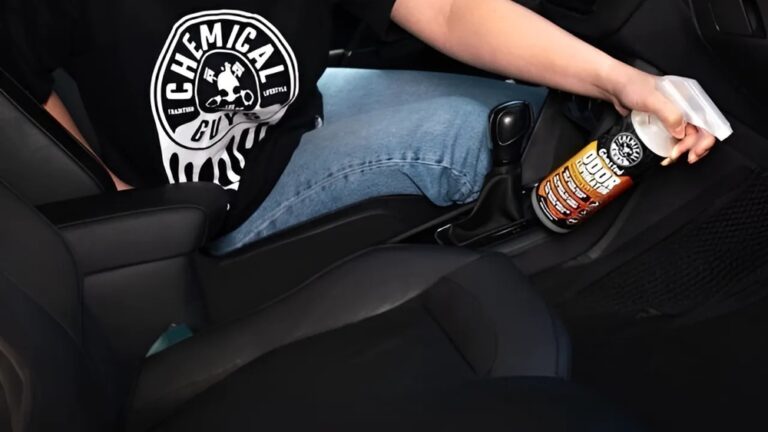
Use products labeled safe for automotive interiors or multi-surface use. Alcohol-based wipes with 70% isopropyl alcohol work well on hard plastics, knobs, and vinyl. Mild dish soap mixed with water is a gentle option for many surfaces. For leather, choose a leather-specific disinfectant or a 70% alcohol wipe followed by a leather conditioner to keep it from drying out. Avoid bleach and cleaners with strong solvents unless a product specifically lists automotive use.
Avoiding Harmful Chemicals
Products with ammonia, bleach, or strong acids can ruin trim and fabrics. They can also irritate your eyes and throat. I skip anything that smells overpowering. Instead, I look for simple ingredient lists. If in doubt, test new cleaners on a hidden spot first. That small test saves costly repairs later.
Eco-friendly Options
Green options often use hydrogen peroxide, vinegar, or essential oils. These can be effective for routine cleaning and light disinfection. Look for biodegradable labels and third-party certifications. Avoid synthetic fragrances if you or passengers have sensitivities. Natural choices lower environmental impact and reduce strong chemical fumes inside the cabin.
Preparing Your Car For Cleaning
Preparing your car makes disinfection faster and more effective. I follow the same prep every time. It helps the disinfectant reach germs instead of getting trapped under dirt. Take time to prepare. You will clean less and get better results.
Removing Trash And Debris
Start by removing all trash. Check under seats, in door pockets, and in cup holders. Small wrappers and crumbs spread during cleaning if left behind. I keep a small trash bag in the car. It makes this step quick and tidy.
Vacuuming Seats And Carpets
Next, vacuum seats, carpets, and floor mats thoroughly. Use a crevice tool to reach seams and under seats. Vacuuming removes grit and pet hair that block disinfectants. I spend extra time on the edges and between cushions. Clean surfaces let disinfectants work better.
Protecting Sensitive Electronics
Cover electronics like infotainment screens, displays, and unsealed buttons with plastic wrap or a lint-free cloth. Never spray disinfectant directly on these parts. Instead spray onto a microfiber cloth and wipe gently. This prevents moisture damage and keeps touchscreens responsive.
Supplies And Tools You’ll Need
Before starting, gather supplies. I keep a small kit in my trunk so I’m always ready. Here’s what I recommend:
- 70% isopropyl alcohol wipes or spray
- Mild dish soap or automotive fabric cleaner
- Microfiber cloths in multiple sizes
- Soft-bristled brush for fabric and seams
- Vacuum with crevice tool
- Disposable gloves and a mask
- Leather cleaner and conditioner (if you have leather seats)
- Portable air purifier or spare cabin air filter
Having these items saves time and gives consistent results. Replace disposable wipes and gloves as needed.
Disinfecting High-touch Areas
High-touch spots collect the most germs. I clean these first and most often. Focus on places you and passengers touch every trip. Use gentle wipes or a spray on a cloth so you don’t soak surfaces.
Steering Wheel And Gear Shift
Wipe the steering wheel and gear shift with a 70% isopropyl alcohol wipe or a cloth dampened with a mild cleaner. Clean all sides and crevices. For leather, follow with a conditioner after the surface is dry. Let everything dry before driving.
Door Handles And Controls
Door handles, window switches, and lock buttons see frequent contact. Use a soft cloth with disinfectant and avoid spraying directly onto switches. Wipe around buttons, edges, and seams where dirt hides. Repeat on passenger side and rear doors.
Seat Belts And Armrests
Seat belts are often overlooked. Use a disinfecting wipe or cloth dampened with mild soap solution on the strap and buckle. Wipe armrests with a gentle cleaner. Allow straps to dry fully before retracting them to avoid mildew.
Cleaning Upholstery And Fabrics
Upholstery traps liquids, crumbs, and odors. Clean it properly to remove germs and keep fabrics looking new. I treat stains fast to avoid set-in marks.
Using Appropriate Cleaners
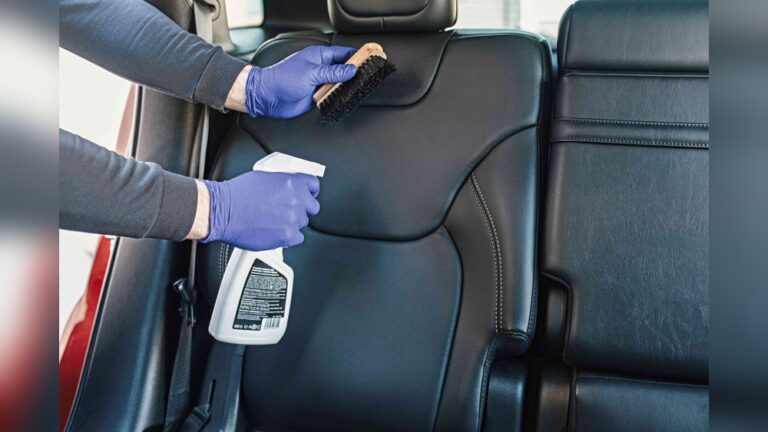
Use cleaners made for automotive fabrics. Avoid harsh household chemicals that strip color or weaken fibers. Test a small, hidden spot before full application. Lightly mist fabric—don’t soak it. Gently scrub with a soft brush or cloth and blot with a clean towel.
Spot Treatment Techniques
For spills, blot immediately. Press down with a clean cloth to lift liquid. Do not rub. Apply a small amount of upholstery cleaner and let it sit for a minute. Agitate gently with a soft brush, then blot dry. Repeat only if needed. Over-wetting can cause mildew.
Drying And Ventilation
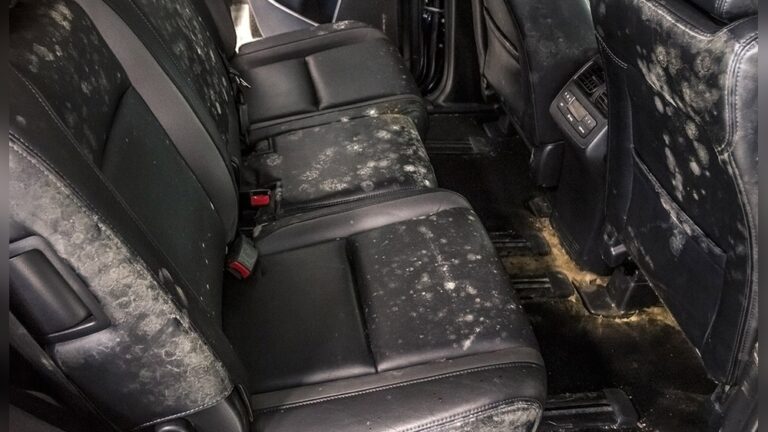
Dry fabrics quickly to prevent mold and odors. Leave windows open or use fans. I park in shaded areas to avoid UV fade while drying. Use absorbent towels to remove excess moisture. Make sure seats are fully dry before closing the car.
Disinfecting Hard Surfaces
Hard surfaces are easier to disinfect but still need care. Use gentle products so plastic trim and touchscreens stay intact. I avoid harsh sprays near electronics and vents.
Dashboard And Consoles
Wipe dashboards and consoles with a microfiber cloth. Spray disinfectant on the cloth—not onto the surface. Clean around vents, knobs, and screen edges. Use a soft brush for dust in vents. Let surfaces dry before turning the car on.
Windows And Mirrors
Use a glass cleaner or mild disinfectant on windows and mirrors. Spray on a microfiber cloth and wipe in a circular motion to avoid streaks. These areas are touched less but still need regular cleaning for visibility and hygiene.
Floor Mats And Pedals
Take mats out and shake them outside. For rubber mats, a hose and mild cleaner work well. For fabric mats, vacuum and treat stains. Allow mats to air dry completely before placing them back. Clean pedals with disinfectant wipes, focusing on the top surfaces where shoes contact.
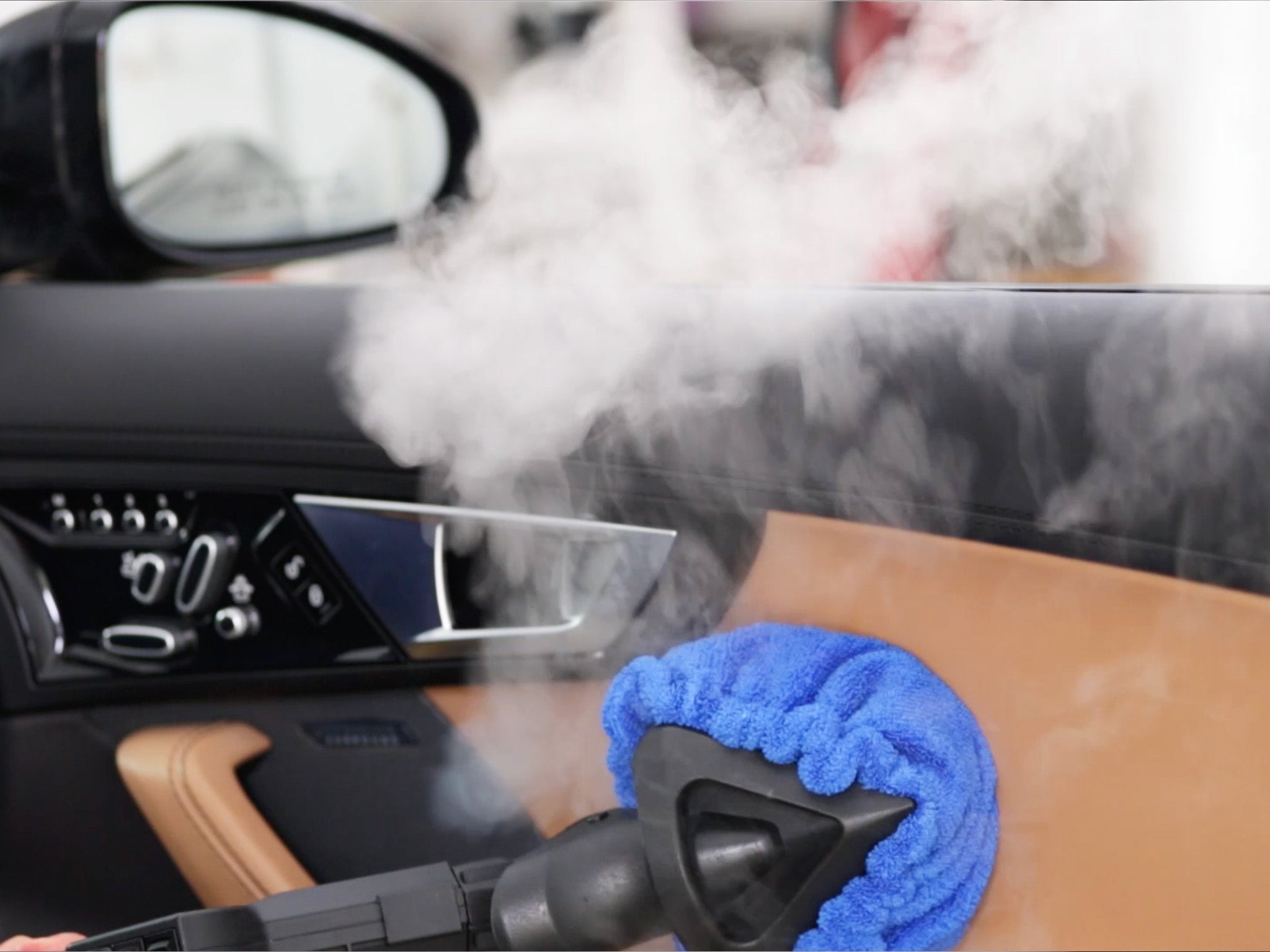
Credit: dupray.com
Maintaining Air Quality
Air quality matters. Clean air reduces dust, pollen, and airborne germs. I check filters regularly and use a small purifier when I need extra confidence. These steps keep the cabin comfortable and healthier.
Replacing Cabin Air Filters
The cabin air filter traps dust, pollen, and particulates. Change it every 12,000 to 15,000 miles or as your manual suggests. If you drive in dusty areas, check more often. A fresh filter improves airflow and reduces odors.
Using Air Purifiers
Portable HEPA car purifiers remove small particles and allergens. They help with smells and smoke. They use little power and run while you drive. I turn mine on during long trips or when someone in the car has allergies.
Ventilation Tips
Open windows briefly to exchange fresh air. Avoid recirculate mode for long periods. Recirculation traps stale air and particles. I switch to fresh-air intake at the start of each trip to clear the cabin.
Safety Precautions During Disinfection
Safety matters when using cleaners. Some products can harm skin, eyes, or lungs. I always take simple precautions. They protect me and keep surfaces undamaged.
Strong chemicals can cause irritation. Proper handling reduces risks. Read labels and follow directions for contact time and use.
Wearing Protective Gear
Wear gloves to protect your hands. A mask helps when you use sprays. Safety glasses can stop splashes. I use disposable gloves when cleaning interiors and replace them after each session.
Proper Ventilation
Keep windows and doors open while disinfecting. Fresh air reduces fumes and speeds drying. Do not seal the car during cleaning. I park in a shaded, ventilated spot to work comfortably.
Avoiding Overuse Of Chemicals
Follow label directions. Too much product can damage finishes and leave residues. Use only the amount needed for effective disinfection. Less is often more when you want to protect surfaces.

Credit: www.youtube.com
Regular Cleaning Schedule
Routine keeps germs down and the car pleasant to use. I follow a simple schedule. Small daily habits plus a weekly deep clean keep my car in top shape. If a spill or illness occurs, I increase cleaning frequency.
Daily Habits For Germ Control
Wipe high-touch areas daily. I use disinfectant wipes for the steering wheel and door handles. Avoid eating in the car when possible to cut crumbs and spills. Keep hand sanitizer handy for quick use after touching public surfaces. Crack a window now and then to clear the air.
Weekly Deep Cleaning
Once a week, vacuum thoroughly. Clean vents, cup holders, and storage bins. Use a disinfectant spray on fabric seats if the product is approved for upholstery. For leather, wipe and condition. Remove clutter and trash to stop germs from settling in.
When To Seek Professional Help
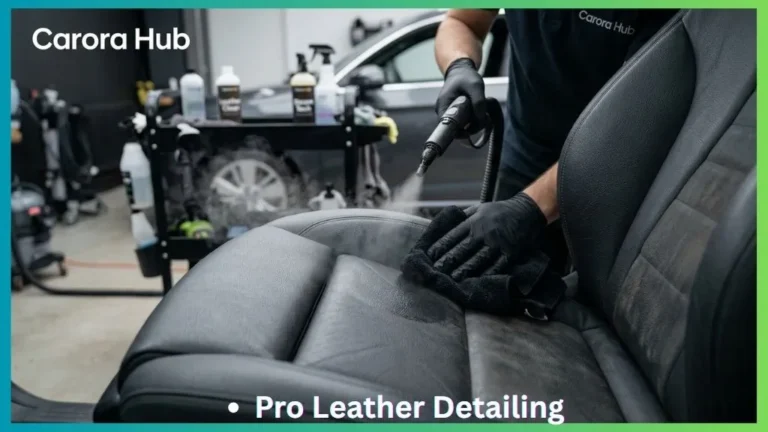
If stains or odors persist, consider a professional detail. Pros use specialized tools like steam cleaners, extractors, and hospital-grade disinfectants. If someone who was ill used the vehicle, professional cleaning can provide thorough disinfection and peace of mind.
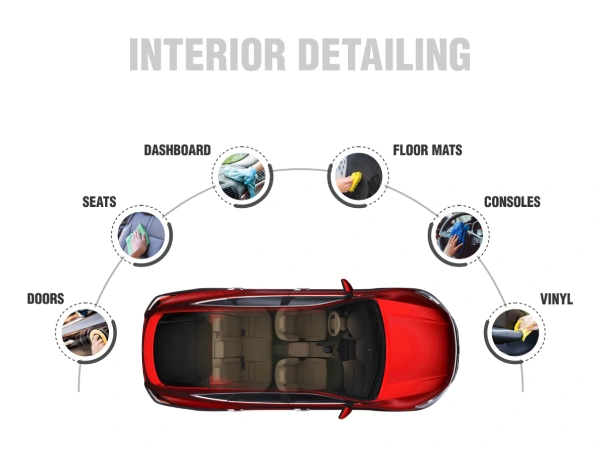
Credit: www.detailingdevils.com
Frequently Asked Questions
What Are Safe Disinfectants For Car Interiors?
Use products labeled safe for automotive use. Avoid bleach or ammonia-based cleaners unless the product specifically allows them for car surfaces. Alcohol-based wipes with 70% isopropyl alcohol are effective for many hard surfaces. For fabrics, use a cleaner approved for upholstery.
How Often Should I Disinfect My Car Interior?
Disinfect high-touch areas weekly as a baseline. Clean more often during cold and flu seasons, after transporting someone who is sick, or after spills. Daily quick wipes plus weekly deep cleaning is a practical routine.
Can Disinfecting Harm My Car’s Interior Surfaces?
Harsh chemicals can cause fading and deterioration. Always test new products in an inconspicuous area. Use cleaners designed for vehicle interiors to reduce risk. Follow label directions and avoid overuse.
What Is The Best Method To Disinfect Car Seats?
For fabric seats, use a spray disinfectant approved for upholstery. Lightly mist, scrub, and blot dry. For leather seats, use leather-safe disinfectant wipes and follow with a conditioner. Avoid soaking the seats to prevent mildew and damage.
Conclusion
Cleaning your car’s interior keeps it safe and fresh. Use gentle disinfectants to avoid damage. Focus on high-touch areas like steering wheels and door handles. Always ventilate your car during and after cleaning. Regular disinfecting reduces germs and keeps you healthy.
Simple steps protect both you and your vehicle. Keep your car a clean, safe space every day.

I am Julian Drive, an automotive enthusiast and repair expert with over 7 years of hands-on experience in vehicle maintenance. At Carora Hub, I simplify complex car issues into easy-to-follow DIY guides to help drivers stay safe and save on repair costs.