The Toyota Prius is famous for its hybrid technology, fuel economy, and reliability. But even well-built vehicles can face electrical issues. When your Prius starts acting up maybe dashboard lights flicker, the car won’t start, or electronics go haywire it can be confusing, especially if you’re not an expert. The electrical system in a Prius is more complex than in a regular car because it combines a traditional battery, a hybrid battery, and advanced electronics. Knowing how to troubleshoot these problems can save time, money, and stress.
This article will guide you step-by-step through diagnosing and fixing common electrical issues in the Toyota Prius. You’ll learn what signs to watch for, which tools to use, and how to avoid mistakes that could make things worse. Even if you’re a beginner, you’ll get practical advice and clear examples.
Let’s get started on making your Prius run smoothly again.
Understanding The Prius Electrical System
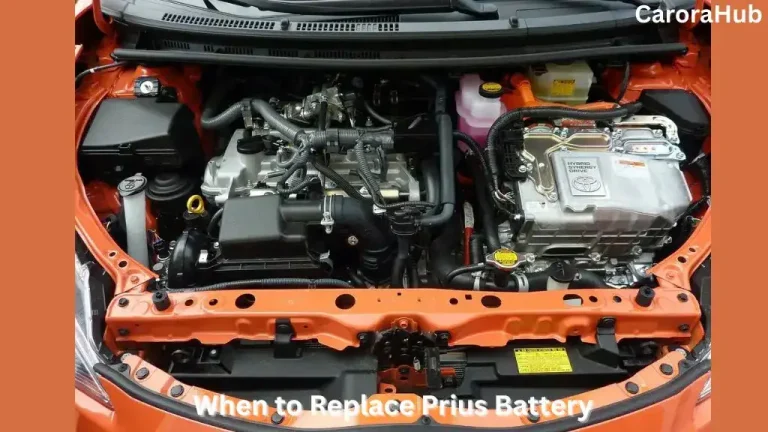
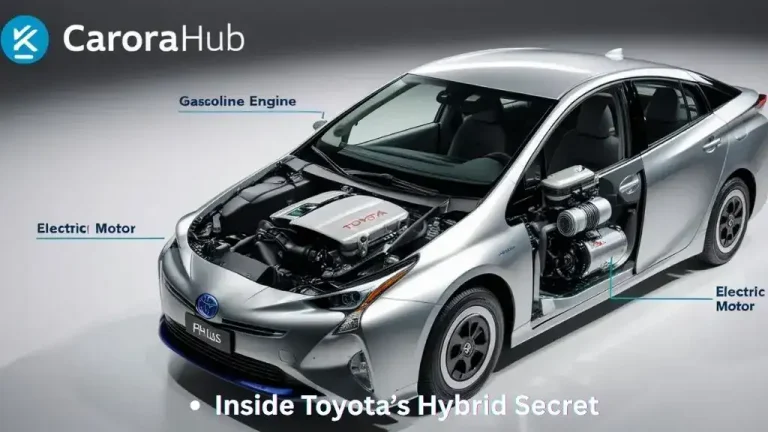
Before you start troubleshooting, it helps to understand how the electrical system in the Prius works. The Prius has two main batteries:
- The 12-volt battery (powers accessories and starts the car)
- The hybrid battery (high-voltage, powers the electric motor)
Besides these, the Prius uses many electronic modules, sensors, and wiring to control everything from headlights to the hybrid drive. Problems can happen anywhere in these systems, and symptoms can overlap.
Key Components
- 12-volt battery: Powers lights, radio, locks, and starts the computer systems.
- Hybrid battery: Runs the electric motor and stores energy during braking.
- Inverter: Converts DC power from batteries to AC for the motor.
- ECU (Electronic Control Unit): Manages electrical signals and hybrid functions.
- Wiring harnesses: Connect all electrical components.
- Relays and fuses: Protect circuits from overloads.
Why Electrical Issues Are Tricky
The Prius mixes traditional and hybrid technology. A problem in one part (like the 12-volt battery) can cause trouble in another (like the hybrid system). Sometimes, a simple blown fuse can mimic a major failure. That’s why a careful approach is important.
Common Symptoms Of Electrical Problems
Recognizing the signs early can help you avoid bigger repairs. Here are some symptoms to look for:
- Dashboard warning lights: “Check Engine,” hybrid system, battery, or other alerts.
- Car won’t start: Silence or clicking sound when you turn the key.
- Dim or flickering lights: Interior or exterior lights don’t work properly.
- Unresponsive electronics: Power windows, locks, or radio stop working.
- Strange noises: Buzzing or clicking from under the hood.
- Erratic behavior: Car stalls, loses power, or switches off suddenly.
A single symptom might have several causes. For example, a dead 12-volt battery can make the Prius look like it has a hybrid problem.
Read More: How to Maximize Electric Driving Range in a Toyota Prius
Tools You Need For Troubleshooting
You don’t need an expert’s toolbox, but a few key items help a lot:
- Digital multimeter: Measures voltage and resistance.
- OBD-II scanner: Reads error codes from the car’s computer.
- Insulated gloves: Protects against electric shock.
- Socket and screwdriver set: For removing panels and battery terminals.
- Flashlight: Useful for seeing under the hood.
Having these tools ready can make diagnosis faster and safer.
Step-by-step Troubleshooting Guide
Let’s walk through the process for diagnosing electrical issues. Follow these steps in order to avoid missing anything.
1. Visual Inspection
Start simple. Look for obvious signs:
- Loose or corroded battery terminals
- Damaged wires or connectors
- Blown fuses in the fuse box
- Water or dirt in electrical components
If you find corrosion, clean the terminals with a wire brush. Replace any visibly damaged parts.
2. Checking The 12-volt Battery
The 12-volt battery is a frequent culprit. It’s smaller than in regular cars and can fail early.
- Use a multimeter to check voltage. With the car off, it should read 12.4–12.7 volts.
- If it’s below 12 volts, recharge or replace the battery.
- Check for “phantom drain”—electronics staying on and draining power.
Typical Battery Lifespan
Most Prius 12-volt batteries last 4–6 years. If yours is older, it’s likely time for a change.
3. Checking The Hybrid Battery
Hybrid battery issues are less common but more serious. Signs include:
- Warning lights for the hybrid system
- Poor acceleration
- Car switching to gas engine often
Hybrid battery diagnostics require special tools. If you suspect a problem, use an OBD-II scanner to check for codes like P0A80 (“Replace Hybrid Battery”).
4. Using An Obd-ii Scanner
Plug the scanner into the port under the dashboard. Read any error codes and look them up. Codes like P3000 or P0AFA indicate hybrid system faults.
Some scanners show “live data”—you can watch battery voltage, current, and ECU signals.
5. Inspecting Fuses And Relays
A blown fuse or faulty relay can shut down entire systems.
- Locate the fuse box under the hood and inside the cabin.
- Use the multimeter or a fuse tester to check each fuse.
- Replace any blown fuses with the same rating.
Relays can be harder to test. If you suspect a relay, swap it with another of the same type.
6. Checking Ground Connections
Bad ground connections cause strange electrical behavior. Look for:
- Rust or corrosion where wires meet the car body
- Loose bolts
Clean and tighten connections. Sometimes, adding a new ground wire solves mysterious problems.
7. Inspecting The Inverter
The inverter converts battery power for the motor. If it fails, you’ll see warning lights and the car may not drive.
- Listen for cooling fan noise—if the inverter overheats, it shuts down.
- Check coolant level in the inverter reservoir.
If you see coolant leaks or hear odd noises, get professional help.
8. Testing Accessories
If only one item (like the radio) fails, test it directly:
- Check its fuse
- See if power is reaching the connector
- Swap with another unit if possible
9. Checking For Software Updates
Sometimes, electrical glitches come from outdated software. Toyota releases updates for Prius ECUs.
Visit a dealer or check online for recalls and updates.
Prius Generations: Electrical Issues Comparison
The Prius has evolved over the years. Here’s how electrical issues differ by model:
| Generation | Years | Common Electrical Issues |
|---|---|---|
| Gen 1 | 1997–2003 | Hybrid battery failure, inverter overheating, wiring corrosion |
| Gen 2 | 2004–2009 | 12-volt battery drain, dashboard lights, inverter coolant leaks |
| Gen 3 | 2010–2015 | ECU glitches, hybrid battery degradation, smart key issues |
| Gen 4 | 2016–present | Sensor failures, infotainment problems, fewer battery issues |
Older models are more likely to face battery and wiring problems. Newer models have more advanced electronics but fewer major battery failures.
Common Causes Of Electrical Failure
Electrical issues can come from many sources. Here are the main ones:
- Battery age: Both the 12-volt and hybrid batteries degrade over time.
- Heat and moisture: High temperatures and water cause corrosion and short circuits.
- Faulty alternator/inverter: These parts charge batteries and power electronics.
- Software glitches: Outdated ECU software leads to strange symptoms.
- Damaged wiring: Rodents, accidents, or vibrations can break wires.
- Overloaded circuits: Adding aftermarket electronics can blow fuses.
Some problems are preventable. Keeping the car clean, fixing leaks, and avoiding cheap aftermarket parts help reduce risk.
Diagnosing Hybrid Battery Issues
The hybrid battery is expensive and complex. Here’s how to spot trouble:
Signs Of Hybrid Battery Failure
- Rapid battery charge/discharge shown on display
- Car doesn’t stay in EV mode
- Warning lights: “Hybrid System,” “Check Engine”
- Codes like P0A80 or P3000 with OBD-II scanner
Testing Hybrid Battery Health
Most Prius owners can’t test every cell, but you can:
- Use an OBD-II scanner to read battery module voltages.
- Look for large differences between modules (over 0.3 volts is bad).
- Check battery cooling fan for dust—overheating accelerates failure.
What To Do Next
If you confirm hybrid battery failure:
- Check warranty—Prius batteries often have 8–10 years or 100,000–150,000 miles coverage.
- Consider reconditioning (refreshing cells) as a temporary fix.
- Replacement costs range from $1,500–$3,000 (used or new).
Don’t ignore battery warnings. Driving with a failed hybrid battery can damage other parts.
Diagnosing 12-volt Battery Issues
The 12-volt battery is smaller than in regular cars. It’s easy to overlook but causes many headaches.
Signs Of 12-volt Battery Failure
- Car won’t start, or starts then stalls
- Flickering lights, weak horn
- “Red triangle” warning light
- Loss of keyless entry or power locks
Testing And Replacing
- Use a multimeter to check voltage (should be 12.4–12.7V with car off)
- If voltage is low, recharge or replace
- Don’t jump-start with the hybrid battery—use external jump leads
Battery Types Comparison
Prius batteries come in AGM (Absorbed Glass Mat) and flooded lead-acid types. AGM is preferred.
| Type | Pros | Cons |
|---|---|---|
| AGM | Longer life, spill-proof, better for hybrid | More expensive |
| Flooded | Cheaper | Shorter life, risk of leaks |
AGM batteries resist vibration and heat better, making them ideal for the Prius.
Ecu And Software Glitches
The Prius relies on many ECUs (computers) for everything from battery management to climate control. Software bugs can cause electrical symptoms.
Signs Of Ecu Problems
- Random warning lights
- Unexpected behavior (windows roll down, radio resets)
- Hybrid system errors without battery faults
Diagnosing
- Use OBD-II scanner to check for ECU-specific codes
- Search for recalls or software updates
Fixes
- Reset the ECU by disconnecting the 12-volt battery for 10 minutes
- Visit a dealer for updates
- Replace faulty ECUs if needed
Fuse And Relay Problems
Fuses and relays are simple but critical. A single blown fuse can stop your car.
Symptoms
- Specific systems (lights, radio, locks) stop working
- No power to accessory circuits
- Car won’t start, but battery is good
Testing And Replacing
- Use a fuse tester or multimeter
- Always replace with the same amperage
- Keep spare fuses in your glove box
Wiring Problems
Wiring issues are harder to spot but can cause big headaches.
Signs
- Intermittent power loss
- Short circuits
- Burning smell
Causes
- Rodents chewing wires
- Water leaks
- Accident damage
Solutions
- Inspect wiring harnesses for damage
- Repair or replace broken wires
- Use protective tape or covers to prevent rodent damage
Inverter And Charging System Issues
The inverter is a key part of the hybrid system. It controls power flow and charges the batteries.
Symptoms
- Hybrid system warning lights
- Car won’t drive in EV mode
- No charging of hybrid battery
Testing
- Listen for inverter cooling fan
- Check inverter coolant level
- Use OBD-II scanner for codes like P0A94 (“Inverter performance”)
Solutions
- Refill coolant if low
- Repair leaks
- Replace inverter if faulty
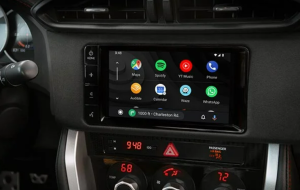
Accessory And Infotainment Failures
Sometimes only the radio, navigation, or lights fail.
Symptoms
- Black screen, no sound
- Touchscreen freezes
- Lights or power windows stop working
Causes
- Fuse or relay failure
- Software bugs
- Wiring issues
Fixes
- Check fuses first
- Reset infotainment system (often by holding power button)
- Update software if available
Preventing Electrical Problems
Many Prius owners face preventable electrical issues. Here’s how to avoid trouble:
- Regular battery checks: Test 12-volt battery yearly.
- Clean terminals: Remove corrosion every oil change.
- Keep car dry: Fix leaks, avoid flooding.
- Update software: Check for Toyota recalls and updates.
- Avoid cheap aftermarket parts: They can overload circuits.
- Protect wiring: Use rodent-proof tape if parked outdoors.
- Monitor warning lights: Don’t ignore alerts.
Small habits can prevent big repairs.
Credit: www.darcarstoyotaoffrederick.com
Diy Vs Professional Repair
Some electrical issues you can fix yourself, others need a pro.
Diy Fixes
- Replacing 12-volt battery
- Swapping fuses
- Cleaning terminals
- Basic OBD-II scanning
Professional Help Needed
- Hybrid battery testing/replacement
- Inverter repairs
- ECU software updates
- Deep wiring repairs
If you’re unsure, don’t risk damaging the hybrid system. Toyota dealers and hybrid specialists have the right tools and training.
Cost Of Electrical Repairs
Repair costs can vary. Here’s a rough guide:
| Repair | Estimated Cost | DIY Possible? |
|---|---|---|
| 12-volt battery replacement | $200–$350 | Yes |
| Hybrid battery replacement | $1,500–$3,000 | No |
| Fuse/relay replacement | $10–$50 | Yes |
| ECU/software updates | $100–$300 | No |
| Wiring repair | $150–$500 | Sometimes |
| Inverter repair/replacement | $1,000–$2,500 | No |
Hybrid battery and inverter repairs are the most expensive. Regular battery and fuse swaps are much cheaper.
Real-world Examples
Let’s look at a few real cases:
- Prius won’t start, all dash lights on: Owner found 12-volt battery was dead. Replacing it fixed the problem.
- Hybrid warning light, car stalls: OBD-II code showed inverter coolant leak. Replacing a hose solved it.
- Flickering headlights: Owner discovered a blown fuse from aftermarket stereo. Replacing the fuse and removing the stereo fixed the issue.
- Loss of power windows: Rodent damage to wiring harness. Repairing wires restored function.
Most electrical issues have a simple cause, but sometimes it takes careful testing to find the real problem.
Non-obvious Insights For Beginners
- Hybrid battery symptoms can mimic other issues. Sometimes a failing 12-volt battery triggers hybrid warning lights, even though the hybrid battery is fine.
- ECU resets fix more than you think. Disconnecting the 12-volt battery for a few minutes can clear random electrical glitches, but you’ll lose radio presets and clock settings.
- Fuse ratings matter. Using a higher-amp fuse than recommended can cause fires or damage parts. Always match the original rating.
- Rodent damage is common. Prius wiring uses soy-based insulation, which attracts rodents. Check wires if you park outdoors.
- Coolant matters for the inverter. Low inverter coolant can cause overheating and shut down the hybrid system. It’s often overlooked.
When To Visit A Dealer
If you find:
- Hybrid battery codes
- Inverter failure
- Software glitches that a reset won’t fix
- Deep wiring damage
A dealer or hybrid specialist is best. They have access to Toyota software, parts, and training.
For recalls and official information, check the Toyota recall website.
FAQs About Troubleshoot Toyota Prius Electrical Issues
How Do I Know If My Prius Has A Hybrid Battery Problem Or Just A 12-volt Battery Issue?
Both batteries affect the car’s startup and electronics. If the car won’t start or dash lights flicker, test the 12-volt battery first. If you see hybrid system warnings while driving or codes like P0A80, it’s likely a hybrid battery issue.
Can I Jump-start A Prius With A Dead 12-volt Battery?
Yes, you can jump-start the Prius using the jump points under the hood. Never jump from the hybrid battery. Use proper cables and follow the manual to avoid damaging sensitive electronics.
What Are The Signs Of A Blown Fuse In My Prius?
If a single system (like the radio or lights) stops working, but the rest of the car is fine, check the fuse box. Blown fuses are easy to replace but must match the original rating.
How Often Should I Check Or Replace The 12-volt Battery?
Test the battery once a year, especially if it’s more than 4 years old. Replace it if voltage drops below 12 volts or if the car has trouble starting.
Are Prius Electrical Issues Expensive To Fix?
Some fixes (like battery or inverter replacement) are costly, but many issues (fuses, relays, basic wiring) are cheap and can be done yourself. Preventive care and early diagnosis help keep costs low.
Troubleshooting Toyota Prius electrical issues can feel overwhelming, but most problems start with simple causes. By following a clear process visual checks, battery testing, fuse inspection, and scanner diagnostics you can find and fix many issues yourself. Remember, the Prius is a mix of hybrid and traditional systems, so symptoms can overlap. When in doubt, consult a professional. With the right knowledge and habits, your Prius will stay reliable and efficient for years to come.

I am Julian Drive, an automotive enthusiast and repair expert with over 7 years of hands-on experience in vehicle maintenance. At Carora Hub, I simplify complex car issues into easy-to-follow DIY guides to help drivers stay safe and save on repair costs.