Are you looking to get the most out of your Toyota Prius’s electric driving mode? Imagine driving longer distances on electric power alone, saving money on fuel, and reducing your carbon footprint.
I’ve spent years tuning my driving style and Prius settings to squeeze more electric miles out of every charge. With a few practical changes, you can get noticeably better EV-range, cut fuel costs, and enjoy a quieter, greener ride.
Below I share clear, usable tips I actually use. Read on to learn how to maximize your Prius’s electric driving range today.
Credit: greentecauto.com
Optimize Driving Habits
Small changes in how you drive will often give the biggest gains in electric range. I focus on calm, predictable inputs to the accelerator and brakes. That keeps the hybrid system in its sweet spot and helps the battery do more of the work.
Smooth Acceleration And Braking
Avoid sudden starts and hard stops. I press the accelerator gently and plan my moves early. That reduces energy spikes and keeps the electric motor feeding power efficiently. Smooth braking also increases regenerative braking capture, which returns energy to the battery instead of wasting it as heat.
How I practice smoother driving
I look further down the road and use light, progressive throttle. On approach to a stop, I ease off early and let regen do more work. This simple habit adds measurable electric miles each week.
Maintain Consistent Speeds
Frequent speed changes use more power. On longer runs, I use cruise control when traffic allows. It holds a steady speed, reduces surges, and improves EV efficiency. On city trips I aim to keep pace steady and avoid unnecessary lane changes that force accelerations.
Use Regenerative Braking Effectively
Regenerative braking recovers energy when you slow down. Light, controlled braking increases the amount returned to the battery. Avoid extended coasting with the engine off; you lose the chance to capture that energy. Instead, plan deceleration so the regen system can do its job.
Tip: Brake in stages
If you want more recovery, ease off the accelerator sooner and let the car slow using regenerative braking before applying the friction brakes. This is especially useful on long downhill stretches or when approaching traffic lights.
Manage Climate Controls
Climate systems draw notable electric power. I manage temperature settings to balance comfort and range. Where possible, I use lower-power options like fans or seat heaters so more energy goes to driving.
Minimize Air Conditioning Use
Air conditioning is a heavy electrical load. Use it only when needed. At low speeds I open a window briefly to cool the cabin. On highways, windows cause drag so I prefer the fan or mild A/C settings. When I do use A/C, I aim for moderate settings rather than full blast.
Use Seat Heaters Instead Of Cabin Heat
Seat heaters focus warmth where you sit and use much less energy than heating the full cabin. In cool weather I switch on the seat heaters and keep the cabin temperature lower. It’s one of my favorite efficiency tricks.
Precondition The Vehicle While Plugged In
When you can plug in overnight or at work, preconditioning is a game changer. Heat or cool the cabin while the car charges. The grid provides that energy, so you start your trip comfortable and with a full battery. Use your app or car settings to schedule preconditioning.
Cold Weather: a quick note
Cold temps reduce battery efficiency and cabin heating pulls extra power. I preheat while plugged in and park in a garage when possible. Use seat heaters, keep trips combined, and avoid high-speed driving in very cold weather to limit range loss.
Maintain Vehicle Health
A well-maintained Prius runs cleaner and uses energy smarter. I check a few things regularly to protect battery life and to maximize electric-range performance.
Routine care keeps the hybrid system healthy. You’ll get steadier EV performance and fewer surprises on the road.
Keep Tires Properly Inflated
Check tire pressure at least once a month. Low pressure raises rolling resistance and cuts efficiency. I keep pressures at Toyota’s recommended PSI for the best balance of grip and range. Proper inflation improves safety and electric driving distance.
Regular Battery And Engine Checkups
Schedule hybrid battery and engine inspections. Technicians can spot early signs of wear or electrical issues. A weak hybrid battery reduces EV-only time. Regular engine checks also help the fuel system run efficiently when it’s needed.
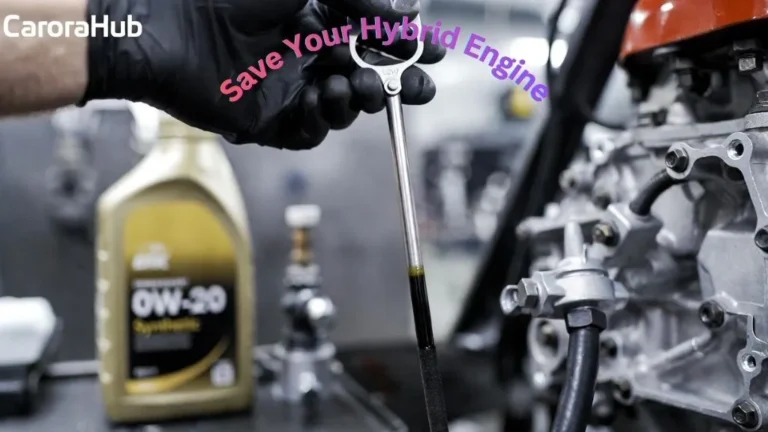
Use Recommended Motor Oil
Use the motor oil spec Toyota recommends. Correct oil reduces friction and helps the engine run efficiently. Follow the oil-change schedule in your manual. Clean oil supports smoother operation and better fuel economy.
Battery basics and BMS (Battery Management System)
Your Prius uses a battery management system to protect battery health. I keep software updates current and avoid deep, repeated full discharges. If you drive a Prius Prime (plug-in hybrid), follow charging best practices to keep the battery balanced. If you notice sudden range drops, get a diagnostic check early.
Simple tools I use
I keep a tire gauge and a small OBD2 Bluetooth adapter in the glovebox. The adapter feeds data to apps that show battery state, power flow, and real-time consumption. These tools make it easy to spot issues before they hurt range.
Plan Efficient Routes
Smart route choices save energy. I plan to avoid heavy traffic and steep climbs when I want to maximize EV driving. Short detours that keep traffic flowing are often better than a “shorter” route with stop-and-go congestion.
Avoid Heavy Traffic And Hills
Stop-and-go traffic wastes energy through repeated acceleration. Hills require more power to climb. I pick routes with smoother traffic and gentler grades when I’m trying to stay in EV mode longer.
Use Navigation For Eco-friendly Routes
Many navigation apps now offer eco-routing that favors steady speeds and fewer stops. Set your app to eco-mode or look for energy-saving route options. Following these routes often increases EV-only miles without much extra time.
Combine Trips To Reduce Driving Distance
Group errands into one outing. Fewer separate trips means less total driving and better battery use. Warm engines and batteries are more efficient, so combining errands in a single, planned loop often yields better MPG and EV range.
Reduce Vehicle Load
Every extra pound uses more energy. I remove unnecessary cargo and avoid permanent roof racks to keep the car light and aerodynamic.
Remove Unnecessary Cargo
Clear the trunk and back seat of items you don’t need. Even small loads add up. I keep the car tidy and only carry what’s needed for a trip. That reduces work for the motor and extends range.
Limit Roof Rack Use
Roof racks increase wind resistance and drag. If you don’t need them, remove them. I take mine off after trips to avoid the constant aerodynamic penalty. The saved energy is noticeable on highway runs.
Travel Light To Improve Efficiency
Pack only essentials. Heavy luggage and gear slow acceleration and increase energy use. Travel light when you want the best electric range.
Bulky items and storage tips
If you must carry heavy items, place them low and close to the vehicle center. This keeps handling stable and avoids additional drag. For occasional cargo, consider a detachable cargo box you only install when needed.
Utilize Eco Mode And Features
Using Eco mode and the Prius’s energy displays is a fast way to change how the car uses power. I rely on these features to keep electric use high and fuel use low.
Eco mode changes throttle mapping and limits HVAC power. The energy display shows you real-time power flow so you can learn which habits cost the most energy. EV mode allows short electric-only drives—use it carefully for best results.
Activate Eco Driving Mode
Press the Eco button on the dash to enable Eco mode. It smooths throttle response and reduces HVAC load. You’ll notice less pep, but that trade-off helps save fuel and electric power. I leave Eco on for most city and mixed driving.
Monitor Energy Consumption Display
Watch the energy screen often. It shows electric vs. fuel use, regen, and power flow. I use it to catch inefficient habits—like heavy acceleration or full-A/C—so I can correct them in real time. Over time this feedback trains you to drive more efficiently.
Leverage Ev Mode Strategically
Use EV mode for short, low-speed trips like neighborhood runs or parking-lot errands. EV mode runs only on electric power. It’s not ideal for high speeds or long distances because the battery can drain quickly. I switch to EV mode for brief trips and save hybrid mode for longer drives.
When to switch modes
If you plan many short stops or slow-speed driving, prioritize EV mode. For mixed-speed highway trips, use Eco mode or normal hybrid mode so the gasoline engine and battery work together efficiently.

Credit: greenbeanbattery.com
Frequently Asked Questions
How Can I Increase My Prius Electric Driving Range?
Drive smoothly and avoid rapid acceleration. Use Eco mode and monitor the energy display. Keep tires properly inflated and remove extra weight. Plan routes to reduce stops and avoid high-speed stretches. I also recommend preconditioning while plugged in to keep climate energy off the battery.
Does Climate Control Affect Prius Electric Range?
Yes. Running A/C or cabin heat draws electric power and reduces EV-only range. Use A/C sparingly, rely on seat heaters when possible, and precondition the car while it’s charging. Those steps reduce battery load and preserve electric miles.
Is Regenerative Braking Important For Electric Range?
Absolutely. Regenerative braking recovers kinetic energy when you slow down and stores it in the battery. Practice gentle, staged braking to maximize recovery. Over time, effective regen use can noticeably extend your EV driving distance.
How Does Tire Pressure Impact Electric Driving Range?
Low tire pressure increases rolling resistance and reduces efficiency. Properly inflated tires improve mileage and electric range. I check pressures monthly and adjust to the PSI recommended in the owner’s manual for the best balance of comfort and efficiency.
Can software or resets help?
Occasionally, software updates from Toyota improve hybrid management and efficiency. If you notice odd behavior or declining range, a dealer check can include software updates and hybrid-system diagnostics. Keep service records and ask about updates during regular maintenance.
Bottom Line
Maximizing your Toyota Prius electric range saves fuel and money. Drive smoothly and avoid quick acceleration. Keep tires properly inflated. Use Eco mode and the car’s energy display to guide your habits. Plan routes with less traffic and fewer stops, and precondition while plugged in to avoid using battery power for climate control.
Small, consistent habits add up. Follow these tips, and you’ll see longer electric drives, lower fuel bills, and a greener commute. I use most of these every day—give them a try and you’ll notice the difference quickly.

Hello, I’m Norman. I work as a car researcher. I am the voice behind CaroraHub. I have over 15 years of experience. I give simple and useful car advice. I help with car care, cleaning, and small repairs. My goal is to help you keep your car healthy. I want car care to be easy and cheap for you. You can trust my tips to keep your car working well for a long time.