Is your Toyota Sienna’s heater failing to blow hot air when you need it most? Feeling cold inside your car can turn any drive into an uncomfortable experience.
You rely on your heater to keep you warm and cozy, especially during chilly mornings or winter trips. If your heater isn’t working right, it’s frustrating—and you want a quick fix. Below I share the most common reasons a Toyota Sienna heater blows cold air, how I diagnose these problems, and clear, practical steps to get warm air flowing again.
Read on to stay comfortable on every drive. I’ll keep the steps simple and hands-on so you can decide what to try yourself and what to leave to a pro.
Credit: carspecmn.com
Common Causes
Low coolant levels can stop your heater from warming air. Coolant carries engine heat to the heater core. If the coolant is low, there is less heat to blow into the cabin. Look for leaks under the car, damp carpet, or a low overflow tank.
A faulty thermostat can keep the engine running too cool. If the thermostat is stuck open, the engine never reaches normal operating temperature. The heater core stays cool too, so vents deliver cold air even when the fan runs.
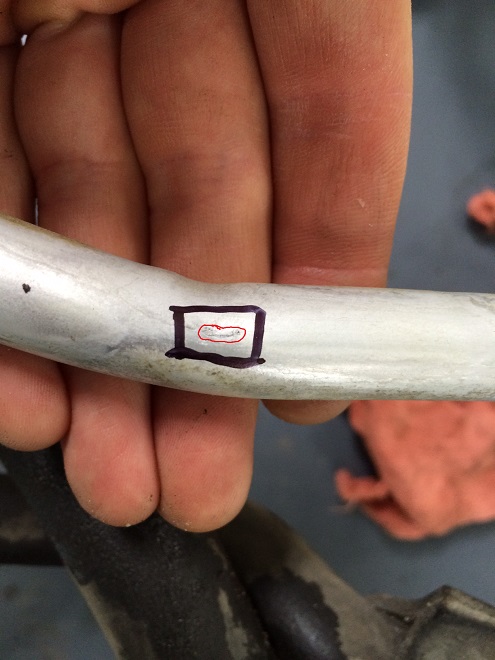
Heater core issues such as clogs, corrosion, or leaks block hot coolant flow. The heater core is like a small radiator inside the dash. If it’s blocked, warm coolant can’t transfer heat to the air that reaches the cabin.
Blower motor problems can mean no air at all. If the motor, blower resistor, or related fuses fail, the fan won’t push air through vents. You might hear no noise or an unusual grinding or squeal from the dash area.
A blend door malfunction (or a broken blend door actuator) can mix air wrong. The blend door controls whether the air is routed over the heater core. If it’s stuck or the actuator is bad, only cold air may come out even with the dial on hot.
Related parts that often get overlooked
- Heater hoses and clamps — cracked hoses or loose clamps can leak coolant or block flow.
- Heater control valve — when faulty, it can stop hot coolant from reaching the heater core.
- Cabin air filter — a clogged filter lowers airflow and can make the heater seem weak. See how to replace the cabin air filter.
- HVAC electricals — fuses, relays, and wiring faults can disrupt controls and actuators.
Diagnosing The Problem
Start with quick checks. These tests are fast and tell you a lot. I use them before I decide if I need tools or a shop visit.
Step 1 — Check coolant level and condition
With the engine cold, check the coolant in the overflow tank and radiator. Low levels or dirty, rusty fluid are red flags. Top up with the correct type if low. Use the link in the Simple Fixes section to confirm the right coolant for a Toyota Sienna.
Step 2 — Warm the engine and feel the heater hoses
Run the car to normal temperature. Carefully feel both heater hoses that go to the firewall. They should both be hot. If one is hot and the other is cool, the heater core may be clogged or the flow is restricted.
Step 3 — Watch temperature gauge and test the thermostat
If the engine temperature stays low, the thermostat may be stuck open. A functional thermostat lets the engine reach normal temperature quickly. If it never reaches that range, the heater cannot warm the interior well.
Step 4 — Inspect for leaks and damp carpet
Check under the dash and on the passenger floor for wetness or coolant smell. A leaking heater core often shows as damp carpet or sweet odor inside the cabin.
Step 5 — Test the blower motor and controls
Turn the fan through all speeds. If the fan works only on high, the blower resistor is often the issue. No fan at any speed may mean a bad motor, fuse, or relay. Listen for clicking (blend door actuator) or bearing noise (blower motor).
Step 6 — Check blend door operation
Cycle through temperature settings and listen under the dash for movement or clicking. Many blend door actuators fail slowly. If the air temperature doesn’t change or you hear repetitive clicking, the actuator may be failing or the blend door is stuck.
If you want step-by-step tests or a wiring check, I can share a simple checklist and tools you’ll need.
Simple Fixes
Here are practical fixes I commonly use. I list estimated effort and whether they are DIY-friendly.
Refilling coolant (DIY-friendly)
Refill the coolant if low. Low coolant reduces heat transfer. Always use the correct type of coolant for Toyota Sienna. Bleed the cooling system so trapped air does not block flow. This step often restores heat when the only problem is low fluid.
Replacing the thermostat (moderate DIY)
A new thermostat fixes engines that run cold. Replacing it usually takes about an hour. It’s a common cause of weak cabin heat. Replace gasket and use the right part number for your Sienna model year.
Flushing the heater core (moderate to advanced)
Flushing removes rust and scale. I flush the heater core when one heater hose is hot and the other is cool. Use a garden hose or a kit designed for heater cores. If a flush fails or the core leaks, replacement is needed.
Fixing the blower motor or resistor (DIY to pro)
Replace the blower motor if it’s noisy or not spinning. If the fan works only on high, the resistor pack often needs replacing. These parts are accessible on many Sienna years, but check your model for the exact location.
Repairing the blend door or actuator (often pro)
Blend door actuators and access to the blend door may be behind the dash. Replacing the actuator is an affordable fix, but accessing the door can be labor-intensive. If you hear clicking or the temperature won’t change, the actuator is a likely culprit.
Quick symptom fixes and costs (approx.)
- Coolant top-up: low cost, 10–30 minutes.
- Thermostat replacement: $20–80 parts, ~1 hour labor DIY + pro rates vary.
- Heater core flush: low cost for DIY kit, 30–60 minutes; replacement: $200–600+ depending on labor.
- Blower motor/resistor replacement: $50–300 total depending on parts and labor.
- Blend door actuator: $30–150 part; labor can be high if dash removal is required.
When To Seek Professional Help
Some repairs need special tools, experience, or time. Here are situations where I recommend a shop visit.
Hidden parts and dash removal
Heater cores and some blend doors sit deep under the dash. Removing the dash takes time and skill. Shops have the tools and experience to do this cleanly.
Warranty or dealer service
If your Sienna is under warranty, get a dealer diagnosis first. DIY attempts can risk voiding coverage. Dealers document repairs and can apply warranty parts and labor when applicable.
Electrical diagnostics
Complex HVAC electrical faults, intermittent blower operation, or wiring issues are worth a professional diagnosis. Shops use test scanners and wiring diagrams to find tough faults quickly.
Preventive Maintenance Tips
Good maintenance keeps the heater reliable. These checks are quick and save headaches later.
- Check coolant level every oil change. Low coolant causes weak heat and can damage the heater core and engine.
- Change coolant on schedule. Old coolant gets acidic and corrodes the heater core and radiator.
- Replace the thermostat when it shows signs of sticking. It’s inexpensive insurance for heater performance.
- Keep the heater core clean. If you see poor heat or smell coolant, inspect and flush the core if needed.
- Test the blower motor and replace bearings or the resistor at early signs of trouble to avoid complete failure in cold weather.
- Check the blend door if temperature control feels inconsistent. Early actuator replacement prevents bigger dash work later.

Credit: www.youtube.com
Frequently Asked Questions
Why Is My Toyota Sienna Heater Not Blowing Hot Air?
The heater may lack hot air because of low coolant, a stuck thermostat, a clogged or leaking heater core, or a broken blend door actuator. Electrical issues like a bad blower motor, resistor, or blown fuse can also stop warm air from reaching the cabin.
How Do I Fix A Heater Not Blowing Hot Air In Toyota Sienna?
Start by checking coolant and topping up if low. Replace the thermostat if the engine runs cool. Flush or replace the heater core if it’s clogged or leaking. Repair or replace the blend door actuator and fix blower motor or resistor faults to restore airflow.
Can A Bad Thermostat Cause No Hot Air In Toyota Sienna?
Yes. A thermostat stuck open keeps the engine too cool. That prevents hot coolant from reaching the heater core, so the cabin will stay cold even with the fan on.
Does Low Coolant Affect Toyota Sienna Heater Performance?
Yes. Low coolant reduces heat transfer to the heater core. Regularly check coolant levels and top up with the correct type to avoid heater problems and possible engine damage.
Bottom Line
A heater that won’t blow hot air makes winter driving miserable. Start with simple checks: coolant level, heater hoses, and blower operation. These steps often reveal the issue fast. Small fixes like topping off coolant or replacing a thermostat restore heat quickly and cheaply.
For leaks, clogged heater cores, or complex HVAC electrical or dash work, seek professional help. Regular maintenance—coolant changes, occasional heater core checks, and listening for early signs like clicking or weak airflow—keeps your Toyota Sienna warm and comfortable.
Don’t ignore warning signs. A little diagnosis today can save time and money tomorrow. If you want, I can walk you through step-by-step tests specific to your Sienna model year and share a simple parts list and tool list to get started.

Hello, I’m Norman. I work as a car researcher. I am the voice behind CaroraHub. I have over 15 years of experience. I give simple and useful car advice. I help with car care, cleaning, and small repairs. My goal is to help you keep your car healthy. I want car care to be easy and cheap for you. You can trust my tips to keep your car working well for a long time.