
Is your Toyota Prius combination meter acting up? Maybe the gauges flicker, the lights go dark, or the display shows strange readings.
You might feel stuck and unsure about what to do next. I’ve been there — and I want to show you a clear, practical path forward. This guide walks you step-by-step through diagnosing and repairing a Prius combination meter (instrument cluster). You’ll learn what tools to use, how to open the cluster safely, common faults and fixes, and how to test the repair before you reassemble the dash.
You don’t always need a costly mechanic. With basic tools, a little patience, and the right checks, you can fix many common issues at home. Keep reading and take charge of your Prius dashboard repair today.
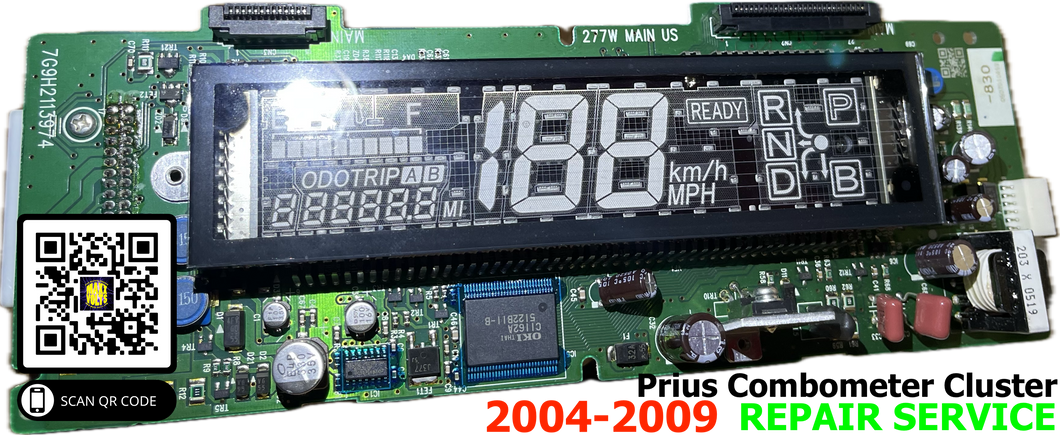
Credit: www.maxx-volts.com
Tools Needed For Repair
Before you start, gather the right tools. Good preparation saves time and stops mistakes. I always lay everything out on a mat so nothing gets lost. Below are the must-haves and helpful extras for Prius combination meter repair.
Basic Hand Tools
Bring a set of Phillips and flathead screwdrivers. Include small precision drivers for circuit-board screws. A small socket set (4–10 mm) handles bolts on the dash. Use a magnetic parts tray or containers for screws.
I once stripped a screw head because I used the wrong driver. Don’t do that. Match driver size and keep steady pressure.
Plastic Pry Tools
Plastic trim tools help remove the dash bezels and clips without scratching the plastic. Metal pry bars are stronger but risk damage. Use soft plastic picks and wedges to release panels gently.
Work slowly around clips. If a clip resists, find the hidden screw instead of forcing the panel.
Multimeter
A digital multimeter is essential. Use it to check power, ground, and continuity. It helps confirm if the meter is getting steady 12V and if a fuse or connector is the problem.
If you don’t own one, borrow or buy a basic model. It will pay for itself on many car repairs.
Replacement Parts And Cleaning Supplies
Have likely replacement parts ready: replacement combination meter (cluster), LED bulbs (if your model uses them), replacement connectors, and small electronic parts if you plan to solder. Keep electronic contact cleaner, isopropyl alcohol (90%+), and microfiber cloths for cleaning contacts and lens.
Read More: How to Fix Toyota Prius That Won’t Start
Cleaning a dirty connector or oxidized contact often fixes display dimming or intermittent signals. I’ve revived clusters just by cleaning contacts and reseating connectors.
Model Years, Parts Compatibility, and Notes
Prius combination meters vary by model year (e.g., Gen 2: 2004–2009, Gen 3: 2010–2015, Gen 4: 2016+). Check your vehicle’s year when ordering parts or replacement clusters. Ignore generic clusters — match part numbers where possible to avoid CAN-bus and mileage mismatch issues.
Removing The Combination Meter
Removing the combo meter is the first step for most repairs. It shows speed, fuel level, hybrid battery info, and warning lights. With care, you can remove it without damage. Here are the steps I use each time.
Preparing Your Work Area
Park on level ground, turn off the vehicle, and remove the key. Disconnect the negative battery terminal to avoid short circuits. Lay a soft towel on your workspace for the meter to rest on. Keep a notebook or phone camera handy to record connector positions and screw locations.
Removing The Dashboard Trim
Use plastic pry tools to pop off the trim around the combination meter. Work evenly around the edges to avoid cracked clips. Remove visible screws holding the bezel in place. Store screws in labeled containers.
Disconnecting The Combination Meter
Reach behind the cluster and locate connectors. Press the release tabs and pull straight out. Never pull on wires. If a connector is tight, press the tab fully and wiggle gently. Take photos so you can reconnect everything in the right order.
Taking Out The Combination Meter
Remove the screws or bolts securing the meter to the dash. Hold the cluster firmly while pulling it out. Place it on a soft, static-free surface. Avoid touching exposed circuit traces or solder joints.
Opening The Meter Housing
With the cluster out, you can open the housing and inspect the PCB, connectors, and backlight. Work in a clean, well-lit area. Ground yourself to avoid static damage to electronics.
Gathering Tools And Materials
Get a small screwdriver set, tweezers, a magnifier, plastic picks, and a soft cloth. If you plan to replace LEDs or capacitors, have a soldering iron, solder wick, and flux ready. Keep a container handy for screws and plastic clips.
Removing The Dashboard Trim
Gently remove the outer trim and lens from the cluster. The lens is often held by small tabs or screws. Don’t force the plastic — work a little at a time and keep the lens clean to avoid scratching.
Unscrewing The Meter Housing
Remove all visible screws holding the meter housing together. There may be tiny screws under labels or foam. Keep a systematic layout so you can put parts back in the correct order.
Separating The Housing From The Dashboard
Once screws are out, separate the housing halves carefully. Look for fragile tabs and ribbon cables. If a ribbon cable is attached, release its lock before removing it. Place the housing parts where dust won’t get inside.
Identifying Common Issues
The combination meter displays critical driving data. Problems can cause distraction or hide real safety issues. Below are common faults I see on Prius clusters and how to spot them.
Knowing these signs helps you diagnose the root cause quickly. I list simple checks you can do before replacing parts.
Flickering Or Dim Display
Often caused by loose connectors, poor ground, or failing backlight LEDs. Check the power feed and ground with a multimeter. Clean connector pins and reseat them. If LEDs are dim, they may need replacement or the voltage regulator on the PCB may be flaky.
Speedometer Not Working
Speedometer failure can come from a bad vehicle speed sensor (VSS), broken wiring, or a damaged circuit on the meter board. Use an OBD-II scanner to check for speed-related codes. If the VSS is fine, inspect the cluster’s PCB traces and solder joints around the speedometer driver.
Warning Lights Stay On
Persistent warning lights could be real faults or ghost codes from a failing cluster. Use an OBD-II scanner to read stored fault codes in the ECU and hybrid control module. Clear codes and see if they return. If codes persist without real faults, the cluster electronics may be at fault.
Odometer Not Counting
An odometer that stops incrementing may have broken internal gears (in older mechanical/stepper setups) or a digital counter fault. Replacing the cluster with one that matches VIN and mileage is ideal. Tampering with mileage is illegal — always document repairs and follow local laws.
Fixing The Display And Gauges
The cluster shows speed, fuel, hybrid battery status, and more. Fixing the display and gauges often involves cleaning, replacing LEDs, or fixing solder joints. Below are practical steps and tips I use when repairing a Prius cluster.
Always disconnect the battery before working on electronics. Keep your work area clean and organized to avoid introducing new problems.
First, remove the cluster from the dash and open the housing as described earlier. Work slowly and keep track of connectors and screws. If you take photos during disassembly, reassembly is much easier.
Cleaning And Inspecting The Display
Dust or grime on the internal lens can reduce brightness and clarity. Use a microfiber cloth and electronic-safe cleaner to remove debris. Inspect the PCB for cracked solder joints, burnt components, or bulging capacitors. Use a magnifier to find hairline cracks.
Corrosion on connector pins is common in older cars. Clean with contact cleaner and a small brush. Reseat connectors and test before moving to soldering work.
Replacing Faulty Gauges Or Leds
If a gauge or LED fails, test it with a bench power source or multimeter to confirm. For LEDs, desolder the old part and install a matched replacement. For analog gauges driven by steppers, inspect the stepper motors and flex cables. Replace faulty motors or clean their contacts.
When soldering, use low wattage and good technique to avoid heat damage. Test the circuit before full reassembly. I always bench-test the cluster with battery power and key-on signals to confirm proper function.
Reassembling And Testing The Meter
Put the cluster back together carefully. Make sure the lens is clean and clipped evenly. Reconnect all cables and secure screws in their original spots. Reconnect the battery and turn the ignition to the ON position (do not start the engine) to check all lights, indicators, and displays.
Run a short road test and use an OBD-II scanner to verify no new codes appear. If a single gauge still misbehaves, re-open and re-check solder joints and connectors.
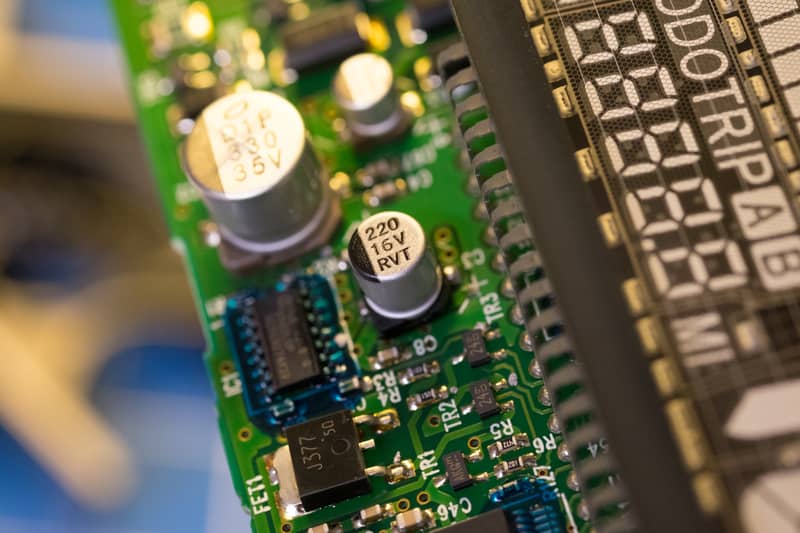
Credit: justinribeiro.com
Reassembling And Testing
Reassembly and testing confirm your repair is solid. Take your time and check each connection. A careful reassembly prevents future trips back to the bench.
Below are practical reassembly tips I use every time I work on a cluster.
Preparing The Components For Reassembly
Clean parts again if needed. Remove fingerprints from the lens and use a blower or brush for dust. Replace any foam pads that have deteriorated. Inspect clips and screw holes to ensure they are intact.
Carefully Reassembling The Combination Meter
Reverse the disassembly steps. Align panels and ribbon cables carefully. Tighten screws to snug, not tight; overtightening can crack plastic. Keep the same order of screws you removed — that helps with panel alignment.
Testing The Combination Meter Functionality
Reconnect the battery and turn the key to ON. Watch the startup self-test (cluster illumination sequence). Confirm each gauge moves and returns to zero. Use an OBD-II scanner and check for ECU or cluster-related trouble codes. A quick drive confirms the speedometer, odometer, and warning-light behavior under real conditions.
Final Adjustments And Troubleshooting
If something still seems off, check for: loose ground wires, intermittent connectors, bad fuses, or software mismatches between clusters. Re-check solder joints under stress points. If needed, compare with a known-good cluster or consult a Toyota dealer for VIN-related settings.
Final Tone
Repairing your Toyota Prius combination meter yourself saves time and money. The steps are clear and doable with basic tools and care. Work slowly, document each step, and test thoroughly before you drive. You will learn a lot and gain confidence for future DIY maintenance.
A working dashboard matters for safety and for peace of mind. Take this guide as a practical plan. If a repair looks beyond your comfort level — especially anything involving hybrid-system wiring or VIN/mileage programming — get a professional involved. Otherwise, enjoy the satisfaction of fixing it yourself.
FAQs About Toyota Prius Combination Meter Repair DIY
What Is A Toyota Prius Combination Meter?
The combination meter is the instrument cluster on the Prius that shows speed, fuel level, hybrid battery state, temperature, and warning lights. It’s connected to the vehicle via several electrical connectors and communicates over the CAN bus with other modules.
How To Diagnose Combination Meter Issues In Prius?
Look for symptoms like flicker, dimming, incorrect readings, or persistent warning lights. Check fuses, power and ground with a multimeter, and read codes with an OBD-II scanner. Inspect connectors and the cluster PCB for visible damage.
Can I Repair Prius Combination Meter Myself?
Yes, many owners can repair common issues like bad connectors, LEDs, or solder joints. Basic tools and an understanding of electronics help. For hybrid-system wiring, VIN/mileage programming, or major electronics faults, consult a pro.
What Tools Are Needed For Combination Meter Repair?
You’ll need screwdrivers, plastic pry tools, a multimeter, contact cleaner, and possibly a soldering iron if you plan component-level repairs. Replacement parts may include LEDs, stepper motors, connectors, and the full cluster if needed.
Additional Resources and When to Seek Professional Help
If you need a replacement cluster or rare parts, check OEM Toyota part dealers or trusted aftermarket vendors. For programming, VIN matching, or hybrid system diagnostics, a specialist or dealer is best. If you see airbag or ABS codes tied to the instrument cluster after repair, stop and get professional diagnostic help — those systems affect safety.’
Final tip: take photos while you disassemble. They are priceless when you reassemble the dash.

Hello, I’m Norman. I work as a car researcher. I am the voice behind CaroraHub. I have over 15 years of experience. I give simple and useful car advice. I help with car care, cleaning, and small repairs. My goal is to help you keep your car healthy. I want car care to be easy and cheap for you. You can trust my tips to keep your car working well for a long time.