Choosing between a toyota prius eco mode vs normal mode is simple because you should use eco mode for city driving to save fuel, while normal mode provides better power for highway driving. If you live in a hilly area, you might find that normal mode performs much better than eco mode. These settings change how the car reacts when you press the gas pedal.
Comparing driving modes in your hybrid
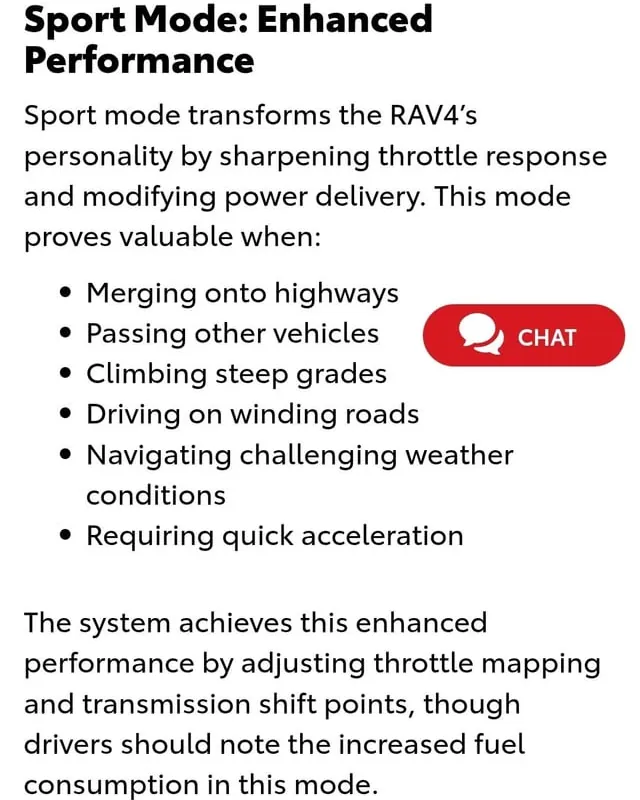
Each mode changes the computer settings for your car. These adjustments affect how the electric motor and engine work together. You can switch between these modes using the buttons on your center console while driving.
| Method | How long | Effort | Cost | Best for |
|---|---|---|---|---|
| Eco mode | Always active | Low | None | City traffic |
| Normal mode | Always active | Low | None | Highway driving |
| Power mode | Always active | Low | None | Steep hills |
Eco mode softens throttle response, preventing the engine from surging during stop-and-go traffic. Use this when your average speed stays below 35 mph. If you try this at highway speeds, you may struggle to merge safely because the vehicle intentionally limits acceleration.
Normal mode balances the load between the battery and the combustion engine. This is your default setting for mixed-use commutes.
Power mode prioritizes torque over fuel economy. Engage this when you face a grade steeper than six percent or need to pass a slow-moving vehicle. Drivers often make the mistake of leaving this on during flat highway cruising. This choice costs you roughly 10 to 15 percent in fuel efficiency without providing any performance benefit on level ground. Always revert to Normal mode once you reach the summit.
How to use eco mode
This setting lowers the sensitivity of the throttle. When you press the pedal, the car speeds up more slowly than it would in other modes. It also changes the way your air conditioning works to reduce the load on the engine.
- Locate the “ECO” button on your center console.
- Press the button once to activate the mode; a light will show on your dashboard.
- Keep your foot light on the pedal to stay in electric-only power as long as possible.
- Press the button again if you need to merge quickly into traffic.
This mode is ideal for stop-and-go traffic where rapid acceleration is unnecessary. It preserves battery charge by preventing aggressive engine spikes. However, avoid this setting on steep inclines or highway on-ramps. If you feel the engine laboring or struggling to maintain speed, deactivate the mode immediately to regain full power.
Many drivers make the mistake of leaving Eco mode on permanently. This habit costs you responsiveness during emergency maneuvers. Click the button off before you commit to the lane change.
Use this rule: If you’re cruising below 40 mph, keep it on. If you’re entering a high-speed zone, turn it off. This simple decision prevents the sluggish performance that often frustrates new owners.
How to use normal mode
Normal mode is the default setting for your car. It balances fuel efficiency with the responsiveness you expect from a standard engine. This mode doesn’t limit the power output as strictly as the eco setting does.
- Start your vehicle, and it will be in normal mode by default.
- Press the “NORMAL” button if you have been using other modes.
- Drive as you normally would, as the throttle will respond directly to your input.
- Use this mode for daily commuting where you need to keep up with traffic flow.
This setting provides a smooth and predictable driving experience. It’s the best choice for most road conditions because it gives you enough power to react to hazards. The limitation here is that you might burn slightly more fuel in heavy traffic compared to using eco mode.
Many drivers make the mistake of switching into sport mode for city driving, thinking it provides better safety. In reality, this often leads to jerky gear shifts and higher fuel consumption without any meaningful reduction in travel time.
Use this decision rule: if you’re on a highway with consistent speeds, normal mode is your baseline. Only switch away from normal if you specifically need the extreme fuel savings of eco or the aggressive acceleration of sport.
Using power mode for hills
Power mode is designed to give you the most available torque from the hybrid system. It makes the pedal feel very sensitive to even light touches. This mode isn’t meant for saving fuel, but for providing extra help when the car is under a heavy load.
- Press the “PWR” button on your console to engage the mode.
- Use this mode specifically when climbing steep mountains or carrying heavy cargo.
- Turn this mode off once you reach flat ground to return to normal fuel consumption.
- Avoid using this mode in city streets, as it makes the car jumpy and uses more gas.
This mode is excellent for safety when you need to climb steep terrain or pass quickly. It isn’t for everyday use, as it reduces your overall fuel economy significantly. If you find yourself in power mode, remember that your MPG will drop while the engine works harder.
Choosing between Toyota Prius Eco and Normal modes
When you’re in a hurry, use normal mode because it gives you the fastest response to your inputs. When you want the best possible result whatever it takes, use eco mode for city streets and switch to normal for open roads.
The trade-off is between fuel savings and speed. If you choose eco mode, you sacrifice quick acceleration for better efficiency. If you choose normal mode, you gain power at the cost of using a bit more fuel. You can adjust these settings at any time, so don’t feel locked into one choice.
Many drivers make the mistake of using eco mode on highway on-ramps. This creates a dangerous lag when you need to merge into fast-moving traffic. If the speed limit is above 45 mph, always switch to normal mode.
Use this simple decision rule: if your route involves stop-and-go traffic under 30 mph, select eco mode to maximize regenerative braking. If your route requires sustained speeds or frequent passing, stay in normal mode. You’ll notice a 10% difference in fuel consumption over a full tank, but only if you avoid aggressive throttle inputs. Always check your dashboard display to confirm the active mode before entering high-speed zones.
Rules for safe operation

Regardless of which mode you choose, you must always pay attention to your surroundings. The National Highway Traffic Safety Administration notes that driver awareness is the most important factor in preventing accidents.
Check your tire pressure once a month. A drop of just five PSI below the manufacturer’s recommendation can reduce your fuel economy by nearly two percent. If your tires appear visually flat, they’re already dangerously under-inflated.
Keep your maintenance schedule updated. If you notice a warning light on your dashboard, have it checked by a certified technician immediately.
Ignoring a check-engine light often leads to a total system lockout, which can cost thousands in repairs. Never try to modify the software of your car yourself. Third-party “tuning” chips frequently override the battery management system, causing permanent thermal damage to the cells.
The decision rule is simple: if the vehicle performs outside of its factory-calibrated parameters, stop driving and seek professional diagnostics. You’re in the clear only when the dashboard remains free of amber or red indicators.
FAQs About Toyota Prius Eco Mode vs Normal Mode
Can I change driving modes while the car is moving?
Yes, you can switch between eco, normal, and power modes at any speed. The computer will adjust the throttle and engine response immediately after you press the button. You don’t need to come to a full stop or put the car in park to change these settings. It’s safe to toggle these modes whenever road conditions change.
Why does my car feel slow in eco mode?
It feels slow because eco mode intentionally limits the throttle response to save fuel. By making the car accelerate more gradually, the system prevents the engine from working too hard. This is normal behavior for the vehicle and helps you maintain better fuel efficiency in slow-moving traffic. If you need more speed, just press the normal or power mode button.
How much fuel do I actually save in eco mode?
You can expect to save about 5 to 10 percent on fuel compared to normal mode, depending on your driving habits. This figure assumes you’re driving in heavy city traffic where frequent stopping occurs. On open highways, the difference between eco and normal mode is often very small. Your individual results will vary based on how heavy your foot is on the pedal.
Is it safe to drive in eco mode on the highway?
Yes, it’s perfectly safe to drive in eco mode on the highway. While the car won’t accelerate as quickly, it will still reach and maintain highway speeds without issue. You should only switch to normal or power mode if you need to pass someone quickly or if you’re merging into very fast traffic. Otherwise, eco mode works fine for steady cruising.
What happens if I drive in power mode all the time?
You’ll notice a significant decrease in your fuel economy if you stay in power mode. The engine will run more often and at higher revolutions to provide extra torque. While this doesn’t harm the car, it defeats the purpose of buying a hybrid vehicle. Use this mode only when you truly need the extra power for climbing or passing.
How long does the hybrid battery last?
Your hybrid battery is designed to last for the life of the vehicle, typically 10 to 15 years. This lifespan assumes you follow the maintenance schedule outlined in your manufacturer’s service manual. If you notice decreased performance or a warning light, a certified Toyota technician can test your battery capacity.
Conclusion
The best way to decide is to test both settings on your regular commute this week. You’ll quickly notice how each mode feels during your daily drive. Don’t be afraid to switch back and forth as road conditions change, as you’ll soon find the perfect balance for your personal driving style.

I am Julian Drive, an automotive enthusiast and repair expert with over 7 years of hands-on experience in vehicle maintenance. At Carora Hub, I simplify complex car issues into easy-to-follow DIY guides to help drivers stay safe and save on repair costs.