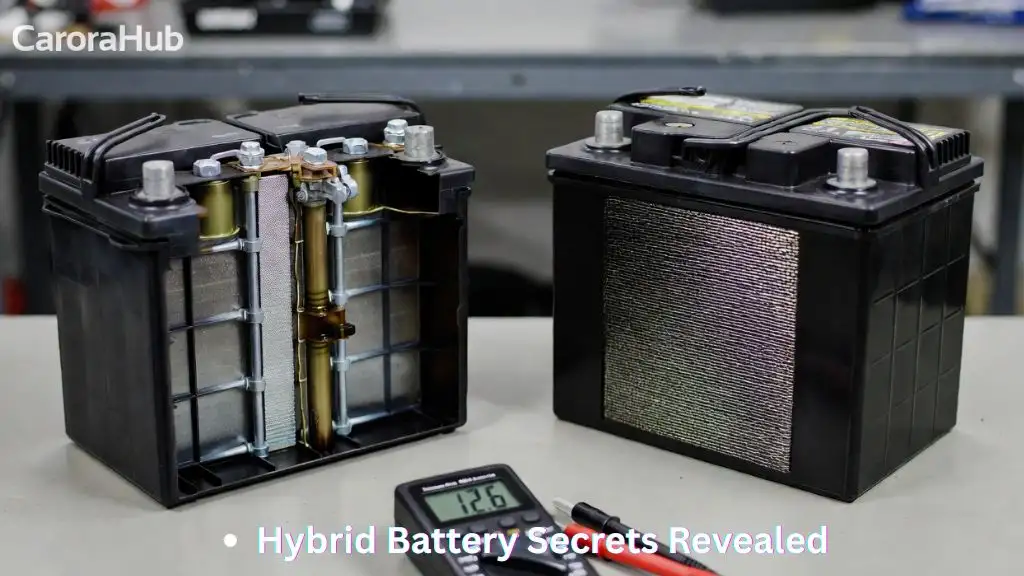
Stop worrying about startup failures and power drains. Deciding on a Prius 12V battery deep cycle vs standard AGM ensures your electronics stay powered and your hybrid system stays healthy for the long haul.
This choice affects not just performance but also how often you’ll need to replace your battery—and how much you’ll spend over time. You’ll discover the key differences between Prius 12V deep cycle and standard AGM batteries. By the end, you’ll know exactly which one suits your needs and keeps your Prius powered without surprise breakdowns.
Keep reading to make the smart choice for your car and your wallet.
Prius 12v Battery Basics
The Prius 12V battery plays a key role in the car’s electrical system. It supports many functions beyond just starting the engine. Understanding the basics of this battery helps in choosing the right type for your Prius. Different battery types offer different benefits and uses. Let’s explore what makes the Prius 12V battery special and what types are common.
Role Of The 12v Battery In Prius
The 12V battery powers the Prius’ low-voltage systems. It supports lights, audio, and control modules. It also helps start the car’s hybrid system. This battery works alongside the high-voltage battery. Without it, many basic functions would fail. It keeps the electronics running smoothly, even when the car is off.
Common Battery Types For Prius
Two main battery types fit the Prius 12V role: deep cycle and standard AGM. Deep cycle batteries handle repeated charging and discharging well. AGM batteries offer a sealed design and good power output. Both types use absorbed glass mat technology. Choosing the right one depends on use and durability needs. Each type has pros and cons for Prius owners.
Deep Cycle Batteries
Deep cycle batteries are made to provide a steady power flow over a long time. They differ from regular car batteries that give quick bursts of energy. These batteries store energy and release it slowly without damage. This makes them ideal for devices that need power for hours.
Design And Features
Deep cycle batteries have thick plates inside. This design helps them handle many charge and discharge cycles. They use materials that resist corrosion. Many deep cycle batteries use AGM (Absorbent Glass Mat) technology. This keeps the battery sealed and safe from leaks. Their structure supports deep discharges without losing life.
Performance Benefits
These batteries deliver a steady current for a long time. They recover quickly after being drained. Deep cycle batteries last longer than standard AGM batteries under heavy use. They maintain voltage even at low charge levels. Their design reduces heat buildup, which improves safety and lifespan.
Typical Use Cases
Deep cycle batteries power boats, RVs, and solar systems. They suit applications needing constant energy supply. These batteries support electric wheelchairs and golf carts. They work well in backup power systems too. Their reliability makes them a good choice for off-grid living.
Read More: Toyota Prius EGR Valve Cleaning Guide
Standard Agm Batteries
Standard AGM batteries are a popular choice for many vehicles and devices. These batteries use advanced technology to store and deliver power efficiently. They offer a balance of performance, durability, and safety. Understanding their features helps to see why they suit various applications.
Construction And Features
Standard AGM batteries have plates soaked in an acid solution. The acid is absorbed by a fiberglass mat. This design prevents acid spills and leaks. AGM batteries are sealed and maintenance-free. They resist vibration and shocks well. Their design supports fast charging and discharging.
Performance Characteristics
AGM batteries provide steady voltage and high power output. They have low self-discharge rates, so they hold charge longer. These batteries work well in cold and hot conditions. They handle deep discharges better than regular lead-acid batteries. AGM batteries recharge quickly and last for many cycles.
Common Applications
These batteries suit cars, motorcycles, and RVs. They are used in solar power systems and backup power supplies. AGM batteries also power marine and off-grid equipment. Their safety features make them ideal for indoor use. Many hybrid cars use AGM batteries as auxiliary power sources.
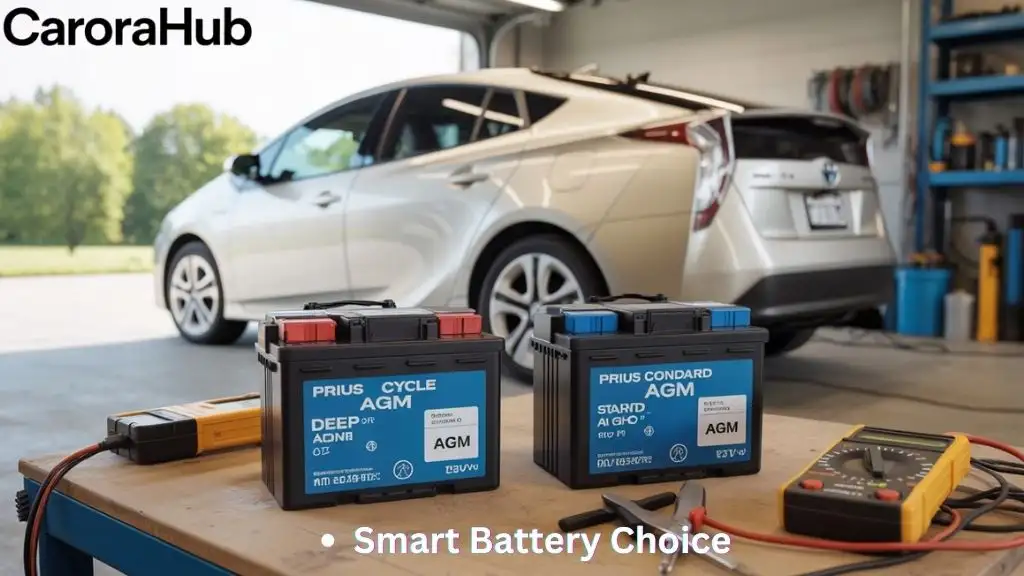
Comparing Deep Cycle And AGM
The Prius 12V battery plays a key role in powering your vehicle’s electrical systems. Choosing between a deep cycle battery and a standard AGM battery affects your car’s performance and reliability. Both battery types have unique features. Understanding these differences helps you select the right battery for your Prius.
Durability And Lifespan
Deep cycle batteries last longer under repeated use. They handle many charge and discharge cycles well. AGM batteries offer good durability but focus more on delivering quick bursts of power. Deep cycle types resist damage from deep discharges better than AGM. This makes deep cycle batteries ideal for steady power needs. AGM batteries tend to have a shorter lifespan if deeply discharged often.
Charge And Discharge Rates
Deep cycle batteries charge slower but provide steady power over time. They manage slow discharge rates better, ideal for continuous use. AGM batteries charge faster and deliver high current quickly. They work well for starting engines or short power bursts. However, frequent deep discharges can reduce AGM battery life. Deep cycle batteries suit prolonged energy use better than AGM.
Maintenance Needs
Both battery types require low maintenance. AGM batteries are sealed and spill-proof, needing almost no upkeep. Deep cycle batteries may need occasional water refills if flooded types are used. AGM is more resistant to vibration and temperature changes. This reduces maintenance tasks in tough conditions. Deep cycle batteries may need more care depending on the model.
Cost Considerations
Deep cycle batteries usually cost more upfront than standard AGM batteries. The higher price reflects their longer life and durability. AGM batteries are less expensive but may need replacement sooner. Choosing depends on your budget and how you use your Prius. Spending more on a deep cycle battery might save money over time.
Choosing The Right Battery For Prius
Choosing the right battery for your Prius is important for its performance and longevity. The 12V battery supports many electrical components. Picking between a deep cycle and a standard AGM battery depends on several factors. Understanding these will help you make a smart choice for your car.
Driving Habits And Battery Demands
Daily driving style affects battery needs. Short trips drain the battery faster. A deep cycle battery handles frequent discharges better. It recovers quickly and lasts longer under constant use. Standard AGM batteries work well for longer trips. They provide steady power but may wear out faster with many short drives.
Climate And Environmental Factors
Weather impacts battery life significantly. Cold climates reduce battery capacity. Deep cycle batteries resist cold better and keep power longer. Hot climates can cause battery damage too. Standard AGM batteries tolerate heat well but may degrade faster in extreme conditions. Choose a battery that suits your local weather for best results.
Installation And Compatibility
Not all batteries fit perfectly in a Prius. Check the size and terminal layout before buying. Deep cycle batteries are usually larger and heavier. Some Prius models may not accommodate them easily. Standard AGM batteries are designed for compact spaces. Proper installation ensures safety and optimal performance of your Prius battery.
This Guide May Help You More: Key Fob Battery Replacement Toyota Sienna
Battery Care Tips
Proper battery care is essential for both Prius 12V deep cycle and standard AGM batteries. Good care helps keep the battery healthy and extends its life. Understanding simple tips can prevent common problems and save money on repairs. This section covers important advice to take care of your battery effectively.
Maximizing Battery Life
Keep the battery clean and dry. Dirt and moisture cause corrosion. Check battery terminals regularly and clean them with a brush. Avoid deep discharges to prevent damage. Charge the battery fully after use. Use a smart charger designed for AGM or deep cycle batteries. Store the battery in a cool, dry place when not in use. Heat shortens battery life. Regularly check voltage levels to ensure the battery stays healthy.
Safe Handling Practices
Always wear gloves and eye protection when handling batteries. Batteries contain acid that can cause burns. Use insulated tools to avoid short circuits. Avoid touching both terminals at the same time. Do not smoke or use open flames near batteries. Handle the battery gently to prevent damage. Keep batteries out of reach of children and pets. Follow manufacturer guidelines for installation and removal.
Troubleshooting Common Issues
Check for corrosion if the battery won’t start the car. Clean the terminals and try charging again. If the battery drains quickly, test for a parasitic drain. Inspect cables for damage or loose connections. A swollen battery case signals overheating and needs replacement. Low voltage may mean the battery is old or faulty. Use a multimeter to check battery health. Replace the battery if it fails to hold a charge.
Final Verdict
Choosing between a Prius 12V deep cycle battery and a standard AGM depends on your needs. Deep cycle batteries handle long, steady power use well. Standard AGM batteries work better for quick bursts of energy. Think about how you use your car and power demands.
Each battery type offers unique benefits. Knowing these differences helps you pick the right battery. This choice can improve your Prius’s performance and battery life. Keep your car running smoothly with the best battery for you. Simple and smart decisions matter.
FAQs Of Prius 12V Battery Deep Cycle Vs Standard AGM
What Is The Difference Between Deep Cycle And Standard Agm Batteries?
Deep cycle batteries provide steady power over long periods. Standard AGM batteries deliver short bursts of high current. Deep cycle suits repeated discharges; AGM is ideal for starting engines. Choosing depends on your Prius 12V battery usage and power needs.
Can I Use A Deep Cycle Battery In A Prius?
Yes, but it’s not recommended. Prius 12V systems are designed for standard AGM batteries. Deep cycle batteries may not deliver the quick bursts needed for starting and electronics. Using the correct battery ensures optimal performance and longevity.
How Long Does A Prius Agm Battery Typically Last?
A standard AGM battery in a Prius lasts about 3 to 5 years. Lifespan depends on driving habits and climate. Proper maintenance can extend battery life. Deep cycle batteries may last longer but aren’t designed for Prius use.
Are Deep Cycle Batteries Better For Prius Accessories?
Deep cycle batteries handle continuous power draw well, ideal for accessories. However, Prius electrical systems rely on standard AGM batteries for starting and stability. For heavy accessory use, consider a secondary deep cycle battery, not replacing the main AGM battery.

Hello, I’m Norman. I work as a car researcher. I am the voice behind CaroraHub. I have over 15 years of experience. I give simple and useful car advice. I help with car care, cleaning, and small repairs. My goal is to help you keep your car healthy. I want car care to be easy and cheap for you. You can trust my tips to keep your car working well for a long time.