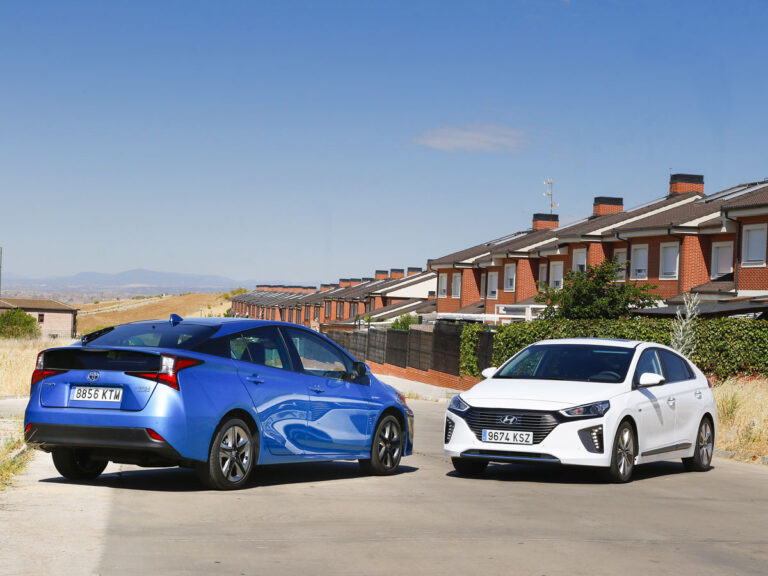
Finding the right spark plugs for your Toyota Prius depends on your model year and engine requirements. While the Sixity NGK Laser Iridium is a top choice for newer vehicles, owners of first-generation models often prefer the Sixity Denso Platinum TT. These options differ in electrode materials and service intervals, which determine your maintenance schedule.
1. Sixity NGK Laser Iridium

Best for: Owners seeking a direct replacement that matches factory ignition standards.
This set is designed specifically for the 1.8L engine found in 2010-2015 models. It uses a 0.6mm iridium center electrode and a platinum ground, which aims to provide reliable ignition throughout its service life. Because these are genuine NGK parts, they’re built to mirror the performance your car had when it left the factory.
These plugs are rated for a service life between 80,000 and 100,000 miles. This long interval means you will perform maintenance less frequently over the life of your vehicle.
If you own a 2010-2015 Prius, always use the Amazon Confirmed Fit tool before purchasing to ensure the specific sub-model matches this hardware. This product isn’t for owners of older 1.5L Prius models, as it’s strictly engineered for the later 1.8L engine architecture. Installing these in an incompatible engine can lead to poor combustion or misfires.
Good if:
- You want to stick to the original manufacturer’s specifications.
- You prefer a long interval between spark plug changes.
- You own a 2010-2015 Prius with the 1.8L engine.
Skip it if:
- You drive a first-generation or early second-generation Prius.
- You’re looking for a performance upgrade rather than a standard replacement.
- You haven’t verified your specific engine displacement through the fitment tool.
2. BOSCH 96339 OE Fine Wire Double Iridium Spark Plug

Best for: Drivers who want to reduce voltage requirements for their ignition system.
These plugs feature an iridium firing pin and an iridium ground electrode inlay. The 360-degree laser welding of the fine wire pin is designed to improve ignitability. This design reduces the voltage required by the ignition system by up to 24%, which helps the engine run more efficiently.
If you use these, don’t apply anti-seize during installation. The nickel-plated rolled threads are designed to resist corrosion, ensuring the plugs remove easily without galling. Applying extra lubricants can lead to over-torquing, which risks damaging the cylinder head.
These plugs come pre-gapped from the factory. You should install them exactly as they arrive, as manual gap adjustment isn’t required. This product is engineered to meet or exceed manufacturer requirements for modern gasoline engines, including Gasoline Direct Injection (GDI) systems.
Good if:
- You want a plug that’s resistant to corrosion.
- You prefer a pre-gapped plug for easier installation.
- You want to lower the voltage demand on your ignition system.
Skip it if:
- You’re looking for a budget-focused option.
- You have concerns about compatibility with non-standard engine modifications.
If your vehicle requires specific OE fitment, verify the details with the fit checker, as engine type dictates compatibility.
3. 4 New DENSO Iridium IK16 Spark Plugs # 5303

Best for: Enthusiasts who want a known performance-oriented iridium spark plug.
The Denso Iridium Power line is built for those who want a focused, high-performance spark. The design centers on the durability and conductivity of iridium, which allows for a very fine tip. This helps create a strong spark even under demanding conditions.
Because these are sold as a set of four, they provide a straightforward way to refresh your ignition system. The listing notes these are specifically the #5303 model. If your current plugs match any of the long list of factory part numbers like 5962H8, 5962J1, 5613796, or 1822A030, these serve as a direct replacement.
Good if:
- You prioritize spark quality and ignitability.
- You want a recognized brand with a history in performance parts.
- You’re comfortable with standard service intervals.
Skip it if:
- You’re looking for the longest possible service life.
- You’re unsure if your specific engine tune is compatible with high-performance plugs.
- Your engine requires a specific plug type not listed among the 5303 cross-references.
4. Sixity Denso Platinum TT

Best for: Owners of 2001-2009 Toyota Prius models with the 1.5L engine.
These plugs use a twin-tip design with a 1.1mm platinum center electrode and a titanium-enhanced ground electrode. This combination is designed to improve flame propagation, which can help with fuel economy and power in older engine designs. The construction aims to reduce quenching, ensuring a more consistent spark.
With a service life of 60,000 to 80,000 miles, these are a solid choice for maintaining an older Prius. The parts are genuine Denso, ensuring they fit the specific requirements of the 1.5L engine.
Always confirm fitment with Amazon Confirmed Fit before purchase. This product isn’t for the newer 1.8L Prius engines, as the electrode geometry is specifically optimized for the older 1.5L configuration. Using these in a 2010 or newer model will result in poor performance and potential ignition issues.
Good if:
- You own a 2001-2009 Prius.
- You want a proven design for older fuel-injected engines.
- You value a balance between performance and longevity.
Skip it if:
- You drive a 2010 or newer Prius.
- You want the latest iridium-based technology.
- You’re looking for a spark plug designed for engines outside the 1.5L L4 specification.
5. Iridium Spark Plugs 4 Pack 5464 BKR5EIX11 BKR5EGP 1.8-2.4L

Best for: Buyers who need a versatile solution compatible with multiple vehicle types.
These plugs feature a 0.6mm fine-wire iridium center tip designed to maximize fuel efficiency. They’re marketed as a versatile option that fits a wide range of Toyota, Nissan, and Mitsubishi models. The inclusion of a 12-month warranty provides a layer of support for those concerned about long-term reliability.
The pack includes six plugs, which is more than the four required for a standard Prius. This means you’ll have spares remaining after the initial installation. This product isn’t for buyers who prefer to purchase only the exact quantity needed for their specific engine to avoid unused parts.
Good if:
- You own multiple vehicles that might share these specs.
- You appreciate the security of a manufacturer warranty.
- You want a fine-wire iridium design.
Skip it if:
- You only want to buy exactly four plugs.
- You prefer sticking to major, well-known original equipment brands.
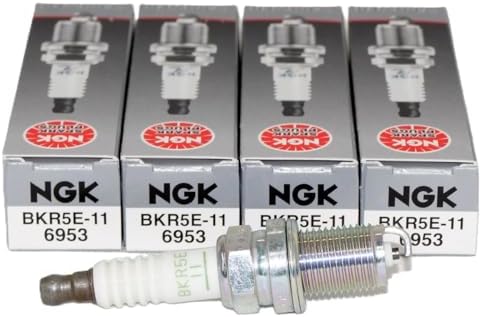
6. NGK Spark Plug BKR5E-11- Set of 4
Best for: Those who want a standard, reliable replacement from a major manufacturer.
NGK is a massive supplier for original equipment, and this set represents their standard offering for many older Toyota engines. These plugs are built for reliability and consistent performance. They provide the basic quality you would expect from a factory-supplied part.
This product isn’t for those who want the absolute longest service intervals, as copper-style plugs typically require replacement sooner than iridium or platinum alternatives.
Always research your specific engine, drivetrain, and the exact quantity required before purchasing. A mistake here often leads to buying the wrong heat range or thread reach, which can cause engine misfires or damage. If your vehicle manual calls for iridium or platinum, stick to those specifications to avoid premature wear.
Good if:
- You want a reliable, no-nonsense replacement.
- You prefer parts from a large OEM supplier.
- You’re performing a standard tune-up on an older vehicle.
Skip it if:
- You want to minimize how often you have to change plugs.
- You’re looking for the latest electrode technology.
- Your engine requires specialized materials for peak performance.
Choosing Spark Plugs for Your Toyota Prius
Most of these spark plugs overlap in their fundamental purpose: to provide a stable, consistent spark to ignite the air-fuel mixture in your Toyota Prius engine. The Sixity NGK Laser Iridium, Bosch OE Fine Wire, and Denso Iridium IK16 all utilize iridium technology, which is the current standard for long-life, efficient ignition. If you’re choosing between these three, the decision often comes down to brand preference or specific design features like the fine-wire construction of the Bosch plugs versus the specific iridium alloy of the Denso or NGK options.
For the older 1.5L Prius, the overlap exists between the Denso Platinum TT and the NGK BKR5E-11. These are both designed for older engine architectures. The choice here is essentially between the advanced twin-tip platinum design of the Denso and the classic, reliable performance of the standard NGK plug.
Always confirm your specific engine size, as the 1.5L and 1.8L engines require different plug geometries for proper fitment. When selecting, check your vehicle’s year, make, model, and engine type using Amazon Garage. A common mistake is assuming compatibility based on brand alone; using the wrong part can lead to poor ignition or engine issues. If your engine is a modern GDI type, prioritize plugs like the Bosch OE Fine Wire that specifically state compatibility with those systems.
Still Not Sure?
How often will I really need to change them?
The frequency of your spark plug replacement depends on the material of the electrode. Iridium and platinum plugs, like the NGK Laser Iridium or Bosch OE Fine Wire, are generally engineered for longer intervals, often reaching 80,000 to 100,000 miles. Always consult the vehicle owner’s manual to verify the recommended maintenance schedule for your specific Prius model year.
What do I already own that this has to work with?
Your choice is almost entirely dictated by your engine displacement. The 1.5L engines in 2001-2009 models and the 1.8L engines in 2010-2015 models use different spark plug specifications. Using the wrong plug can lead to poor combustion or engine damage. If you have a 2001-2009 Prius, the Denso Platinum TT is a tailored choice, while the NGK Laser Iridium is built for the later 1.8L engines.
What am I most likely to regret choosing?
Most buyers regret choosing a plug that doesn’t match their engine’s specific heat range or physical dimensions. Buying a “one size fits all” pack, like the A-NAFTULY BKR5EIX11, can be risky if you don’t double-check the compatibility against your exact engine code. It’s safer to select a product specifically listed for your model year, such as the NGK Laser Iridium, to ensure a correct fit from the start.
Selecting the right spark plug for your Toyota Prius comes down to two main factors: your engine size and your maintenance goals. For the 2010-2015 models, the Sixity NGK Laser Iridium provides a reliable, long-life solution. For the 2001-2009 models, the Sixity Denso Platinum TT is the preferred choice for performance and longevity. Check your owner’s manual for your specific engine code before you confirm your order.
FAQs About Best Spark Plugs For Toyota Prius
Do I need to gap my spark plugs before installing them?
Most modern iridium and platinum spark plugs, such as the Bosch OE Fine Wire, come pre-gapped from the factory. This means they’re ready to install right out of the box.
Can I use a different brand than what came in the car?
Yes, you can switch brands as long as the spark plug meets the exact specifications required by your engine. Manufacturers like NGK, Denso, and Bosch produce plugs that meet or exceed original equipment standards. Ensure the plug you choose is listed as compatible with your specific Prius engine displacement, as seen with products like the NGK Laser Iridium for the 1.8L engine.
What happens if I install the wrong spark plug?
Installing an incompatible spark plug can lead to poor engine performance, misfires, and reduced fuel economy. In some cases, a plug with the wrong reach or heat range can physically damage the piston or cylinder head. Always use an Amazon confirmed fit tool or cross-reference the part number with your vehicle’s manual to avoid compatibility issues with your specific Prius model.
Is it necessary to use anti-seize on the threads?
Most modern spark plugs, such as the Bosch OE Fine Wire, feature nickel-plated threads specifically designed to prevent the plug from seizing in the cylinder head. These manufacturers often explicitly state that anti-seize isn’t required. Adding it to plugs that are already coated can lead to over-torquing, which may damage the threads in the engine block during future maintenance.
Conclusion
Choosing the right components ensures your hybrid keeps running smoothly for years to come. Don’t let old plugs drag down your fuel efficiency or cause engine misfires. Check your owner’s manual today to confirm your specific engine needs, and you’ll be ready to pick the best parts for your next tune-up.

I am Julian Drive, an automotive enthusiast and repair expert with over 7 years of hands-on experience in vehicle maintenance. At Carora Hub, I simplify complex car issues into easy-to-follow DIY guides to help drivers stay safe and save on repair costs.