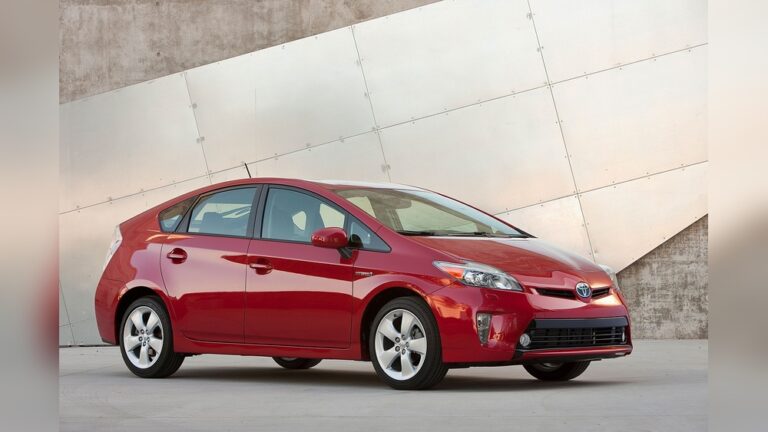
If you own a Toyota Prius or are thinking about getting one, you probably want to know what issues you might face. Knowing the common problems can save you time, money, and frustration down the road.
You’ll discover the most frequent troubles Prius drivers encounter and how to handle them. Keep reading to make sure your Prius stays reliable and efficient for years to come.
Battery Issues
The Toyota Prius is known for its fuel efficiency and eco-friendly design. Still, battery issues are a common concern among Prius owners. The hybrid battery plays a key role in the car’s performance. Problems with this battery can affect driving and increase repair costs. Understanding these issues helps owners maintain their vehicle better.
Hybrid Battery Life
The hybrid battery in a Prius usually lasts 8 to 10 years. Some batteries may last longer with good care. Driving habits and climate also affect battery life. Hot weather can reduce battery performance faster. Regular check-ups help spot early signs of battery wear.
Battery Replacement Costs
Replacing the hybrid battery can be expensive. Costs range from $2,000 to $4,000 depending on the model and location. Some dealers offer refurbished batteries at lower prices. Warranty coverage may help reduce replacement costs. Planning for this expense is important for long-term ownership.
Signs Of Battery Failure
Watch for warning lights on the dashboard. The car may lose power or have poor acceleration. Strange noises from the battery area can also appear. Reduced fuel economy might signal battery problems. Early detection helps avoid sudden breakdowns and higher repair bills.

Credit: www.youtube.com
Brake System Concerns
The Toyota Prius is known for its fuel efficiency and reliability. Still, its brake system can show some common issues. These concerns affect driving safety and comfort. Understanding these problems helps keep the Prius running smoothly and safely.
Brake Wear And Tear
Brake pads and rotors wear out over time. The Prius uses a unique braking system that can cause uneven wear. Frequent stops in city driving speed up this process. Worn brakes reduce stopping power and increase noise. Regular checks and timely replacement are important.
Abs And Brake Warning Lights
The ABS and brake warning lights may turn on unexpectedly. This signals a problem with the braking system. Sensors might fail or get dirty. The brake fluid level can also drop. Ignoring these lights risks brake failure. Immediate inspection by a professional is crucial.
Read More: How to Maintain a Toyota Prius Hybrid Battery
Regenerative Braking Problems
Regenerative braking helps recharge the battery when slowing down. Sometimes, this system can cause braking to feel different or weak. Issues may include delayed brake response or strange noises. These problems may stem from the hybrid system or brake components. Proper diagnosis ensures safe and effective braking.
Electrical System Glitches
The Toyota Prius is known for its advanced technology and hybrid system. Yet, like many modern cars, it sometimes faces electrical system glitches. These issues can confuse drivers and affect the car’s performance. Understanding these common problems helps owners stay alert and address them early.
Dashboard Warning Lights
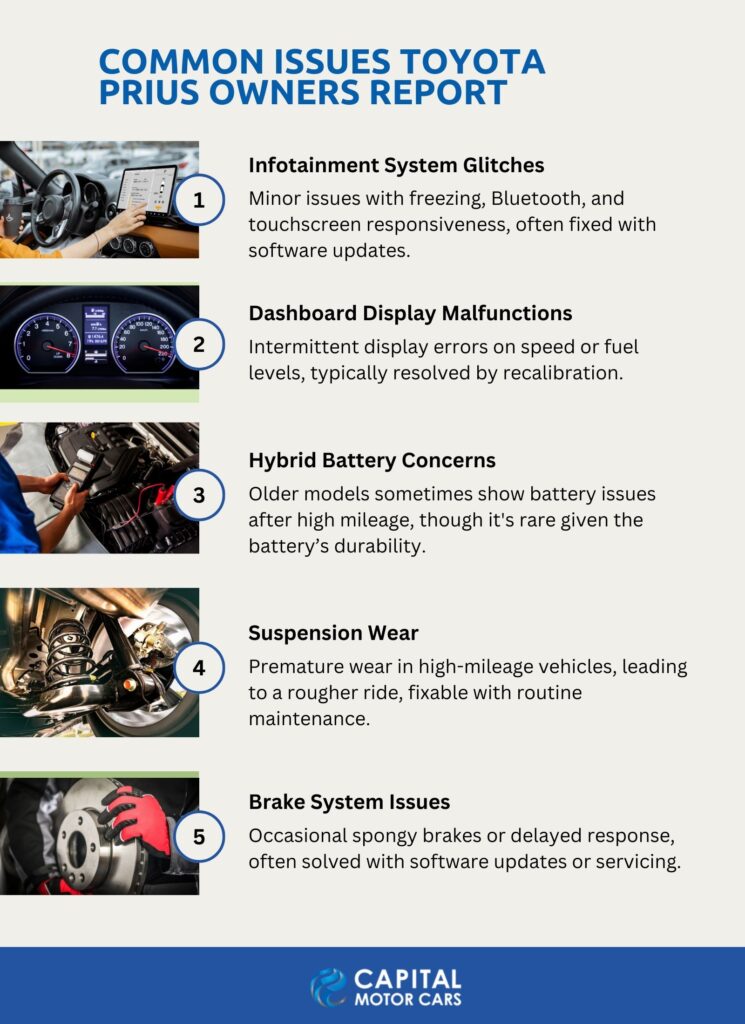
One common issue involves dashboard warning lights turning on unexpectedly. These lights may signal minor faults or more serious problems. Sometimes, the lights stay on even after the problem is fixed. This can cause stress and confusion for drivers.
Faulty Sensors
The Prius uses many sensors to monitor its hybrid system and safety features. Faulty sensors can send wrong information to the car’s computer. This may lead to poor fuel economy or incorrect system warnings. Sensor issues can be hard to detect without a diagnostic tool.
Infotainment System Errors
Electrical glitches often affect the Prius’s infotainment system. The screen may freeze or restart randomly. Bluetooth and navigation features might stop working properly. These errors reduce the convenience and comfort of driving the Prius.

Credit: capitalmotorcars.com
Engine And Transmission Faults
The Toyota Prius is known for its fuel efficiency and reliability. Still, some owners face engine and transmission faults. These issues can affect the car’s performance and driving experience. Understanding common problems helps in spotting trouble early. It also assists in finding the right solution quickly.
Engine and transmission faults are among the frequent concerns reported by Prius drivers. Engine problems may cause rough running or loss of power. Transmission issues can lead to jerky movements or delayed shifts. Both affect safety and comfort on the road.
Engine Performance Issues
The Prius engine may show poor performance over time. Drivers notice rough idling or hesitation when accelerating. Sometimes, the car struggles to maintain speed on hills. These issues often result from dirty fuel injectors or a failing oxygen sensor. Regular maintenance can prevent many engine problems.
Transmission Jerking
Jerking during gear shifts is a common transmission fault. The car may jerk forward or hesitate while changing gears. This happens due to worn transmission fluid or faulty sensors. Low fluid levels also cause transmission jerking. Checking fluid and sensor conditions helps keep the transmission smooth.
Check Engine Light Causes
The check engine light often signals engine or transmission troubles. Common causes include faulty spark plugs, oxygen sensors, or catalytic converters. Sometimes, the hybrid battery or emission system triggers the light. Using a diagnostic tool identifies the exact problem quickly.
HVAC And Climate Control Problems
The HVAC and climate control system in a Toyota Prius plays a key role in comfort. Problems in this system can make driving unpleasant. Owners often report issues that affect air flow, temperature, and control functions. Understanding these common problems helps in early detection and repair.
Air Conditioning Failures
Air conditioning failures are common in older Prius models. The AC may stop cooling or blow warm air. Faulty compressors or leaks in the refrigerant lines often cause this. Sometimes, the AC system needs a recharge or component replacement to work well.
Heater Malfunctions
Heater malfunctions can cause the cabin to stay cold. This happens when the heater core clogs or the thermostat fails. The system might blow cold air even on hot settings. Fixing this usually involves cleaning or replacing parts in the heating system.
Blower Motor Issues
The blower motor controls air flow inside the car. Problems include weak or no airflow and strange noises. Dust buildup or motor wear can cause these issues. Replacing the blower motor or cleaning its parts often solves the problem.
Credit: capitalmotorcars.com
Suspension And Steering Troubles
The Toyota Prius is known for its fuel efficiency and reliability. Still, some drivers report issues with suspension and steering. These troubles can affect ride comfort and vehicle control. Understanding these common problems helps keep your Prius safe and smooth on the road.
Noisy Suspension Components
Many Prius owners notice strange noises from the suspension. Clunking or squeaking sounds often come from worn bushings or shocks. These parts can wear out over time, especially on rough roads. Ignoring these noises may lead to bigger problems and costly repairs.
Steering Response Problems
Some drivers experience slow or stiff steering in their Prius. This can happen due to low power steering fluid or a failing steering rack. Poor steering response makes it harder to control the vehicle. Regular checks and maintenance can help prevent this issue.
Alignment And Tire Wear
Misaligned wheels cause uneven tire wear and poor handling. The Prius may pull to one side or feel unstable at high speeds. Proper wheel alignment improves safety and extends tire life. Tire wear patterns often show early signs of alignment trouble.
Common Recalls And Service Bulletins
Toyota Prius owners should know about common recalls and service bulletins. These help keep the car safe and working well. Recalls fix problems found after the car is sold. Service bulletins guide technicians on how to handle known issues. Understanding these updates helps drivers maintain their Prius properly.
Recent Toyota Prius Recalls
Some recent recalls involve the hybrid battery system. Others target the brake system or airbags. Problems with wiring or software updates also appear. Each recall aims to fix safety or performance risks. Toyota often contacts owners directly about these recalls.
Impact On Vehicle Safety
Recalls directly affect safety and reliability. Faulty airbags or brakes can cause accidents. Battery issues may reduce fuel efficiency or cause breakdowns. Timely repairs protect drivers and passengers. Ignoring recalls increases risks on the road.
Addressing Recalls Effectively
Check your Prius regularly for recall notices. Use your car’s VIN to find active recalls online. Schedule repairs at authorized Toyota service centers. Repairs under recall are usually free of charge. Staying updated keeps your Prius safe and reliable.
Preventive Maintenance Tips
Preventive maintenance helps keep your Toyota Prius running smoothly. It reduces the chance of costly repairs. Routine care boosts the car’s lifespan and performance. Focus on key areas to avoid common problems.
Regular Battery Checks
The hybrid battery is vital for your Prius. Check its condition often. Look for signs of wear or corrosion. Clean battery terminals to ensure good contact. A weak battery can lower fuel efficiency. Early detection saves money and hassle.
Brake System Maintenance
Prius brake systems use regenerative braking. Still, traditional brakes need care. Inspect brake pads and discs regularly. Replace worn parts to keep braking safe. Check brake fluid levels and quality. Proper brake care prevents costly damage.
Scheduled Engine Inspections
Engine health affects overall vehicle reliability. Follow Toyota’s recommended inspection schedule. Check oil and coolant levels routinely. Replace filters and fluids as needed. Early engine checks catch issues before they grow. This keeps the Prius running efficiently.
Frequently Asked Questions
What Are The Common Battery Issues In Toyota Prius?
The Toyota Prius often faces hybrid battery degradation over time. This causes reduced fuel efficiency and power loss. Battery replacement can be costly but necessary after several years or miles.
Why Does My Prius Experience Brake Problems?
Prius brake issues usually stem from the regenerative braking system. Owners report squeaking or reduced brake response. Regular maintenance and brake fluid checks help maintain brake performance.
How Frequent Are Inverter Coolant Leaks In Prius?
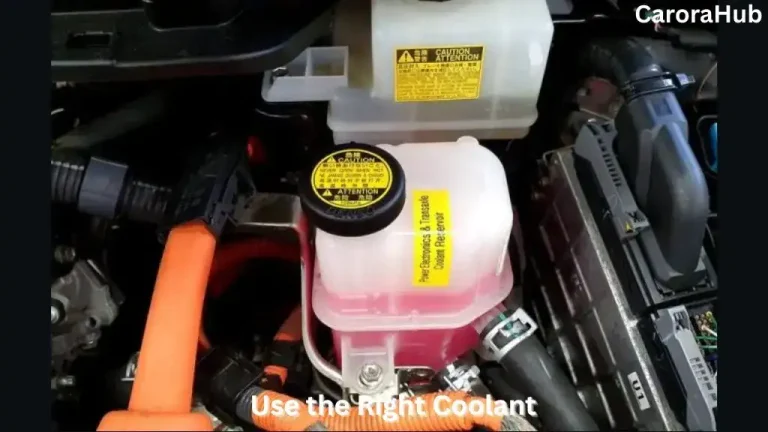
Inverter coolant leaks are a known problem in some Prius models. These leaks can cause overheating and inverter failure. Early detection and timely repairs prevent expensive damage.
Are Oil Consumption Problems Common In Toyota Prius?
Some Prius models have higher oil consumption than average. Regular oil level checks and timely top-ups ensure engine health. Addressing this early prevents engine wear and costly repairs.
Bottom Line
The Toyota Prius has some common problems to watch out for. Battery issues and brake wear happen over time. Some drivers notice warning lights or engine troubles. Regular checks help catch problems early. Keeping up with maintenance saves money and stress.
Knowing these issues helps you drive safer. The Prius remains a popular choice despite these faults. Understanding its weaknesses makes ownership easier. Stay aware and enjoy your Prius longer.

Hello, I’m Norman. I work as a car researcher. I am the voice behind CaroraHub. I have over 15 years of experience. I give simple and useful car advice. I help with car care, cleaning, and small repairs. My goal is to help you keep your car healthy. I want car care to be easy and cheap for you. You can trust my tips to keep your car working well for a long time.