
Top picks: Genuine Toyota DOT 3 fluid plus a quality reservoir cap for Prius.
I live in the US, tucked into sunny Austin, Texas, where summer heat and stop‑and‑go traffic are daily life. If your Toyota Prius feels a bit spongy on the brake pedal or you notice the fluid looks dark under the cap, you’re not alone. Brake fluid is hygroscopic, which means it soaks up moisture from the air. That can reduce braking power, corrode components, and mess with ABS and your hybrid braking system. The right fluid and a tight, well‑fitting reservoir cap keep moisture out and your braking strong. In this guide, I’ll break down the Best Brake Fluids for Toyota Prius and the must‑have parts that protect them.
NewYall Brake Fluid Reservoir Cap (47230-20140)

This NewYall cap replaces Toyota’s common 47230‑20140 reservoir cap, which fits many Toyota and Scion models, including multiple generations of Prius. While it’s not a fluid, it plays a direct role in your brake fluid’s health. A worn or loose cap can let humid air in, and that speeds up water absorption. Water in your brake fluid lowers the boiling point and invites rust in the system. That can lead to a soft pedal on a hot downhill and can compromise hybrid brake blending. A tight cap matters, especially if you’re targeting the Best Brake Fluids for Toyota Prius and want them to stay fresh.
The NewYall design aims to replicate the OEM seal and venting. The fit is snug, threads are clean, and the rubber gasket presses evenly around the mouth of the reservoir. It’s a simple, quick swap that takes a minute and could save you from premature fluid changes or ABS headaches. If your factory cap is cracked, missing, or the tether broke, this is a low‑cost fix that protects your investment in fresh DOT 3 fluid. It pairs well with Genuine Toyota DOT 3 or high‑quality DOT 3/4 fluids approved for Toyota systems and helps preserve the Best Brake Fluids for Toyota Prius over time.
Pros:
- Direct replacement for the widely used 47230‑20140 cap
- Secure seal reduces moisture intrusion into brake fluid
- Clean fit helps maintain correct reservoir ventilation
- Budget‑friendly way to protect new brake fluid
- Quick DIY install with no tools in most cases
Cons:
- Not an official Toyota OEM part
- Quality control can vary with third‑party caps
- No fluid included, cap only
My Recommendation
If you’re replacing or flushing fluid, add this cap to your cart. It is best for drivers who want to guard the Best Brake Fluids for Toyota Prius from moisture and dust without spending much. It’s also ideal if your original cap is missing, cracked, or the tether snapped. A reliable seal helps maintain brake feel, ABS function, and long fluid life, especially in humid regions or hot summers.
| Best for | Why |
|---|---|
| Protecting new fluid | Seals the reservoir to limit moisture absorption and contamination. |
| Budget maintenance | Low‑cost add‑on that preserves premium fluid performance. |
| Quick DIY fix | Simple swap that restores proper reservoir closure and venting. |
Genuine Toyota DOT 3 Brake Fluid, 12 oz

When I talk about the Best Brake Fluids for Toyota Prius, I start with what Toyota specifies. Most Prius generations in the US call for DOT 3 brake fluid. Genuine Toyota 00475‑1BF03 DOT 3 meets this spec and is designed to play nice with Toyota’s ABS and hybrid brake systems. That matters because Prius braking blends regenerative and hydraulic braking. The modulation needs stable, clean fluid that resists moisture and maintains a predictable boiling point. Using the right spec helps protect seals, valves, and the brake actuator assembly.
This 12‑oz bottle is a smart size if you plan to top off or do a small system bleed. If you’re doing a full flush, you may need more than one bottle. I like that it pours clean, with a familiar viscosity that matches factory fill feel. Always keep the bottle capped tightly, and never open it until you’re ready to use it, since DOT 3 absorbs moisture from the air. For my money, pairing this OEM fluid with a fresh reservoir cap is a smart way to maintain the Best Brake Fluids for Toyota Prius and keep pedal feel crisp.
Pros:
- Meets Toyota DOT 3 spec recommended for Prius
- Predictable pedal feel and ABS compatibility
- Trusted OEM chemistry for hybrid brake systems
- 12‑oz size is handy for topping off or small bleeds
- Widely available and easy to store
Cons:
- May cost more than generic DOT 3
- 12‑oz may be small for full flushes
- Short shelf life once opened due to moisture absorption
My Recommendation
If you want peace of mind, go OEM. This is my top choice for anyone who wants the Best Brake Fluids for Toyota Prius without guesswork. It’s ideal for routine maintenance, cautious DIYers, and anyone sensitive to pedal feel. If you drive in heat or hills, fresh DOT 3 keeps the boiling point up and the pedal consistent. Store a sealed spare bottle for emergencies.
| Best for | Why |
|---|---|
| OEM‑faithful maintenance | Matches Toyota’s DOT 3 spec for Prius braking systems. |
| ABS and hybrid compatibility | Stable chemistry supports smooth brake blending and ABS function. |
| Top‑offs and small bleeds | 12‑oz size reduces waste and stays fresh until needed. |
LESHIAUTO Brake Reservoir Cap (47230-20140)
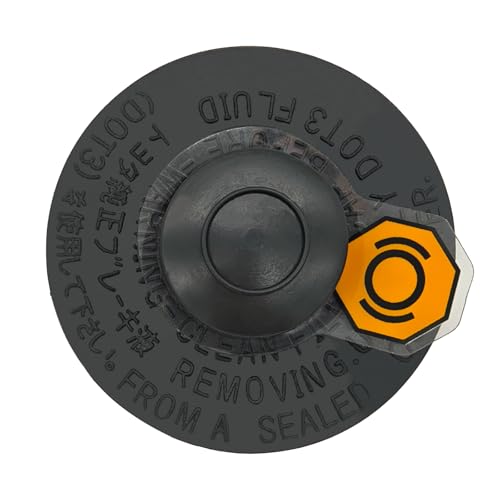
LESHIAUTO’s cap is another replacement for Toyota’s 47230‑20140 part number. I recommend swapping caps when you see cracking, warping, or missing seals. Even a small air leak can draw in moisture and speed up fluid degradation. That is the quiet enemy of brake performance, especially in climates like the southern US where humidity spikes in summer storms. If you use premium DOT 3, it makes sense to guard it with a cap that actually seals. When I test fit these caps, I look for a solid click‑on feel and gasket compression that’s even around the rim of the reservoir.
This cap fits many Toyota, Scion, and Lexus models, including common Prius years. In real use, a cap like this reduces the odds of a soft pedal under load because the fluid absorbs moisture more slowly. It also helps keep dust and engine bay debris out, which is crucial if you’ve recently opened the system for a bleed. If you’re shopping the Best Brake Fluids for Toyota Prius, think of the cap as your insurance policy. It’s cheap, simple, and easy to replace while you’re already under the hood with the cowl cover pulled back.
Pros:
- Compatible replacement for 47230‑20140 cap across many models
- Tight seal helps protect fluid from water and dust
- Simple DIY install saves time and money
- Supports consistent pedal feel over time
- Good value for preventative maintenance
Cons:
- Aftermarket tolerance can vary slightly versus OEM
- No indicator for wear—inspect the gasket regularly
- Does not include reservoir or fluid
My Recommendation
Choose this if your cap is suspect or you want a fresh seal to protect new fluid. It’s best for owners who want the Best Brake Fluids for Toyota Prius to last longer between flushes. If you park outdoors, deal with dust, or live in a humid area, it’s an easy win. Small parts protect big systems, and this is one of the best low‑cost defenses your brakes have.
| Best for | Why |
|---|---|
| Humid climates | Helps slow moisture ingress into DOT 3 fluid. |
| Older caps | Replaces cracked or loose caps that can leak air. |
| Preventive care | Protects brake fluid health after bleeds or flushes. |
TRQ Brake Kit with Fluids for 2004-2008 Prius

This TRQ kit targets 2004‑2008 Prius models and includes rotors, drums, pads, shoes, and fluids. When you tackle a full brake job, fresh fluid is essential. Old fluid can hide air or moisture, which hurts pedal feel and can cause noise or uneven braking. I like that TRQ includes fluids because it nudges DIYers to refresh the hydraulics while replacing hardware. Your hybrid brake system blends regen up front with hydraulic braking, so clean fluid supports smooth transitions and consistent stopping. If you want the Best Brake Fluids for Toyota Prius, match them with new friction parts for a full reset.
The coated rotors and drums help resist corrosion, and ceramic pads keep dust low and noise in check. After any major brake work, I always perform a careful bleed, following the service manual steps for the Prius ABS actuator. This lowers the chance of trapped air in the system. If you plan to use different premium fluid, verify the included fluid’s spec and quality. DOT 3 is the go‑to for this generation Prius. With the right technique, this all‑in‑one kit can bring your braking back to factory‑fresh feel and keep your Best Brake Fluids for Toyota Prius performing as intended.
Pros:
- All‑in‑one kit simplifies a complete brake refresh
- Includes fluids to encourage a proper bleed or flush
- Ceramic pads offer quiet operation and low dust
- Coated rotors/drums resist rust and extend life
- Compatibility for 2004‑2008 Prius makes ordering easier
Cons:
- Kit quality depends on included fluid spec and brand
- Bleeding Prius ABS requires care and the right steps
- More expensive up front than piecemeal fixes
My Recommendation
Pick this if your Gen 2 Prius needs a full brake overhaul and you want one box with matching parts and fluids. It’s best for drivers who value convenience and want the Best Brake Fluids for Toyota Prius properly integrated into a complete service. If your rotors pulse, drums groan, or pads squeal, this kit plus a careful bleed can deliver a big, immediate improvement.
| Best for | Why |
|---|---|
| Full brake refresh | Includes rotors, drums, pads, shoes, and fluids for one‑stop service. |
| DIY convenience | Matched components reduce guesswork and compatibility issues. |
| Restoring pedal feel | Fresh fluid and parts help recover factory‑like braking. |
Detroit Axle Brake Kit for 2010-2015 Prius

For 2010‑2015 Prius (and 2012‑2015 Plug‑In Prius), this Detroit Axle kit bundles front and rear rotors with ceramic pads. While it doesn’t include fluid, I always link hardware swaps with a brake fluid flush or at least a bleed. New pads and rotors feel their best with fresh, moisture‑free fluid behind them. This generation Prius still calls for DOT 3 in the US, so plan on a bottle or two of the genuine Toyota fluid or an equivalent high‑quality DOT 3. That’s a key piece of getting the Best Brake Fluids for Toyota Prius to perform with new friction parts.
Detroit Axle ceramic pads run quiet once bedded in and typically generate less dust. The rotor sizes match the Prius spec, helping ensure proper ABS response and brake balance. Any time I install new hardware, I check the reservoir cap condition too and replace it if the gasket looks tired. A strong seal preserves fluid quality longer, which means more stable pedal feel over months of driving. This kit makes sense if your Gen 3 Prius shudders or squeals. Pair it with a careful flush to lock in the benefits and protect the Best Brake Fluids for Toyota Prius you choose.
Pros:
- Complete front and rear hardware kit for Gen 3 Prius
- Ceramic pads support quiet, low‑dust braking
- Matched components help maintain brake balance
- Good value for a multi‑axle refresh
- Pairs well with a planned DOT 3 fluid flush
Cons:
- No brake fluid included—buy separately
- Proper bedding and torque steps are required
- Shipping weight can be high for DIY delivery
My Recommendation
Choose this if your 2010‑2015 Prius needs both front and rear brakes. It’s best for budget‑minded owners who want a complete hardware refresh and plan to add the Best Brake Fluids for Toyota Prius during the job. The combo of ceramic pads, new rotors, and fresh fluid restores confidence and keeps ABS and hybrid blending happy.
| Best for | Why |
|---|---|
| Gen 3 Prius owners | Directly compatible sizes and pad compounds. |
| Value refresh | Front and rear set simplifies ordering and saves time. |
| Quiet daily driving | Ceramic pads reduce noise and brake dust. |
Yojunauto Reservoir Cap (47230-20140)

Yojunauto’s cap is a popular 47230‑20140 replacement that fits many Toyota models, including Prius. When I check caps, I look at the gasket, the molded threads, and the tether. A cap that seals with a firm twist and doesn’t wobble is what you want. That keeps humid air out of your reservoir and helps the Best Brake Fluids for Toyota Prius stay within their designed boiling range. Moisture lowers boiling points, which can show up as a soft pedal after repeated braking, or even a warning light if ABS detects a problem.
Installation is simple: remove the old cap, inspect the reservoir lip, wipe away dust, and thread on the new cap until snug. Don’t over‑tighten. If you recently opened the system for pad or rotor replacement, or you bled the calipers, a fresh cap is smart. It lowers the risk of contamination. If you live somewhere dusty or you park outdoors, this is a low‑cost layer of protection. Protecting the Best Brake Fluids for Toyota Prius is as much about the cap as it is about the fluid itself. Keep both in good shape and you’ll feel it in daily driving.
Pros:
- Direct cap replacement for many Toyota/Scion applications
- Clean gasket and threads for a tight, secure seal
- Simple, tool‑free installation
- Protects against dust and moisture intrusion
- Affordable way to support fluid health
Cons:
- Aftermarket cap; verify fit on your specific model year
- Quality can vary compared to OEM parts
- No indicator for cap wear; periodic visual checks needed
My Recommendation
Get this if your original cap is suspect or missing. It’s best for owners who want to extend the life of the Best Brake Fluids for Toyota Prius with a simple preventive step. Pair it with a high‑quality DOT 3 fluid and a careful bleed for the best results. The small cost pays back in consistent pedal feel and less frequent fluid changes.
| Best for | Why |
|---|---|
| Cap replacement | Restores proper reservoir sealing and venting. |
| Outdoor parking | Helps keep dust and moisture out of the system. |
| Post‑bleed protection | Guards new fluid from contamination after service. |
KOWWONG Brake Fluid Reservoir Cap

KOWWONG’s cap is a budget replacement that fits many Toyota reservoirs. It is a small part with a big job: protect your fluid from the air. The cap’s gasket seals the opening, while a controlled vent allows pressure to equalize without pulling in humid air. When I’m advising Prius owners on the Best Brake Fluids for Toyota Prius, I always mention the cap because fluid health declines faster when the seal is weak. If your cap is stained, cracked, or the threads don’t bite, swap it before your next bleed.
Fit and finish are the keys. This cap threads on with minimal play, and the gasket feels pliable enough to seat well. It’s easy to overlook as you chase squeaks or a soft pedal, but a sound cap combined with fresh DOT 3 fluid brings back that confident, firm feel. If you’ve been topping off repeatedly, investigate for leaks and check the cap. Brake systems are sealed; fluid drops usually mean pad wear or a leak, not evaporation. Keep your cap fresh, your fluid clean, and your braking will stay sharp. That’s how the Best Brake Fluids for Toyota Prius keep their edge.
Pros:
- Affordable cap replacement for many Toyota models
- Helps sustain brake fluid quality and boiling point
- Quick, easy install for DIY maintenance
- Supports steady pedal feel and ABS consistency
- Good preventative step during brake service
Cons:
- Not an OEM Toyota cap
- Durability varies; inspect gasket at each service
- No included instructions; rely on basic know‑how
My Recommendation
If you’re cost‑conscious but careful, this cap is a smart buy. It’s best for drivers who want to preserve the Best Brake Fluids for Toyota Prius without paying OEM prices. Use it when your old cap shows wear or after a fluid change. Pair with genuine or premium DOT 3 fluid and proper bleeding steps for the best stopping feel.
| Best for | Why |
|---|---|
| Budget protection | Low cost, high value in preserving fluid quality. |
| DIYers | Fast, tool‑free replacement during routine service. |
| Daily drivers | Supports consistent braking in mixed conditions. |
FAQs Of Best Brake Fluids for Toyota Prius
Which brake fluid does a Toyota Prius use?
Most US Prius models specify DOT 3 brake fluid. Always check your owner’s manual or under‑hood label to confirm.
Can I use DOT 4 in a Prius?
Many DOT 4 fluids are backward compatible, but Toyota commonly recommends DOT 3. Use DOT 3 unless your manual states otherwise.
How often should I change Prius brake fluid?
Inspect yearly. In humid or hot climates, many techs flush every 2–3 years. Follow your service schedule and test fluid if unsure.
Why does the reservoir cap matter?
A tight cap slows moisture entry. That preserves boiling point, protects ABS valves, and keeps pedal feel firm.
Can old brake fluid damage the ABS actuator?
Moisture and contamination can corrode internal parts and reduce valve function. Fresh, correct fluid lowers that risk.
Final Verdict: Which Should You Buy?
If you want a sure bet, pick Genuine Toyota DOT 3 for the Best Brake Fluids for Toyota Prius and pair it with a quality 47230‑20140 reservoir cap. That combo protects your system and keeps pedal feel crisp.
Need more than fluid? Choose a matched brake kit for your Prius generation, then flush with DOT 3. The right fluid, a fresh cap, and careful bleeding give you quiet, confident stops every day.

I’m Sarah, a passionate product analyst and content contributor specializing in automotive accessories at CaroraHub. With a keen eye for detail and a love for hands-on testing, I deliver honest, data-driven reviews that help shoppers make smarter buying decisions.