For U.S. drivers, the main difference is how each car sends power to its wheels. The Toyota Prius uses a power-split hybrid system with an electronically controlled transmission, while the Hyundai Ioniq Hybrid pairs its engine and motor with a six-speed dual-clutch transmission. The Prius is sold new in the United States; the Ioniq Hybrid is a used-car choice here, so compare specific model years rather than treating them as current rivals.
Both are conventional hybrids: they recharge their small batteries while driving and do not need to be plugged in. The Ioniq can be very efficient, but the newer Prius brings more power in its latest generation. Which suits you depends on the model year, driving feel, fuel economy, price, and condition of the car.
The quick answer
Choose the Prius if you want a new hybrid or prefer its power-split system and current model options. Consider a used Ioniq Hybrid if fuel economy and purchase price matter most and you find a well-maintained car. Their different transmissions are the key technology distinction: the Prius does not shift through set gears like the Ioniq.
That difference shapes how each car feels. The Prius usually delivers smooth, steady acceleration, while the Ioniq’s transmission can shift between gears. Neither design is automatically better for every driver; a test drive can reveal which one you prefer.
| Feature | Toyota Prius, 2023 and newer | Hyundai Ioniq Hybrid, U.S. models through 2022 |
|---|---|---|
| Hybrid layout | Gas engine, electric motor or motors, and a power-split device | Gas engine, electric motor, and six-speed dual-clutch transmission |
| Gas engine | 2.0-liter engine in the fifth-generation Prius | 1.6-liter engine |
| Combined system output | 194 hp with front-wheel drive; 196 hp with all-wheel drive | 139 hp |
| Example EPA fuel economy | 2023 Prius LE front-wheel drive: 57 mpg combined | 2022 Ioniq Blue: 58 mpg combined |
| New-car availability in the U.S. | Sold new | Used vehicles only |
Specifications vary by trim, drivetrain, and model year. The EPA figures above are examples, not a direct test of two cars in the same year and configuration.

How the two hybrid systems work
Both cars combine a gasoline engine with an electric motor and a small battery. The car’s control system decides when to use the engine, electric motor, or both. Braking can also send some energy back to the battery; this is called regenerative braking.
The main difference is how the engine and motor connect to the wheels. Toyota uses a power-split arrangement. Hyundai uses a transmission with distinct gears and clutches.
Toyota Prius: power split, not a regular belt CVT
The Prius uses a planetary gear system to link the engine and electric motor or motors. The system can blend their power without shifting through a fixed set of gears. Toyota calls the transmission an electronically controlled continuously variable transmission, or eCVT.
Despite the name, this is not the same as a belt-and-pulley CVT found in some other cars. The planetary gearset manages the relationship between engine speed and wheel speed. As a result, the engine may rev at a steady pace during hard acceleration, even as the car gains speed.
The 2023 Prius introduced a 2.0-liter engine and a stronger hybrid system than the prior generation. Toyota lists 194 horsepower for front-wheel-drive models and 196 horsepower for all-wheel-drive models. The exact equipment and output depend on model year and trim.
Hyundai Ioniq Hybrid: motor assist and a six-speed dual-clutch transmission
The Ioniq Hybrid uses a 1.6-liter gasoline engine, an electric motor, and a six-speed dual-clutch transmission. A dual-clutch transmission uses two clutches to manage gear changes. The electric motor can assist the engine and help move the car under some conditions.
Because it has set gears, the Ioniq can feel more like a conventional automatic than the Prius. Drivers may notice gear changes, especially at low speeds or when accelerating. How noticeable they are can depend on driving style and the car’s condition.
The Ioniq Hybrid’s combined output is 139 horsepower. Hyundai’s U.S. Ioniq Hybrid models ended after the 2022 model year, so buyers shopping for one will be looking at used cars.
Read More: Toyota Prius Vs Camry Hybrid Maintenance Costs
Fuel economy: how to compare the numbers
Use EPA ratings for a quick comparison, but check the exact year, trim, and drivetrain. A 2023 Prius LE front-wheel-drive model is rated at 57 mpg combined, while the 2022 Ioniq Blue is rated at 58 mpg combined. Those figures suggest similar EPA-rated fuel use for these examples, despite the Ioniq’s earlier model year.
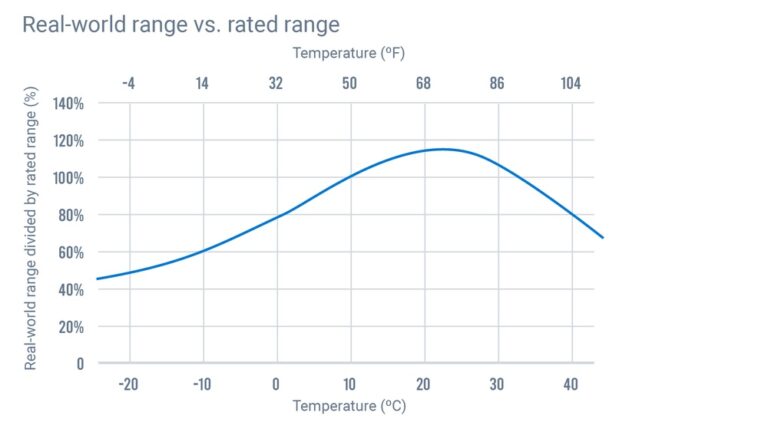
EPA ratings are estimates from standardized tests, not a promise of what a specific driver will get. Speed, weather, hills, tire condition, traffic, and trip length can all affect fuel economy. Short cold-weather trips, for example, may leave less time for a hybrid system to reach efficient operating conditions.
A simple calculation can show what a one-mpg difference means on paper. If you drive 12,000 miles in a year, a car rated at 57 mpg would use about 211 gallons; one rated at 58 mpg would use about 207 gallons. That is roughly four gallons apart before real-world conditions and fuel prices are considered.
For a useful estimate, apply this formula to the rating and annual mileage for the specific car you are considering:
Annual gallons used = miles driven per year ÷ combined mpg
Then compare fuel cost, insurance quotes, purchase price, and likely maintenance. A small EPA fuel-economy gap may matter less than a large difference in used-car price or condition.
What the technology feels like on the road
The Prius tends to deliver smooth, continuous acceleration because its power-split system does not shift through fixed gears in the usual way. Under hard acceleration, engine noise may rise before road speed catches up. That sound is a characteristic of how the system manages engine speed, not by itself proof of a fault.
The Ioniq’s dual-clutch transmission changes gears, so its response may feel more familiar to drivers used to conventional automatic transmissions. A test drive is especially useful in slow traffic and during gentle acceleration, when transmission behavior can be easier to notice.
The newer Prius has substantially more combined power than the Ioniq Hybrid’s 139 horsepower. That can matter when merging or passing, but horsepower alone does not determine how a car feels. Vehicle weight, tires, road conditions, and power delivery also play a part.
Buying and owning a used Ioniq Hybrid
A used Ioniq Hybrid can be worth considering if its price, condition, and features fit your needs. Since U.S. Ioniq Hybrid production ended with the 2022 model year, compare it with used Priuses of similar age and mileage—not just with a new Prius.
Before buying, check the vehicle history and arrange an inspection by a qualified mechanic familiar with hybrids. Ask for a check of the high-voltage hybrid system and the transmission, and look for warning lights, unusual behavior, or incomplete service records. A test drive should include low-speed traffic, steady cruising, and normal acceleration.
Hybrid battery coverage depends on the car’s model year, original warranty terms, location, and ownership history. Do not assume a warranty transfers in the same way for every used vehicle. Ask a Hyundai dealer to check the VIN and confirm any remaining coverage in writing.
Both vehicles contain high-voltage components. Do not open, probe, or attempt to repair the hybrid battery or high-voltage wiring yourself. Use a technician trained to service the specific vehicle.
Which one should you choose?
The Prius is the more straightforward option if you want to buy new in the United States. It also makes sense if you prefer its smooth power delivery or want the added output of the current generation.
The Ioniq Hybrid may suit you if you are shopping used and find one with a strong inspection, clear history, and a price that beats comparable alternatives. Its EPA-rated fuel economy can be very close to that of a newer Prius in selected trims, but age and condition matter more than a small difference in the rating.
Before deciding, compare the exact cars by model year, trim, mileage, condition, and total cost. Drive both if possible. The transmission difference is easier to judge from the driver’s seat than from a specification sheet.

FAQs Of Toyota Prius Vs Hyundai Ioniq Hybrid Technology
Is the Hyundai Ioniq Hybrid a plug-in hybrid?
No. The regular Ioniq Hybrid charges its battery while driving and does not require a charging cable. Hyundai also sold an Ioniq Plug-in Hybrid, which is a separate model with a larger battery that can be charged from an external power source.
Is the Prius eCVT the same as a belt CVT?
No. The Prius uses a planetary gearset in its power-split hybrid system. Its eCVT manages engine and motor power without the belt-and-pulley layout used in some conventional CVTs.
Which gets better gas mileage?
It depends on the exact model year, trim, and drivetrain. For example, the 2022 Ioniq Blue is rated at 58 mpg combined, while the 2023 Prius LE front-wheel-drive model is rated at 57 mpg combined. Check the EPA listing for the specific vehicle you plan to buy.
Is a used Ioniq Hybrid worth considering?
It can be, if the price and condition are right. Check the service and vehicle history, have the car inspected by a hybrid-qualified mechanic, and confirm any remaining warranty by VIN.
Can either car run on electricity alone?
Both can use electric power in some driving situations, but their batteries are designed for hybrid operation, not long electric-only trips. Their engines may start as needed based on speed, power demand, temperature, battery charge, and other system controls.
Conclusion
The Prius and Ioniq Hybrid use different ways to combine engine and electric power. Toyota’s power-split system avoids conventional gear shifts, while Hyundai’s six-speed dual-clutch transmission changes gears. For U.S. shoppers, the Prius is available new; the Ioniq Hybrid is a used-car option whose value depends on its specific condition and warranty status.
Compare exact EPA ratings and total ownership costs, then test-drive the cars if you can. A small difference in rated mpg may matter less than the vehicle’s price, service history, and the way its transmission feels to you.

I am Julian Drive, an automotive enthusiast and repair expert with over 7 years of hands-on experience in vehicle maintenance. At Carora Hub, I simplify complex car issues into easy-to-follow DIY guides to help drivers stay safe and save on repair costs.