If you own a Toyota Prius, you know how important it is to keep your car running smoothly. One key part of that is using the right coolant.
With many coolant options on the market, it’s easy to feel lost. Pick the wrong fluid and you risk corrosion, poor heat transfer, leaks, or even costly engine repairs. In this guide I’ll tell you exactly what coolant a Toyota Prius needs, why it matters for hybrid systems, and how to maintain the cooling system for long life and reliable performance.
I’ve owned and worked on Priuses for years, so I’ll share practical tips I’ve used myself. Stick with me and you’ll learn how to protect your engine, inverter, and hybrid battery cooling components so your Prius stays efficient and trouble-free.
Coolant Basics
Understanding coolant basics helps you pick the right product for your Prius. Coolant (also called antifreeze) moves heat away from the engine and hybrid components. It prevents freezing in cold weather and stops corrosion inside the cooling system. Using the correct coolant helps your engine, radiator, water pump, and hybrid inverter last longer.
Role Of Coolant
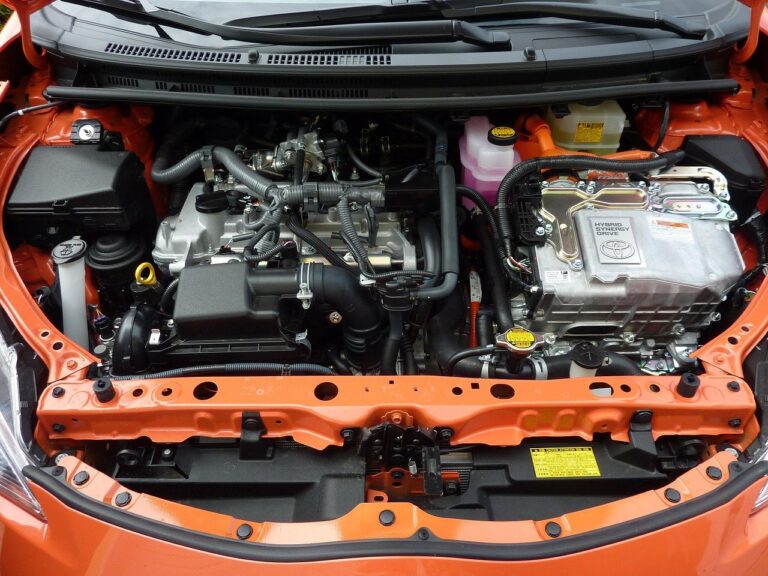
Coolant absorbs heat from the engine and from hybrid components (like the inverter and battery cooling circuits). The fluid carries that heat to the radiator where air cools it. This cycle keeps operating temperatures in a safe range. Coolant also adds freeze protection and corrosion inhibitors. Without proper coolant, parts can overheat, corrode, or fail prematurely.
Types Of Coolants
Coolants are blends of water and antifreeze chemicals. The two common base chemicals are ethylene glycol and propylene glycol. The formulation and additives differ. Modern engines—especially hybrids—often need long-life organic acid technology (OAT) coolants. These last longer and protect aluminum and other metals better.
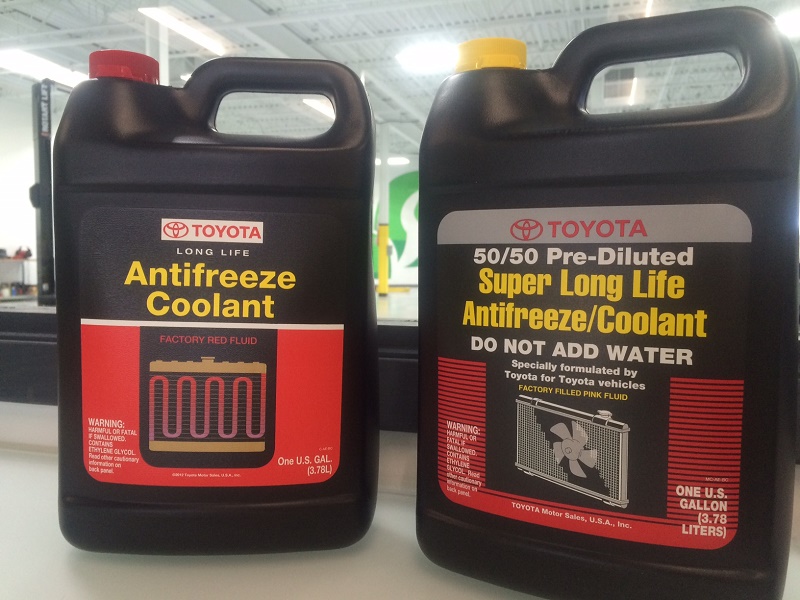
For the Prius, Toyota typically specifies a long-life, ethylene glycol-based coolant that is pink or red. That color often signals OAT chemistry. But color alone isn’t the full story: the chemical formulation and manufacturer approval matter most. Using the wrong type can reduce cooling performance or harm seals, hoses, and the radiator.
Credit: carspecmn.com
Toyota Prius Coolant Specs
The Prius uses a specific type of long-life coolant. Knowing the specs helps you buy the right product and maintain the system properly. Below I break down the recommended coolant type, capacity range, color, and what the composition means for your hybrid car.
Recommended Coolant Type
Toyota recommends Toyota Super Long Life Coolant for most Prius models. This is an ethylene glycol-based, long-life formulation often called “Toyota LL Coolant.” It uses OAT (organic acid technology) corrosion inhibitors. The benefits are long service intervals and strong protection for aluminum components and hybrid cooling parts.
Why this matters: hybrid systems add more heat sources (inverter and battery). The long-life formulation helps protect metal surfaces and seals over many heat cycles. If you are buying aftermarket fluids, choose a product labeled as compatible with Toyota long-life or OEM specifications, and one that explicitly states OAT and ethylene glycol chemistry.
Coolant Capacity
The total coolant capacity on a Toyota Prius varies by model year and whether you include all circuits (engine plus inverter/battery cooling). In many Prius models, the engine cooling system holds roughly 6 to 7 liters. Always confirm the exact number in your owner’s manual or service manual before filling. Overfilling or underfilling can cause poor heat control or create pressure issues in the system.
When doing a full flush, plan for extra fluid. You’ll also need distilled water if diluting or flushing. Keep any capped coolant containers sealed and labeled to avoid mixing types later.
Coolant Color And Composition
Toyota Super Long Life Coolant is usually pink or red. The pink color typically indicates OAT chemistry. That chemistry uses organic acids as corrosion inhibitors and gives longer life vs older green (inorganic additive) coolants.
Composition: the coolant is ethylene glycol plus OAT additives. Ethylene glycol gives strong freeze and boil protection. OAT additives protect aluminum and other metals used in modern cooling systems. Remember: color is a quick visual cue but not a guarantee. Always read the label and match the chemical type to Toyota’s recommendation.
Choosing The Right Coolant
Choosing the right coolant for your Prius protects the engine, radiator, heater core, water pump, and hybrid components. It also keeps your warranty in good standing if you need service. Below I explain OEM vs aftermarket, how to check compatibility, and the real risks of mixing fluids.
OEM Vs Aftermarket Options
OEM coolant (Toyota Super Long Life Coolant) is made to Toyota’s specs. It’s a safe pick and removes guesswork. Aftermarket brands make compatible long-life coolants too. Some are cheaper and meet the same performance standards. When choosing aftermarket fluid, check the label for wording like “compatible with Toyota long-life coolant,” “OAT,” and “ethylene glycol-based.” Read user reviews and look for manufacturer certifications.
Bottom line: OEM is safest. A reputable aftermarket OAT coolant that lists Toyota compatibility can be a good, cost-effective choice.
Compatibility With Prius Components
Modern cooling systems use aluminum radiators and plastic components. Prius systems also include electrical items such as the inverter coolant loop and thermal management for hybrid batteries. The coolant you choose must resist corrosion and be safe for aluminum, brass, solder, plastic, and rubber hoses. Using the wrong coolant can cause swelling, leaks, or pump failure.
Always check the product data sheet (PDS) or safety data sheet (SDS) for compatibility notes. If you’re unsure, use Toyota-approved coolant or consult a dealer or trusted mechanic.
Mixing Coolants: Risks And Tips
Mixing different coolant types is risky. For example, mixing traditional inorganic inhibitors (green) with OAT (pink/red) can reduce protection. Some mixes can form sludge, cause gel-like deposits, or neutralize corrosion inhibitors. That reduces heat transfer and may clog narrow passages like heater cores.
Tips:
- If you must top off, add the same type and color already in the system.
- If you plan to switch types (for example, from green to Toyota LL pink), flush the system completely first.
- Keep spill-free and label containers so you don’t mix fluids next time.
Coolant Maintenance Tips
Good coolant maintenance prevents overheating, corrosion, and premature part failure. Small checks often stop big problems later. Below are simple steps I use on my own Prius to keep things in top shape.
Checking Coolant Levels
Check the coolant level in the translucent reservoir regularly. The tank has “MIN” and “MAX” marks. Check levels when the engine is cold to avoid burns. If the level is low, top up with Toyota Super Long Life Coolant or a compatible OAT coolant. Never open the radiator cap on a hot engine—pressure can cause scalding coolant to spray out.
I check mine every month and after long trips. Low levels can indicate a leak, so look for puddles or a sweet smell under the car.
When To Replace Coolant
Toyota typically recommends replacing the Prius coolant around every 100,000 miles or 10 years for many models. That long interval is one reason Toyota LL coolant is used—its inhibitors last much longer than older formulas. Still, you should inspect the coolant visually and test it periodically. If the fluid looks rusty, cloudy, or has debris, replace it earlier.
Follow the schedule in your owner’s manual. If you drive in extreme climates or tow frequently, consider checking the coolant condition more often.
Signs Of Coolant Problems
Common signs of coolant trouble:
- Engine overheating or temperature gauge rising fast.
- Sweet, syrupy smell near the engine or inside the cabin.
- Puddles or colored fluid under the car (pink/red, green, or orange depending on coolant).
- Rough idle, fluctuating temperature gauge, or heater not working well.
- Milky oil on the dipstick (this can indicate coolant in the oil and a possible head gasket issue).
Catch these early. I’ve seen simple hose clamp replacements prevent bigger failures when caught at the leak stage.
DIY Coolant Replacement
Replacing coolant yourself can save money and teach you about your Prius. The steps below are a general guide. Always follow your model’s service manual for exact procedures, torque specs, and safety details.
Tools Needed
- Coolant specific for Toyota Prius (usually Toyota Super Long Life Coolant)
- Drain pan to catch old coolant
- Funnel for pouring new coolant
- Socket wrench or screwdriver to open drain plug
- Gloves to protect your hands
- Rags or paper towels for spills
- Distilled water (if diluting coolant)
Step-by-step Process
- Make sure the engine is cool before starting.
- Locate the radiator drain plug under the car.
- Place the drain pan under the plug and open it to drain old coolant.
- Close the drain plug securely after draining.
- Open the coolant reservoir cap on top of the engine.
- Use the funnel to pour new coolant into the reservoir.
- Fill until the coolant reaches the “Full” mark.
- Close the reservoir cap tightly.
- Start the engine and let it run for a few minutes to allow thermostat opening and to circulate coolant.
- Check for leaks and ensure coolant level stays steady. Add more if the level drops after circulating.
Extra steps I recommend: set the heater to high with the fan on low while the engine circulates. This helps remove air pockets from the heater core. Re-check levels after a short drive and top up again if needed. Proper bleeding reduces the chance of hotspots and overheating.
Safety Precautions
- Never open the radiator cap when the engine is hot.
- Wear gloves to avoid skin contact with coolant.
- Dispose of old coolant properly; it is toxic and harmful to animals.
- Work in a well-ventilated area.
- Keep coolant away from children and pets.

Credit: www.reddit.com
Troubleshooting Coolant Issues
Troubleshooting early saves money. Coolant problems can stem from leaks, contamination, or failing parts like the water pump, thermostat, or radiator. Below I list common symptoms, likely causes, and basic fixes so you can diagnose the issue or give your mechanic better information.
Overheating Symptoms
Signs of overheating:
- Steam from under the hood.
- Temperature gauge rising quickly or staying in the red zone.
- Loss of power, unusual smells, or coolant boiling.
If you see these, pull over safely and let the engine cool. Check coolant level in the reservoir when the engine is cold. Driving while the engine overheats can warp heads or ruin the catalytic converter.
Leaks And Their Causes
Common leak sources:
- Hoses with cracked ends or loose clamps.
- Radiator or heater core corrosion.
- Water pump seal failure.
- Failed gaskets or head gasket issues (rare, but serious).
Look for puddles under your car or dampness around components. Coolant color can help identify the fluid, but color is not definitive—use the smell and location to help. Repair leaks quickly. Even a small drip can lower coolant level and cause overheating over time.
Dealing With Contamination
Contaminated coolant looks dirty, rusty, or cloudy. This reduces heat transfer and can clog passages. If you see debris or a brownish color, flush the system and refill with fresh Toyota-approved coolant.
Steps to address contamination:
- Drain old coolant fully into a proper container.
- Flush with distilled water until it runs clear.
- Refill with the correct coolant mix (follow the product label for concentration).
- Dispose of old coolant according to local hazardous-waste rules.
Regular checks prevent contamination from building up. I flush mine if the fluid shows signs of discoloration or after any major repair that opens the cooling system.
Frequently Asked Questions
What Type Of Coolant Is Recommended For Toyota Prius?
Toyota Prius typically uses Toyota Super Long Life Coolant. It is a pink, ethylene glycol-based antifreeze that uses OAT inhibitors. This coolant prevents corrosion and overheating. Always check your owner’s manual for the exact product recommendation for your model year.
Can I Use Regular Coolant In A Toyota Prius?
Using “regular” older-style coolant (inorganic additive types, often green) is not advised for most Priuses. The Prius uses a long-life OAT formula. Mixing or using the wrong chemistry can reduce protection and damage system parts. Stick to Toyota-approved coolant or a compatible OAT aftermarket product.
How Often Should Toyota Prius Coolant Be Replaced?
Toyota recommends replacing Prius coolant around every 100,000 miles or 10 years for many models. Check the owner’s manual for your model year’s schedule. Inspect the coolant visually between changes and replace earlier if the fluid looks contaminated or degraded.
Is Toyota Super Long Life Coolant Pink Or Green?
Toyota Super Long Life Coolant is pink. The pink color usually indicates OAT (organic acid technology) chemistry. Color is a helpful cue, but always confirm the coolant type on the product label or the vehicle manual.
Bottom Line About What Type of Coolant is Used in a Toyota Prius
Choosing the right coolant keeps your Toyota Prius running smoothly and protects critical components like the engine, radiator, water pump, and hybrid cooling circuits. For most Priuses, Toyota Super Long Life Coolant (pink, ethylene glycol OAT) is the right choice. Use Toyota-approved or compatible aftermarket OAT coolants, avoid mixing chemistries, and follow the recommended service intervals.
Simple maintenance—regular level checks, timely flushes, and fixing leaks early—goes a long way. I’ve seen Priuses run reliably for many miles when owners follow these basic steps. Use the right coolant, keep the system clean, and your Prius will reward you with better performance and longer life.

Hello, I’m Norman. I work as a car researcher. I am the voice behind CaroraHub. I have over 15 years of experience. I give simple and useful car advice. I help with car care, cleaning, and small repairs. My goal is to help you keep your car healthy. I want car care to be easy and cheap for you. You can trust my tips to keep your car working well for a long time.