The ability to swap parts between different vehicle versions is limited because toyota prius parts interchangeability depends strictly on the model generation and the specific hybrid platform architecture. You can’t assume that a component from one year will fit another, even if the parts look identical to the naked eye.
Understanding Toyota Prius Part Compatibility
Most mechanical and electronic systems in a Prius are designed for a specific generation. If you try to mix parts from different generations, you’ll likely encounter communication errors between the car’s computer and the new component. Always verify the part number against your vehicle’s specific VIN to avoid wasting time and money on incompatible hardware.
Generational Differences and Platform Constraints
Each generation of the Prius uses a unique electronic architecture and chassis design. A part designed for a 2010 model often lacks the necessary sensors or mounting points required for a 2016 model.
Distinguishing Between Model Years
Manufacturers update software and hardware mid-cycle, which means even cars from the same generation may have different part requirements. You should check the production date on the door jamb sticker rather than just the model year. If the production month falls near a changeover period, the earlier part version may not work with the updated wiring harness.
Platform Sharing Across Toyota Models
Some components, such as basic brake pads or suspension bushings, are shared with other Toyota vehicles like the Corolla or Camry. However, these shared parts are usually limited to non-hybrid systems. If a part involves the high-voltage hybrid system, it’s generally specific to Toyota’s hybrid-electric vehicle (HEV) platforms rather than standard gasoline-only models.
Critical Components That Rarely Interchange
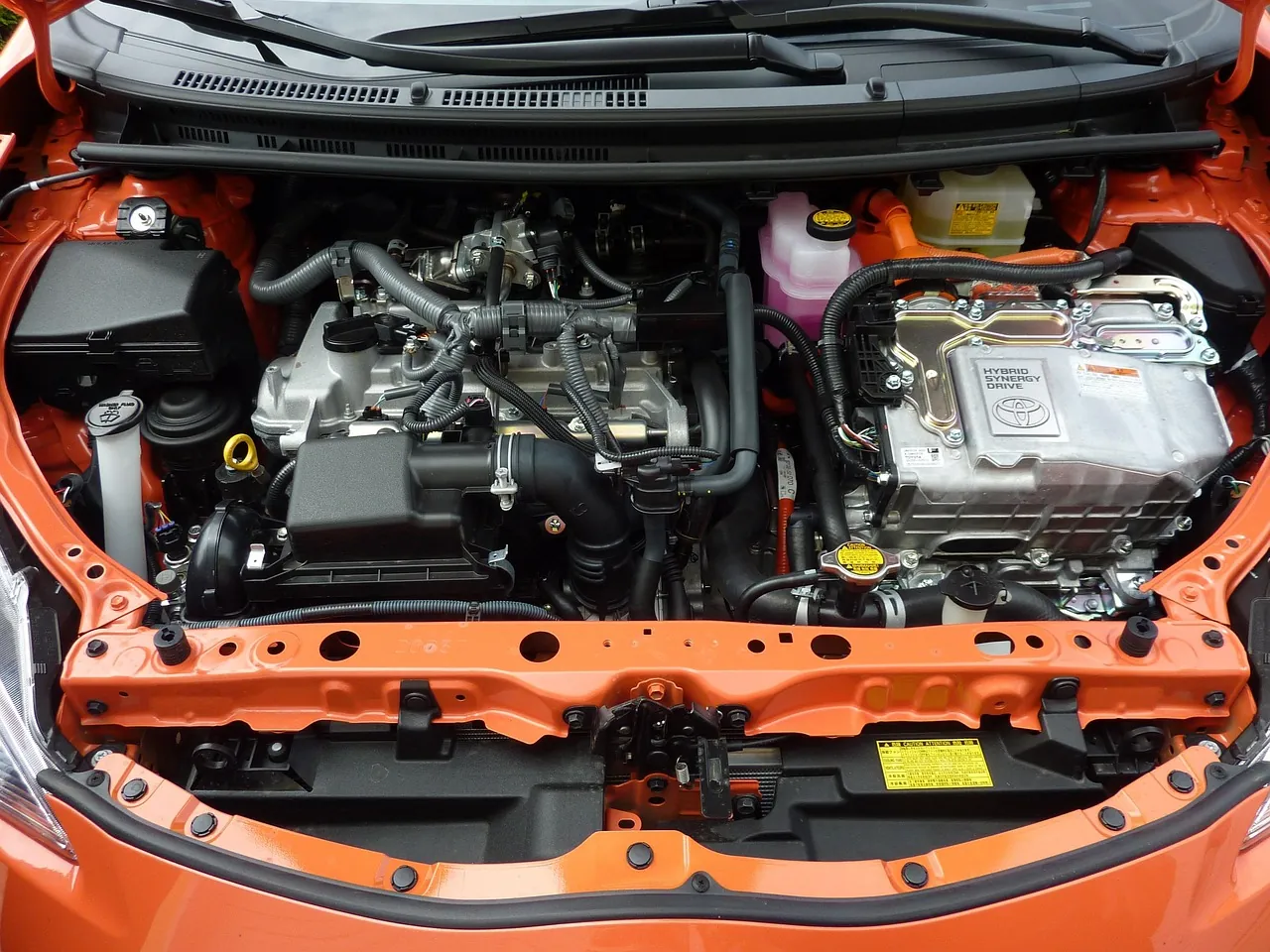
High-voltage systems are the most restrictive parts of the vehicle. These components are calibrated specifically for the power output and thermal management needs of a particular battery or motor setup.
Hybrid Battery Pack Variations
The battery chemistry and cooling requirements changed significantly between the second, third, and fourth generations. You can’t swap a lithium-ion pack into a vehicle designed for nickel-metal hydride batteries without major modifications to the battery management system. The Toyota official parts catalog provides the exact battery specifications for every VIN.
Inverter and Transaxle Specifics
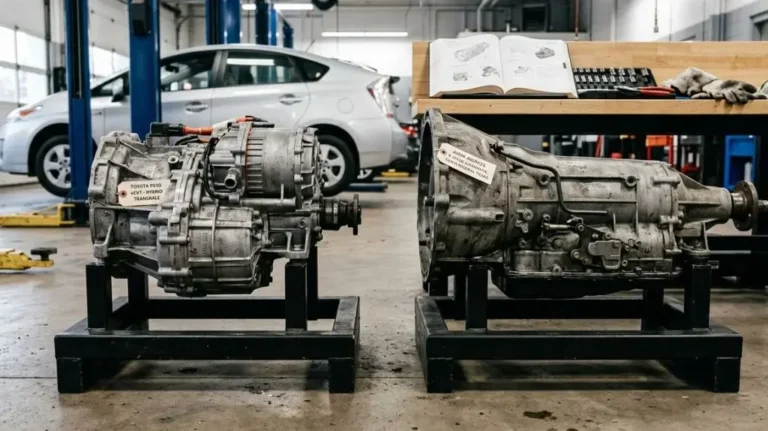
The inverter converts direct current from the battery into alternating current for the electric motor. Because the power ratings vary by generation, an inverter from an older Prius will likely trigger a fault code or fail to provide enough power to the motor. The transaxle also contains unique planetary gear sets that don’t match across different hybrid drive systems.
Mechanical Parts That Often Cross Over
Not every part is unique to the hybrid system. Many basic maintenance items and body parts are standardized to reduce manufacturing costs across the Toyota fleet.
Suspension and Braking System Components
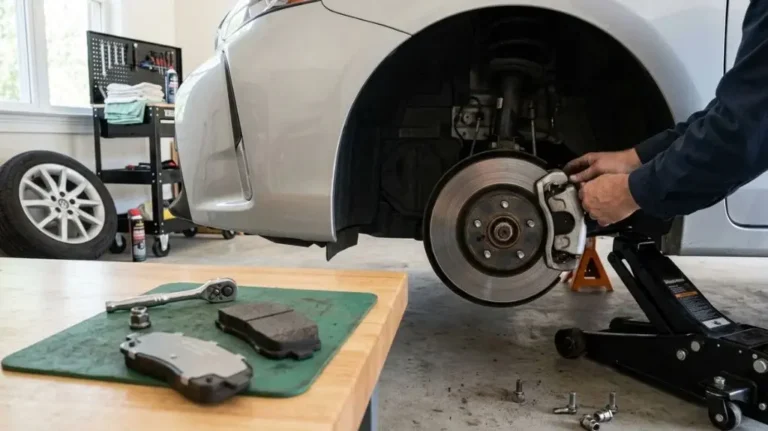
Basic suspension parts like sway bar links or shock absorbers are sometimes identical to those used on other Toyota compact cars. Always compare the physical dimensions and mounting bolt patterns before purchasing. If the bolt hole spacing is off by even a few millimeters, the part won’t seat correctly, which creates a safety risk.
Interior Trim and Exterior Body Panels
Body panels like door handles or interior clips are often shared across the platform. While the trim color may vary, the physical shape often remains the same for several years. This makes salvage yards a great resource for cosmetic repairs where the electrical integrity of the vehicle isn’t a concern.
How to Verify Part Numbers Using OEM Databases
The most reliable way to ensure a part fits is to search by your 17-digit VIN. Most online OEM databases allow you to enter this number to filter out incompatible parts. If a part number has been superseded by a newer version, the database will usually list the updated number for you.
Risks of Using Non-Compatible Hybrid Components
Using the wrong part in a hybrid system can cause immediate damage to the vehicle’s computer modules. If you install an incompatible inverter, you risk a short circuit that could destroy the hybrid battery or the electronic control unit. This mistake is expensive, as these modules often cost thousands of dollars to replace.
Sourcing Salvage Parts for Repairs

Salvage yards can save you money, but you must be careful with electrical components. If you buy a used part, check it for signs of water damage or corrosion on the pins. A common mistake is buying a “tested” part that was pulled from a crashed car without confirming it was working before the accident.
Frequently Asked Questions Of Toyota Prius Parts Interchangeability
Can I use a battery from a newer Prius in an older model?
No, the battery management systems and physical dimensions are different. You would need to replace the entire computer system, which isn’t cost-effective.
Are Prius engine parts compatible with non-hybrid Toyota engines?
Some internal engine parts, such as gaskets or spark plugs, might be shared. However, the hybrid-specific engine blocks are tuned for efficiency and have different mounting points for the electric motors.
Do Prius Prime parts fit the standard hybrid model?
The Prius Prime uses a larger battery and a different charging system. Most parts related to the drivetrain and electrical system are specific to the plug-in model and won’t fit the standard hybrid.
How do I identify if a salvaged part is genuine Toyota?
Look for the Toyota or Denso logo stamped directly onto the housing. If the part lacks these markings or the font looks blurry, it’s likely an aftermarket replacement and may not meet original factory specifications.
The compatibility of parts for your vehicle is determined by the specific generation and production date of your car. Always prioritize parts that match your VIN to ensure the safety and reliability of your hybrid system.
Conclusion
Before you buy any replacement, it’s best to verify your car’s production date and specific trim level. Don’t rely on guesswork when dealing with complex hybrid systems. Checking your VIN against a trusted dealer database will save you time and prevent headaches. You’ll be much safer if you confirm the fit first.

I am Julian Drive, an automotive enthusiast and repair expert with over 7 years of hands-on experience in vehicle maintenance. At Carora Hub, I simplify complex car issues into easy-to-follow DIY guides to help drivers stay safe and save on repair costs.