Have you ever wondered how long your car can keep running if the alternator starts to fail? Your alternator plays a crucial role in keeping your vehicle’s electrical system powered.
When it fails, you can feel stranded fast. I want to share clear, practical advice from real experience so you can spot problems early and make smart choices. You’ll learn the warning signs, what happens to your car, and safe steps to take if the alternator goes bad.
Read on—this simple knowledge can keep you moving and save you time and money.
Signs Of A Failing Alternator
The alternator charges the battery and runs electrical parts while the engine is on. When it starts to fail, small issues show up first. Catching them early keeps you from getting stuck.
Below are the common signs I look for when I suspect alternator trouble. I also note quick checks you can do yourself.
Dimming Or Flickering Lights
Headlights, interior lights, or dash lights may dim or flicker. This often happens at idle or when you rev. It means the alternator output is unstable. If lights change with engine speed, that is a strong clue.
Electrical Component Issues
Power windows slow down. The radio may cut out. Air conditioning can lose punch. These odd behaviors happen because the alternator cannot keep up with electrical demand. If multiple accessories act up at once, check the charging system.
Strange Noises
You might hear grinding, whining, or squealing from the engine bay. These sounds can come from a worn alternator bearing or a failing pulley. If you hear new noises near the alternator, get it checked.
Warning Lights On Dashboard
The battery, ALT, or charging-system light may turn on. That means the car’s computer sees a charging issue. Don’t ignore it. Even if the car runs, the battery may be draining.
Quick self-check
- Turn on headlights while idling. Watch for dimming when you rev the engine.
- Tap the alternator casing (engine off). A loose pulley or worn bearing may make noise.
- Note any dashboard lights and the driving conditions when they appeared.
Credit: www.autozone.com
How A Bad Alternator Affects Car Performance
The alternator keeps the battery topped up and powers electronics while you drive. When it fails, the battery must carry the load alone. That changes how the car feels and works.
Battery Drain And Its Impact
A weak alternator can’t recharge the battery. The battery voltage falls. Lights dim and electrical gear slows. If the battery drops too low, the car may not restart after you stop.
Engine Stalling Risks
Modern engines use many electronic systems. Low voltage can cause misfires, hesitation, or stalling. This is dangerous in traffic. If the engine stalls and won’t restart, the alternator likely failed long enough for the battery to drain.
Reduced Electrical System Efficiency
As alternator output falls, systems work less well. Power steering assistance (in some cars), heated seats, and climate control can lose performance. Electronic sensors and modules may act odd. You’ll notice the car feels less reliable.
Voltage numbers to know
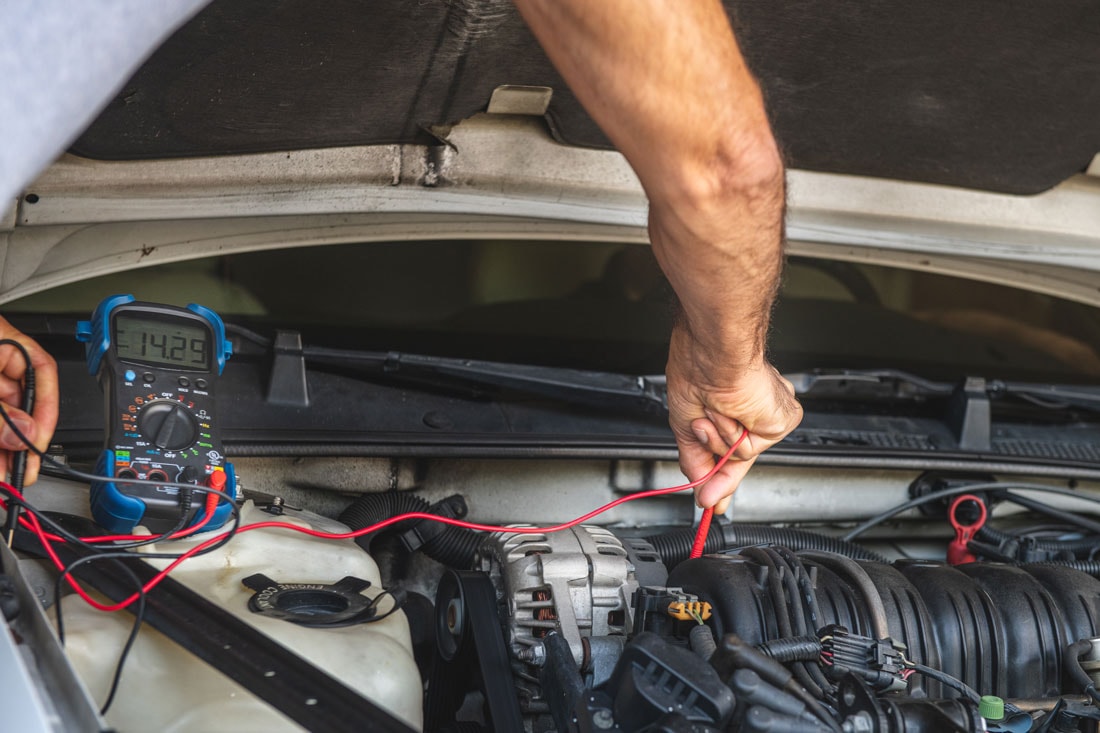
Use a multimeter if you have one. These are useful checks I use myself:
- Engine off, healthy battery: ~12.6 volts.
- Engine running, healthy alternator: ~13.5–14.5 volts.
- If running voltage is under ~13 volts, the alternator may be failing.
Typical Timeframe For Driving With A Bad Alternator
How long you can drive with a bad alternator depends on the battery and how you drive. In short: the car only has the battery’s stored energy once the alternator stops working. That energy does not last long under load.
Factors Influencing Driving Duration
Key factors I look at:
- Battery health: A fresh battery can supply power longer. An old one dies fast.
- Electrical load: Headlights, heater fans, and infotainment speed up drain.
- Weather: Cold reduces battery capacity more than mild weather.
- Vehicle type: Older cars with fewer electronics may last longer than modern cars with many systems.
Average Distance Before Failure
In my experience and based on common reports, many cars run between 20 and 60 miles after the alternator fails. Time-wise, that is often 30 to 90 minutes. But results vary. A weak battery or heavy night driving can cut that to minutes.
Variations By Vehicle Type
Smaller, simpler cars may limp along a bit longer. Heavy trucks, modern cars, and vehicles with many electronics will use the battery faster. Hybrids and EVs use different systems; their behavior differs. Always check your owner’s manual for specifics.
Real-world example
Once, I had a late-model sedan show a battery light while I was 10 miles from home. I turned off the radio, dimmed lights, and made it home on battery power—about 25 minutes of driving. If I had kept everything on, I likely would have stalled sooner.

Credit: oldoxtire.com
Risks Of Driving Too Long With A Faulty Alternator
Driving with a failing alternator can cause more than a dead battery. It can lead to safety issues and costly repairs. I always advise people to limit driving and get a diagnosis quickly.
Complete Battery Drain
Without the alternator, the battery will eventually die. When it does, the car will not start and could die while driving. That can leave you stranded at a bad time or place.
Potential Engine Damage
Low or unstable voltage can harm sensors and ignition systems. Misfires or erratic operation can damage catalytic converters or other parts. Small electrical faults left unchecked can become expensive repairs.
Safety Hazards On The Road
Loss of headlights, turn signals, or power steering (where electric-assisted) increases crash risk. Stalling on a busy road is dangerous. If you notice charging problems, aim to stop in a safe place as soon as practical.
Cost considerations
Replacing an alternator is usually cheaper than repairing related engine or electronic damage. Replacing the alternator early can save you money and headaches.
Steps To Take When Alternator Fails
When an alternator fails, act quickly and calmly. Below are practical steps I’ve used and recommended to others. They reduce risk and help you get the car fixed.
Follow these actions to protect the battery and get help safely.
Immediate Actions To Prevent Damage
Quick steps to save battery life and stay safe:
- Turn off unneeded electrical items: radio, A/C, seat heaters, phone chargers.
- Use low beam headlights only. High beams drain battery more.
- Drive slowly and avoid heavy acceleration to reduce electrical demand.
- Head straight to a safe location or repair shop—don’t run errands.
If you stall on the road
If the engine dies while driving, steer safely to the shoulder. Turn on hazard lights (if they still work). Call roadside assistance. A tow may be the safest option if you’re on a busy road.
How to jump-start and what to expect
Jump-starting can get you going short-term. But if the alternator is bad, the battery will drain again. Use a jump only to reach a shop. A portable jump starter is handy. If you must jump-start:
- Follow the jump device instructions carefully.
- Start the donor vehicle or jump pack, then start your car.
- Drive directly to a mechanic—do not rely on the jump for long trips.
Alternator Repair Vs Replacement
Decide with your mechanic whether to repair or replace the alternator. My rule of thumb:
- Repair small faults only if the alternator is otherwise healthy and parts are available.
- Replace the alternator if bearings, the voltage regulator, or the diode pack are failing or the unit is old.
- Get a unit with a warranty when possible. New or remanufactured alternators often carry better warranties than repairs.
Finding A Reliable Mechanic
Look for a shop with good reviews and experience in electrical systems. Ask about exact parts, labor, and warranty. Get a written estimate. A good mechanic will test the charging system and explain what failed.
What to ask your mechanic
- Can you test the alternator and battery with a load test?
- Do you replace the belt and pulley if needed?
- Is the voltage regulator internal or external on this model?
- What warranty covers the new alternator and labor?

Credit: ultrabrightlightz.com
Preventing Alternator Issues
Preventive care is the best way to avoid being stranded. I follow a few simple checks to keep my charging system healthy.
Regular Maintenance Tips
Easy maintenance helps a lot:
- Inspect the alternator belt (serpentine belt) for cracks or glazing. Replace when worn.
- Keep battery terminals clean and tight. Corrosion reduces charging efficiency.
- Have the charging system tested during routine service or when you replace the battery.
- Replace the battery when it shows signs of aging. A weak battery stresses the alternator.
Monitoring Electrical System Health
Watch your dash and how the car behaves. Regular voltage checks with a multimeter help. I check voltages during seasonal tune-ups:
- 12.6V engine off = healthy battery.
- 13.5–14.5V engine running = alternator charging properly.
Signs To Watch Early
Catch problems early by watching for:
- Dim or flickering lights at idle.
- New noises from the alternator area.
- Slow accessory operation.
- Dashboard charging warning lights.
Simple seasonal checklist
- Before winter: test battery capacity and alternator output.
- Before a long trip: check belts and charging voltage.
- After battery replacement: verify alternator is not overcharging.
Frequently Asked Questions
How Far Can A Car Go With A Bad Alternator?
A car can typically run 20 to 60 miles with a bad alternator. This depends on battery health and how many electrical items are on. Some cars last longer, others much less.
What Are The Signs Of A Failing Alternator?
Common signs include dim or flickering headlights, electrical issues, dashboard warning lights, strange noises, and engine hesitation. Any of these should prompt a charging-system check.
Can A Car Battery Die From A Bad Alternator?
Yes. A bad alternator can’t recharge the battery. Over time the battery will drain and die. That leaves you with a car that won’t start or may stall while driving.
Is It Safe To Drive With A Bad Alternator?
It is not safe to drive long with a bad alternator. Short, cautious trips to a repair shop are usually OK if you limit electrical use. Long trips or driving in heavy traffic increases risk.
Conclusion On How Long Can a Car Run With a Bad Alternator
A failing alternator can turn a normal drive into an emergency. Most cars will run for 30 minutes to an hour, or about 20–60 miles, depending on battery health and electrical load. But that is not a guarantee. If you see dim lights, hear odd noises, or get a charging warning, act fast.
Turn off extra electronics. Drive only to a safe place or shop. Test the battery and alternator voltage, and replace the alternator if needed. These steps protect your car and keep you safe. Take care early—your car and your wallet will thank you.

I am Julian Drive, an automotive enthusiast and repair expert with over 7 years of hands-on experience in vehicle maintenance. At Carora Hub, I simplify complex car issues into easy-to-follow DIY guides to help drivers stay safe and save on repair costs.