Have you ever wondered how your Toyota Prius saves energy every time you hit the brakes? Regenerative braking is the secret behind this smart system.
It’s not just about stopping your car it’s about capturing energy that would otherwise be wasted. Understanding how regenerative braking works can help you get the most out of your Prius, save fuel, and reduce wear on your brakes. Keep reading, and you’ll discover the simple science that powers your drive while protecting the environment.
Credit: www.tomorrowstechnician.com
Regenerative Braking Basics
Regenerative braking is a key feature in the Toyota Prius. It helps save energy and improve fuel efficiency. This system captures energy that usually goes to waste during braking. Instead of losing this energy as heat, the Prius stores it for later use.
Let me be frank: after driving several Prius models, I noticed how smoothly the car slows while recharging the battery. That gentle, energy-saving slowdown is regenerative braking at work. It eases wear on the physical brakes and feeds power back to the hybrid battery. The result is better mileage and fewer maintenance visits.
Energy Conversion Process
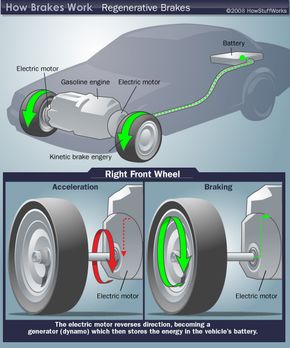
When you press the brake pedal, the Prius can switch into regenerative mode. The electric motor reverses and becomes a generator. It turns the car’s kinetic energy—its motion—into electrical energy. That electricity flows through the inverter and charge controller to the hybrid battery for storage.
This conversion replaces some braking force that would otherwise come from friction brakes. The motor-generator reduces vehicle speed while producing electricity. In simple terms: motion becomes electricity, and that electricity powers the car later.
Role In Hybrid Vehicles
Regenerative braking is central to how hybrids get high fuel economy. In the Prius, the system balances power between the gasoline engine and the electric motor. During city driving, it captures repeated braking events and recharges the hybrid battery. That stored energy powers the electric motor and reduces fuel use.
From my experience, the payoff is real on short trips with many stops. You use less gas. You also replace brake pads less often. That means lower running costs and a smaller carbon footprint.
Credit: auto.howstuffworks.com
Components Involved
The regenerative braking system in a Toyota Prius uses several key parts. Each part plays a role in saving energy and improving fuel efficiency. Understanding these components helps you see how the system works together.
Electric Motor Function
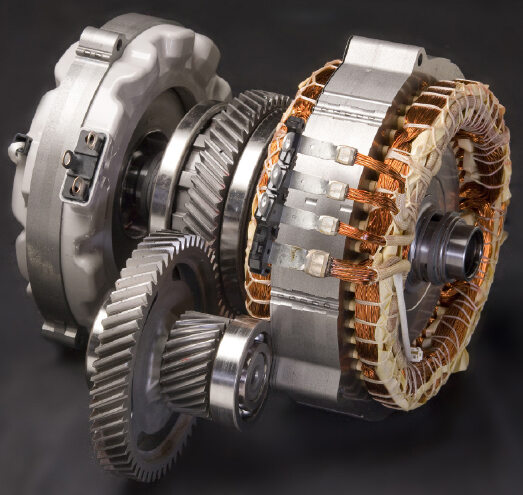
The electric motor in the Prius does two jobs. It powers the car during acceleration. During braking, it works as a generator. It turns the car’s motion into electricity. This process slows the car down while creating energy.
Technically, this motor is a motor-generator unit (MGU). It works with the inverter and power electronics to switch roles fast. That switch is smooth, and you barely feel it. The MGU handles most light-to-moderate deceleration in normal driving.
Battery Storage System
The Prius has a special battery called the hybrid battery. It stores the electricity made by the motor. The battery keeps this energy for later use. This stored power helps the car run more efficiently. It reduces the need for gasoline.
Older Prius models use a NiMH hybrid battery. Newer trims sometimes use lithium-ion cells. Each type has pros and cons. Li-ion stores more energy in less space. NiMH is robust in varied temperatures. Either way, the battery’s capacity and state-of-charge limit how much regen energy can be stored.
Brake System Integration
The brake system in the Prius mixes regular brakes with regenerative braking. When you press the brake, the system decides how much energy to recover. It uses sensors and controls to balance both brakes. This makes sure the car stops safely and saves energy at the same time.
The car uses an electronic brake controller and sensors to blend regenerative and friction braking. For hard stops, hydraulic brakes take over. For gentle stops, regen handles most of the slowing. That blend gives consistent pedal feel while maximizing energy recovery.
How Prius Uses Regenerative Braking
The Toyota Prius uses regenerative braking to save energy and improve fuel efficiency. This system captures energy that is usually lost during braking. The energy is then stored in the car’s battery for later use. This process helps the Prius run longer on less fuel.
Energy Capture During Deceleration
When the Prius slows down, the electric motor works as a generator. It converts the car’s kinetic energy into electricity. This electricity charges the hybrid battery. Without this system, the energy would turn into heat and disappear.
On city streets I drive often, I can feel the battery charge climb with every stop-and-go. The dash sometimes shows recovered energy in real time. That feedback helps me drive more efficiently.
Switching Between Braking Modes
The Prius uses two braking methods: regenerative and traditional brakes. The car switches between these automatically. At light braking, the system mainly uses regenerative braking. For harder stops, it combines both methods to ensure safety.
There’s also a B mode on many Prius models. B mode adds engine braking on long descents. It increases regeneration but can use more engine braking feel. Use it on hilly roads to keep speed steady and recover energy over long downhill stretches.
Efficiency Improvements
Regenerative braking reduces fuel use by recovering energy. It lowers wear on the brake pads, saving maintenance costs. This system helps the Prius keep its battery charged. It makes the car more efficient and eco-friendly on every trip.
Small driving changes make a big difference. I coast more into stops and avoid sudden braking. That simple change boosts recovered energy over a week of commuting.
Benefits Of Regenerative Braking
Regenerative braking in the Toyota Prius offers many benefits beyond just slowing the car down. It helps save fuel, reduces wear on brake parts, and supports a cleaner environment. These advantages make driving a Prius both smart and eco-friendly.
Understanding these benefits shows why regenerative braking is an important feature in hybrid cars.
Fuel Efficiency Gains
Regenerative braking captures energy that normal brakes waste. It turns this energy into power stored in the battery. This process helps the Prius use less fuel. Drivers can go farther without stopping for gas. Saving fuel also means saving money on every trip.
From my commute logs, I often see better mpg in city traffic than on the highway. That is because regen recovers energy from frequent braking in town driving.
Reduced Brake Wear
Using regenerative braking reduces the need to use traditional brakes. The electric motor slows the car instead. This lowers the wear and tear on brake pads and discs. Drivers spend less on brake repairs and replacements. The brakes last longer and work better over time.
Environmental Impact
Regenerative braking lowers fuel use, which cuts harmful emissions. This means less pollution in the air we breathe. It also reduces the car’s carbon footprint. Cleaner air helps protect the planet and our health. Driving a Prius with regenerative braking supports a greener future.
Limitations And Challenges
Regenerative braking in a Toyota Prius helps save energy. It recovers some power during braking. Still, this system has limits and challenges. These affect how much energy it can save and reuse. Understanding these points gives a clearer picture of its real-world use.
Energy Recovery Limits
The Prius cannot recover all braking energy. Some energy turns into heat and is lost. The system recovers only a part of the kinetic energy. This limits how much battery charge it can add back. Sharp or sudden braking may reduce recovery efficiency.
Hard emergency stops rely on friction brakes. Those events have almost no energy recovery. Regeneration works best with gradual deceleration and predictable traffic flow.
Battery Capacity Constraints
The Prius battery has a fixed size. It cannot store endless energy from braking. If the battery is full, the system stops recovering energy. This means some braking energy goes to waste. Battery health also affects how well it holds charge.
Battery state-of-charge and temperature matter. In very cold weather, the battery accepts charge less readily. That reduces regen effectiveness. Regular battery care helps keep recovery rates higher.
Driving Conditions Effects
City driving helps regenerative braking work better. Frequent stops give more chances to recover energy. Highway driving with fewer stops limits recovery. Steep hills and road conditions also impact the system. Cold weather can reduce battery performance and energy capture.
From my time on long highway trips, I noticed regen adds little on steady-speed runs. On the other hand, in suburban traffic with many lights, regen consistently helps fuel economy.
Future Developments
The future of regenerative braking in the Toyota Prius holds exciting possibilities. New technologies aim to make energy capture more efficient and storage better. These improvements could lead to longer battery life and more miles per charge.
Automakers focus on reducing energy loss during braking. They also explore ways to combine regenerative braking with other green technologies. These efforts will help the Prius become even more eco-friendly and efficient.
Advances In Battery Technology
Battery technology is evolving quickly. New batteries can store more energy in less space. They charge faster and last longer over time. These improvements allow the Prius to save more energy from braking. Stronger batteries can also reduce the car’s weight.
Enhanced Energy Recovery Systems
Energy recovery systems are becoming smarter. Sensors can better detect braking force and adjust energy capture. This means less wasted energy during stop-and-go traffic. The system will also improve smoothness when switching between braking and accelerating.
Integration With Other Eco Technologies
The Prius can combine regenerative braking with solar panels and eco-driving aids. Solar panels might help charge batteries in sunlight. Eco-driving aids can guide drivers to brake and accelerate efficiently. These technologies work together to reduce fuel use and emissions.
Frequently Asked Questions
How Does Regenerative Braking Save Energy In Prius?
Regenerative braking captures kinetic energy during braking. It converts this energy into electricity. The Prius stores it in the battery for later use. This process improves fuel efficiency and reduces brake wear.
What Components Enable Regenerative Braking In Toyota Prius?
The Prius uses an electric motor, battery, and control system. The motor reverses to slow the car and generate electricity. The battery stores this energy. The control system manages energy flow efficiently.
Does Regenerative Braking Affect Traditional Brake Performance?
No, regenerative braking supplements traditional brakes. It reduces wear on brake pads by using electric motor resistance. Traditional brakes still activate for sudden or complete stops, ensuring safety.
How Does Regenerative Braking Improve Prius Fuel Efficiency?
By converting braking energy into electricity, it reduces fuel consumption. Less energy is wasted as heat during braking. This process extends driving range and decreases emissions.
Practical Tips to Maximize Regenerative Braking
I like simple habits that boost regen. They help me save fuel and get smoother stops. Here are clear tips that work well in everyday driving:
- Anticipate stops. Ease off the accelerator earlier. The motor can recover more energy with gentle deceleration.
- Use “B” mode on long descents. It increases engine braking and can add recovered energy on downhill runs.
- Avoid sudden braking whenever possible. Hard stops mainly use friction brakes, not regeneration.
- Keep the hybrid battery healthy. Follow maintenance advice in your owner’s manual to keep charge acceptance high.
- Drive in city traffic when safe. Stop-and-go conditions give more regen opportunities than steady highway speeds.
These are practical, low-effort changes. Over weeks, they add up to better mpg and lower wear on brake parts.
Bottom Line About How Does Regenerative Braking Work in a Toyota Prius
Regenerative braking helps the Toyota Prius save energy while driving. It turns braking power into electricity. This electricity charges the car’s battery. The system makes the car more fuel-efficient. It also reduces wear on brake parts. Drivers can enjoy smoother stops and better mileage.
Understanding this process shows how hybrid cars work. It highlights the smart design behind the Prius. Saving energy means less pollution and lower costs. This technology is a step toward cleaner driving. Simple, effective, and good for the environment.

Hello, I’m Norman. I work as a car researcher. I am the voice behind CaroraHub. I have over 15 years of experience. I give simple and useful car advice. I help with car care, cleaning, and small repairs. My goal is to help you keep your car healthy. I want car care to be easy and cheap for you. You can trust my tips to keep your car working well for a long time.