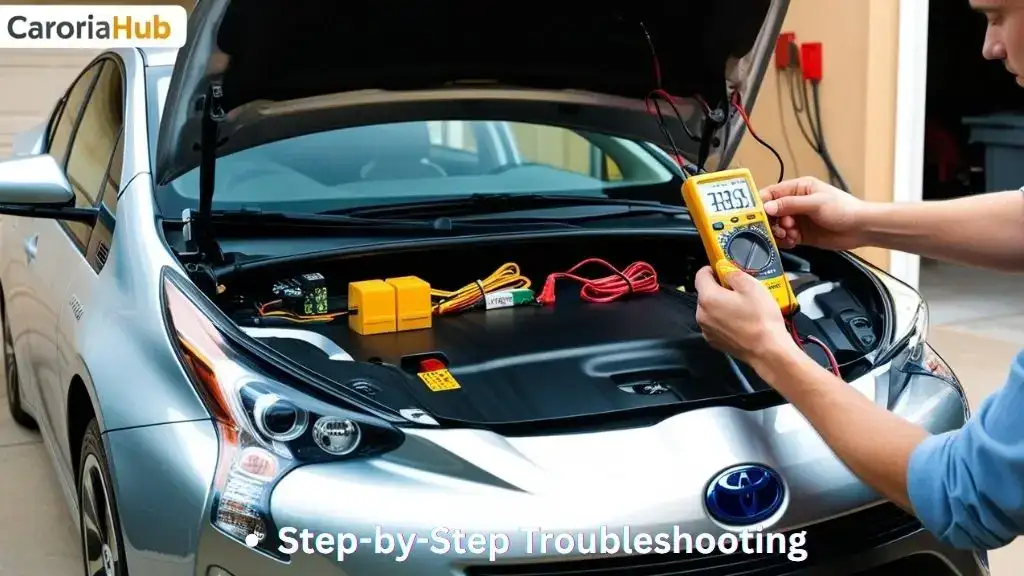
Are you facing electrical problems with your Toyota Prius and don’t know where to start? Electrical issues can be frustrating and confusing, especially when you rely on your Prius every day.
But don’t worry—this guide will help you quickly identify common electrical faults and show you simple steps to fix them. By understanding what’s happening under the hood, you’ll save time, avoid costly repairs, and get back on the road with confidence.
Keep reading to discover easy troubleshooting tips tailored just for your Prius.
Common Electrical Problems
Electrical problems in a Toyota Prius can affect many parts of the car. These issues may cause starting troubles, warning lights, or other electrical failures. Understanding common electrical problems helps you spot issues early and fix them properly. Here are some frequent problems Prius owners face.
Battery And Charging Issues
The hybrid battery is vital in a Prius. It can lose charge or wear out over time. Problems with the 12-volt battery also cause starting issues. Faulty charging systems can stop the battery from charging right. Regular checks of battery health prevent sudden failures.
Faulty Sensors
The Prius uses many sensors to run efficiently. Sensors can fail or send wrong signals. This may lead to poor engine performance or strange noises. Common sensors that fail include oxygen sensors and temperature sensors. Replacing bad sensors helps restore smooth operation.
Blown Fuses And Relays
Fuses protect the car’s electrical circuits. A blown fuse stops power to parts like lights or radio. Relays control power flow and can also fail. Checking fuses and relays is an easy first step in troubleshooting electrical faults. Replace any blown or faulty components quickly.
Dashboard Warning Lights
Warning lights on the dashboard alert you to electrical problems. The check engine light or battery light often indicates issues. These lights should never be ignored. Use a scan tool to read error codes. This helps identify the exact problem fast.
Read More: How to Maximize Electric Driving Range in a Toyota Prius
Tools Needed For Troubleshooting
Troubleshooting electrical issues in a Toyota Prius needs the right tools. These tools help find problems fast and fix them safely. Using proper tools saves time and avoids extra damage.
Here are the main tools you need for Prius electrical troubleshooting.
Multimeter
A multimeter checks voltage, current, and resistance in circuits. It shows if wires and batteries work correctly. This tool helps spot broken wires or dead batteries. Choose a digital multimeter for easy reading and accurate results.
Obd-ii Scanner
An OBD-II scanner reads error codes from your Prius’s computer. It tells you where the electrical problem might be. This scanner connects to the car’s diagnostic port. It helps save time by pointing to the exact issue quickly.
Basic Hand Tools
Basic hand tools like screwdrivers, pliers, and wire strippers are essential. They help open panels and repair connections. Use insulated tools for safety to avoid shocks. Good hand tools make the repair process smoother and safer.
Inspecting The Hybrid Battery
The hybrid battery is the heart of the Toyota Prius electrical system. It stores and supplies power to the car’s electric motor. Problems in this battery often cause electrical issues. Checking the hybrid battery can help find hidden faults early. This saves time and costly repairs.
Start by understanding the battery’s health and state. Then try resetting the battery system if needed. Both steps are simple and effective for troubleshooting.
Checking Battery Health
Use a diagnostic tool to read the battery’s status. Look for error codes related to battery performance. Check the voltage of each battery cell carefully. Uneven voltage means some cells may be weak or damaged. Also, inspect the battery casing for leaks or corrosion. A clean and dry battery usually works better.
Note any warning lights on the dashboard. These often signal battery problems. Compare battery data with Toyota’s recommended levels. Low capacity or high resistance means the battery needs service or replacement.
Resetting The Battery System
Resetting can clear minor errors in the battery system. First, turn off the Prius and open the hood. Locate the hybrid battery service plug. Remove it carefully to disconnect the battery. Wait for about 10 minutes before reconnecting the plug. This allows the system to reset fully.
After reconnecting, start the car and check for warning lights. If the lights disappear, the reset worked. If not, further diagnosis may be necessary. Resetting helps fix small glitches without tools or professional help.
Credit: www.darcarstoyotaoffrederick.com
Diagnosing Wiring Problems
Diagnosing wiring problems in a Toyota Prius is key to fixing electrical issues. Wiring faults cause many common problems. Finding these faults early saves time and money. Start with a careful inspection and testing. This approach helps locate damaged or broken wires.
Visual Inspection Tips
Begin by checking all wiring harnesses and connectors. Look for cracks, frays, or melted insulation. Pay close attention to areas near the engine and battery. These spots face heat and movement that can cause damage. Ensure all connectors are tight and free of corrosion. Dirt or rust on connectors can block electrical signals. Use a flashlight for a clear view inside tight spaces. Note any wires that look out of place or worn. These signs point to wiring problems needing repair.
Testing Continuity And Resistance
Use a multimeter to test wire continuity. This checks if electricity flows through the wire properly. Disconnect the battery before testing to avoid shocks. Set the multimeter to continuity mode. Touch the probes to both ends of the wire. A beep or low resistance reading means the wire is good. No beep or high resistance shows a break or damage. Test resistance to find partial breaks or corrosion inside wires. Higher resistance means poor wire condition. Replace or repair wires failing these tests. This step confirms wiring integrity and helps fix Prius electrical faults.
Fixing Common Sensor Errors
Sensors play a big role in your Toyota Prius. They help the car run smoothly and save fuel. Sometimes, sensors give wrong signals. This causes errors and warning lights. Fixing these sensor errors can save you time and money. Here are common sensors that may need attention.
Mass Air Flow Sensor
The mass air flow (MAF) sensor measures air entering the engine. Dirt or dust can clog it. A dirty MAF sensor causes poor engine performance and bad mileage. Clean the sensor carefully using MAF cleaner spray. Avoid touching the sensor wires. If cleaning does not help, replace the sensor.
Oxygen Sensor
The oxygen sensor checks exhaust gases to control fuel mix. A bad sensor causes rough idling and higher emissions. Use an OBD2 scanner to find oxygen sensor errors. Replace the sensor if it shows a fault. This improves fuel efficiency and lowers emissions.
Wheel Speed Sensors
Wheel speed sensors send data to the ABS system. Dirt or damage can cause sensor errors and ABS warning lights. Check sensors for dirt or loose wires. Clean the sensor area gently. Replace damaged sensors to keep ABS working correctly and ensure safe braking.

Credit: www.easternshoretoyota.com
Addressing Fuse And Relay Issues
Fuse and relay issues often cause common electrical problems in a Toyota Prius. These small parts protect your car’s electrical system from damage. They stop circuits from overloading and keep everything running smoothly.
Checking fuses and relays is a simple first step when troubleshooting electrical faults. Many problems, like lights not working or power windows failing, stem from blown fuses or faulty relays. Fixing these parts can save time and money.
Locating Fuse Boxes
Your Prius has two main fuse boxes. One is under the dashboard on the driver’s side. The other is in the engine compartment near the battery. Look for a black plastic box with a removable cover.
Inside the cover, you will find a diagram. It shows the fuse locations and their functions. This guide helps identify which fuse or relay controls the problem area. Use it to find the right part quickly.
Replacing Fuses And Relays Safely
Turn off the car before touching any fuse or relay. Remove the fuse box cover carefully. Use a fuse puller or needle-nose pliers to take out the faulty fuse or relay.
Check the fuse’s metal strip. If broken or burnt, replace it with one of the same size and rating. For relays, swap with a new one matching the original’s specifications.
Never use a fuse with a higher rating. It risks damaging electrical parts. After replacement, test the system to confirm the issue is fixed.
Resetting The Electrical System
Resetting the electrical system in your Toyota Prius can fix many common issues. It helps clear minor glitches and refreshes the car’s electronic controls. This process is simple and does not need special tools.
Below are two easy ways to reset your Prius electrical system. Each method can help solve different electrical problems.
Performing A Soft Reset
A soft reset is the quickest way to restart the electrical system. Start by turning off the car completely. Remove the key or press the power button to shut down.
Wait for about 10 minutes. This pause lets the system clear any temporary errors. After waiting, start the car again. Check if the electrical issues still appear.
This reset often fixes small glitches like dashboard warning lights or audio system errors. It is safe and does not affect your car’s settings.
Battery Disconnect Method
This method resets the system by cutting off the power supply. First, open the hood and find the 12-volt battery. Use a wrench to disconnect the negative terminal.
Leave the battery disconnected for about 15 minutes. This step helps drain leftover power from the system. Reconnect the battery terminal tightly after the wait.
Start the car to see if the problem is gone. This reset can fix deeper electrical faults. Be careful to avoid sparks or touching both battery terminals at once.

Credit: stevesautomotivespecialists.com
When To Seek Professional Help
Knowing when to seek professional help is key to fixing Toyota Prius electrical issues safely. Some problems need expert skills and special tools. Ignoring serious issues can cause more damage or risks. Recognize signs that show the problem is beyond basic troubleshooting. This saves time, money, and stress.
Complex Electrical Failures
Complex electrical failures need deep knowledge of car systems. Troubleshooting wiring, sensors, or control modules can be tricky. Professionals use advanced diagnostic tools to find hidden faults. They have training to handle delicate electrical parts safely. Attempting these repairs alone may cause further damage.
Hybrid System Repairs
The Prius hybrid system is highly specialized and sensitive. Repairing the battery, inverter, or electric motor requires expert care. Only trained technicians understand how to work on hybrid components. The high-voltage system can be dangerous without proper precautions. Trust professionals to maintain safety and ensure the system works well again.
Bottom Line
Troubleshooting Toyota Prius electrical issues takes patience and care. Start with simple checks like the battery and fuses. Use a scanner to read error codes quickly. Keep your car’s manual close for guidance. Small fixes often prevent bigger problems later.
Regular maintenance helps keep your Prius running well. Don’t ignore warning lights or strange sounds. Taking action early saves time and money. Trust your instincts and stay calm during repairs. Your Prius can run smoothly with the right steps. Stay safe and confident while working on your car.
FAQs About How to Troubleshoot Toyota Prius Electrical Issues
How To Identify Electrical Problems In A Toyota Prius?
Check warning lights on the dashboard first. Listen for unusual noises and inspect fuses. Use an OBD-II scanner to read error codes for precise diagnosis.
Why Does My Prius Battery Keep Dying?
The battery may be old or faulty. Excessive use of electrical accessories can drain it. Regularly check battery health and replace when needed to avoid issues.
Can I Fix Prius Electrical Issues Myself?
Minor issues like blown fuses or loose wires can be fixed at home. Complex problems require professional diagnostics and repair to ensure safety and proper function.
What Causes Prius Dashboard Warning Lights To Appear?
Warning lights can indicate low battery voltage, faulty sensors, or hybrid system faults. Promptly addressing these alerts prevents further damage and maintains vehicle safety.

Hello, I’m Norman. I work as a car researcher. I am the voice behind CaroraHub. I have over 15 years of experience. I give simple and useful car advice. I help with car care, cleaning, and small repairs. My goal is to help you keep your car healthy. I want car care to be easy and cheap for you. You can trust my tips to keep your car working well for a long time.