
Many Toyota Prius owners are surprised to discover their cars use more oil than expected. A car known for reliability and efficiency, the Toyota Prius stands out as a leader in hybrid technology. Yet, a common complaint has surfaced: excessive oil consumption, especially in certain model years.
This issue can catch drivers off guard, leading to engine problems, higher maintenance costs, and even potential engine failure if not addressed. Why does a car with such a strong reputation for quality face this problem? Let’s explore the real reasons behind the Toyota Prius burning so much oil, look at the affected years, and discuss practical solutions to keep your hybrid running smoothly.
Understanding Oil Consumption In The Toyota Prius
Before we look at causes, it’s important to know what “burning oil” means. All engines use some oil for lubrication. A small loss between oil changes is normal. But if your Prius is losing a quart every 1,000 miles or less, that’s not typical.
This higher-than-normal oil loss is what owners and mechanics call “burning oil. ”
Owners often notice this problem when the oil warning light comes on, or during routine oil checks. In some cases, the engine may run low on oil before the next scheduled change, putting the engine at risk. Ignoring oil loss can lead to serious engine damage.
Before you learn How to Reset Red Triangle Toyota Prius, you must address the root cause, which is often the excessive oil consumption discussed in this guide.
Which Toyota Prius Years Burn The Most Oil?
Not all Prius models are equal when it comes to oil burning. Some years are much more likely to have this issue. Here’s a summary:
| Pruis Generation | Model Years | Oil Burning Tendency |
|---|---|---|
| 2nd Generation | 2004–2009 | High (especially after 100,000 miles) |
| 3rd Generation | 2010–2015 | Moderate to High (depends on maintenance) |
| 4th Generation | 2016–present | Low |
The 2nd generation Prius (2004–2009) is most famous for oil burning problems, especially as the mileage climbs past 100,000. The 3rd generation (2010–2015) also sees cases, but less often. Newer models (2016 and later) rarely have this issue, thanks to improved engine design.

Why Does The Toyota Prius Burn So Much Oil?
This problem isn’t just bad luck. There are real mechanical reasons why the Prius engine uses more oil as it ages. Let’s break down the main causes.
1. Piston Ring Wear
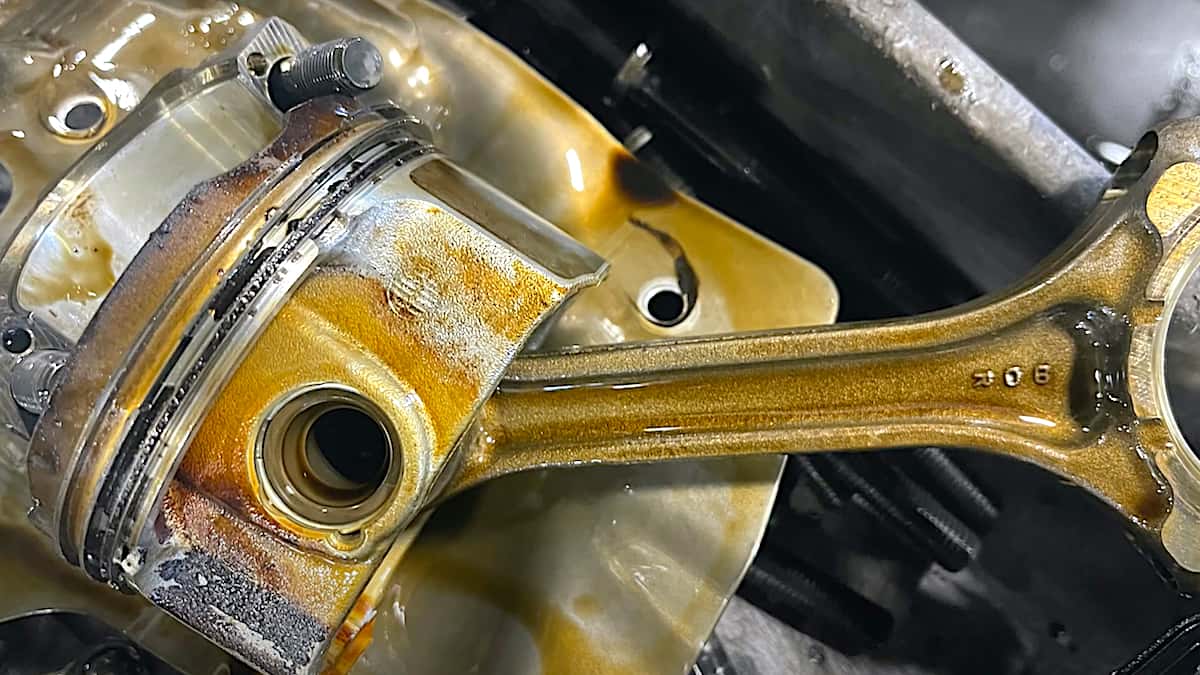
One of the most common reasons is worn piston rings. The piston rings are small metal bands that seal the gap between the piston and the cylinder wall. Their main job is to keep oil out of the combustion chamber.
In many high-mileage Priuses, these rings lose their shape or stick due to carbon buildup. When that happens, oil slips past the rings and gets burned with the fuel. This is the biggest reason for oil loss in older Prius engines.
2. Engine Design Factors
The 1.5L engine in the 2004–2009 Prius and the 1.8L in later models are built for efficiency. But the push for low emissions and better fuel economy led to tight engine tolerances. In simple terms, the parts fit together very closely.
This design reduces friction and helps fuel economy, but it also means there’s less room for error if oil control rings start to fail. Once the rings wear out, oil gets past more easily. The narrower oil control rings in these engines are more likely to get clogged, especially if oil changes are missed.
3. Long Oil Change Intervals
Toyota recommends oil changes every 5,000–10,000 miles. For some drivers, especially those using synthetic oil, this seems reasonable. But as the engine ages, old oil can break down and form sludge. This sludge sticks to piston rings and makes them less flexible.
Many Prius owners stretch oil change intervals, thinking hybrids are “easier” on engines. But this can speed up ring wear and increase oil burning. Regular, timely oil changes with high-quality oil are vital, especially as the car gets older.
4. High Operating Temperatures
Hybrids often run at higher temperatures, especially during city driving. The Prius uses its engine in short bursts, switching between electric and gas power. These cycles can lead to thermal stress on engine parts.
Frequent heating and cooling can harden and shrink the piston rings, making them less effective over time. Overheated oil also breaks down faster, which means less protection for your engine.
5. Pcv Valve Issues
The Positive Crankcase Ventilation (PCV) valve helps manage oil vapors inside the engine. If this valve gets clogged, pressure builds up and forces oil past the piston rings. Many Prius owners don’t realize the PCV valve needs regular inspection or replacement—neglecting it can make oil consumption worse.
6. Driving Habits
Short trips and stop-and-go driving are common for hybrid owners. But these habits are tough on engines. The engine doesn’t always reach full operating temperature, which leads to condensation and fuel dilution in the oil. This weakens oil’s protective qualities and can encourage sludge.
Drivers who do many short trips may see more oil burning, especially if oil changes aren’t frequent enough. Long highway drives are easier on the engine and can help keep piston rings cleaner.
7. Age And Mileage
As with any car, age and high mileage take a toll. Most Prius oil burning problems appear after 100,000 miles. The problem is more likely if the car was not maintained perfectly or if it saw hard use. Even the best-built engines wear down over time.
8. Previous Owner Neglect
Used Prius cars are popular because of their reputation. But if a previous owner skipped oil changes or used cheap oil, the damage may already be done before you buy the car. Always check maintenance records before buying a used Prius.
9. Oil Quality And Viscosity
Using the wrong oil grade or poor-quality oil can make problems worse. Toyota recommends 0W-20 or 5W-30 for most Prius models. Thicker oil can’t reach tight spaces, and thin, low-quality oil may break down too soon. Always use manufacturer-recommended oil.
10. Manufacturing Variations
Some engines simply have tighter or looser tolerances due to how they were made. Even within the same model year, not every Prius is the same. Some engines are more likely to develop oil burning issues because of small differences in factory assembly.
How To Identify If Your Prius Is Burning Too Much Oil
Not all oil loss is a problem. But how do you know if your Prius is burning more oil than it should? Watch for these signs:
- The oil warning light comes on before your next oil change.
- You need to add oil between changes (more than 1 quart per 1,000 miles).
- Blue smoke from the exhaust, especially when starting the car.
- Lower fuel economy than usual.
- Engine knocking or rough running (if oil is very low).
- Burning oil smell from the engine compartment.
If you notice these symptoms, act quickly. Running an engine low on oil can cause expensive damage.
Credit: www.torquenews.com
How Much Oil Loss Is Normal For A Prius?
Toyota and other car makers consider using up to 1 quart of oil every 1,200 miles as “normal” for high-mileage engines. But most healthy engines use much less.
Here’s how typical oil use compares:
| Mileage | Expected Oil Loss (per 1,000 miles) | Needs Attention? |
|---|---|---|
| Under 60,000 miles | 0–0.2 quarts | No |
| 60,000–120,000 miles | 0.2–0.5 quarts | Maybe |
| Over 120,000 miles | 0.5–1 quart or more | Yes |
If you’re adding more than a quart every 1,000 miles, it’s time to investigate.
What Can Prius Owners Do About Oil Burning?
Dealing with oil burning isn’t always easy, but there are steps you can take to slow or fix the problem.
1. Regular Oil Changes
Do not stretch oil changes. Stick to the schedule in your manual, or do them more often if your car is older or you drive in tough conditions. Use synthetic oil of the correct grade.
2. Use High-quality Oil
Some owners see better results with “high-mileage” synthetic oils. These oils have extra cleaners and additives to help reduce leaks and ring sticking. Brands like Mobil 1 High Mileage or Castrol GTX High Mileage are popular choices.
3. Check And Replace The PCV Valve
The PCV valve is cheap and easy to replace. A clogged PCV valve can make oil burning much worse, so check it every 60,000–100,000 miles.
4. Consider Engine Flushes (carefully)
A professional engine flush can remove sludge and free stuck piston rings. This sometimes reduces oil burning in mild cases. However, engine flushes are not always safe for very old or neglected engines—ask a trusted mechanic before trying this.
5. Keep An Eye On Oil Level
Check your oil level every 1,000 miles. Top up as needed. Never let the oil drop below the minimum mark.
6. Drive For Longer Periods
Short trips are tough on hybrids. Try to combine errands so your engine runs longer and reaches full temperature. This helps keep piston rings cleaner.
7. Repair Options
If oil burning is severe, you may need a major repair. This could include:
- Piston ring replacement (expensive, usually $2,000–$4,000)
- Engine rebuild or replacement (if damage is too great)
- Valve stem seal replacement (less common, but sometimes needed)
Often, the cost of repair is more than the value of an older Prius. In these cases, regular monitoring and oil top-offs may be the most practical solution.
Non-obvious Insights Most Owners Miss
Many Prius owners focus only on oil changes and miss other key points:
- Early Action Matters: If you notice oil loss early (before it’s severe), using high-quality oil and fixing the PCV valve can sometimes slow or stop the problem. Waiting too long means the rings are already damaged.
- Engine Braking Increases Oil Use: Prius hybrids use “engine braking” to recharge the battery during coasting or stopping. This puts extra stress on piston rings compared to other cars, especially if the rings are already dirty or worn.
- Hybrid Driving Cycles Create Unique Problems: The frequent start-stop cycles of the Prius engine can lead to uneven engine temperatures. This is harder on engine seals and rings than steady highway driving, which is why city-driven Priuses often see more oil burning.
Comparison: Prius Vs. Other Hybrids For Oil Burning
Is the Prius worse than other hybrids for oil burning? Not always, but it’s more common in certain years. Here’s a quick look:
| Hybrid Model | Years Affected | Oil Burning Reports |
|---|---|---|
| Toyota Prius | 2004–2015 | High |
| Honda Insight | 2010–2014 | Moderate |
| Ford Fusion Hybrid | 2010–2018 | Low |
| Hyundai Ioniq Hybrid | 2017–present | Very Low |
The Prius is not alone, but the 2nd generation (2004–2009) is more likely to burn oil than most other hybrids of its age.
How Toyota Has Addressed The Problem
Toyota is aware of oil burning issues in older Priuses. They have made several changes over the years:
- Improved piston ring design in later generations (2016 onward)
- Tighter quality control during engine assembly
- Updated service bulletins for mechanics, with tips on diagnosing and fixing oil burning
However, Toyota rarely issues recalls for this problem, since it’s seen as normal wear for high-mileage cars. Owners of affected cars must be proactive about maintenance and monitoring.
When Is Oil Burning A Real Danger?
While burning some oil is not immediately dangerous, neglecting the issue can lead to:
- Catalytic converter failure: Burning oil can clog this expensive part, causing emissions test failures and costly repairs.
- Engine damage: Running the engine low on oil can cause overheating, knocking, and total failure.
- Poor fuel economy: Oil burning reduces overall efficiency, which is the main selling point of the Prius.
If you notice oil burning, don’t ignore it. Check your oil often, use quality oil, and talk to a trusted mechanic about your options.
Preventing Oil Burning In The First Place
While you can’t change the past, you can reduce your risk with these habits:
- Follow the maintenance schedule exactly, with no skipped oil changes.
- Use only high-quality, recommended oil.
- Check the PCV valve every 60,000 miles.
- Avoid frequent short trips; combine errands when possible.
- Let the engine warm up fully before heavy use.
- Check oil level monthly, especially as your Prius ages.
These steps can keep your Prius running smoothly and help you avoid costly engine repairs.
For more technical details and background, you can visit the Toyota Prius Wikipedia page.
Taking care of your Prius with the right oil, timely maintenance, and regular checks is the best way to keep oil burning under control. While the issue is frustrating, it doesn’t have to end your hybrid’s long and efficient life.
With the right habits, your Prius can keep running smoothly for many more miles.
FAQs Of Why Does Toyota Prius Burn So Much Oil
Why Does My Prius Burn More Oil As It Gets Older?
Is Burning One Quart Of Oil Every 1,000 Miles Normal For A Prius?
Can Changing The PCV Valve Really Help With Oil Burning?
Will Engine Additives Or Flushes Stop Oil Burning?
Which Prius Years Are Least Likely To Burn Oil?

Hello, I’m Norman. I work as a car researcher. I am the voice behind CaroraHub. I have over 15 years of experience. I give simple and useful car advice. I help with car care, cleaning, and small repairs. My goal is to help you keep your car healthy. I want car care to be easy and cheap for you. You can trust my tips to keep your car working well for a long time.