
Has your Toyota Prius ever left you stranded with a dead battery? It’s frustrating when your car won’t start, especially when you need to be somewhere quickly.
But don’t worry—you can jump start your Prius safely and get back on the road in no time. In this guide, you’ll learn simple, step-by-step instructions designed just for your Prius. Follow along, and you’ll gain the confidence to handle this common problem without stress or confusion.
Keep reading, and never let a dead battery slow you down again.

Credit: www.youtube.com
Safety Tips Before Jump Starting
Jump starting a Toyota Prius requires care and attention to avoid injury or damage. Safety must come first before connecting any cables. Understanding key safety steps helps protect you and the vehicle during the process.
Check The Battery Condition
Look at the battery before jump starting. Avoid jump starting if the battery is cracked, leaking, or swollen. These signs mean the battery is unsafe. A damaged battery can cause sparks or explosions. Also, check for corrosion on battery terminals. Clean terminals ensure a good connection and prevent problems.
Prepare The Right Equipment
Use jumper cables with thick, insulated wires. Thin or damaged cables can overheat or break. Have a second vehicle with a fully charged 12-volt battery ready. The helping vehicle must be off before connecting cables. Wear safety glasses and gloves to protect your eyes and hands. Keep metal objects away from the battery area to avoid short circuits.
Read More: How to Replace a Toyota Prius Headlight Bulb
Avoid Common Hazards
Never smoke or use open flames near the battery. Batteries release flammable gases. Avoid touching both battery terminals with any tool or hand. Keep cables away from moving engine parts. Connect cables in the correct order to prevent sparks. Stand clear of the battery during the process for safety.
Credit: writing.rocks
Locate The Jump Start Terminals
Before jump starting a Toyota Prius, you must locate the jump start terminals. This step is important for safe and effective jump starting. The Prius does not have a traditional battery access under the hood. Instead, it uses special terminals made for jump starting. Knowing their location helps avoid damage and ensures a smooth process.
Open The Hood Safely
Find the hood release lever inside the car, usually near the driver’s side. Pull the lever to unlock the hood. Go to the front of the car and find the secondary latch under the hood. Lift the hood carefully and secure it with the hood prop rod. Make sure the hood stays open before you proceed.
Identify The Positive And Negative Terminals
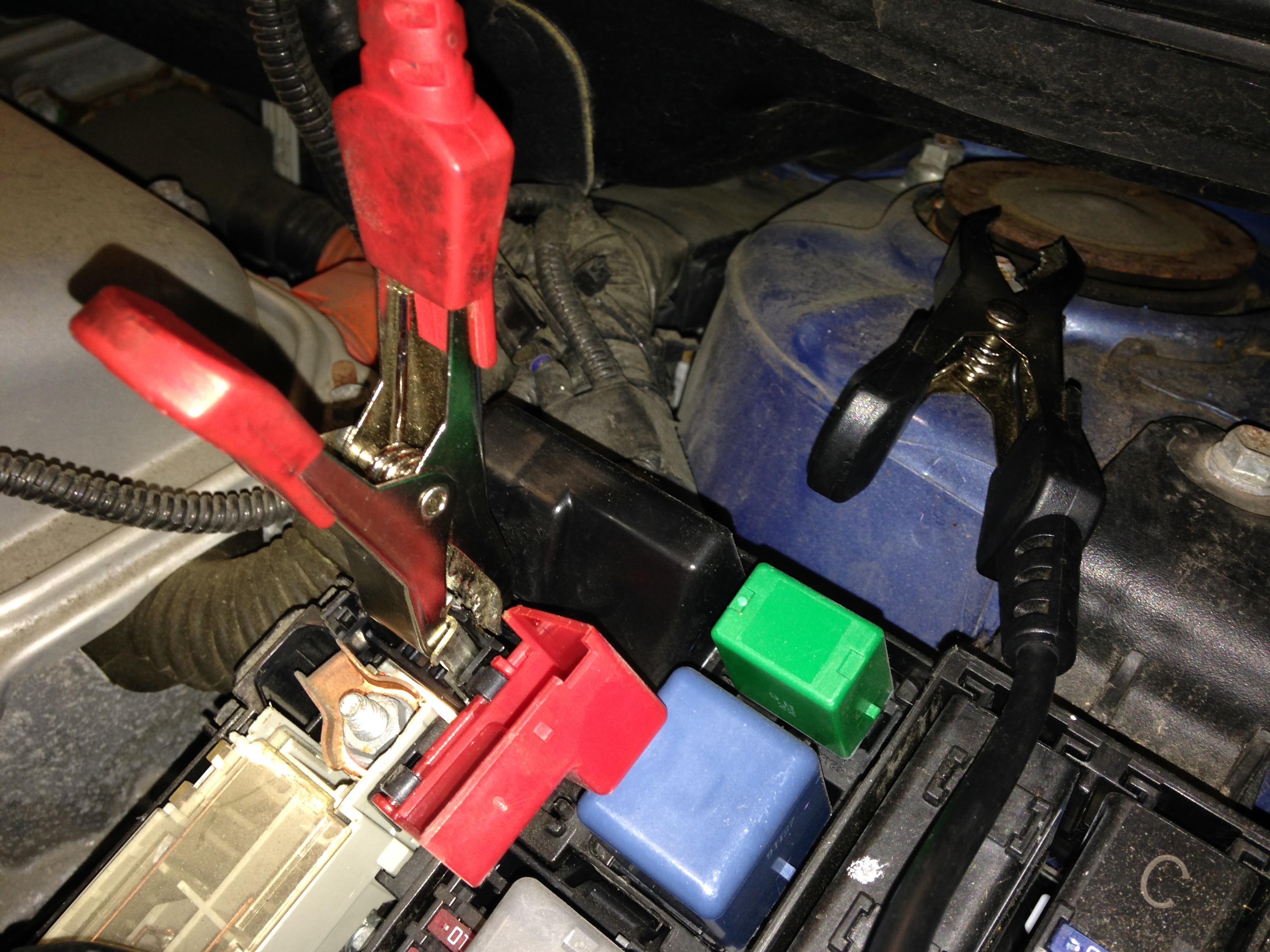
Look for a red cover or red marking on one terminal. This is the positive terminal and usually has a plus sign (+). The negative terminal is often a metal part of the car’s frame or a black terminal marked with a minus sign (-). Clear identification prevents wrong connections and sparks.
Understand The Prius-specific Setup
The Prius uses a 12-volt auxiliary battery, not the main hybrid battery. The jump start terminals are designed for this 12-volt system. They are often hidden behind a plastic cover or near the fuse box. Check the owner’s manual for the exact location to avoid confusion.
Connect The Jumper Cables
Connecting the jumper cables correctly is key to jump-starting a Toyota Prius safely. The right connection avoids sparks and damage to the car’s electrical system. Follow each step carefully to ensure a smooth process.
Attach Positive Cable To Dead Battery
Find the positive terminal on the Prius battery. It usually has a red cover or a plus (+) sign. Clip the red jumper cable to this terminal firmly. Make sure the connection is tight and secure.
Attach Positive Cable To Booster Battery
Next, connect the other end of the red jumper cable to the positive terminal of the booster battery. This terminal also has a red cover or plus sign. Ensure the clip is solid and won’t slip off.
Attach Negative Cable To Booster Battery
Now, take the black jumper cable and attach it to the negative terminal on the booster battery. This terminal is marked with a minus (-) sign. Hold the clip steady to avoid loose contact.
Attach Negative Cable To Ground On Prius
Finally, connect the other end of the black cable to a metal part of the Prius’s engine block. Do not attach it to the negative battery terminal. Choose a clean, unpainted metal surface to act as a ground.
Start The Vehicles
Starting the vehicles correctly is key to jump-starting a Toyota Prius safely. This process helps transfer power smoothly from the booster car to the Prius. Follow each step carefully to avoid damage and ensure success.
Patience matters here. Take your time before moving to the next step. A steady flow of electricity will prepare the Prius for a smooth start.
Start The Booster Car First
Begin by turning on the engine of the booster car. Let it run for a few minutes. This action charges the booster car’s battery and sends power through the cables.
Keep the engine running steadily. Avoid revving or sudden speed changes. This steady power flow is important for jump-starting the Prius.
Wait Before Starting The Prius
After the booster car runs for a few minutes, pause. Give the Prius time to absorb the power. This waiting period helps the Prius battery gain enough charge.
Do not rush. Waiting for about five minutes is enough. This step helps prevent electrical damage to the Prius.
Turn On The Prius
Try to start the Prius now. Press the power button as usual. The Prius should turn on smoothly if it has enough charge.
If the Prius does not start, wait a little longer. Then, try again. Repeat these steps until the Prius powers up safely.
Disconnect The Jumper Cables
After jump-starting your Toyota Prius, disconnecting the jumper cables is important. This step ensures safety and protects the car’s electrical system. Follow a clear order to avoid sparks or damage. Handle each cable with care and keep them separate during removal.
Remove Negative Cables Carefully
Start by removing the negative cable from the Prius battery. This cable is usually black and attached to the negative terminal. Gently loosen the clamp and lift the cable off. Avoid pulling on the cable itself. Set it aside where it cannot touch metal parts.
Remove Positive Cables Safely
Next, remove the positive cable from the Prius battery. This cable is usually red and connected to the positive terminal. Loosen the clamp carefully and lift the cable away. Keep the cable steady to prevent it from touching anything metal. Place it away from the car’s body and other cables.
Avoid Cable Contact
Do not let the jumper cables touch each other during removal. Contact between positive and negative cables can cause sparks or short circuits. Hold each cable separately and keep a safe distance. This step is crucial for your safety and your Prius’s electrical health.
Post Jump Start Tips
After jump starting your Toyota Prius, some important steps follow. These actions help keep your car running smoothly. They also protect your battery and electrical system. Pay close attention to these post jump start tips for best results.
Keep The Prius Running
Let the Prius run for at least 20 minutes. This helps the battery recharge. Driving the car during this time is even better. Avoid turning off the engine right away. It gives the battery time to build power again.
Check Battery Health
Inspect the battery for any signs of damage or leaks. A weak battery may not hold a charge well. Test the battery with a voltmeter or take it to a local auto shop. Knowing the battery condition can prevent future problems.
Seek Professional Help If Needed
If the Prius struggles to start again, get expert help. Mechanics can check the hybrid battery and electrical system. Early diagnosis saves time and money. Don’t ignore repeated jump start needs. It means deeper issues might exist.
Frequently Asked Questions
How Do You Safely Jump Start A Toyota Prius?
To safely jump start a Prius, turn off both cars. Connect the positive cable to the Prius’s positive terminal first. Then connect the negative cable to a grounded metal part away from the battery. Start the donor car, then start the Prius.
Can You Jump Start A Toyota Prius With Another Hybrid?
Yes, you can jump start a Prius with another hybrid. Follow the same steps as with a conventional car. Ensure both vehicles are turned off before connecting cables. Connect positive terminals first, then negative to a grounded spot. Start the donor hybrid before the Prius.
What Precautions Should I Take When Jump Starting A Prius?
Always turn off both cars before connecting cables. Avoid touching clamps together during the process. Connect cables in the correct order: positive first, then negative. Use insulated gloves if possible. Never jump start a Prius if the battery is damaged or leaking.
How Long Should The Donor Car Run Before Starting Prius?
Let the donor car run for about 5 minutes before starting the Prius. This allows the battery to transfer enough charge. After starting the Prius, keep both cars running for a few minutes to stabilize the charge.
Bottom Line
Jump starting a Toyota Prius can be simple and safe. Follow the steps carefully and use the right tools. Always check your car manual before starting. Keep safety in mind to avoid any accidents. With patience and care, your Prius will start smoothly.
Remember, regular battery checks help prevent future problems. Stay calm and confident during the process. Now you know how to jump start your Prius quickly. Ready to get back on the road?

Hello, I’m Norman. I work as a car researcher. I am the voice behind CaroraHub. I have over 15 years of experience. I give simple and useful car advice. I help with car care, cleaning, and small repairs. My goal is to help you keep your car healthy. I want car care to be easy and cheap for you. You can trust my tips to keep your car working well for a long time.