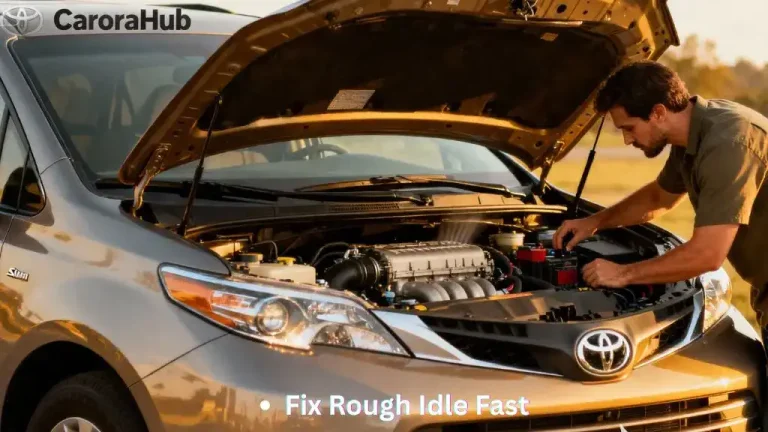
Have you noticed a strange noise coming from your Toyota Sienna every time you turn the wheel? That creak or clunk can be more than just annoying—it might be a sign that your suspension needs attention.
I’ve owned and worked on a few Siennas over the years, and I know how worrying that sound can be. Ignoring it often leads to bigger problems and higher repair bills. The good news: once you know what to listen for and how to check things, many issues are easy to spot and fix. Read on and I’ll share what usually causes suspension noise when turning, how to diagnose it, and which fixes you can try yourself.

Credit: www.youtube.com
Common Causes Of Suspension Noise
When your Toyota Sienna makes noise during turns, the sound usually comes from worn or stressed suspension parts. Below I break down the usual suspects in plain terms. I also add related parts and symptoms you may not think about, like tie rods, wheel hubs, and CV joints.
Worn Ball Joints
Ball joints link the wheel hub to the control arm. They let the wheel pivot when you steer. When ball joints wear, you’ll hear clunks or pops while turning. You may also feel looseness in the steering. Worn ball joints can make the front end wander and are a safety risk. If you see torn boots or grease loss, replace them. On many Sienna model years, ball joints are service items during front suspension work.
Damaged Control Arm Bushings
Control arm bushings cushion metal parts and reduce vibration. Over time they crack, compress, or separate. Damaged bushings let the control arm move too much. The result: knocking or thumping sounds on turns, and a loose feel in the steering. Replacing worn bushings restores proper geometry and improves ride comfort. Consider OEM-style rubber or upgraded polyurethane bushings depending on how you use your Sienna.
Faulty Struts Or Shocks
Struts and shocks soak up bumps and keep the car stable. When they fail you may hear creaks, rattles, or a metallic clunk in turns. The Sienna’s strut mounts and top mounts can also dry out and creak. Bad struts increase body roll and reduce tire contact with the road. If the shocks leak oil or the ride feels bouncy, plan to replace them.
Loose Or Broken Sway Bar Links
The sway bar and links control body roll in corners. If a link or bushing is loose or broken, you’ll often hear clunks when turning or driving over small bumps. This problem can make the Sienna feel sloppy through corners and may cause uneven tire wear. Sway bar links are cheap parts, and swapping them usually cures the noise fast.
Issues With Wheel Bearings
Wheel bearings let the wheels spin freely. When they fail, you’ll hear grinding, humming, or growling that changes with steering and speed. Turning often makes the sound louder on one side. Worn bearings can also cause play at the hub and vibration through the steering wheel. Don’t delay—bad bearings can lead to wheel wobble or hub damage.
Other Related Parts To Check
Some less obvious parts can also cause noise when turning: tie rod ends, inner CV joints, steering rack mounts, wheel hub assemblies, and loose heat shields or plastic splash guards rubbing on suspension parts. I always give these a quick look during inspection.
Symptoms To Watch For
Knowing which symptoms match which fault helps you narrow down the cause faster. Here are clear signs to watch for when your Sienna makes noise while turning.
Clunking Or Clicking Sounds
Clunks or clicks during turns usually mean a loose or worn joint. Low-speed turns and tight corners make these sounds louder. Ball joints, control arm bushings, sway bar links, and tie rod ends are common culprits. If the sound is rhythmic with wheel rotation, look at wheel bearings or CV joints.
Vibrations While Turning
Vibration in the steering wheel or under the car while turning points to bearing or tire issues first. But worn suspension parts and misaligned wheels can also vibrate. If vibration gets worse with speed, check the tires and wheel balance as well as the suspension joints.
Uneven Tire Wear
Tires that wear unevenly often mean suspension or alignment problems. Look for feathering, cupping, or more wear on one edge. Uneven wear shortens tire life and hides other issues. Fix the underlying suspension faults, then do an alignment to stop repeat wear.
Steering Wheel Play Or Noise
If the steering wheel feels loose before the wheels respond, that play could come from worn tie rods, ball joints, or steering rack mounts. Strange squeaks or grinding while turning also point to worn parts. Loose steering is a safety issue—get it checked quickly.
Diagnosing Suspension Problems
Finding the cause of suspension noise is mostly about careful listening and inspection. I’ll walk you through simple checks you can do at home and show what pros use in the shop. Keep your sentences short. Work step by step. Safety first.
Visual Inspection Techniques
Start with a visual check. Look under the front of the car for torn rubber boots, leaking shocks, or broken bushings. Check for loose bolts and missing clips. Inspect tires for uneven wear. A flashlight helps find hairline cracks or small leaks. If you see any damaged parts, note which side they are on—this helps later when test-driving.
What to look for, fast
- Torn ball joint or CV boot
- Leaking struts or oil on shocks
- Split or compressed bushings
- Loose sway bar links or missing hardware
- Play at the wheel when lifted (rock wheel back and forth)
Test Driving Tips
Drive on a quiet road at low speeds. Turn left and right slowly. Listen for when the noise is loudest—at idle speed, during a tight turn, or when you hit a bump while turning. Try different speeds and both steering angles. If the noise changes when you load the car (more passengers or cargo), mention that to your mechanic. Record notes like “clunk on left tight turns at low speed” — this helps a tech diagnose faster.
Using Diagnostic Tools
A few basic tools help find the issue. Use a pry bar to gently move suspension parts and check for play. A mechanic’s stethoscope isolates noises at joints and bearings. Scan for codes if your Sienna has electronic stability or adaptive dampers. Shops use chassis ears and alignment machines to pinpoint problems precisely.
Safety first: jack and support properly
Before crawling under the Sienna, park on level ground, set the parking brake, and chock the wheels. Use a proper jack and jack stands. Never rely on a jack alone.
Quick home diagnostic checklist
- Lift one front wheel and spin it. Listen for grinding or rumble.
- Grab the tire at 12 and 6 o’clock and rock it to check for play (ties to wheel bearing/hub).
- Grab at 9 and 3 o’clock to test tie rods.
- Push down on the corner to test shock/strut rebound.
DIY Fixes For Suspension Noise
I like to handle small suspension jobs myself. They save money and teach you how your car works. Below are common DIY fixes with practical tips. If you’re unsure, get help. Use the factory manual for torque specs and part numbers.
Replacing Worn Bushings
Worn bushings are a common source of squeaks and knocks. To replace them:
- Lift and support the vehicle safely on jack stands.
- Remove the wheel and unbolt the control arm if needed.
- Press out old bushings (a press or appropriate sockets help).
- Fit new bushings—match part numbers to your Sienna’s year and trim.
- Reassemble and torque bolts to spec from the shop manual.
Tip: Replace both sides if one bushing is bad. This keeps steering balanced.
Tightening Loose Components
Loose bolts cause rattle and clunk. Check and torque bolts on the control arms, sway bar links, and strut mounts. Use a torque wrench and follow the Toyota torque specs in your repair manual. Don’t overtighten—overtightening can damage parts. If a bolt won’t tighten or is stripped, replace it.
Lubricating Suspension Parts
Dry joints squeak. Grease points such as ball joints (if serviceable), tie rod ends, and sway bar bushings. Use the right grease—lithium or moly complex grease for chassis parts. For rubber bushings that aren’t serviceable, a silicone spray can reduce noise temporarily, but it won’t fix worn parts. Lubricate every few months or after wet weather for best results.
Tools and parts I recommend
- Torque wrench and breaker bar
- Jack stands and wheel chocks
- Mechanic’s stethoscope and pry bar
- Grease gun, lithium or silicone spray
- OEM or high-quality aftermarket bushings and links
When To Seek Professional_Help
Some suspension fixes are straightforward. Others are best left to pros. Here’s how to decide.
Complex Repairs
Jobs that need presses, special tools, or alignment usually belong at the shop. That includes replacing control arms, wheel bearings, or steering rack work. These repairs affect safety and require precise steps. If you find major rust, seized bolts, or broken structural parts, call a professional.
Suspension Alignment
If you replace suspension parts or see uneven tire wear, get an alignment. Proper alignment uses shop-grade machines and keeps tires wearing evenly. It also restores safe handling. Most shops will road-test after the alignment to confirm the noise and handling are fixed.
Safety Concerns
If you notice excessive play in the steering, obvious wheel wobble, or a grinding noise that gets worse, stop driving. These can be dangerous. Tow the vehicle or have it inspected immediately. Safety always comes first.
Estimated Costs & Time
Costs vary by part and region. Sway bar links or bushings are inexpensive and can be done in an hour. Ball joints, struts, or bearing jobs cost more and may take a few hours to a day. Alignment is a separate cost. Ask for an itemized estimate from your mechanic so you know what you’re paying for.
Preventive Maintenance Tips
Keeping your Sienna’s suspension in good shape is mostly about regular checks and timely parts replacement. Small steps prevent big headaches.
Regular Suspension Inspections
Check the suspension every few months. Look for leaks, torn boots, and loose hardware. Listen for new noises after hitting potholes. Early detection saves money and time.
Timely Replacement Of Worn Parts
Replace worn parts as soon as you find them. Using quality OEM or reputable aftermarket parts keeps the suspension working as designed. If multiple components are old, consider replacing them in logical groups—this avoids repeat labor costs.
Proper Tire Maintenance
Keep tires inflated to the recommended pressure and rotate them regularly. Balanced and aligned tires reduce stress on suspension parts and cut down noise. For specifics on pressure, see this guide: Check tire pressure.
Recommended service schedule
- Every 6 months: Visual check and listen for new noises.
- Every 12,000–15,000 miles: Rotate tires and inspect wheel bearings and bushings.
- When symptoms appear: Inspect immediately; don’t wait for the next scheduled service.
Frequently Asked Questions
Why Does My Toyota Sienna Make Noise When Turning?
Most often the noise comes from worn suspension parts like bushings, ball joints, or sway bar links. It can also be wheel bearings, tie rods, or loose hardware. Inspect and lubricate first. Replace parts if they show wear.
Can Worn Suspension_Parts_Cause_Noise_In_Toyota_Sienna?
Yes. Worn struts, control arms, tie rods, and bushings can all cause noise. These parts keep the wheels aligned and absorb road shocks. When they fail, the car makes noise and handles poorly. Replace damaged parts to restore safe, quiet operation.
How To Diagnose_Suspension_Noise_In_Toyota_Sienna?
Listen while turning at low speeds, inspect visible parts, lift a wheel and check play, and use simple tools like a pry bar or stethoscope. If you’re uncertain, have a trusted mechanic do a road-test and inspection. Their tools and experience can pinpoint the issue fast.
Is Suspension_Noise_Dangerous_For_My_Toyota_Sienna?
Sometimes. Noise can indicate worn parts that affect steering and braking. If the noise comes with loose steering, wheel wobble, or grinding, stop driving and get it inspected. Timely repair keeps you safe and saves money later.
Bottom Line
Suspension noise when turning your Toyota Sienna is a clear warning. Don’t ignore it. Inspect, test-drive, and fix small issues early. Tighten loose hardware, lubricate serviceable joints, and replace worn parts promptly. If a repair looks complex or affects steering safety, have a pro handle it. I’ve found that a few simple checks often stop the noise and prevent bigger repairs.
Keep your Sienna’s suspension in good shape for a quiet, comfortable ride. Stay alert, act soon, and enjoy driving without unwanted sounds.

Hello, I’m Norman. I work as a car researcher. I am the voice behind CaroraHub. I have over 15 years of experience. I give simple and useful car advice. I help with car care, cleaning, and small repairs. My goal is to help you keep your car healthy. I want car care to be easy and cheap for you. You can trust my tips to keep your car working well for a long time.