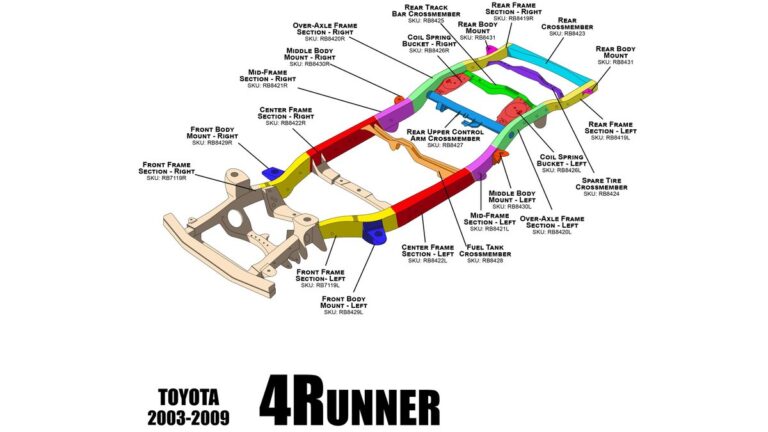
Changing the oil in your Toyota 4Runner is a straightforward mechanical task that typically costs between $45 and $95 for parts and supplies, depending on whether you choose conventional or synthetic lubricants. By performing this maintenance yourself every 5,000 to 10,000 miles, you ensure the longevity of your engine while avoiding the higher labor costs found at professional service centers.
Key Takeaways
- Always verify your specific engine displacement to purchase the correct oil volume and filter type.
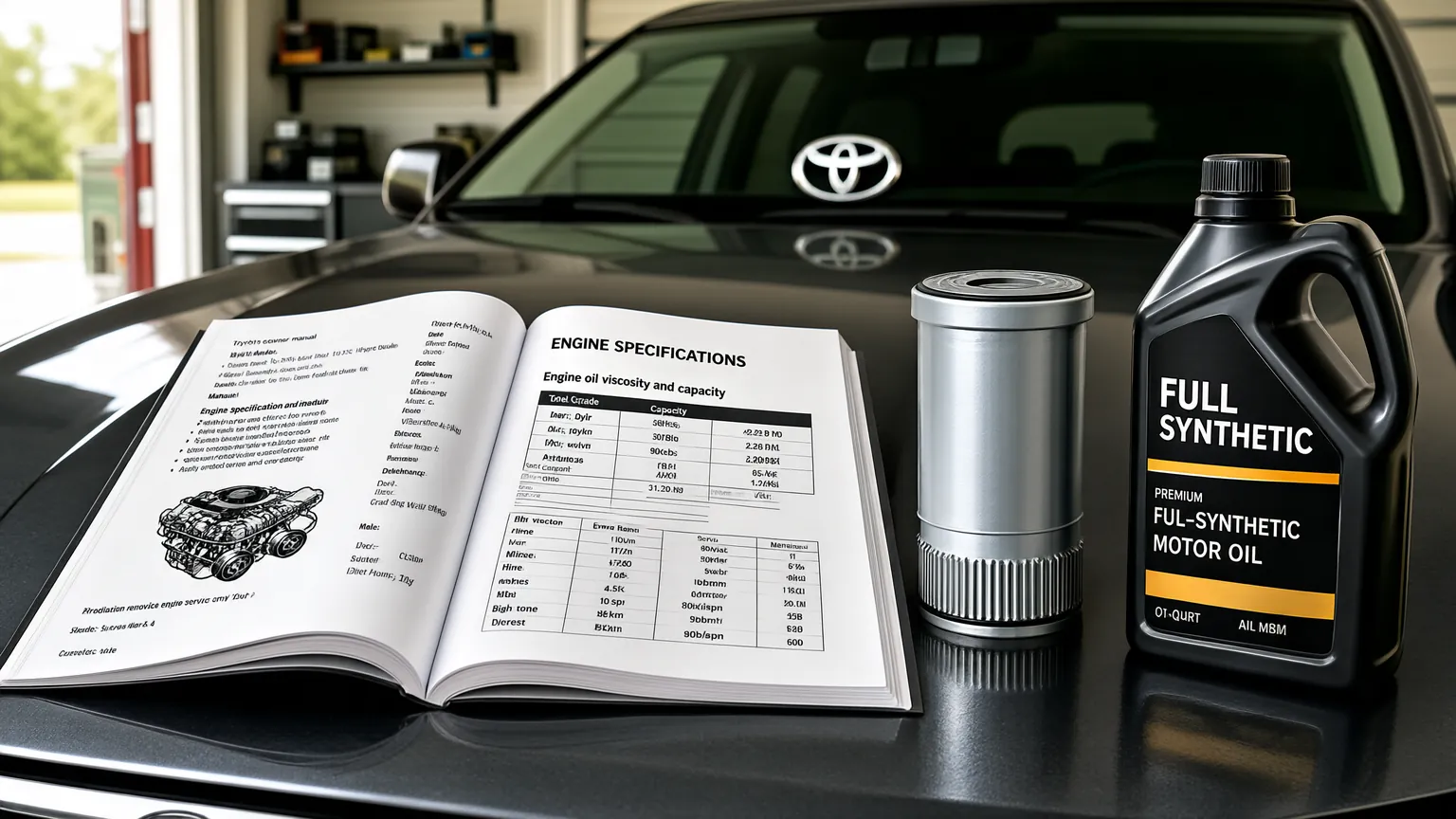
- Use a high-quality synthetic oil that meets the viscosity requirements specified in your owner’s manual.
- Ensure the vehicle is parked on a level surface and the engine is cool to prevent accidental burns.
- Properly recycle your used motor oil and filter at a local automotive supply store or municipal facility.
- Keep a detailed log of your service dates and mileage to maintain your vehicle’s resale value.
Essential Tools and Supplies
To complete this job efficiently, gather your tools before you slide under the vehicle. You’ll need a socket wrench set, an oil filter wrench, a drain pan, a funnel, and a torque wrench. Having a clean rag or shop towel nearby is crucial for managing drips.
| Item | Specification | Usage Purpose |
|---|---|---|
| Motor Oil | 0W-20 or 5W-30 | Engine lubrication and cooling |
| Oil Filter | Cartridge or Spin-on | Removing contaminants from oil |
| Drain Plug Gasket | Crush washer | Preventing oil pan leaks |
| Shop Towels | Lint-free | Cleaning spills and checking levels |
How to Change Oil on 4Runner
Performing a self-service oil change requires patience and attention to detail. Begin by lifting the vehicle using a hydraulic jack and securing it firmly on jack stands. Never rely on the jack alone while working underneath the chassis.
Draining the Old Oil
Locate the oil drain plug on the bottom of the oil pan. Position your drain pan directly underneath the plug. Use your socket wrench to loosen the bolt slowly. Once the flow of used oil begins, remove the bolt by hand, being careful not to drop it into the hot oil. Allow the oil to drain completely for at least ten minutes to ensure all sludge exits the system.
Replacing the Filter
The location of the oil filter varies by model year. On most modern 4Runners, you’ll find a cartridge-style filter housing. Remove the housing using a dedicated filter wrench. Once removed, discard the old filter element and replace the rubber O-ring on the housing cap. Lubricate the O-ring with a small amount of fresh oil to ensure a proper seal when you re-install the housing.
Selecting the Right Motor Oil
Your choice of oil dictates how well the engine handles extreme temperatures and heavy loads. Most late-model 4Runners require full synthetic 0W-20 oil. Always check the Toyota Owner’s Manual to confirm the exact viscosity grade required for your specific engine configuration. Using the wrong weight can lead to poor fuel economy and increased engine wear.
- Full Synthetic Oil (Offers superior protection and longer intervals)
- Synthetic Blend (A middle-ground option for older models)
- High-Mileage Formula (Contains additives to condition internal engine seals)
What Is the Proper Torque?
Over-tightening your drain plug or filter housing is a common mistake that leads to stripped threads or cracked components. Use a torque wrench to tighten the drain plug to the manufacturer’s specification, which is typically 30 to 35 foot-pounds for the drain bolt.
Warning: Always replace the crush washer on the drain plug every time you change the oil. Reusing an old, flattened washer is the primary cause of slow oil leaks after a service.
Managing Your Used Oil
Used motor oil is a hazardous material that must be handled with care. Pour the drained oil into a sealed plastic container. Never pour oil down a storm drain or into the trash. Most automotive parts retailers offer free collection services for used oil and filters. Keeping your workspace clean is part of responsible vehicle ownership.
Assessing Engine Oil Health
You can often tell a lot about the condition of your engine by observing the oil as it drains. If the oil appears milky or contains metallic flakes, this may indicate internal coolant leaks or excessive bearing wear. If the oil is exceptionally dark or smells like gasoline, consider shortening your future service intervals to keep the engine internals clean.
Common Obstacles During Service
Even experienced mechanics encounter hurdles. A stuck filter housing is the most frequent issue. If the housing doesn’t budge, don’t force it with excessive leverage, as the plastic or aluminum housing can crack. Use a specialized low-profile socket designed for the housing flutes to distribute pressure evenly.
- Stripped Drain Plug Threads
- Seized Filter Housing
- Overfilled Oil Levels
- Damaged O-Ring Seals
Tools Required for Success
Investing in quality tools pays dividends over the life of your 4Runner. A high-quality torque wrench is a non-negotiable tool for any DIY mechanic. Additionally, having a dedicated funnel with a long neck helps prevent messy spills across the engine bay when refilling.
| Tool Name | Estimated Cost Range | Importance |
|---|---|---|
| Torque Wrench | $40 – $120 | High (Prevents component damage) |
| Oil Filter Wrench | $10 – $30 | Medium (Eases removal process) |
| Hydraulic Jack | $80 – $200 | Critical (Safety equipment) |
| Jack Stands | $30 – $70 | Critical (Safety equipment) |
FAQs Of How to Change Oil on Toyota 4Runner
How often should I change oil?
For most modern Toyota 4Runner models, the manufacturer recommends an oil change every 5,000 to 10,000 miles. If you frequently drive in dusty conditions, tow heavy trailers, or take many short trips that prevent the engine from reaching full operating temperature, you should lean toward the 5,000-mile interval to keep the engine internals clean and properly lubricated.
Can I use any brand of oil?
You aren’t required to use a specific brand, but the oil must meet the American Petroleum Institute (API) certification standards and the viscosity grade specified in your manual. Look for the “Starburst” symbol on the bottle, which indicates that the oil meets current performance requirements for your engine. Using high-quality, reputable brands ensures consistent additive packages and thermal stability.
What happens if I overfill the oil?
Overfilling your engine with oil can lead to significant problems. Excess oil can be whipped into a froth by the crankshaft, creating air bubbles that prevent the oil pump from maintaining proper pressure. This can also lead to oil leaking past seals or entering the combustion chamber, which may damage the catalytic converter. Always check the dipstick after filling and add oil gradually.
Do I need to change the filter every time?
Yes, you should always replace the oil filter whenever you perform an oil change. The filter is responsible for trapping abrasive particles and debris that accumulate in the oil during normal operation. A saturated or clogged filter can bypass its internal safety valve, allowing unfiltered oil to circulate through your engine, which significantly accelerates wear on internal components and reduces engine longevity.
Why does the maintenance light stay on?
The maintenance light on your 4Runner is a mileage-based reminder system, not a sensor that detects oil quality. You must manually reset this light after completing your oil change. Typically, this involves turning the ignition to the “on” position while holding the trip meter reset button, then following the specific sequence found in your vehicle’s owner’s manual for your exact model year.
Pro Tip: Place a piece of cardboard under the drain pan to catch any stray drips during the process; this protects your driveway from stubborn oil stains that are difficult to remove once they penetrate the concrete.
Conclusion
Maintaining your vehicle through regular oil changes is the single most effective way to protect your investment. By following these steps and adhering to the recommended service intervals, you ensure that your 4Runner remains reliable for hundreds of thousands of miles. Once you have finished the service, double-check that the drain plug and filter housing are secure, start the engine for one minute, and verify there are no leaks before taking your first test drive.

I am Julian Drive, an automotive enthusiast and repair expert with over 7 years of hands-on experience in vehicle maintenance. At Carora Hub, I simplify complex car issues into easy-to-follow DIY guides to help drivers stay safe and save on repair costs.