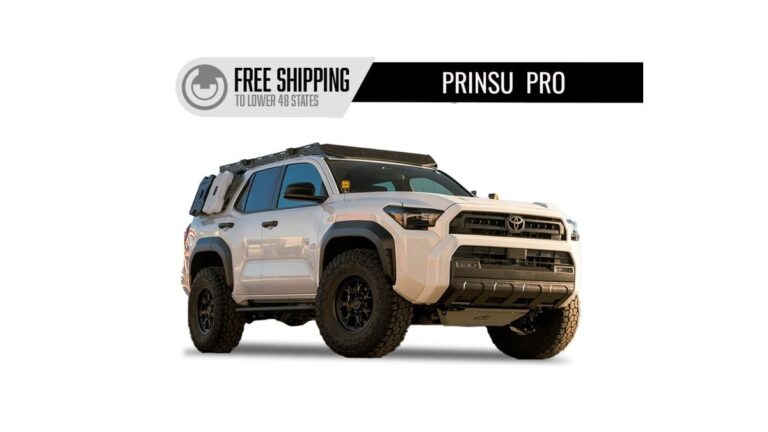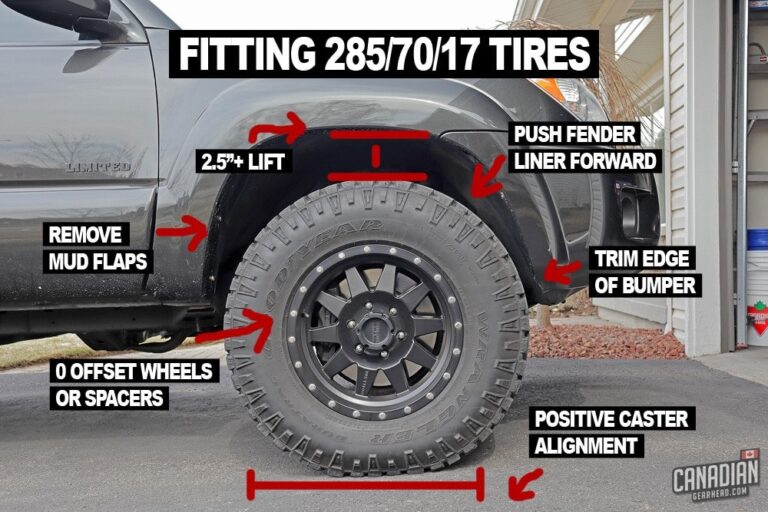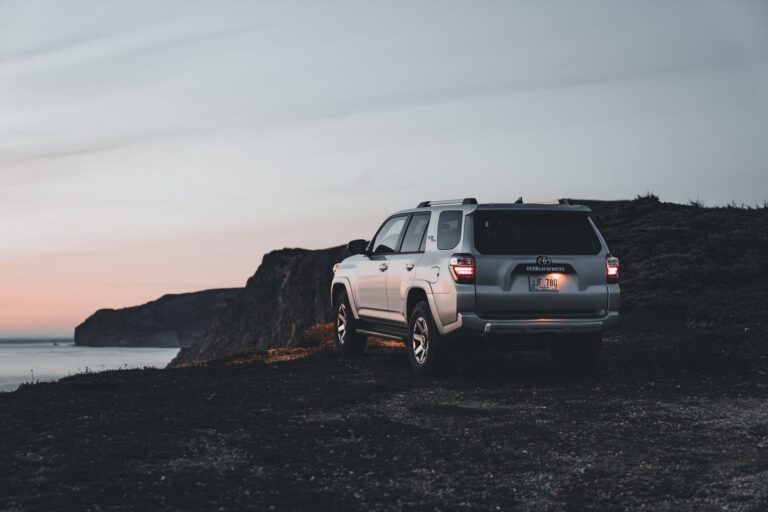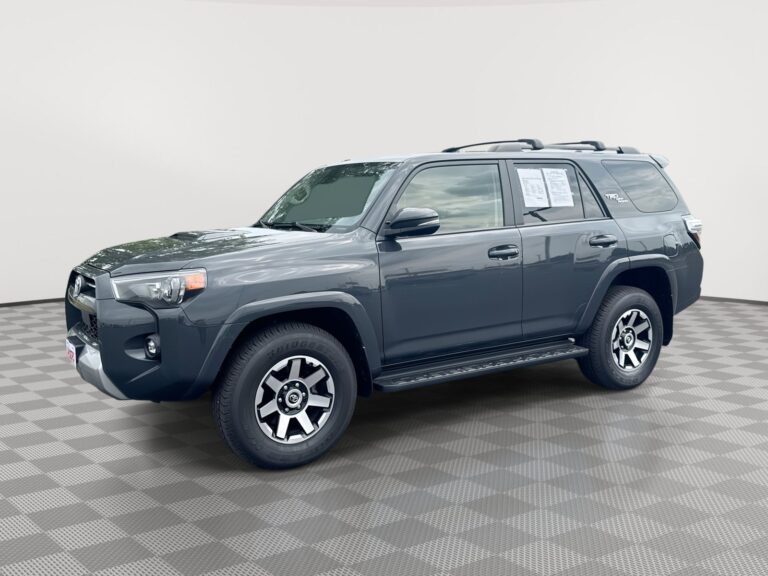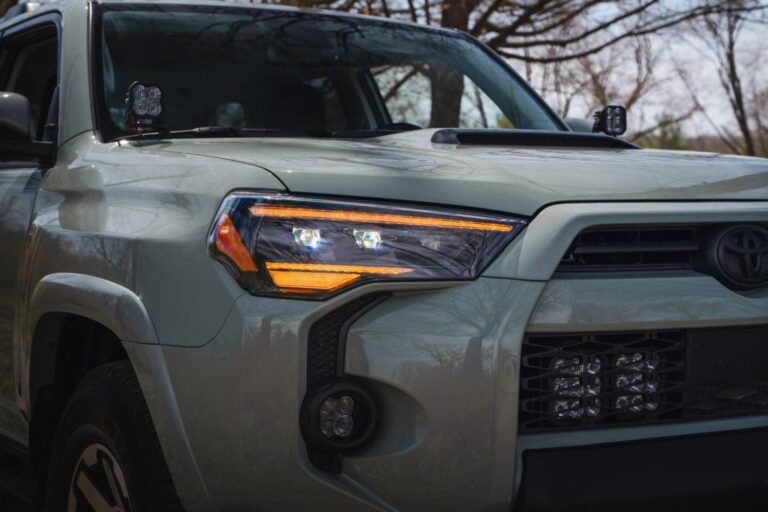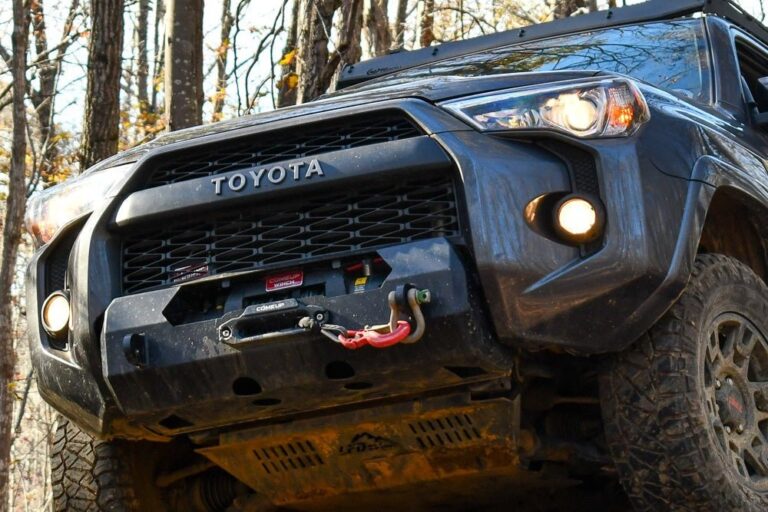
Aftermarket skid plates are absolutely worth the investment for any Toyota 4Runner owner who drives on unpaved roads, trails, or rocky terrain. The factory covers provided by Toyota are generally thin stamped steel or plastic designed primarily for aerodynamics and light debris deflection, not serious off-road protection. Upgrading to thicker aluminum or steel armor protects your engine, transmission, transfer case, and fuel tank from catastrophic damage that could easily cost thousands of dollars to repair.
Key Takeaways
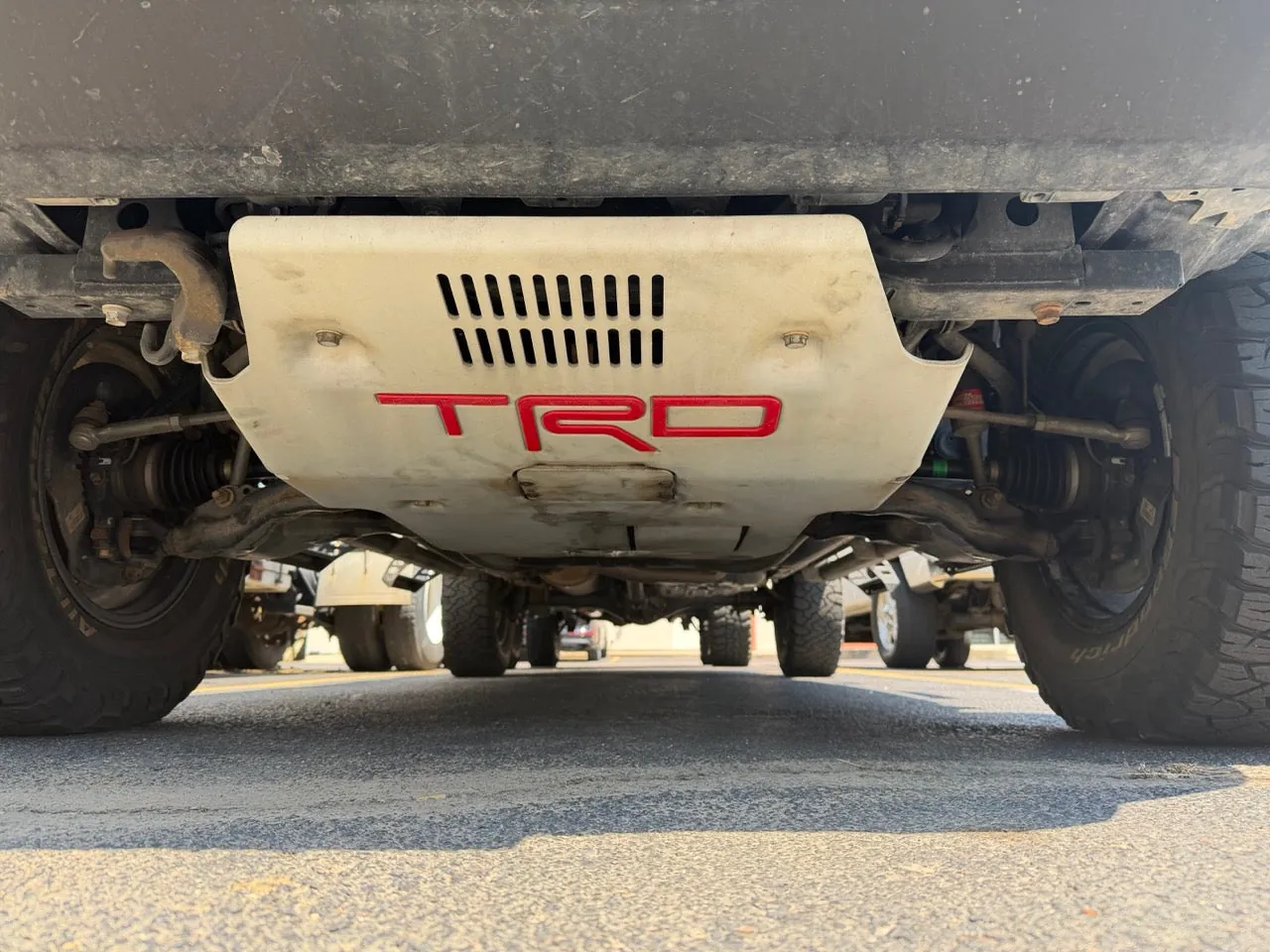
- Factory 4Runner skid plates are thin and meant for highway aerodynamics, leaving vital components vulnerable to trail damage.
- Aluminum plates offer the best balance of weight savings and strength, while steel provides maximum durability for extreme rock crawling.
- Expect to spend between $300 and $1,200 for a complete aftermarket set, depending on material thickness and brand reputation.
- Proper installation requires high-strength hardware and careful alignment to prevent rattling or interference with suspension travel.
- Regular inspection and maintenance of your plates will prevent hidden rust buildup and ensure mounting bolts remain secure over time.
Are Aftermarket Skid Plates Worth It?
Replacing your stock underbody protection is one of the most impactful modifications you can make to a fifth-generation 4Runner. The factory plates often measure around two millimeters thick, which is sufficient for gravel but inadequate for sharp rocks or deep ruts.
Aftermarket options typically range from three to six millimeters in thickness, providing a rigid shield that absorbs impacts rather than bending into your oil pan. For anyone venturing beyond paved surfaces, this upgrade transitions from an optional accessory to essential insurance.
The financial math is straightforward when you consider replacement costs. A cracked oil pan or punctured transmission housing on the trail will result in immediate vehicle failure, expensive towing fees, and extensive repair bills. A quality set of aftermarket plates pays for itself the very first time it deflects a boulder that would have otherwise destroyed a critical drivetrain component. This makes the purchase highly justifiable for weekend warriors and daily drivers alike who encounter rough roads.
What Materials Should You Choose?
Selecting the right material dictates the weight, strength, and longevity of your new underbody armor. The two primary choices are aluminum and steel, each offering distinct advantages depending on how aggressively you wheel your 4Runner.
Aluminum Skid Plates
Aluminum is the preferred choice for most 4Runner owners due to its excellent strength-to-weight ratio. Typically manufactured from 5052 or 6061 alloys, these plates resist corrosion naturally without requiring paint or powder coating. They’re significantly lighter than steel, which helps preserve your factory suspension geometry and fuel economy. Brands like RCI Metalworks and C4 Fabrication produce highly regarded aluminum kits that slide smoothly over obstacles.
Steel Skid Plates
Steel plates, usually made from cold-rolled or hot-rolled carbon steel, offer superior dent resistance for hardcore rock crawling. However, they add substantial weight to the front end of the truck, which can cause premature wear on factory shocks and springs. If you choose steel, opt for a powder-coated finish to prevent surface rust. ShrockWorks and Hefty Fabworks are well-known manufacturers that engineer robust steel solutions for heavy-duty trail abuse.
| Material | Typical Thickness | Weight Impact | Corrosion Resistance | Best Use Case |
|---|---|---|---|---|
| Aluminum (5052) | 3/16 inch | Low | Excellent | Overlanding, moderate trails |
| Aluminum (6061) | 1/4 inch | Moderate | Excellent | Aggressive trail riding |
| Steel (CRS) | 3/16 inch | High | Poor (needs coating) | Rock crawling, competition |
| Steel (HRS) | 1/4 inch | Very High | Poor (needs coating) | Extreme heavy-duty use |
Which Components Need Protection?
A comprehensive skid plate system covers multiple vulnerable areas beneath your 4Runner. Buying individual plates allows you to prioritize based on your budget and typical driving environment, though a full kit ensures seamless coverage without gaps where rocks can sneak through.
Engine and Transmission
The frontmost plates protect the engine oil pan, front differential, and transmission housing. These components sit low and are the first to strike obstacles when climbing steep inclines or crossing large logs. Ensuring continuous coverage here prevents the most common and costly trail failures.
Transfer Case and Fuel Tank
Further back, the transfer case sits directly in the center of the chassis, making it highly susceptible to high-centering on uneven terrain. The fuel tank, located behind the rear axle, is protected by a dedicated plate that prevents punctures from sharp rocks kicked up by the rear tires. Protecting the transfer case is critical because a cracked housing leads to total loss of four-wheel drive capability.
How Do Aftermarket Plates Compare?
Not all aftermarket plates are created equal. The differences lie in design features, manufacturing tolerances, and how well they integrate with the 4Runner’s existing frame rails.
| Brand | Material Options | Notable Features | Price Range |
|---|---|---|---|
| RCI Metalworks | Aluminum, Steel | Interlocking design, fill holes | $400 – $900 |
| C4 Fabrication | Aluminum, Steel | Laser cut, precision fitment | $500 – $1,100 |
| ShrockWorks | Steel | Heavy duty, integrated steps | $600 – $1,200 |
| Hefty Fabworks | Aluminum, Steel | Bolt-on simplicity, thick gauge | $450 – $1,000 |
| Pro Comp | Steel | Budget friendly, basic coverage | $300 – $600 |
When comparing options, look for plates that feature interlocking edges. This design prevents rocks from catching the seam between two plates and peeling them backward. Additionally, check if the manufacturer includes access holes for routine maintenance, such as draining the engine oil or servicing the transmission fluid, so you don’t have to remove the entire armor system every time you perform basic upkeep.
Does Installation Require Modifications?
Most reputable aftermarket skid plates are designed as direct bolt-on replacements for the 4Runner, utilizing existing factory mounting points. However, the installation process still demands patience, proper tools, and attention to detail to ensure a rattle-free fit.
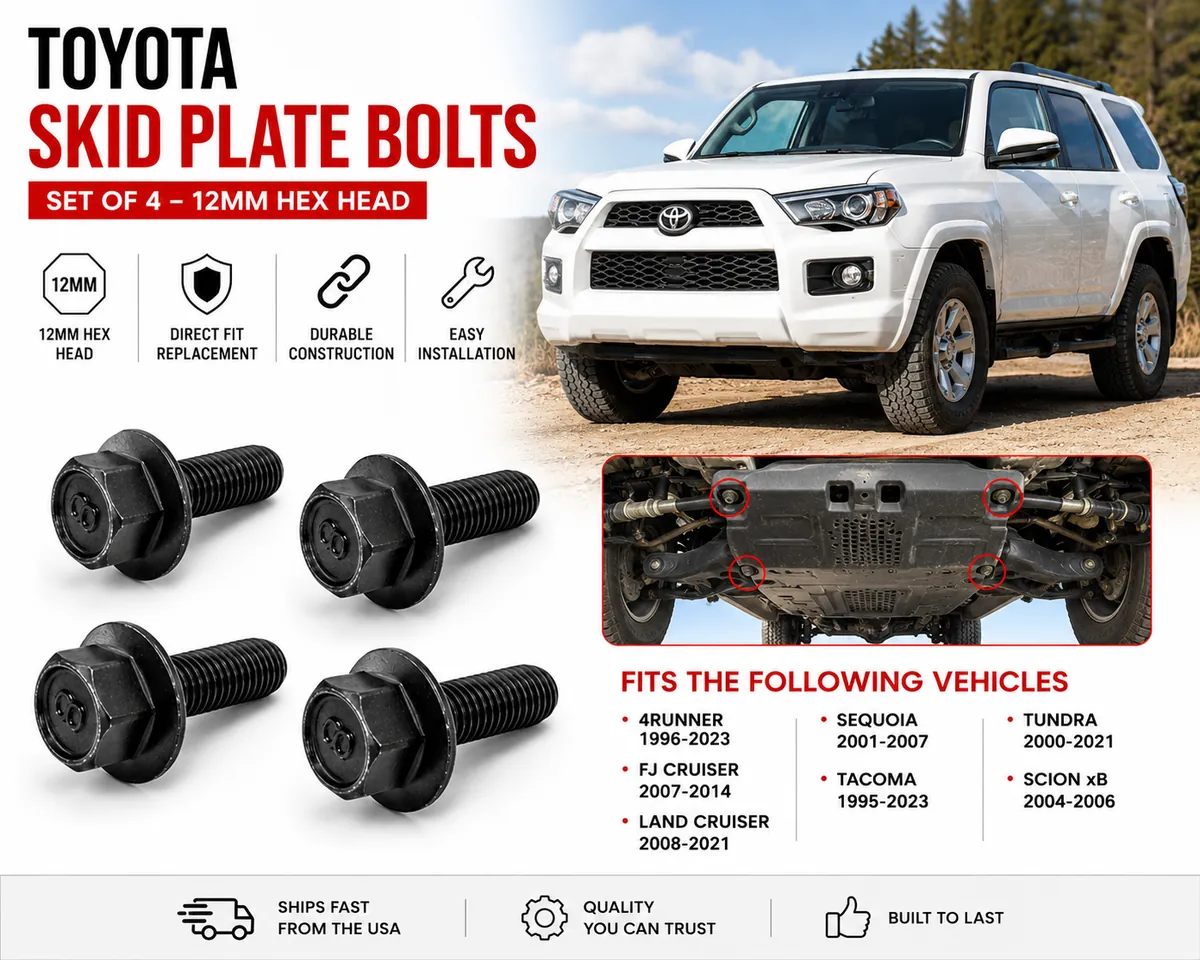
You’ll need a reliable floor jack or a vehicle lift to hold the heavy plates in position while threading the bolts. Factory bolts are often too short or too weak for thicker aftermarket plates, so always use the upgraded hardware provided by the manufacturer. Applying blue thread locker to every bolt is mandatory to prevent vibrations from loosening the fasteners during off-road excursions.
Warning: Never reuse stretched or damaged factory bolts when installing heavier armor. The added weight and impact forces require high-tensile grade hardware, typically Grade 8 or equivalent metric class 10.9 bolts. Using inferior fasteners can result in the plates detaching at speed, creating a severe safety hazard for you and other drivers on the trail.
Pro Tip: Before fully tightening the bolts, loosely install all plates to verify alignment. Adjust the positioning so the seams overlap correctly in the direction of travel—meaning the rear plate should tuck under the front plate. This prevents obstacles from snagging the leading edge and tearing the armor off the frame rails.
Will Skid Plates Affect Ground Clearance?
Adding thicker armor does technically reduce your overall ground clearance by a fraction of an inch, but the trade-off is overwhelmingly positive. While the plates sit slightly lower than the factory components they replace, they create a smooth, flat surface that allows the vehicle to glide over rocks rather than hanging up on protruding drivetrain parts.
The actual clearance lost is usually negligible compared to the benefit gained. A smooth underbelly drastically improves your breakover angle in practice, even if the static measurement drops slightly. For those concerned about height, pairing skid plates with a modest suspension lift restores and exceeds the original factory clearance specifications.
What Maintenance Do They Require?
Aftermarket skid plates aren’t strictly “install and forget” components. The harsh environments they’re designed to endure mean they take a beating, requiring periodic attention to maintain their protective qualities and structural integrity.
Mud, snow, and road salt can become trapped between the skid plates and the vehicle’s frame. If left unchecked, this trapped moisture accelerates rust on the frame rails and mounting brackets, particularly if you opted for steel plates without adequate coating. Washing the undercarriage thoroughly after muddy or salty trips is essential for long-term preservation.
| Maintenance Task | Frequency | Tools Required | Purpose |
|---|---|---|---|
| Visual Inspection | Every 3 months | Flashlight, mirror | Check for dents or cracks |
| Torque Check | Every 6 months | Socket wrench, torque wrench | Ensure bolts remain tight |
| Undercarriage Wash | After mud/salt trips | Pressure washer, hose | Prevent rust and debris buildup |
| Touch-up Paint | As needed | Rust-inhibiting spray paint | Seal scratches on steel plates |
Pro Tip: When inspecting your plates, pay close attention to the mounting tabs welded to the frame. Repeated heavy impacts can fatigue these welds. If you notice cracking around the mounting holes, reinforce them with additional washers or consult a professional welder before your next off-road trip.
Related guides
- Dash Cams For Toyota Prius: Best Picks
- Toyota Prius Tires Vs Regular Tires: Comparison
- Fix Toyota Prius P0A80 Code: Hybrid Battery Guide
FAQs Of Are Aftermarket Skid Plates Worth It for Toyota 4Runner
Do I need skid plates for overlanding?
Yes, overlanding involves prolonged travel on unpredictable dirt roads where sharp rocks and deep ruts are common. Skid plates protect your vital fluids and drivetrain components from unexpected strikes far from civilization, ensuring you can complete your journey safely without needing emergency repairs in remote locations.
Can I install skid plates myself?
Most enthusiasts can install bolt-on skid plates at home using basic hand tools, a floor jack, and jack stands. The process typically takes two to four hours. However, you must be comfortable working underneath a heavy vehicle and following precise torque specifications to ensure safe installation.
Do skid plates cause overheating?
Properly designed aftermarket plates include ventilation slots or strategic cutouts that allow airflow to reach the engine and transmission coolers. Cheap, solid plates without ventilation can trap heat. Always purchase plates from reputable manufacturers who engineer thermal management into their designs to prevent mechanical issues.
Are plastic skid plates good enough?
Factory plastic or composite splash guards only protect against water spray and small gravel. They will shatter upon hitting a medium-sized rock. For any genuine off-road driving, upgrading to metal plates made of aluminum or steel is necessary to provide real impact resistance.
How much do aftermarket plates weigh?
A full set of aluminum skid plates typically adds between forty and sixty pounds to your 4Runner. A comparable steel set can add eighty to over one hundred pounds. Consider this added weight when evaluating your current suspension setup and overall payload capacity for gear.
Will they void my warranty?
Under the Magnuson-Moss Warranty Act, adding aftermarket skid plates can’t void your vehicle’s overall warranty. However, if a poorly installed plate directly causes damage to a specific component, the dealer may deny coverage for that particular repair. Professional installation mitigates this risk entirely.
Conclusion
Choosing to upgrade your underbody armor is a definitive step toward protecting your investment and expanding where your 4Runner can safely travel. Review the specific trail conditions you plan to tackle, select the appropriate material based on the comparison tables above, and schedule a weekend to complete the installation. Your future self will appreciate the peace of mind when navigating rocky terrain.

I am Julian Drive, an automotive enthusiast and repair expert with over 7 years of hands-on experience in vehicle maintenance. At Carora Hub, I simplify complex car issues into easy-to-follow DIY guides to help drivers stay safe and save on repair costs.